


Antique French Chimneypiece
An antique french chimneypiece brings architectural weight and ornate detail to a room, offering the grand focal point that period interiors demand.
Antique French Chimneypiece
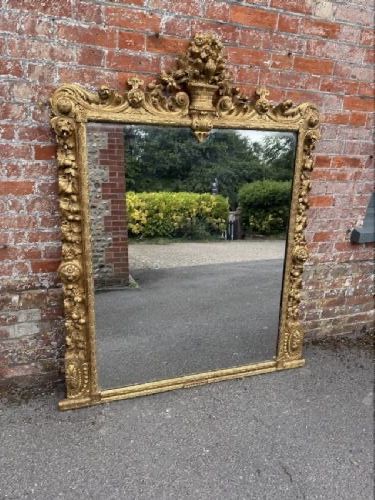
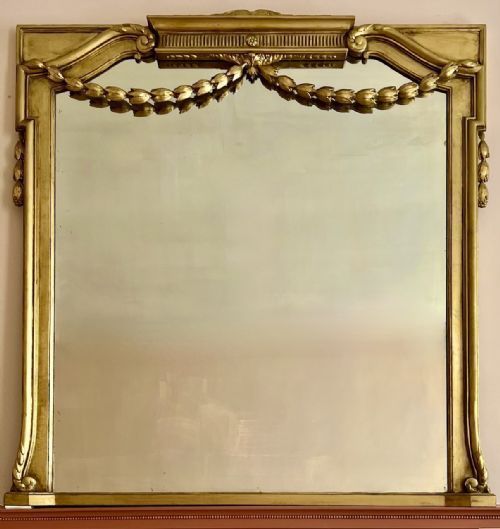
When you search for an antique french chimneypiece, you are looking at substantial architectural fixtures and furnishings designed to anchor a fireplace wall. The selection ranges from carved marble fire surrounds to large giltwood overmantel mirrors and architectural trumeau panels that sit directly above the hearth.
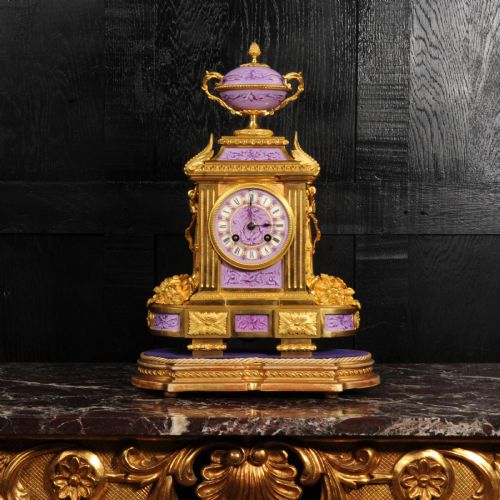
The version you are most likely to meet on this page is the nineteenth century overmantel mirror or decorative clock garniture influenced by earlier French design. These pieces often incorporate carved wood, gesso, and painted finishes intended to reflect light and magnify the presence of a fireplace.
Origins stretch from mid-eighteenth century examples up through Victorian interpretations of Louis styles and the French Second Empire. The forms span architectural stone or marble surrounds, clock garnitures in ormolu, and tall wall mirrors shaped for placement above a mantelpiece.
How they were made
Carved wood provides the primary structural foundation for many of these decorative pieces, often built from timber that is subsequently layered with gesso to receive intricate surface ornamentation. Artisans shaped these elements by hand before applying gilding or paint.
Giltwood, gold leaf, and silver leaf treatments demand precise application over composition or prepared wood grounds to achieve a reflective metallic finish. Ormolu and gilt bronze appear on clock cases, requiring skilled casting and mercury gilding techniques.
Breche violet marble forms heavy structural elements like fire surrounds, selected for its natural veining and polished surface. Glass plates within the mirrors are fitted into rebated frames, sometimes showing the slight distortions characteristic of older manufacturing methods.
An eighteenth-century clock movement quietly ticking away behind polished ormolu keeps time just as it did before the French Revolution.
What varies in quality
The depth and crispness of the carving distinguish finer items from simpler production, particularly in the rendering of rococo scrolls, floral motifs, and neoclassical symmetry. High quality surfaces display meticulous preparation of the gesso beneath the gold leaf, ensuring the underlying wooden detail remains sharp rather than softened by thick layers.
Materials dictate the upper tiers of the range, where heavy ormolu mounts, genuine breche violet marble, and substantial carved timber frames replace lighter composition mouldings and painted pine. Original mercury gilding and well-preserved porcelain plaques by makers such as Achille Brocot elevate the standing of clock garnitures and mirrors alike.
The Antique French Chimneypiece Glossary
- Ormolu
- Gilded bronze, widely utilised in French clock cases and decorative mounts during the eighteenth and nineteenth centuries. The technique involves applying an amalgam of gold and mercury to a bronze base before heating.
- Gesso
- A plaster-like mixture applied to wood frames to create a smooth surface for carving and gilding. It allows for intricate relief decoration that holds sharp edges.
- Trumeau mirror
- An architectural wall mirror fitted into a decorative wooden panel, traditionally mounted above a chimneypiece. These pieces often feature painted scenes or carved woodwork within the upper section.
- Garniture
- A set of matching decorative objects, typically comprising a central mantel clock flanked by matching vases or candelabra. They were designed to sit symmetrically upon a mantel shelf.
- Breche violet
- A distinctive purple and white brecciated marble prized for fire surrounds and architectural details. Its natural fractured pattern creates bold, decorative colour variations.
Antique French Chimneypiece: Frequently Asked Questions
What is a trumeau mirror?
A trumeau mirror combines a painted or carved wooden panel with a lower mirror glass, designed specifically to hang flush against the wall above a fireplace. These architectural elements originated in France and serve to unify the vertical space between the mantel and the ceiling.
The woodwork often incorporates neoclassical or rococo motifs that match the decorative style of the room. They provide both a reflective surface and a substantial piece of wall art without requiring standalone furniture.
How do I style an overmantel mirror?
An overmantel mirror rests directly on the mantel shelf or hangs slightly above it, anchoring the visual weight of the fireplace. Because these mirrors are wide and tall, they naturally draw the eye upward and reflect natural light across the room.
Pairing them with a matching clock garniture or candlesticks on the shelf creates a balanced display. The arched tops and ornate frames of nineteenth-century examples work particularly well against high ceilings and period plasterwork.
How do I identify Louis styles?
Louis styles are defined by distinct periods of French design, ranging from the asymmetrical curves of Louis Quinze to the restrained geometric symmetry of Louis Seize. Neoclassical elements like straight lines and urn motifs appear later, while earlier rococo versions favour exuberant scrollwork.
Examining the carving style, symmetry, and hardware helps determine which royal reign influenced the piece. Surviving examples often interpret these historic aesthetics through nineteenth-century Victorian production.