
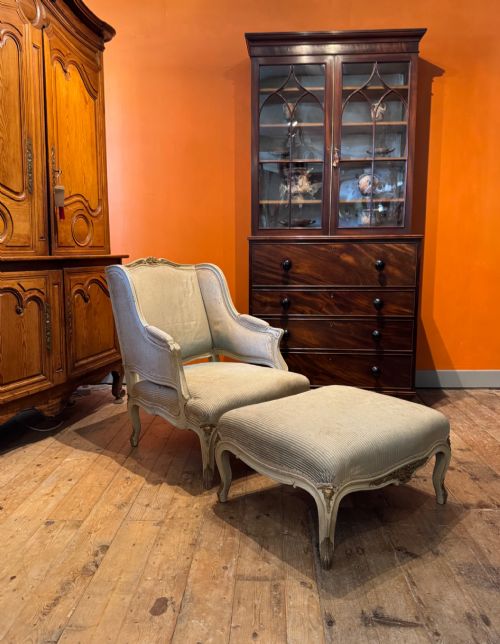


Antique French Chaise
An antique french chaise brings formal salon elegance and restful reclining together in one sculptural wooden frame.
Antique French Chaise
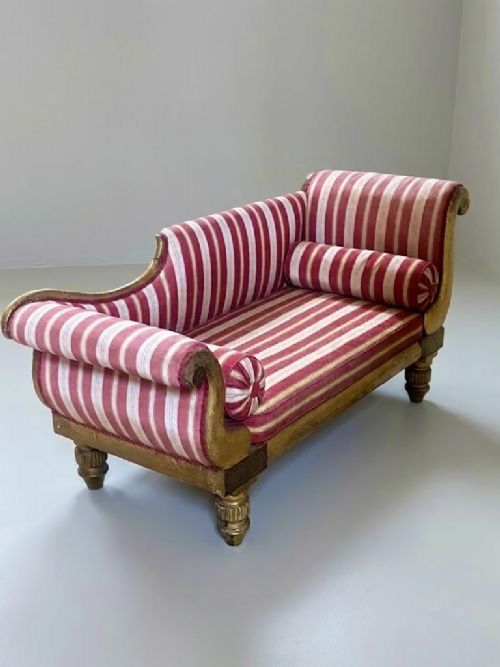
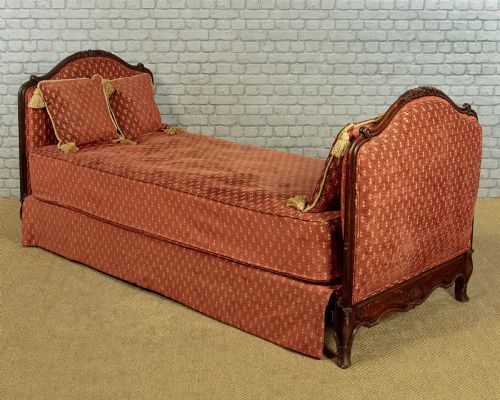
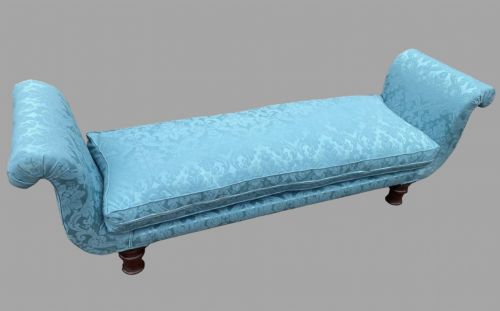
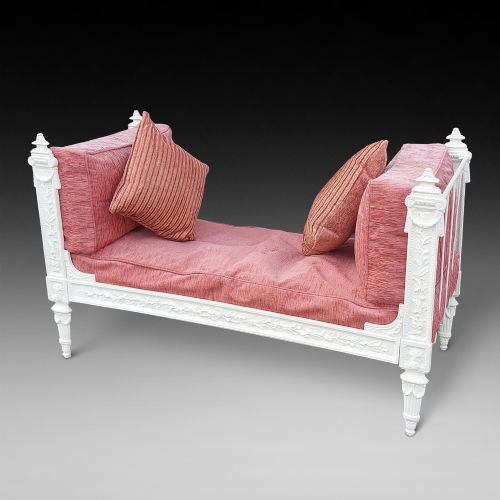
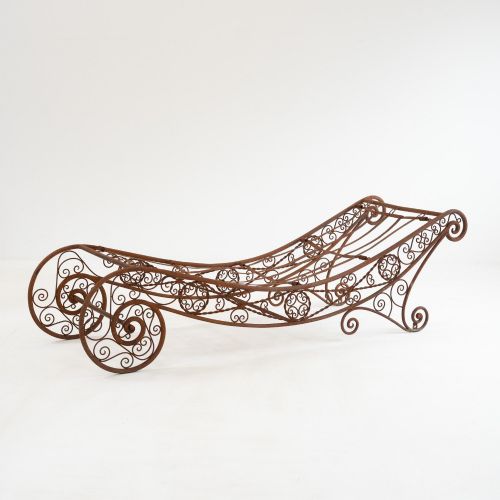
When you search for an antique french chaise, you encounter daybeds, duchesse brisées, and reclining chairs designed for daytime lounging. These pieces range from nineteenth-century walnut and giltwood frames to later wicker and iron garden variants.
The nineteenth century dominates the available selections, bringing Louis styles and Victorian interpretations into domestic spaces. Forms vary from single-ended settees to multi-piece daybeds intended for reception salons.
Materials and Construction
Carpenters utilised hardwoods including mahogany, walnut, and ebonised timber to build structural frames, often applying giltwood or original paint finishes. Metal elements appear in cast iron and wrought iron daybeds, alongside brass details.
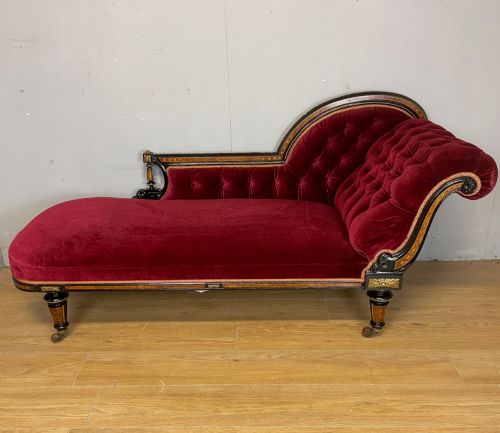
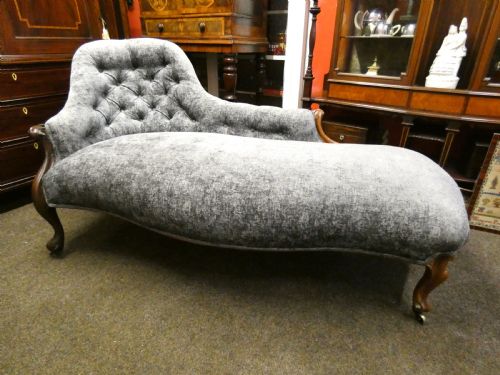
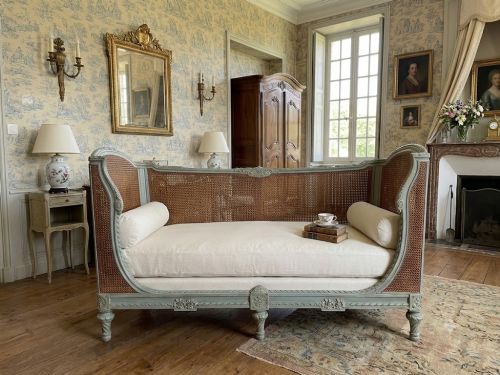
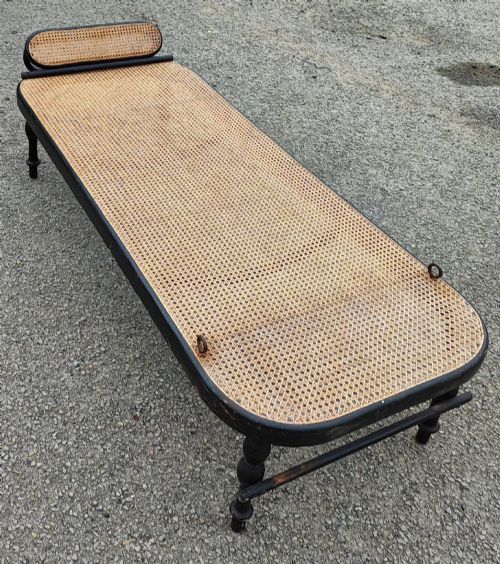
Upholstery defines the seating surface, utilising velvet, silk, leather, fabric, and cane panels. Buttoning and carved ormolu ornamentation complete the decorative vocabulary of these reclining seats.
Object types span traditional chaise longues, duchesse brisées, daybeds, and garden loungers alongside miniature models.
Craftsmanship and Proportion
Quality rests in the sculptural integrity of the carved woodwork and the crispness of applied ormolu or paint layers. Superior examples maintain balanced proportions across extended lengths, whether executed in carved walnut or giltwood.
The execution of cane panels and the retention of original surface treatments distinguish finer workshop production from simpler domestic utility pieces.
The Antique French Chaise Glossary
- Chaise longue
- A long reclining chair or daybed designed for one person to stretch out. The form combines a chair back with an extended seat.
- Duchesse brisée
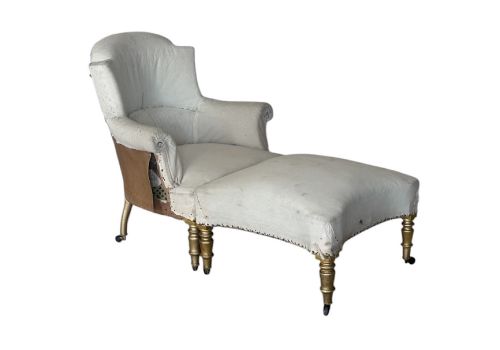
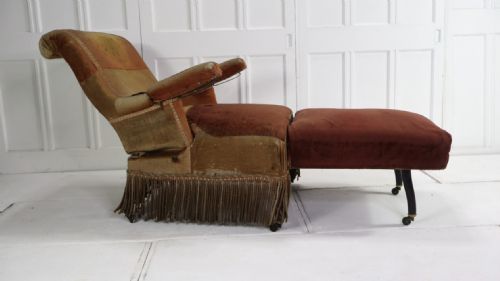
- A multi-part daybed consisting of a chair combined with one or two footstools, or a partitioned chaise longue. This modular arrangement allows for flexible lounging.
- Canapé corbeille
- A curved-back sofa or daybed enclosing the sitter. The rounded shape offers an enveloping profile.
- Ormolu
- Gilt bronze ornamentation applied to furniture frames. This decorative metalwork highlights structural corners and crestings.
- Ebonised
- Wood finished to resemble ebony through dark staining or painting. This treatment provides a formal contrast to inlaid panels.
Antique French Chaise: Frequently Asked Questions
What is a duchesse brisee?
A duchesse brisée is a multi-part daybed comprising an armchair with a matching footstool, or a chaise longue split into sections. This design provides an adjustable reclining surface for sitting or lying.
Craftsmen built these pieces to match the proportions of formal reception rooms, allowing occupants to rest during the day without retiring to a bed chamber.
How do I use a chaise in a modern room?
An antique french chaise functions well as a statement seating piece in a living room, bedroom, or dressing area. Its elongated silhouette allows for comfortable reading or resting.
Placement benefits from positioning the piece where the carved back or upholstered side remains visible, as these forms are sculptural from multiple angles.
Are these daybeds meant for sleeping?
These daybeds serve primarily for daytime reclining, lounging, and daytime rest rather than overnight sleeping. The raised headboards and partial backs support a seated or semi-recumbent posture.
Historical examples accommodated afternoon leisure in salons and boudoirs rather than primary night accommodation.
How do I identify the period of a chaise?
Period identification relies on wood types, carved ornament styles, and upholstery techniques. Nineteenth-century examples often display Victorian walnut or Louis-revival carved giltwood.
Later pieces from the early twentieth century introduce simpler iron or rattan construction while maintaining traditional French silhouettes.