



Antique French Ceramic Pitcher
An antique french ceramic pitcher brings centuries of Continental craftsmanship into your home, offering both utilitarian history and decorative presence.
Antique French Ceramic Pitcher
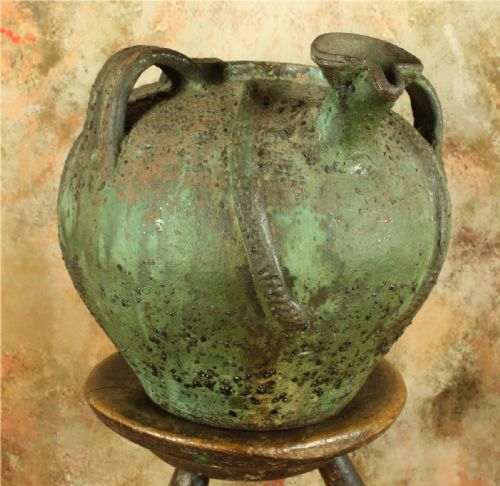
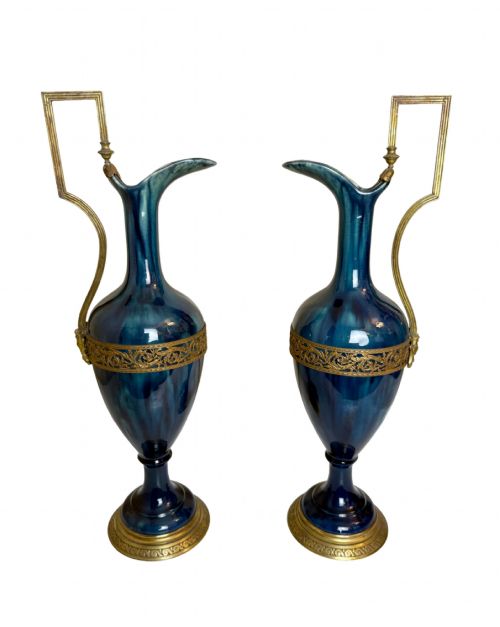
An antique french ceramic pitcher encompasses vessels shaped for pouring liquids, spanning utilitarian olive and oil pots from the eighteenth century alongside decorative ewers from the nineteenth century. These pieces serve primarily as jugs, ewers, and cruet sets, emerging from various French regional potteries and urban factories.
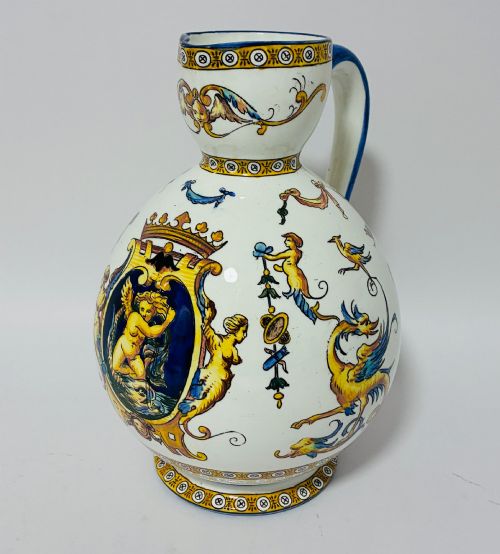
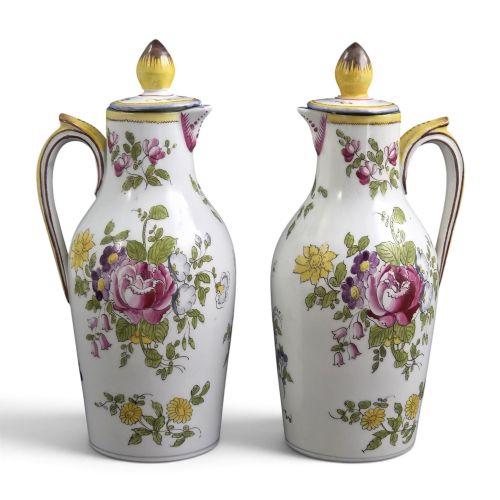
The versions most frequently encountered on this page date from the nineteenth century, including Victorian-era examples and items bearing tin-glazed polychrome decoration. Alongside these, buyers find earlier eighteenth-century earthenware and faience vessels, as well as porcelain creations reflecting regional traditions.
Makers and regional workshops such as Gien, Veuve Perrin Marseille, Choisy-le-Roi, and Sarreguemines represent the origins of these pitchers. Collectors also encounter Old Paris porcelain services and hand-painted jug-vases that demonstrate the breadth of French ceramic output over successive periods.
How they were made
Potters shaped these vessels using earthenware, porcelain, and hard-paste porcelain, applying tin glazes to create smooth surfaces ready for polychrome painting. Workshops utilised traditional throwing and moulding techniques to form the bodies of pitchers, ewers, and jugs before firing.
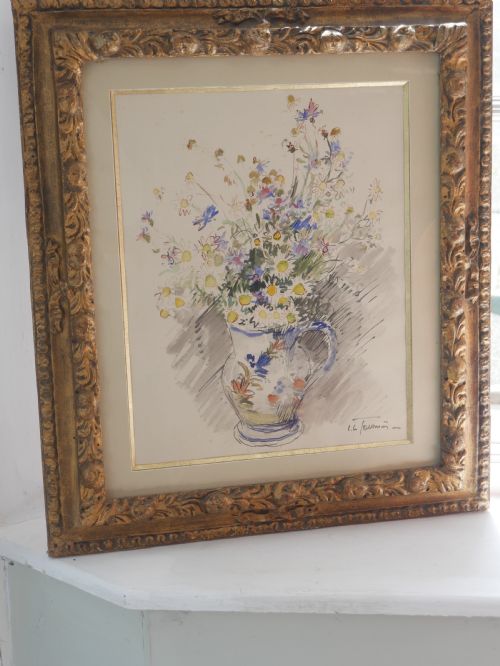
Surface ornamentation involved hand-painted floral motifs and decorative glazing, occasionally complemented by gilt bronze trim or applied gilding. Enamel work and delicate miniature detailing appear on refined porcelain items, while utilitarian oil jugs relied on sturdy earthenware bodies.
Antique French Ceramic Pitcher Retail Price Guide 2026
Typical asking prices for french ceramic pitcher among the pieces listed under this phrase on Sellingantiques today, from the lower quarter to the upper quarter. They describe what is for sale here now, not the wider market.
Listings span earthenware, porcelain, and tin-glazed faience, covering periods from the eighteenth century through the Victorian era and into the twentieth century.
What varies in quality
The refinement of the painted decoration separates standard utilitarian ware from superior decorative pieces, with intricate hand-painted floral subjects commanding attention. The precision of the glaze application and the crispness of moulded details further distinguish workshop outputs.
Material composition plays a significant role, as hard-paste porcelain and tin-glazed faience from established names like Veuve Perrin Marseille or Gien exhibit higher degrees of artistic ambition than unmarked regional equivalents. The presence of supplementary elements, such as gilt bronze mounts, elevates the overall execution of the vessel.
Gien·Veuve Perrin Marseille·Choisy-le-Roi·Sarreguemines
The Antique French Ceramic Pitcher Glossary
- Faience
- Tin-glazed earthenware produced in France and other European countries, known for its opaque white surface and colourful painted decoration. This technique allowed potteries to imitate prized Asian porcelain.
- Ewer
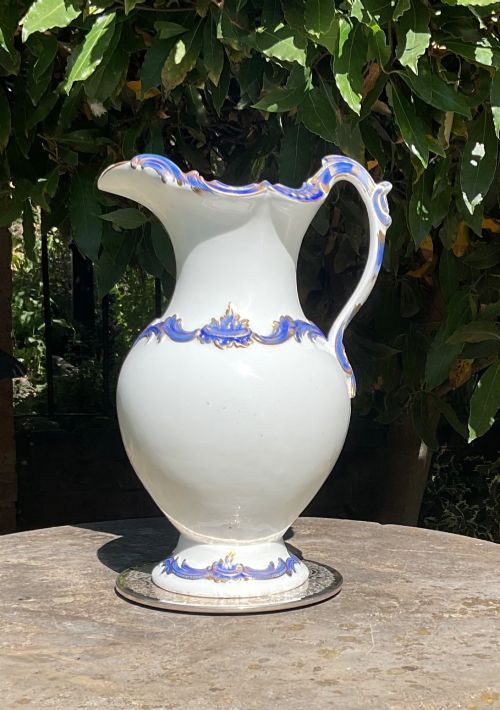
- A large jug with a wide spout and a curved handle, traditionally used for holding water or wine at the table. Many nineteenth-century examples functioned purely as decorative ornaments.
- Hard-paste porcelain
- A durable ceramic material fired at very high temperatures, composed of kaolin and petuntse. It forms a dense, vitrified body that resists scratching.
- Tin glaze
- An opaque white glaze containing tin oxide, applied to earthenware to provide a smooth ground for painted designs. It is characteristic of traditional faience production.
- Polychrome
- Decorated in multiple colours, often applied by hand across the surface of the ceramic before the final firing. This style brings vibrancy to nineteenth-century jugs and plates.
Antique French Ceramic Pitcher: Frequently Asked Questions
How do I date an old French pitcher?
Dating relies on stylistic clues, manufacturing materials, and any discernible factory marks or regional traits. Eighteenth-century pieces often take the form of tin-glazed faience oil pots or cruet sets, whereas nineteenth-century items frequently display Victorian influences or hard-paste porcelain.
Examining the base and the glaze composition helps clarify the production era. Comparing the piece against documented examples from makers like Gien or Veuve Perrin Marseille provides further chronological certainty.
Were these pitchers meant for daily use?
Many early pieces, such as walnut oil pots and olive jugs, served practical functions in French country kitchens. They were built to store and pour liquids reliably.
Over the course of the nineteenth century, production shifted toward decorative ewers and hand-painted jug-vases intended for display. These later items prioritised visual appeal over utilitarian service.
How should I display a ceramic pitcher?
Placing a pitcher on a sideboard or open shelf allows its form and painted surface to catch the light. Taller decorative ewers work well as standalone focal points in a room.
Ensure the vessel sits on a stable, flat surface away from high-traffic edges. For antique earthenware and faience, keeping them out of direct, prolonged sunlight preserves the painted details.