


Antique Framed War Picture
An antique framed war picture brings the gravity of past conflicts into a room through watercolours, prints and embroideries.
Antique Framed War Picture
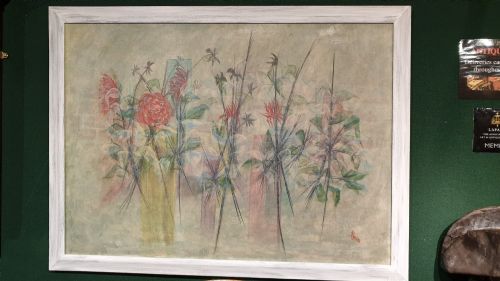
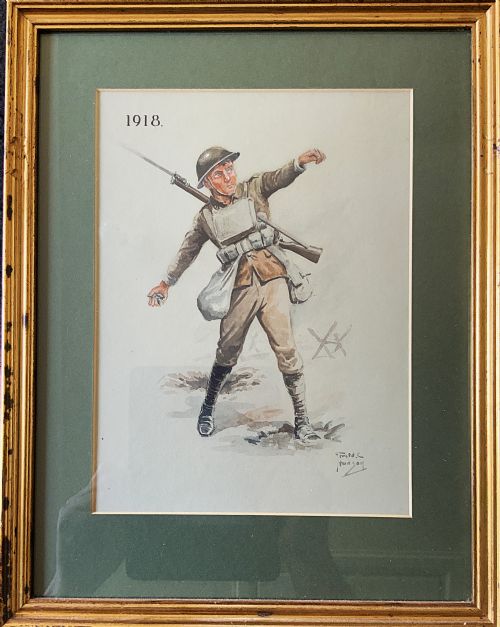
When you search for an antique framed war picture, you encounter a specialised selection of military watercolours, reverse glass prints, and commemorative embroideries. These pieces span the nineteenth century through the mid-twentieth century, capturing portraits of soldiers, naval scenes, and battlefield sketches.
The most common versions on this page originate from the First World War and the nineteenth century, including watercolour paintings and lithographs. You also find French Empire and Regency pieces depicting historical military figures like Napoleon and Archduke Charles.
Works range from intimate trench art drawings on paper to large framed commemorative needlework and silk embroideries. Each piece preserves a distinct visual record of military history, framed behind glass in period wood or gilt surrounds.
Materials and construction
These works rely on traditional media including watercolour, pigment, ink, and charcoal applied to paper, alongside silk and fabric thread in needlework pieces. Lithographs and reverse glass prints utilise specialised mechanical and manual printing techniques developed across the nineteenth and early twentieth centuries.
Framing typically involves wood and gilt wood mouldings designed to protect fragile works on paper and fabric under glass. Materials such as silver and enamel appear in specialised commemorative frames housing wartime subjects.
Listings feature works executed in watercolour, charcoal, silk, and ink, housed behind glass in wood and gilt frames.
Distinguishing quality in military works
Quality rests on the precision of the draughtsmanship and the historical immediacy of the subject matter, distinguishing hastily produced commercial prints from original, firsthand watercolours and drawings. Contemporary inscriptions, identified sitters, and documented battle locations elevate the historical weight of a piece.
The preservation of the original paper, pigment, and textile components without severe fading or moisture damage determines the visual integrity of the artwork. Original period framing that complements the age and origin of the picture also adds to the overall cohesion of the object.
George Cattermole·Sir Muirhead Bone·John Gilroy·Samuel Owen·Leopold Halvoet
The Antique Framed War Picture Glossary
- Watercolour
- A painting method where fine pigment is suspended in a water-based solution on paper. This medium allows for subtle washes and swift, expressive recording of military scenes in the field.
- Reverse glass print
- An image applied or painted directly onto the back of a glass panel so that the finished picture is viewed through the front. This technique gives the colours a luminous depth characteristic of earlier decorative arts.
- Lithograph
- A planographic print method using a stone or metal plate that repels ink where water is applied. It enabled the mass production of detailed artistic prints and illustrations during the nineteenth and twentieth centuries.
- Trench art
- Decorative or utilitarian objects made by soldiers, prisoners of war, or civilians from war scrap and materials. These pieces carry direct personal association with active conflict zones.
- Gilt wood
- Timber frames finished with a thin layer of gold leaf or metallic powder. They provide a traditional ornamental border for formal portraits and historical military paintings.
Antique Framed War Picture: Frequently Asked Questions
What periods do these war pictures cover?
The selection spans from the Regency and nineteenth century through the First World War and into the mid-twentieth century. You encounter pieces reflecting Napoleonic conflicts, maritime engagements, and twentieth-century service.
Most items date from the early 1900s to the First World War era, capturing contemporary military portraits and battlefield observations.
How should I care for framed watercolours?
Works on paper, silk, and watercolour require careful placement away from direct sunlight to prevent the fading of delicate pigments. Maintaining stable indoor humidity prevents warping of the paper and protects the antique wooden frames.
Ensure the glass remains sealed to keep dust and atmospheric pollutants away from the historical surface of the artwork.
Are these pieces original period items?
The listings comprise authentic period items ranging from nineteenth-century military watercolours to original First World War trench art drawings and lithographs. Materials, framing techniques, and historical subjects correspond to their stated eras.
Descriptions detail specific mediums like pigment, silk, and charcoal to confirm the period manufacture of each artwork.
What is a reverse glass print?
A reverse glass print is an artwork where the image is painted or transferred directly onto the reverse side of a glass sheet. When viewed from the front, the glass acts as a protective glaze and imparts a distinct gloss to the pigment.
This historic technique appears frequently in Regency and nineteenth-century military subjects.