
Antique Framed Wall Mirror
An antique framed wall mirror brings depth and reflected light to a room, drawing the eye with the character of older glass and traditional craftsmanship.
Antique Framed Wall Mirror
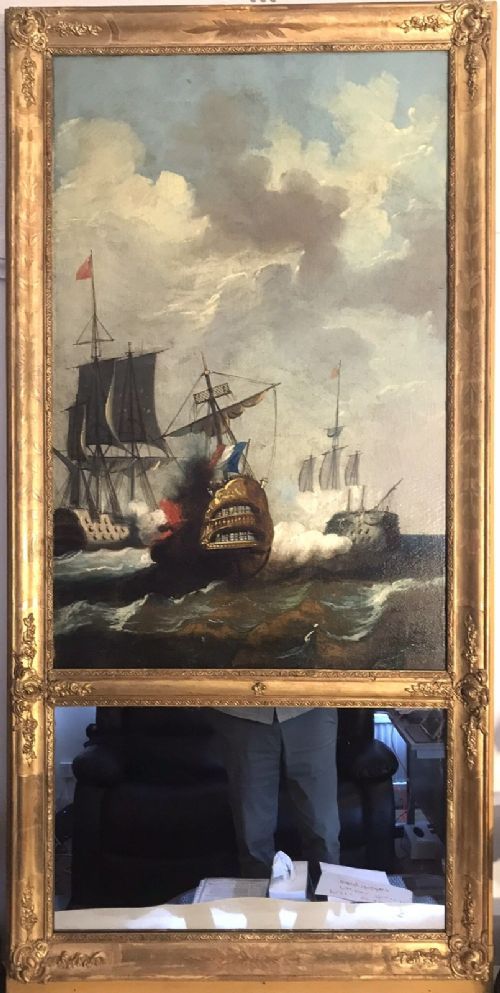
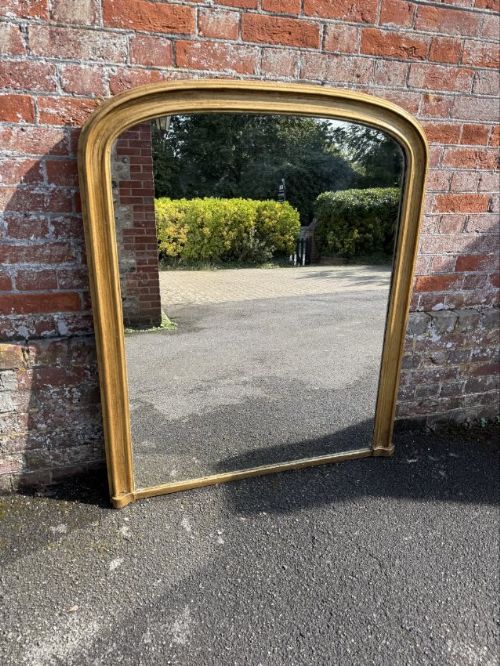
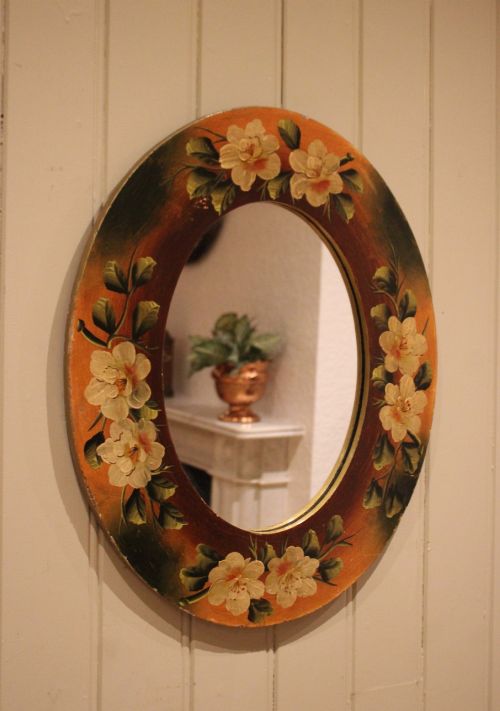
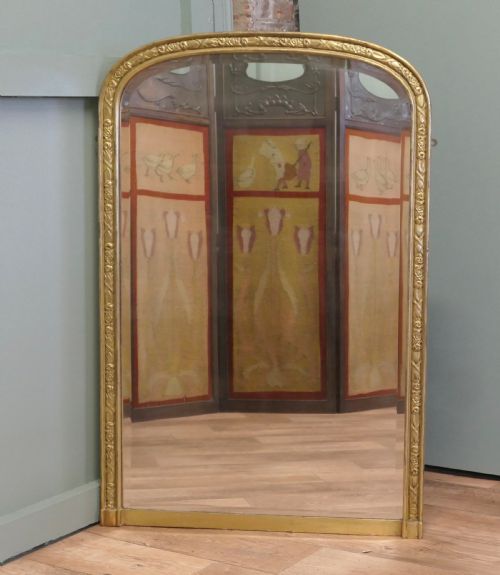
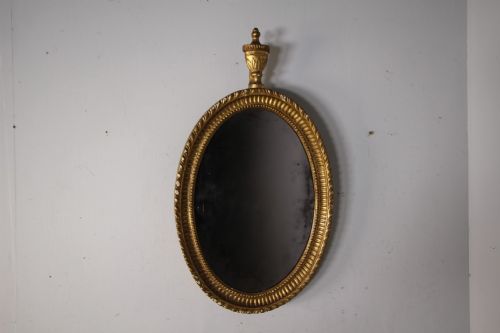
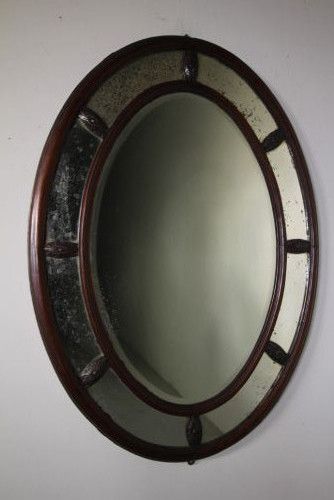
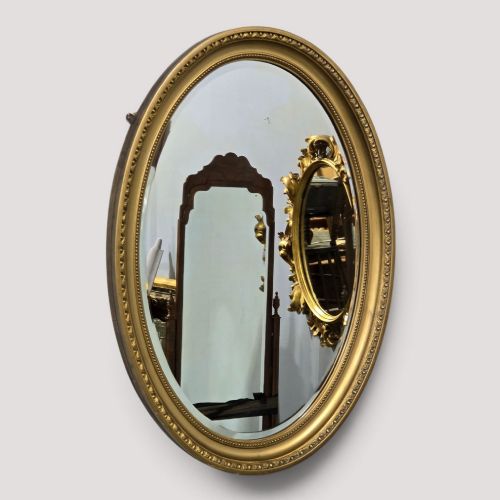
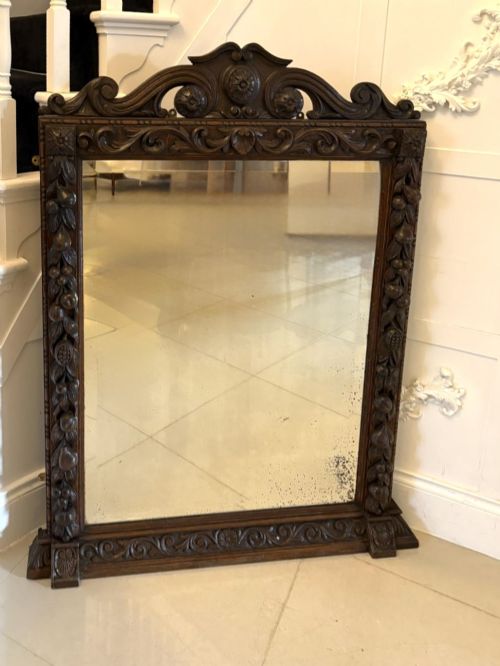
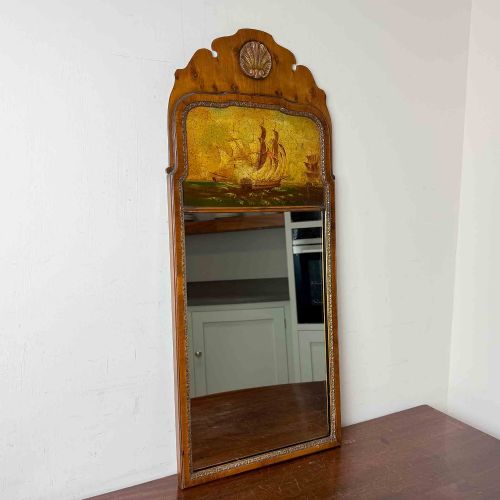
An antique framed wall mirror spans centuries of domestic design, featuring shapes from simple rectangles to elaborate arched overmantels and curved ovals. When searching for an antique framed wall mirror, buyers frequently encounter substantial 19th-century giltwood pieces alongside earlier walnut and oak examples.
The selection ranges from grand overmantel mirrors designed to hang above a fireplace to smaller pier glasses and decorative wall-hanging items. Originating from English country houses, French salons, and Italian workshops, these pieces reflect the aesthetic preferences of periods including the Regency, Victorian, and Edwardian eras.
Makers and craftsmen utilised diverse framing traditions, incorporating carved timber, gesso, and painted finishes to suit both formal reception rooms and intimate dressing spaces.
How they were made
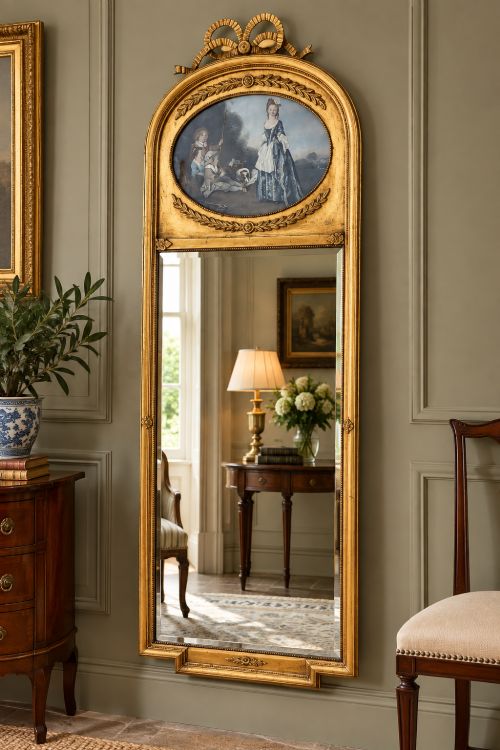
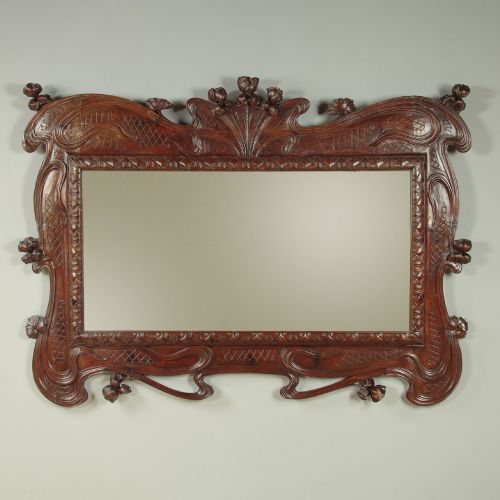
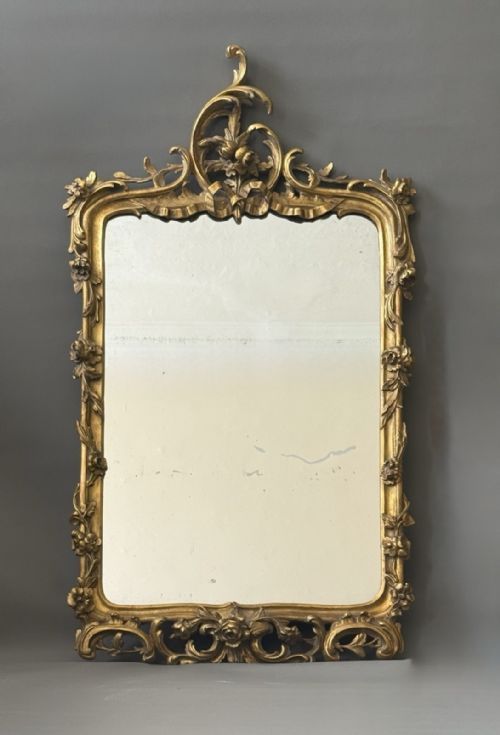
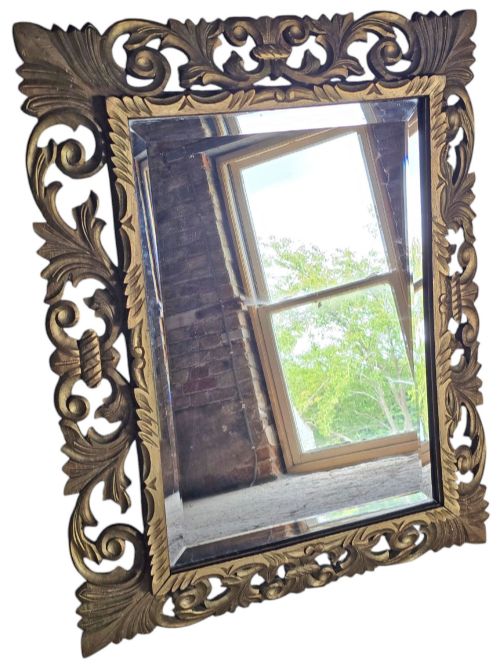
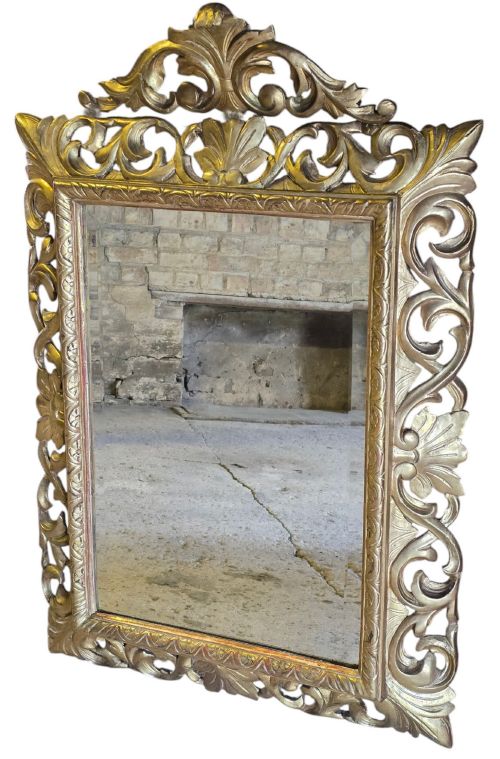
Makers constructed the frames of these mirrors using native and imported timbers such as oak, mahogany, walnut, and maple, often applying layers of gesso to build up intricate surface ornamentation before gilding with gold leaf. Carved wood details range from geometric fretwork to elaborate floral crests and classical motifs.
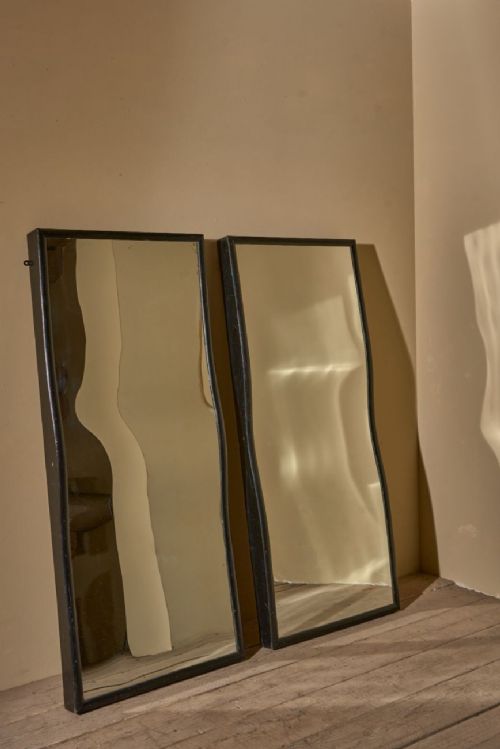
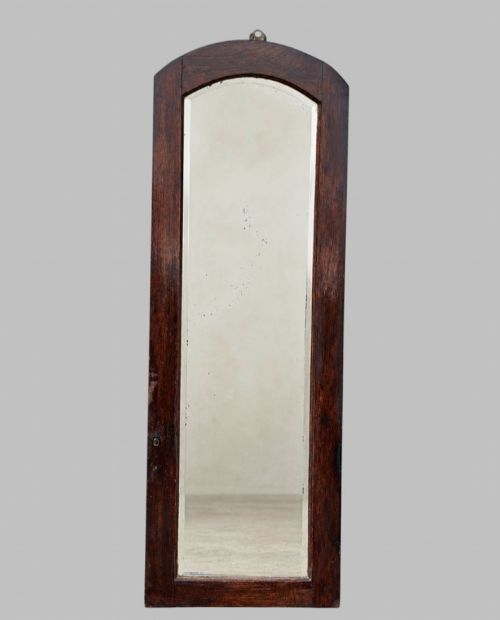
The glass plates themselves tell a story of technological change, encompassing early mercury glass alongside later bevelled plates and antique mirror glass that shows characteristic foxing and age spots.
Listings feature oak, mahogany, and walnut frames alongside opulent giltwood and gesso pieces spanning the 18th, 19th, and early 20th centuries.
What varies in quality
The distinction between standard examples and the finest pieces lies in the depth and crispness of the hand-carved ornament on the wooden or gesso frame. Superior pieces retain their original gilding or finish without excessive restoration, and the glass plate displays an integrity that harmonises with the age of the frame.
Proportion and structural weight also define quality, particularly in large overmantel mirrors where the joinery must support heavy glass plates securely within the decorative housing.
Waring & Gillow
The Antique Framed Wall Mirror Glossary
- Giltwood
- Wood that has been coated with gold leaf or a gold-coloured metallic finish. This technique was widely utilised on formal frames from the 18th and 19th centuries.
- Gesso
- A plaster-like mixture applied to wooden frames as a base for moulding and gilding. It allows for sharp, intricate relief work.
- Overmantel mirror
- A large mirror specifically designed to be positioned on the wall directly above a fireplace mantelpiece. These often feature arched tops to follow the architectural lines of the hearth.
- Pier glass
- A tall, narrow mirror traditionally hung on the pier or wall space between two windows. They often incorporated small console tables or candle arms beneath.
- Mercury glass
- An early type of mirror glass made by pouring a mercury and tin amalgam behind the glass plate. It produces a soft, mottled reflection with characteristic dark spots.
Antique Framed Wall Mirror: Frequently Asked Questions
Where should I hang an overmantel mirror?
An overmantel mirror is traditionally mounted centrally on the chimney breast directly above the fireplace mantelpiece. This placement allows the glass to reflect light from windows across the room.
Ensure the wall fixings are robust enough to support the substantial weight of the wooden frame and glass plate safely.
How do I clean an antique mirror plate?
Clean the glass gently using a soft, dry microfibre cloth to remove dust without damaging the surface. Avoid using harsh chemical sprays that might seep behind the antique plate and degrade the original backing.
Take particular care around the edges where the mirror plate meets the wooden or gesso frame.
What is foxing on antique glass?
Foxing refers to the small brown spots, speckles, and cloudy patches that develop on older mirror plates over time. This occurs when moisture interacts with the reflective backing behind the glass.
Many collectors value this natural ageing process as proof of authenticity and historical character.
Can I hang a heavy wooden mirror on a partition wall?
Hanging a heavy framed mirror requires securing the fixings directly into wooden studs or using heavy-duty wall anchors appropriate for brick or lath. The structural weight of carved oak and giltwood pieces demands reliable support.
Consult a professional installer if you are uncertain about the load-bearing capacity of your wall.