

Antique Framed Photographs
Antique framed photographs bring domestic interiors of the late nineteenth and early twentieth centuries directly into present rooms through enduring silver mounts and preserved portraits.
Antique Framed Photographs
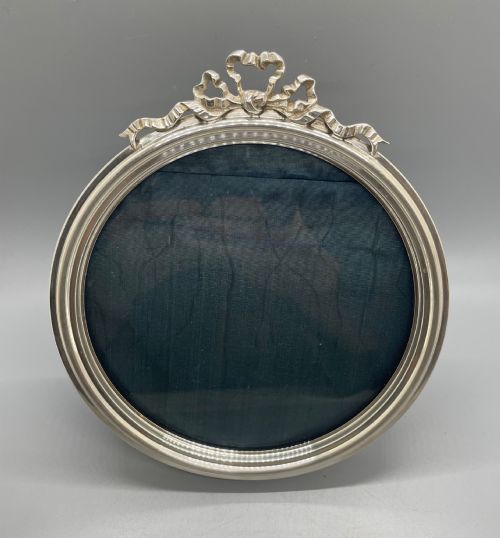
When you search for antique framed photographs, you encounter a specialised selection of domestic display items from the Victorian, Edwardian, and Art Deco eras. These pieces combine period photographic prints or original portrait cards with protective enclosures designed for tabletop or wall placement.
The most common examples on this page are sterling silver photo frames housing historic portraits, sports teams, or artistic studies. They capture a period when family records and personal mementoes were displayed with considerable craftsmanship.
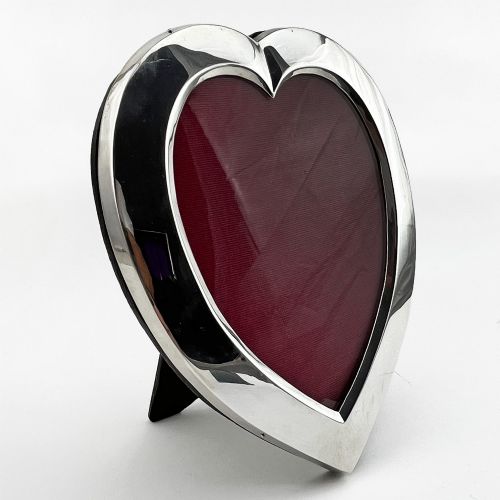
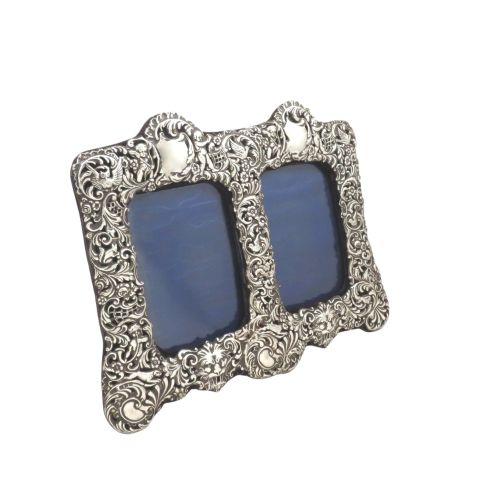
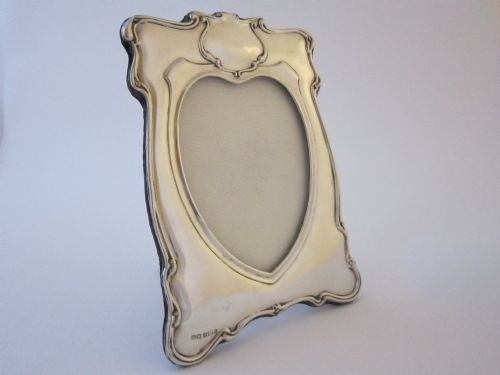
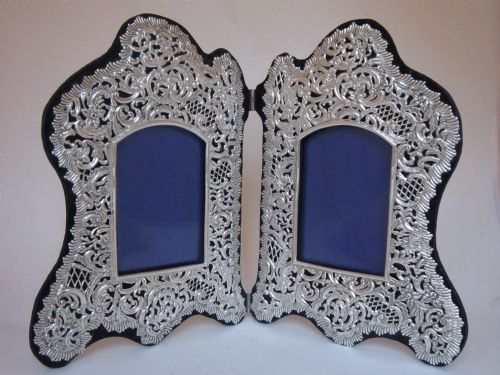
The selection ranges from small heart-shaped trinket frames to large double display pieces intended for prominent placement in period homes. Each item reflects the social habits and aesthetic preferences of the decades spanning from the eighteen-eighties to the nineteen-thirties.
Materials and construction methods
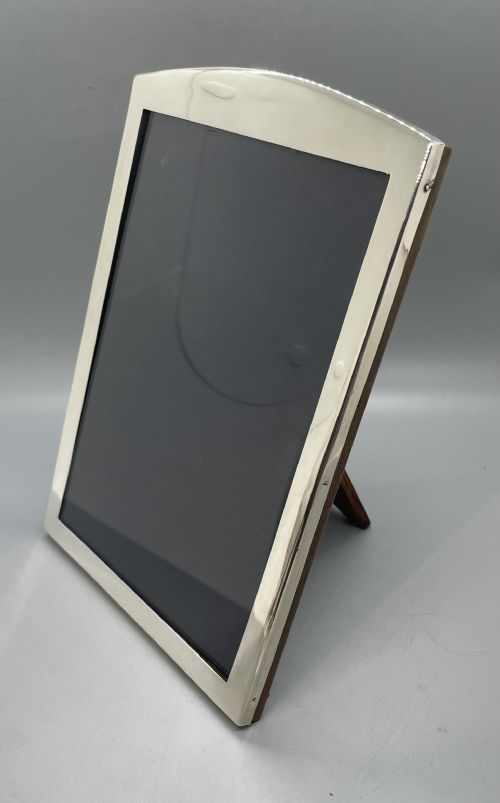
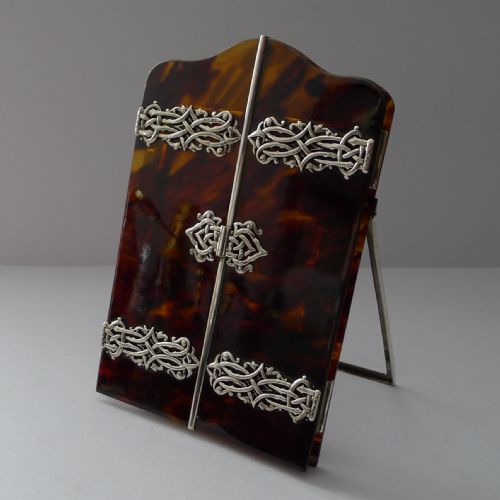
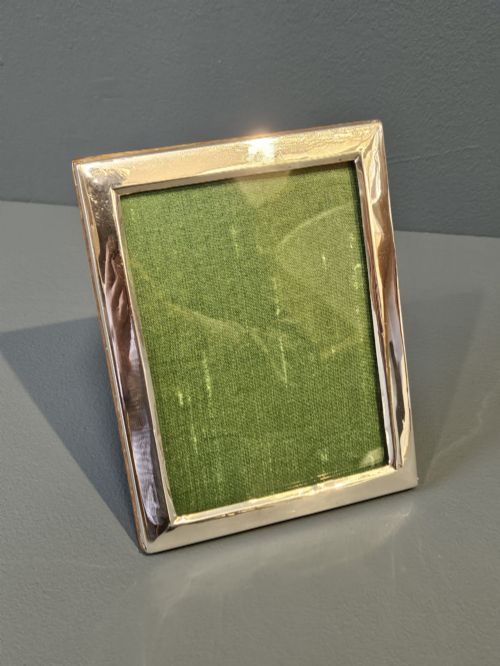
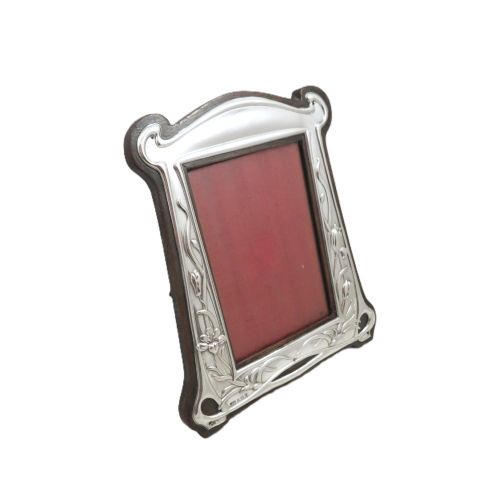
Makers constructed these frames predominantly using sterling silver mounted over wooden carcasses, incorporating glass panels to protect the delicate paper photographs within. Workshops utilised oak, gilt wood, and tortoiseshell alongside supportive velvet backs to finish the reverses of the pieces.
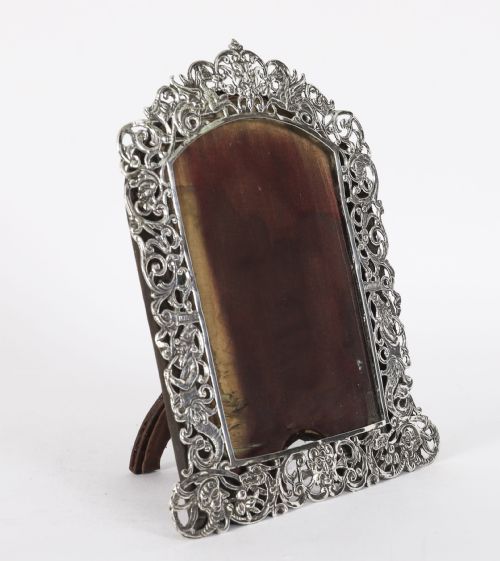
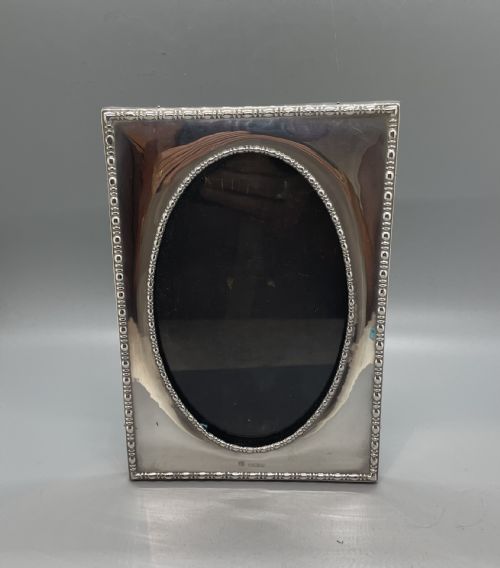
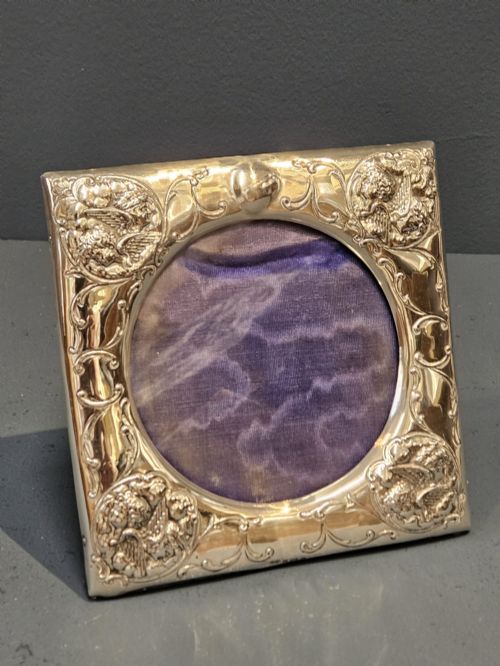
Silversmiths employed techniques such as engine-turning, embossing, and detailed repousse work to decorate the metal borders with motifs including cherubs, owls, birds, and floral designs. Paper prints were produced via photographic contact sheets, hand-tinting, and standard Victorian studio processes before mounting.
Several frames come populated by stern Victorian sports teams and curious Edwardian pets glaring out across the decades.
Distinctions in quality
Quality rests upon the crispness of the silversmith's stamp and the depth of the metal ornamentation surrounding the aperture. Pieces bearing distinct hallmarks from known makers demonstrate superior gauge metal and sturdier structural backing compared to unmarked alternatives.
The sophistication of the decorative motifs, from plain engine-turned panels to complex cast cherubs and birds, separates standard production items from workshop outputs of higher artistic ambition.
Rosenthal, Jacob and Co·William Comyns·Mappin Bros·Henry Matthews·Walker and Hall·Syner and Beddoes
The Antique Framed Photographs Glossary
- Sterling silver
- A silver alloy containing 92.5 percent pure silver by mass, widely utilised by period silversmiths for frame mounts.
- Hallmark
- An official stamp applied to precious metals indicating the assay office, standard of purity, and year of manufacture.
- Engine-turned
- A decorative technique involving precise geometric patterns engraved mechanically into the surface of the silver frame.
- Carte de visite
- A small type of photograph popular in the nineteenth century, often mounted on card and displayed in specialised table boxes.
- Repousse
- A metalworking method where the artisan pushes the design out from the reverse side to create raised relief ornamentation on the front.
Antique Framed Photographs: Frequently Asked Questions
How do I date an antique silver frame?
Examine the stamped hallmarks on the silver border for specific letters and symbols that correspond to assay office date tables. These marks provide the exact year the metal component was tested and certified.
Associated paper photographs can offer a secondary indication of age through clothing styles, photographic techniques, and studio imprints.
Can I replace the photograph inside?
Most frames feature a removable wooden or velvet-backed panel secured by small pins or latches, allowing access to the interior. Opening the back permits the safe removal or replacement of the historic photograph.
Take care when handling fragile nineteenth-century paper prints to avoid transferring oils or causing tears to the edges.
How should I clean a silver frame?
Apply a mild, non-abrasive silver polish with a soft cloth to remove tarnish from the metal borders. Avoid getting cleaning agents onto the glass surface or the backing material.
Preserve the integrity of any engraved details by rubbing gently along the grain rather than scrubbing vigorously across the embossed motifs.
What styles dominate these listings?
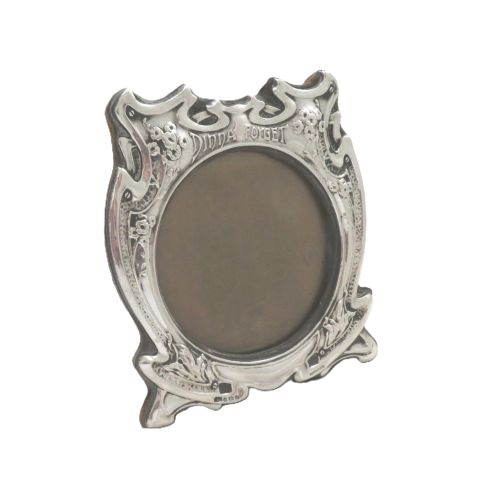
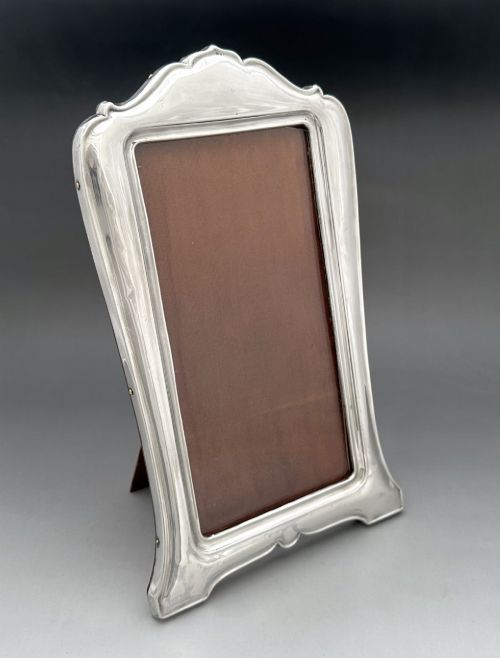
Victorian and Edwardian designs predominate, featuring floral embossing, cherubs, and animal motifs executed in heavy sterling silver. Art Deco examples appear in smaller numbers with geometric engine-turned surfaces characteristic of the nineteen-twenties.
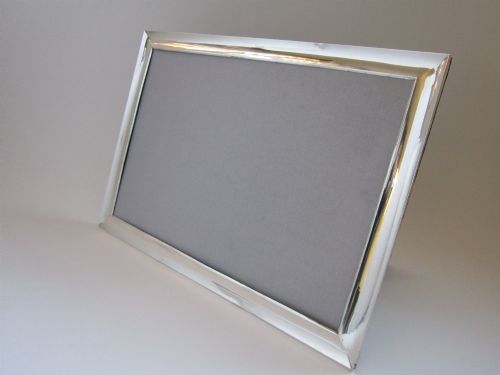
Late nineteenth-century pieces often favor ornate, romantic embellishments while later items lean toward cleaner, architectural lines.