


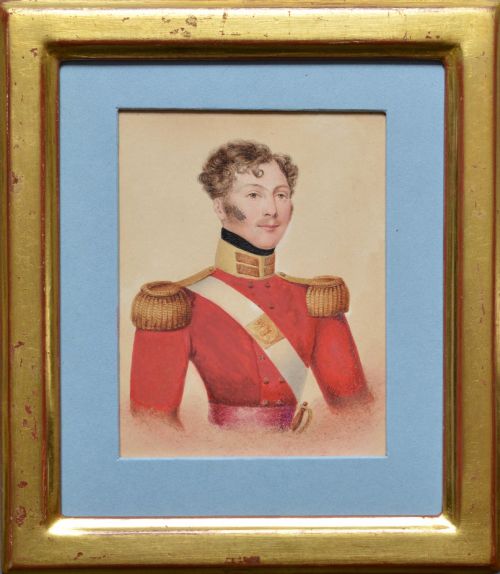
Antique Framed Miniature
An antique framed miniature captures likenesses and scenes in miniature scale, offering intimate windows into past centuries through portraiture, silhouette and delicate painting.
Antique Framed Miniature
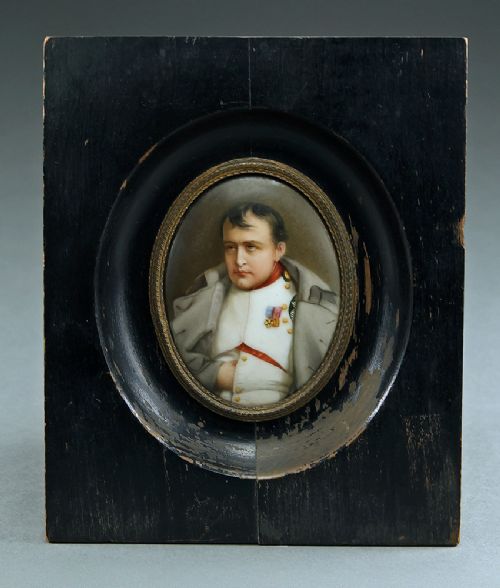
When you search for an antique framed miniature, you encounter small-scale artworks executed across the eighteenth, nineteenth, and early twentieth centuries. These pieces appear within surrounds of wood, brass, gilt metal, or gold leaf, often designed to hang on a wall or sit upon a surface.
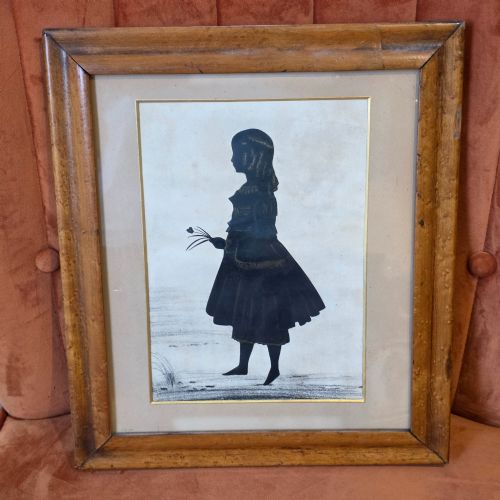
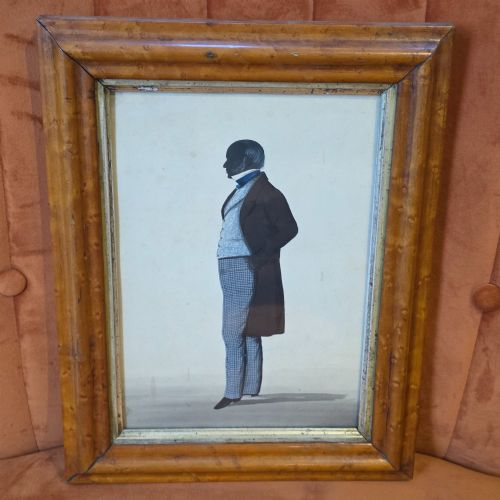
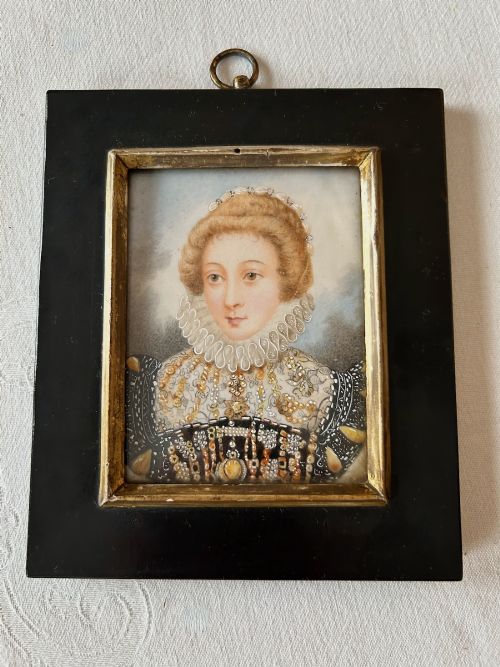
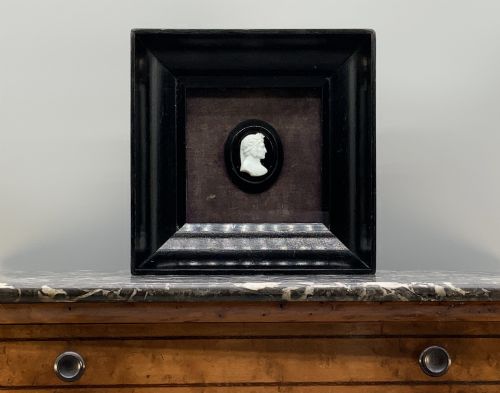
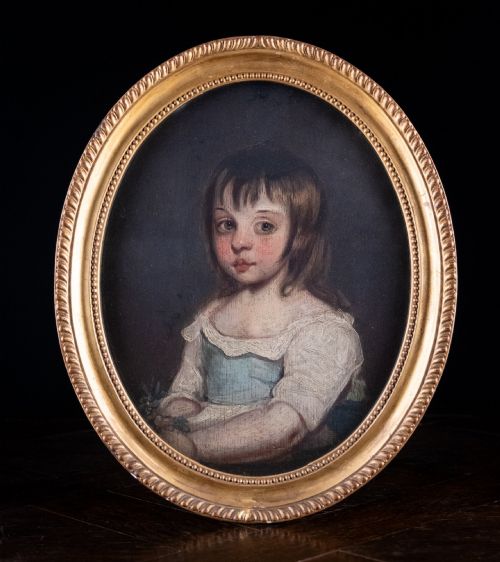
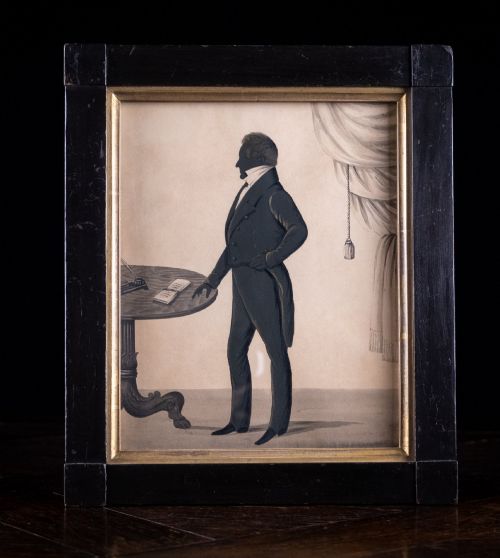
The most common examples on this page are portrait miniatures and cut-paper silhouettes, alongside painted scenes on ivory panel, paper, or silk. Subjects range from Georgian and Regency gentlemen to Victorian religious figures and classical subjects from the Grand Tour.
Materials and construction
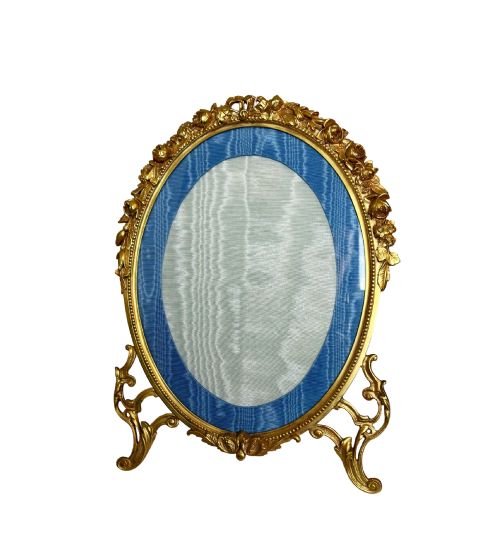
Frames play an integral structural role, utilising carved wood, brass travelling mounts, and gilt bronze. Many incorporate glass protection and gold leaf accents to elevate the visual impact of the small artwork contained within.
Listings feature works from the eighteenth and nineteenth centuries, including Georgian and Regency silhouettes, wax reliefs, and watercolour portraits.
Distinguishing quality
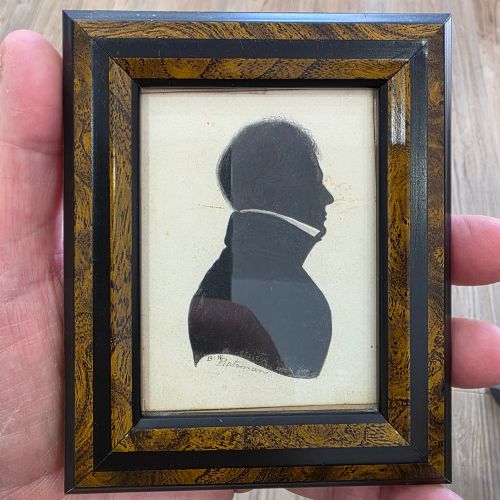
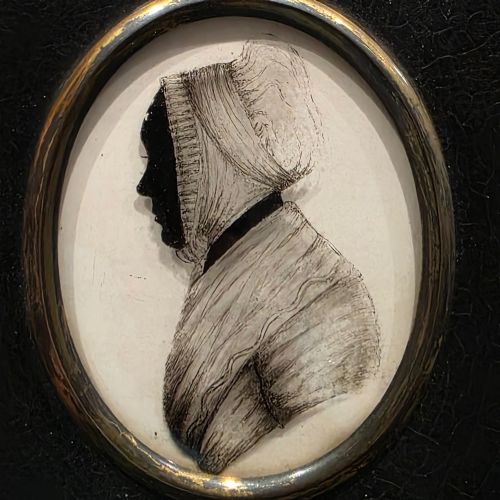
Quality rests in the precision of the hand-cut silhouette lines or the brushwork fidelity in painted portraits. Finer works display exact facial proportions, subtle shading, and confident linework that brings the subject to life.
The craftsmanship of the surrounding mount or frame also distinguishes superior examples, where cast brass, gilded detail, and original glass housings complement the miniature without overpowering the central artwork.
William James Hubard·Henry Bone·James Sharples·Horace Hone·John Miers·Augustin Edouart·Henri Fradelle·Richard Cosway
The Antique Framed Miniature Glossary
- Silhouette
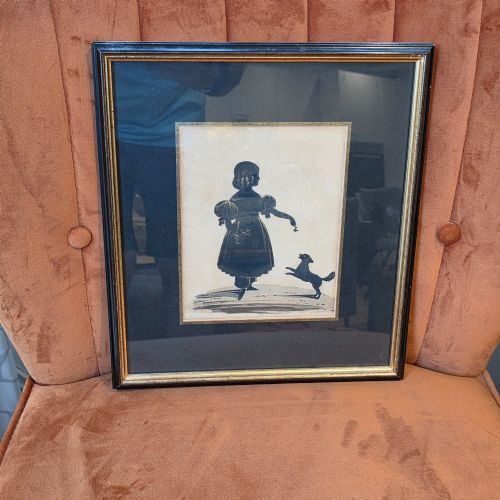
- A portrait profile filled in with a solid dark colour, typically black, cut from paper or painted. These profiles gained popularity during the Georgian and Regency periods.
- Grand Tour
- A cultural journey undertaken by wealthy young Europeans in the eighteenth and nineteenth centuries. Souvenirs from these travels included small carved ivory classical plaques and wax portrait reliefs.
- Reverse painting
- An art form where the image is painted directly onto the back of a glass sheet so that it is viewed through the front. This technique protects the pigment and adds a lustrous depth.
- Almanac
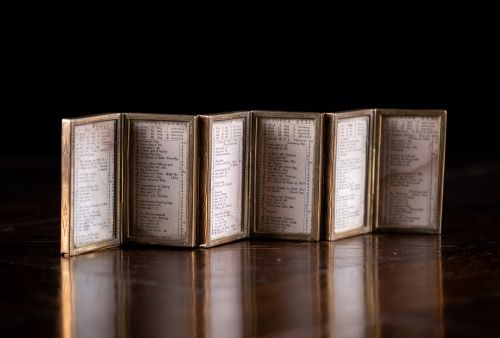
- A yearly calendar and publication containing astronomical data and calendars. Miniature almanacs were produced in compact formats with specialised travel mountings.
- Enamel
- A decorative coating fused to a metal base through firing, used for durable miniature portraits. Henry Bone and other artists utilised this technique for lasting colour.
Antique Framed Miniature: Frequently Asked Questions
How were antique miniatures displayed?
These small artworks were designed primarily to hang on parlour walls or sit upon dressing tables and desks. Many incorporate specialised travelling mounts or pendant loops for personal wear.
Their compact scale allowed owners to carry likenesses of family members or notable figures during journeys.
What subjects appear in these pieces?
Portraits of gentlemen, ladies, and children dominate the selection, capturing distinct historical costumes and hairstyles. Religious icons, classical scenes, and landscapes also feature prominently.
Silhouettes record profiles of notable figures and everyday citizens alike, preserved in cut paper or painted ink.
How do I date a framed miniature?
Dating relies heavily on the costume, wig style, and framing materials characteristic of periods like the Georgian, Regency, or Victorian eras. Signed works or identifiable artist handwritings provide further chronological clues.
Additionally, housing formats such as brass folding mounts or specific gilt bronze frames often correspond to particular decades in the nineteenth century.
Are these works painted on ivory?
Several historical miniatures utilise thin ivory panels as a painting surface because its translucent quality lends a natural glow to flesh tones. Other examples employ paper, silk, or glass supports.
Artists selected these varied substrates depending on the desired luminous effect and the prevailing technique of their school.