



Antique Framed Battle Scene
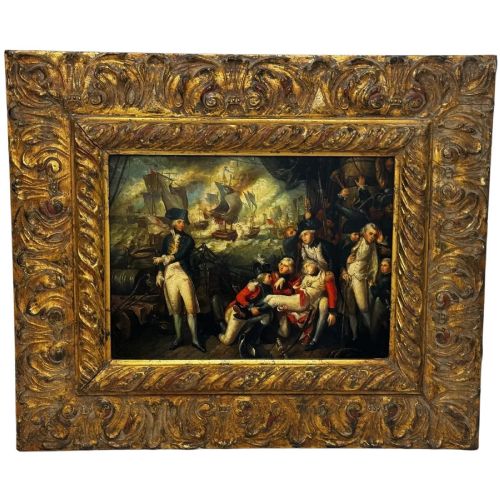
An antique framed battle scene captures a historic clash on canvas, paper or embroidery, offering a dramatic focal point for a period interior.
Antique Framed Battle Scene
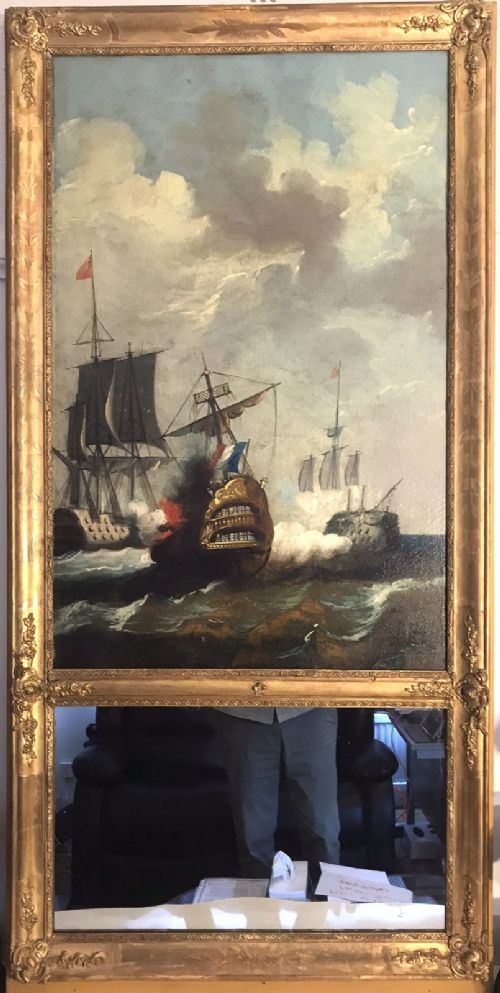
An antique framed battle scene brings historic military engagements into domestic spaces through paintings, prints, drawings and textiles. When searching for an antique framed battle scene, buyers encounter works ranging from 17th-century Dutch master canvases to 19th-century French imperial prints and mid-century oils.
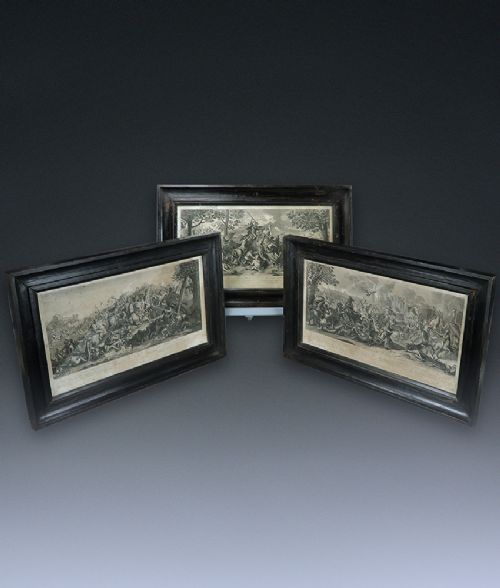
The visual records span diverse formats, including oil paintings on canvas, engraved prints after notable artists, pen and ink drawings and detailed wool embroidery. Many retain their original or period frames in materials such as gilt wood and wood.
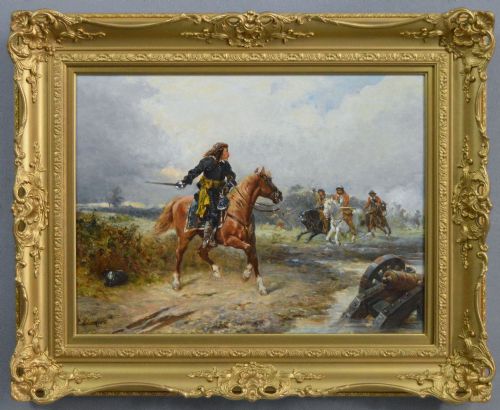
Stylistic approaches vary widely across the centuries, taking in French Baroque, Georgian, French Empire, Italian School and mid-century realism. Subjects encompass classical triumphs, Napoleonic campaigns, cavalry skirmishes and naval engagements.
How they were made
Makers applied oil paint to canvas or ink and pencil to paper, whilst printmakers produced engravings and reproductions of famous historical compositions. Textile works relied on skilled wool embroidery to recreate complex military portraits and historic charges.
Frames were constructed from wood and finished with gilt wood, providing structural support and decorative framing suited to the period taste of the 17th, 18th and 19th centuries.
Antique Framed Battle Scene Retail Price Guide 2026
Typical asking prices for framed battle scene among the pieces listed under this phrase on Sellingantiques today, from the lower quarter to the upper quarter. They describe what is for sale here now, not the wider market.
Even horses in seventeenth-century skirmishes look like they are taking their theatrical acting notes very seriously.
What varies in quality
The calibre of an antique framed battle scene rests on the dexterity of the draftsmanship or brushwork, particularly in the rendering of horses, figures and movement. Works attributed to named artists or direct followers of established schools demonstrate superior anatomical precision and compositional depth.
The integrity and period harmony of the frame contribute significantly to the overall standard of the piece. Original gilt wood surrounds that complement the era of the artwork elevate the presentation compared to later replacements.
Le Brun·Copley·Jean Sobieski·Antonio Tempesta·Francis Russell Flint·Philips Wouwerman·James Hardy
The Antique Framed Battle Scene Glossary
- Engraving
- A printmaking technique where an image is incised onto a metal plate, allowing multiple detailed impressions on paper. These often recorded famous paintings for wider distribution.
- Giltwood
- Wood carved and coated with a thin layer of gold leaf or gold paint. It was extensively utilised for ornate frames during the Baroque and Empire periods.
- Cavalry skirmish
- A specific military subject depicting a small-scale mounted engagement. Artists favoured this theme for dynamic compositions filled with horses and action.
- Oil on canvas
- Pigments bound with an oil medium applied to stretched woven fabric. This was the primary medium for major European paintings from the seventeenth century onwards.
Antique Framed Battle Scene: Frequently Asked Questions
What periods do these battle scenes cover?
The available works span several centuries, starting from the 17th century and moving through the 18th and 19th centuries into mid-century 1940 and 1950 pieces.
Each era brings distinct artistic styles, ranging from Dutch master oils to Napoleonic embroidery and mid-century realism.
Are the frames original to the artwork?
Frames vary between period originals and later replacements that suit the aesthetic of the artwork. Materials commonly include gilt wood and plain wood.
Examining the construction of the frame helps determine its age relative to the painting or print it encloses.
What mediums were used for these scenes?
Artists utilised oil on canvas, paper for prints and drawings, and wool for embroidered textile panels. Each medium requires specific framing to protect the materials from environmental damage.
Engravings and drawings on paper are typically protected behind glass within their wood frames.
How do I choose the right size?
Sizes range from intimate pen and ink drawings to massive sets of prints and large oil paintings. Wall space and ceiling height dictate which scale suits a room best.
Larger cavalry canvases make strong focal points, whilst smaller framed prints suit gallery walls.