

Antique Framed Artwork Children
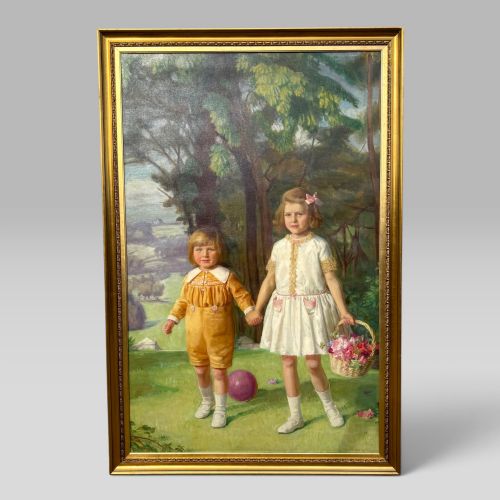
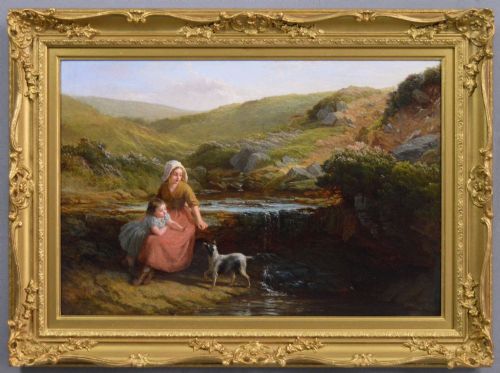
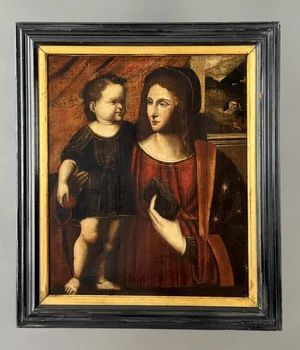
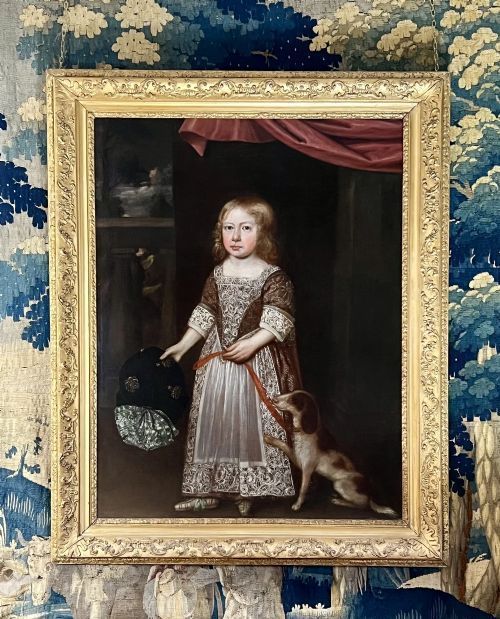
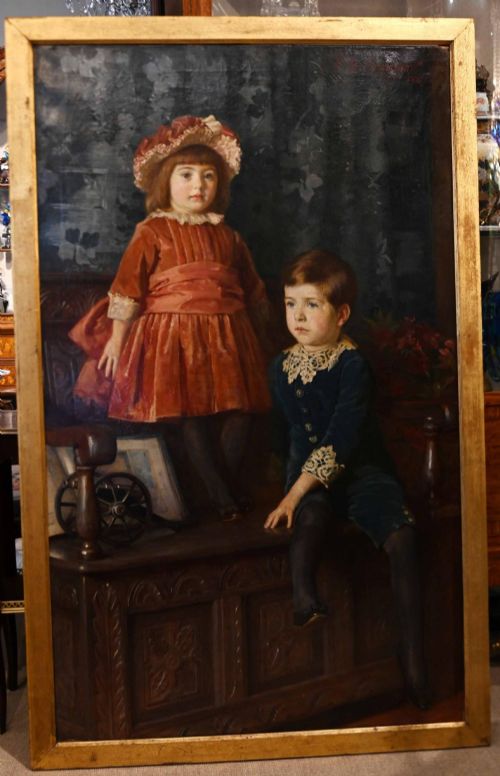
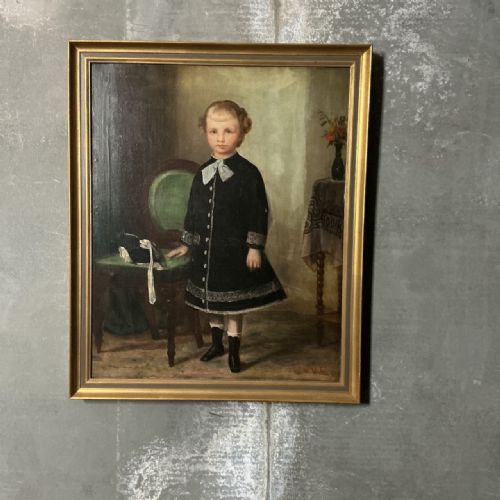
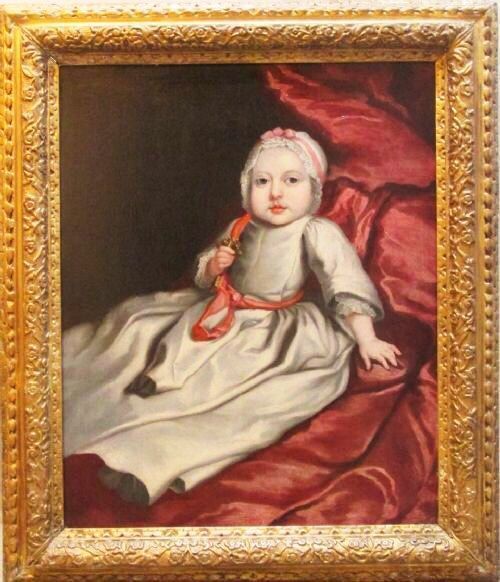
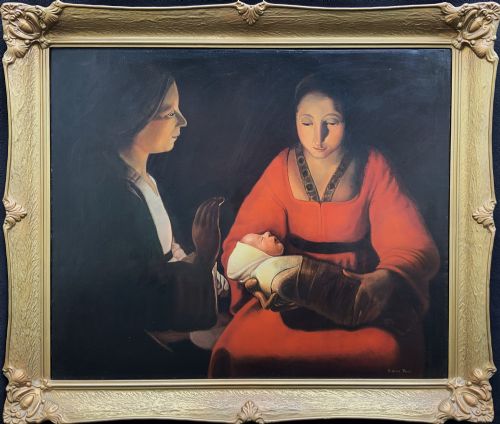
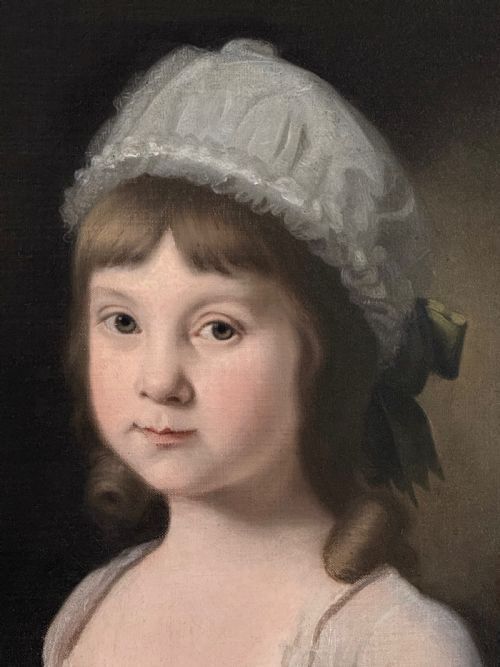
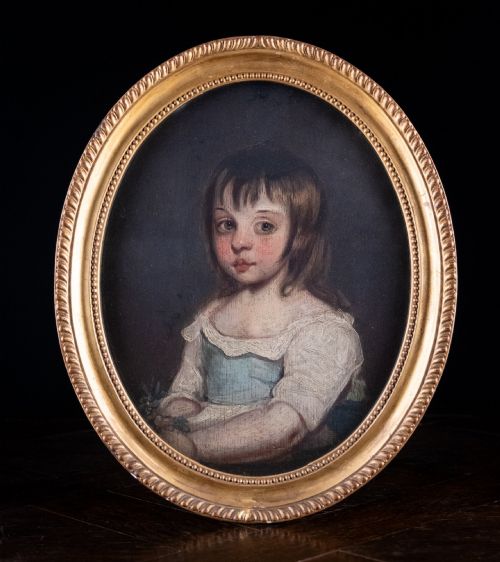
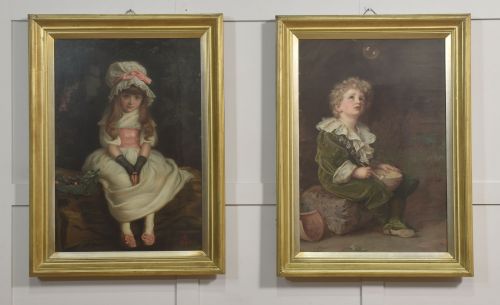
These pieces of antique framed artwork children capture young subjects across centuries of portraiture, silhouette, and print.
Antique Framed Artwork Children
Antique framed artwork children encompasses a diverse range of visual representations, from formal oil paintings and delicate watercolours to printed advertising and silhouettes. Collectors seek these works for their historical depiction of youth, often rendered through formal portraiture or intimate domestic scenes.
The material on this page leans heavily toward portraits executed in oil on canvas, pastel, and graphite, alongside period engravings and lithographic prints. Works span from the sixteenth century through the Victorian era and into the mid-twentieth century, offering various interpretations of childhood across different social strata.
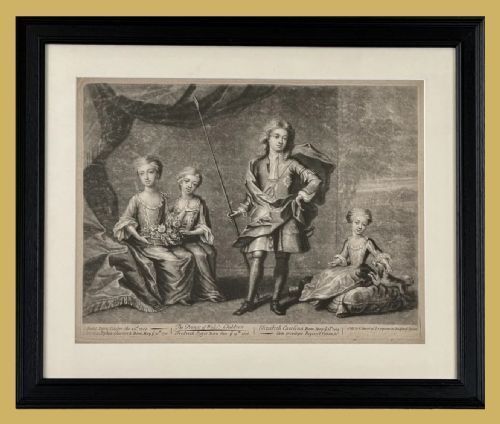
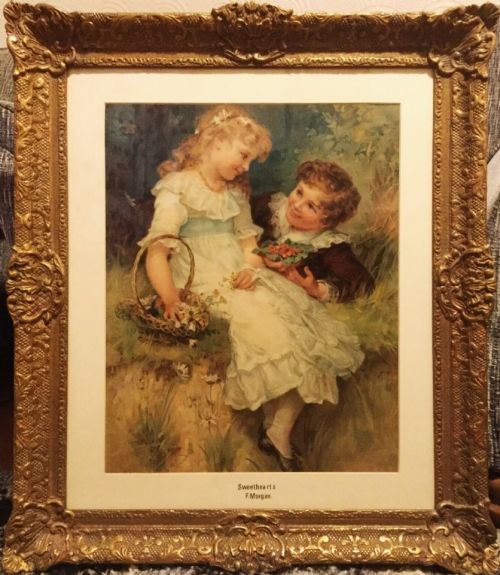
Among the most common formats are framed portraits depicting single children or sibling groups, sometimes accompanied by domestic animals or toys. Buyers frequently encounter nineteenth-century watercolours and Victorian oils alongside eighteenth-century mezzotints and decorative prints housed in period wood and gilt frames.
How they were made
Many of these works utilise traditional oil on canvas techniques, where pigments are layered to build depth in skin tones and drapery. Other pieces rely on the fine application of watercolour, pastel, or gouache on paper, capturing delicate expressions with fugitive pigments fixed behind glass.
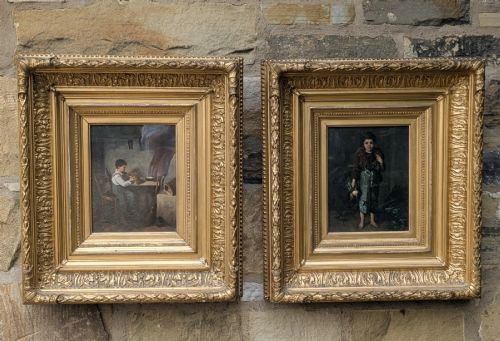
Framing forms an integral part of the construction, employing materials such as carved wood, giltwood, and rosewood. Gilt frames often feature applied gold leaf over a prepared gesso base, while simpler domestic pieces utilise dark polished wood or ebonised moulding to protect the work within.
Several Victorian children are immortalised alongside very disgruntled-looking kittens and exceptionally well-behaved piglets.
What varies in quality
Quality in these works rests primarily upon the draughtsmanship of the hands and face, where the confidence of the line or brushstroke determines the life of the portrait. Master painters and skilled practitioners capture individual psychology and natural posture rather than relying on stiff, formulaic poses.
The preservation of the original surface and the framing material also alter the standing of a piece. Intact original glazing, untouched oil varnishes, and period frames that match the age of the artwork elevate the historical integrity of the object.
Joshua Reynolds·Emily Eyres·Mark William Langlois·Augustin Edouart·Adelaïde Salles Wagner·George Augustus Holmes·Adam Buck·John Hoppner·Frederick Tatham
The Antique Framed Artwork Children Glossary
- Mezzotint
- A printmaking process of the intaglio family, where the copper plate is roughened uniformly to produce rich dark tones and subtle gradations of light. This technique was frequently utilised in the eighteenth century to translate oil paintings of children into popular prints.
- Silhouette
- A portrait cut from black paper or painted in profile against a light background, popular during the eighteenth and nineteenth centuries. These shadow likenesses often record the exact outlines of sitters before the widespread adoption of photography.
- Giltwood
- Wood, typically carved timber such as pine or gesso-coated base layers, covered with thin sheets of gold leaf. It defines the decorative frames found on many fine art portraits from the Georgian and Victorian periods.
- Genre painting
- The pictorial representation of scenes from everyday life, involving ordinary people engaged in common activities. In works depicting children, this includes domestic chores, games, or interactions with household pets.
Antique Framed Artwork Children: Frequently Asked Questions
How do I identify the period of a child portrait?
Clothing styles, hair arrangements, and framing materials offer the clearest chronological markers for dating portraiture. Examining the construction of the stretcher bars and the composition of the canvas backing provides further physical evidence.
Fashions changed rapidly across the eighteenth and nineteenth centuries, allowing viewers to align the sitter's dress with documented historical periods. Additionally, inscription styles on the reverse often record the sitter's age and the year the work was executed.
Were these portraits painted from life?
Many professional commissions required the young sitters to sit for the artist over several sessions, though children often proved restless. Consequently, artists occasionally utilised preliminary sketches or silhouette outlines to capture the likeness before completing the canvas in the studio.
Printed works and later reproductions were typically copied from successful Academy paintings rather than drawn directly from sitters. These affordable prints allowed middle-class households to display sentimental depictions of youth on their parlour walls.
How should I hang and light antique watercolours?
Watercolours and pastel works are extremely sensitive to ultraviolet light and must be displayed away from direct sunlight to prevent fading. Framing with conservation-grade glass helps block harmful rays and protects the paper surface from atmospheric moisture.
Stable indoor humidity and moderate temperatures prevent the wood frames from warping and keep the paper from developing foxing spots. Using picture lights with low-heat LED bulbs ensures the artwork remains illuminated without sustaining heat damage.
What is the significance of animals in these paintings?
Animals frequently appeared in portraits of children to symbolise gentleness, obedience, or youthful playfulness. Dogs represented loyalty and companionship, while caged birds or kittens highlighted the nurturing instincts of the young sitters.
Including pets also added narrative complexity to domestic genre scenes, breaking the monotony of a strict formal pose. These elements made the portraits more engaging for contemporary viewers and added warmth to the family record.