



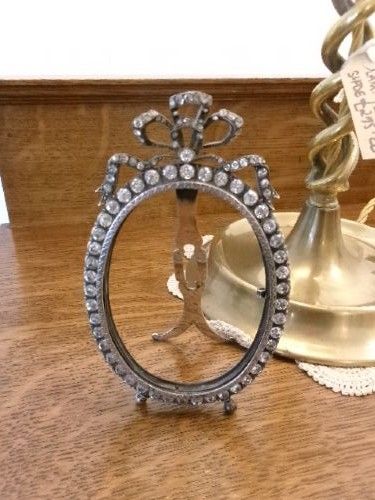
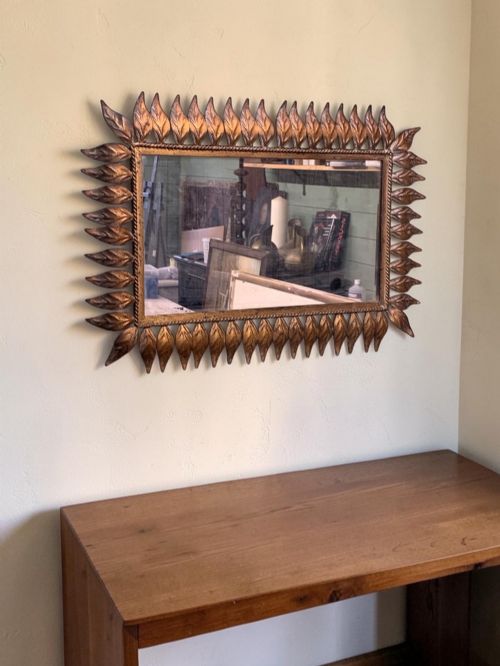
Antique Frame
An antique frame holds centuries of portraiture, landscape, and mirror work within timber, gesso, and gold leaf.
Antique Frame
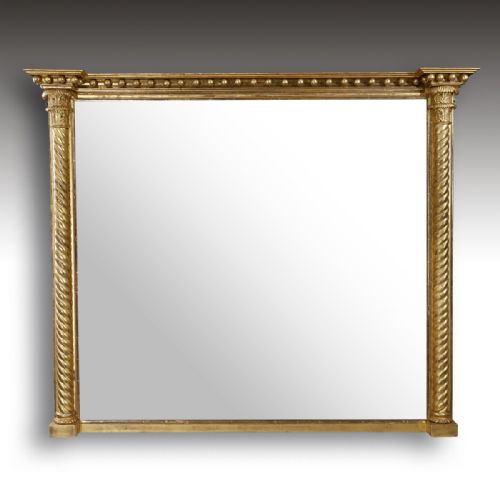
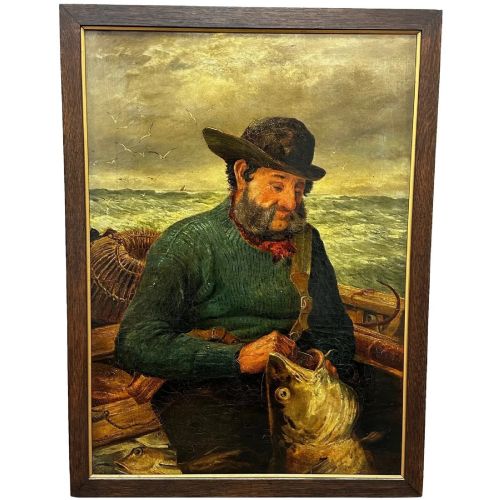
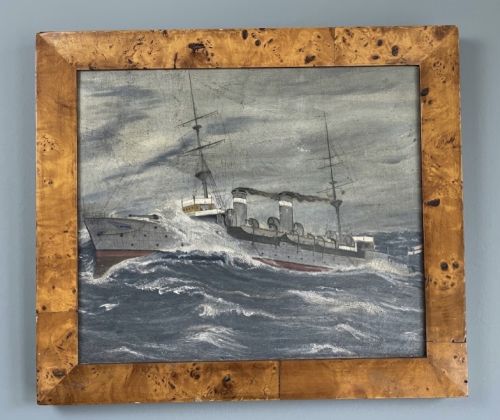
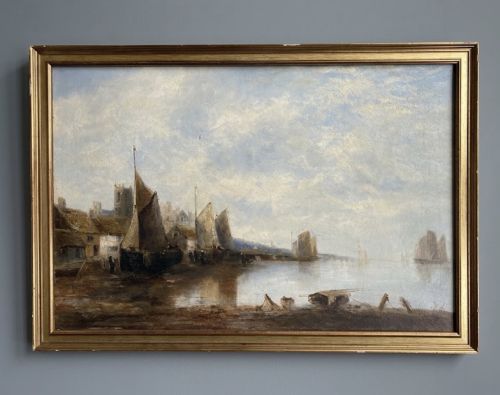
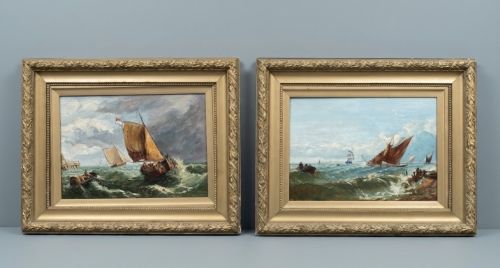
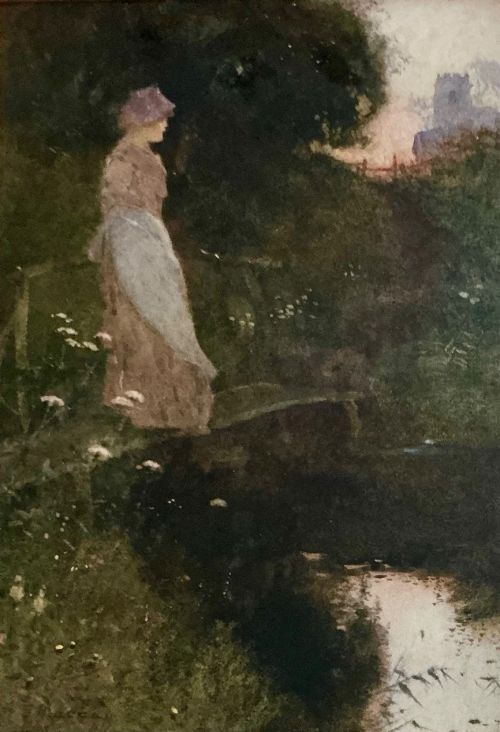
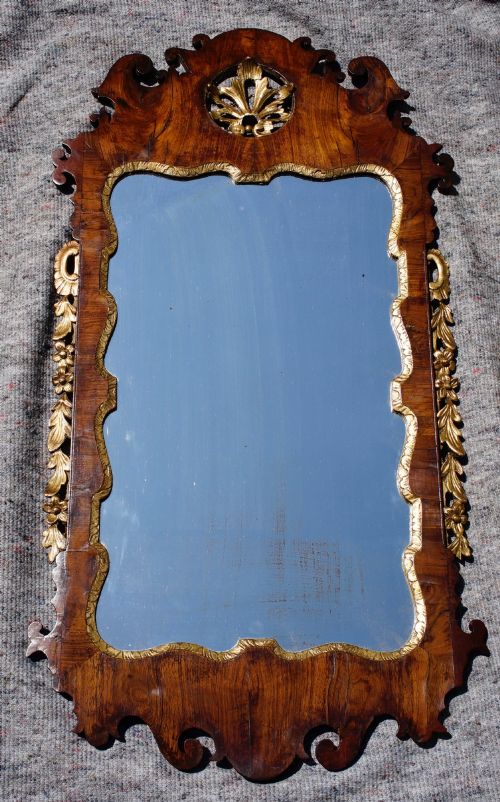
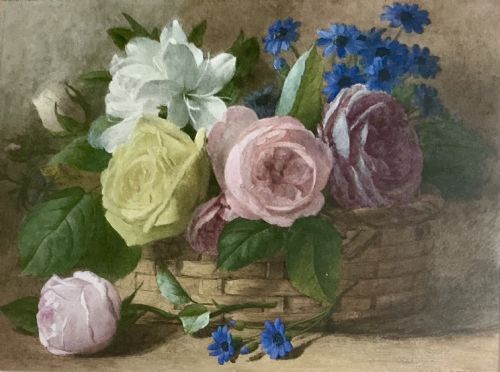
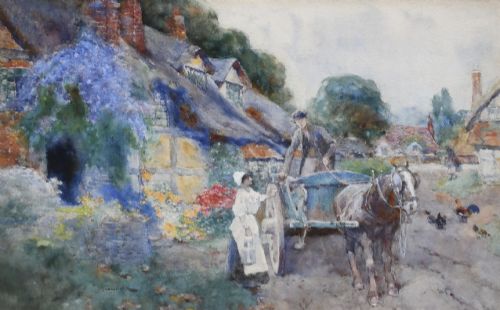
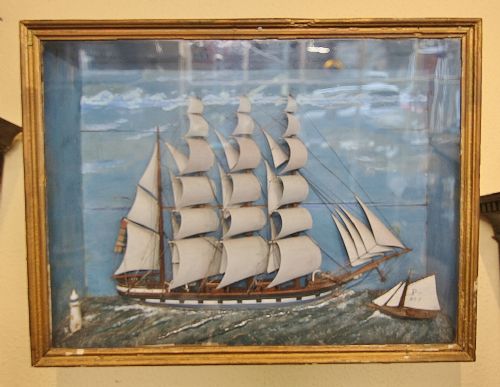
When searching for an antique frame, buyers encounter housings for oil paintings, watercolours, and wall mirrors spanning several centuries. The most common versions on this page enclose Victorian and 19th-century works, alongside earlier 17th and 18th-century walnut and giltwood examples.
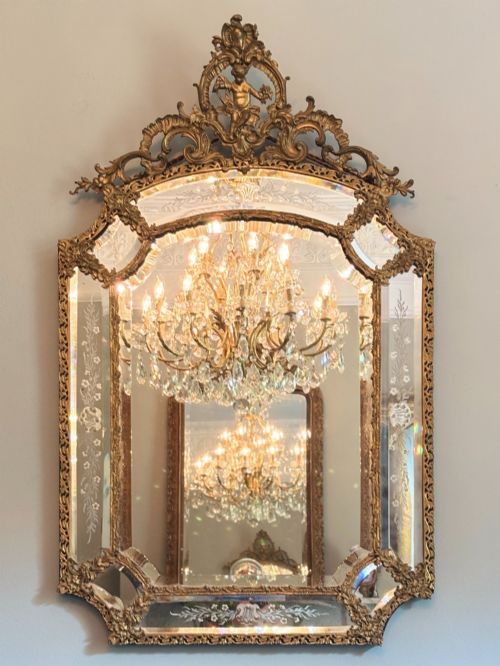
These pieces serve to protect and complete works of art, ranging from small portrait miniatures to massive overmantel mirrors. Many function independently as wall mirrors or fire screens, while others remain joined to their original oil paintings and watercolours.
Origins stretch across English, French, and Italian workshops, reflecting styles from Georgian and Regency to French Rococo Revival and Edwardian periods. A buyer selects them for the rich materiality and the historical context they bring to a room.
How they were made
Makers constructed the structural carcasses primarily from timber such as oak, mahogany, walnut, pine, and maple, joining them to hold glass, canvas, or paper securely. Artisans then applied layers of gesso to wooden mouldings to create smooth surfaces for subsequent decoration.
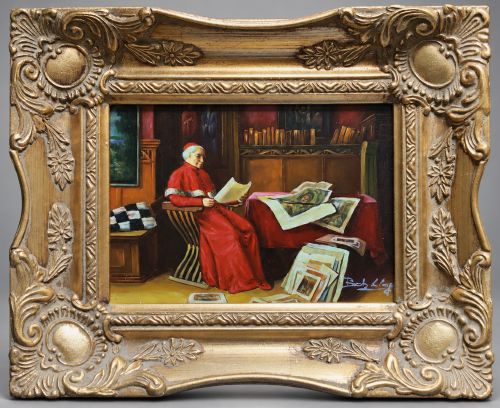
Giltwood and gold leaf finishes dominate the finer pieces, applied over gesso to catch the light in domestic interiors. Other examples utilise brass mountings, ironwork, needlework panels, or plain polished wood depending on the domestic or utilitarian function of the object.
Antique Frame Retail Price Guide 2026
Typical asking prices for frame among the pieces listed under this phrase on Sellingantiques today, from the lower quarter to the upper quarter. They describe what is for sale here now, not the wider market.
One listed Victorian mirror once watched over a spirited equestrian ride through Rotten Row in Hyde Park.
What varies in quality
Quality rests in the depth and crispness of the carved ornamentation, particularly where hand-carved wood meets applied gesso mouldings. Finer pieces demonstrate superior control in gilding and joinery, whereas provincial or utilitarian items display simpler lines and straightforward construction.
The preservation of the original surface finish dictates the standing of a piece within its period. Retaining the authentic gold leaf, walnut grain, or painted patina without modern intervention marks the distinction between standard examples and superior survivals.
Pieter Cornelis Steenhouwer·Francis Lindo·Anna Tonelli·John Russell R.A.·Michiel van Musscher·William Shayer·Herbert Royle·Heals
The Antique Frame Glossary
- Giltwood
- Wood that has been coated with gold leaf or gold paint. This finish defines the decorative appearance of many period mirrors and fine art surrounds.
- Gesso
- A plaster mixture applied to wood surfaces as a base for moulding and gilding. Artisans carved intricate relief patterns directly into this prepared layer.
- Overmantel mirror
- A large looking glass designed to hang specifically above a fireplace mantelpiece. These substantial pieces often incorporate elaborate giltwood frames.
- Cheval mirror
- A freestanding full-length mirror mounted on a pivoting frame. Victorian examples often integrated rosewood or mahogany in their construction.
- Portrait miniature
- A small, highly detailed painting executed on materials such as vellum or card. These delicate works required miniature surrounds made of brass, wood, or precious metals.
Antique Frame: Frequently Asked Questions
How do I date an antique frame?
Dating relies upon examining the timber species, construction joints at the corners, and the composition of the gesso beneath the surface finish. Stylistic cues such as Neoclassical or Rococo Revival motifs also point toward specific decades.
Secondary indicators include the type of backing boards, fixings, and the nature of the glass or artwork contained within. Earlier pieces from the seventeenth and eighteenth centuries show distinct hand-working marks compared to later nineteenth-century production.
Are these frames sold with their original art?
Many listings present the frame paired with its original oil painting, watercolour, or mirror plate. This combination preserves the historical relationship between the artwork and its enclosure.
Other items offer the housing on its own, allowing collectors to insert a compatible canvas, mirror, or drawing of the correct period. Checking the description confirms whether the artwork is contemporary to the surround.
What is a giltwood overmantel mirror?
An overmantel mirror is a wide looking glass built to sit directly above a fireplace hearth. Giltwood versions feature carved wooden surfaces covered in gold leaf.
These large pieces dominated period drawing rooms, reflecting light from windows and candles across the interior space. Their proportions match the generous scale of nineteenth and eighteenth-century chimney breasts.
How should I hang a heavy antique frame?
Heavy giltwood and carved timber frames require robust wall fixings secured directly into structural studs or masonry. Professional mirror hangers utilise heavy-duty D-rings and steel wire rated far above the weight of the object.
Positioning must account for the substantial load distribution across the top corners of the timber carcass. Ensuring stable wall attachment protects both the antique surround and the glass or canvas inside.