

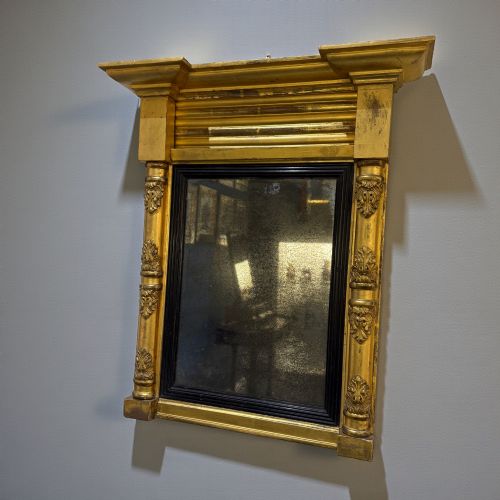
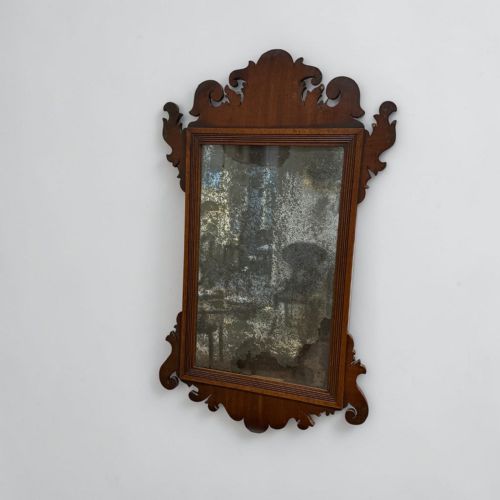
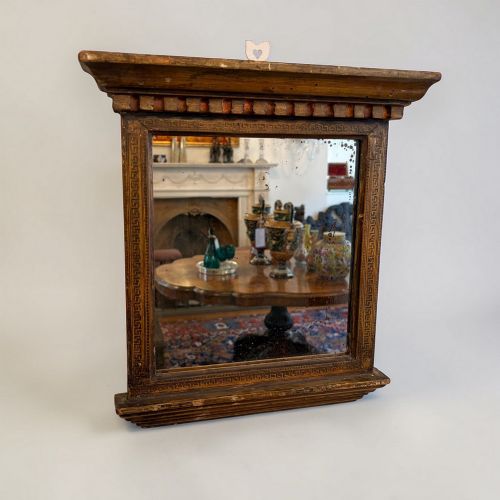
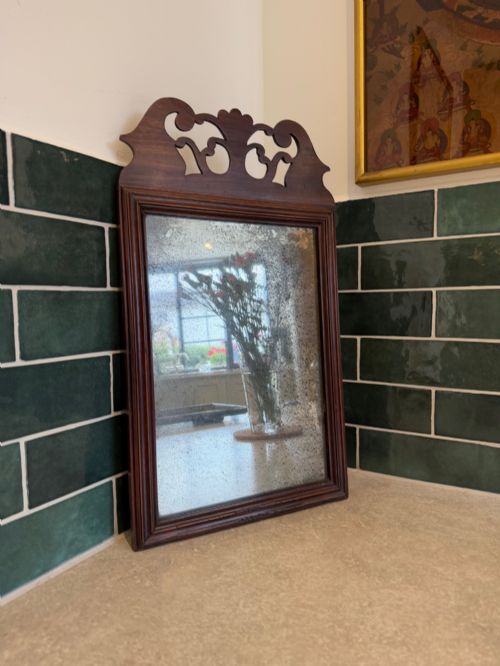
Antique Foxed Mirror
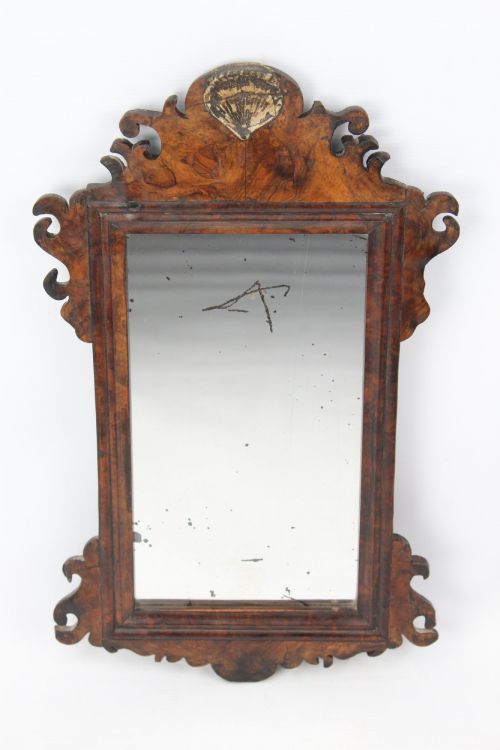
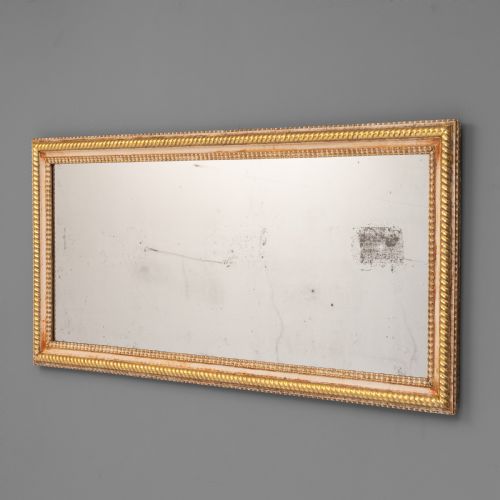
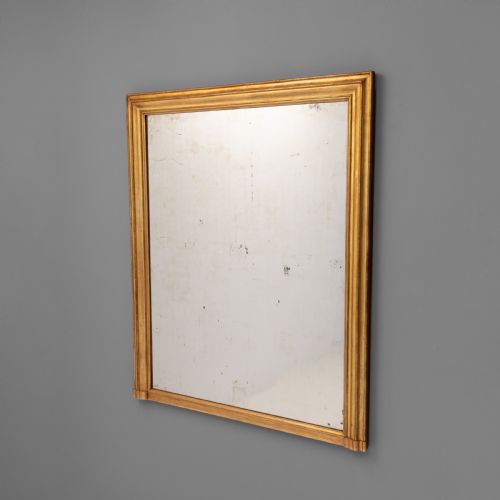
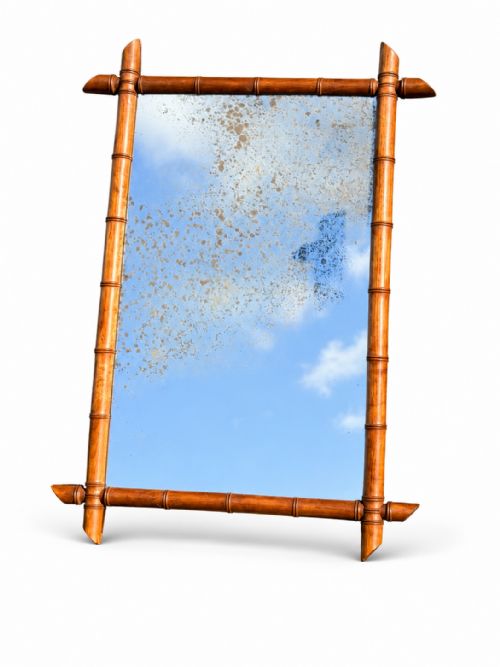
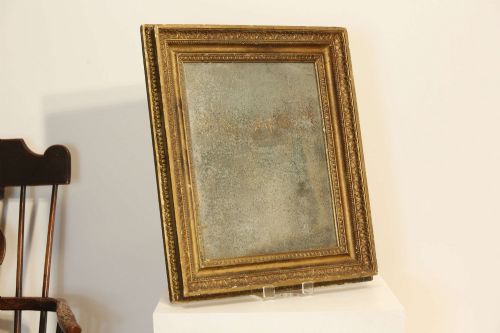
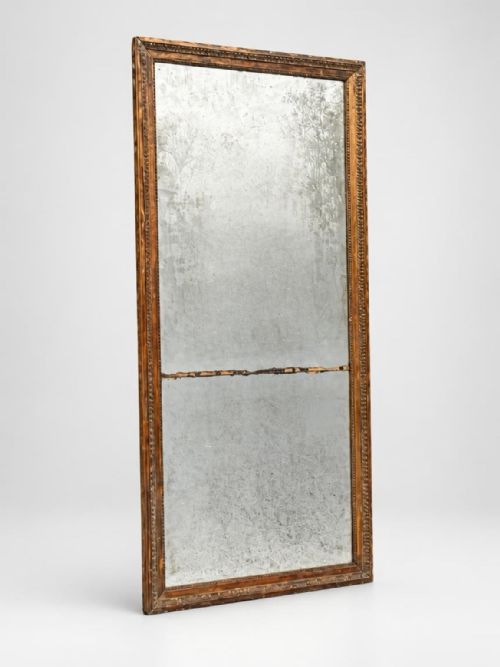
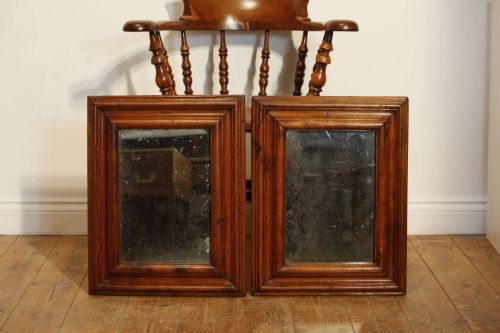
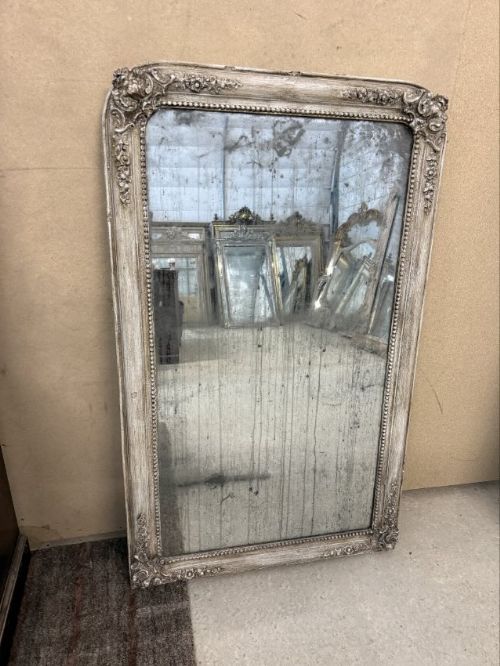
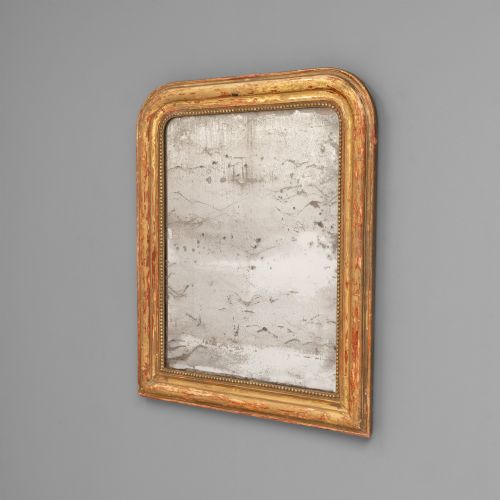
An antique foxed mirror brings deep character to a room through the soft, darkened speckles of its aged glass plate.
Antique Foxed Mirror
An antique foxed mirror displays the atmospheric spots, oxidation and dark speckles that develop in the reflective backing over centuries of time. These plates show the hand of the maker and the natural degradation of early silvering or mercury processes.
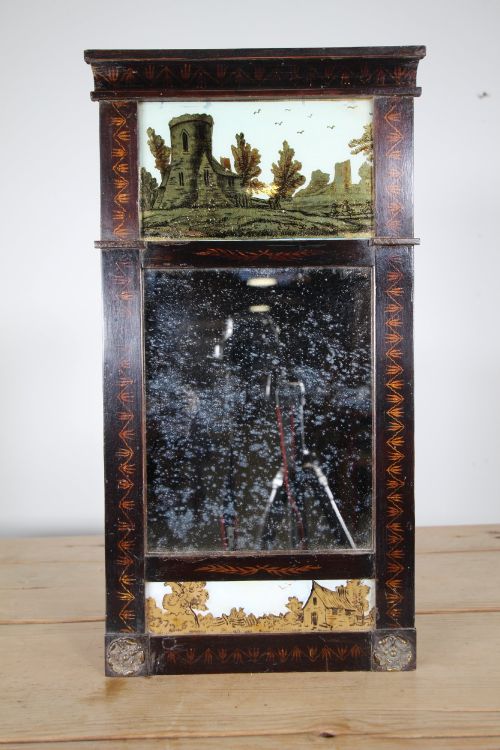
The pieces gathered here span domestic and grand forms, ranging from modest hand-held vanity items to large architectural overmantel mirrors. Wall mirrors, pier glasses and trumeau panels complete the selection.
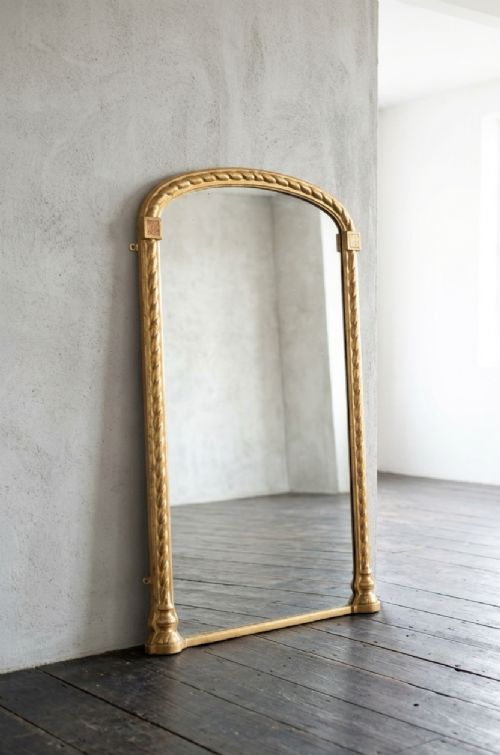
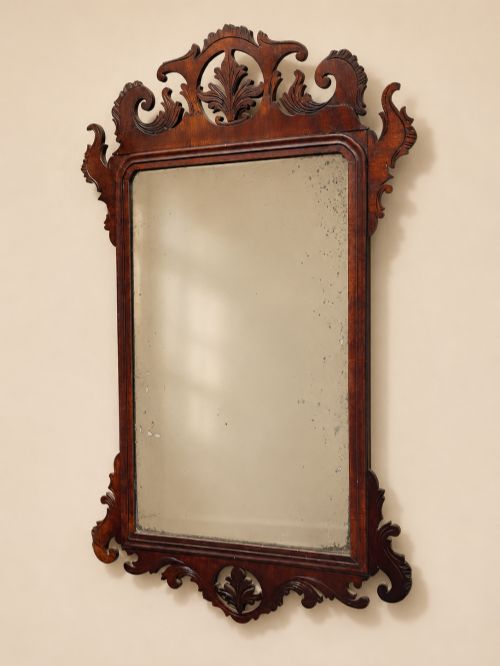
French and English examples dominate the selection, crossing stylistic eras from Georgian fret frames and Regency gilt to ornate Louis Philippe arched designs. Nineteenth-century interpretations and eighteenth-century origins shape the core of the group.
How they were made
Makers constructed frames using carved wood, gesso, and giltwood, applying gold leaf to create luminous surfaces on items destined for parlours and drawing rooms. Alternative materials such as mahogany, brass, and cork appear across specific regional styles.
Reflective surfaces relied on early techniques involving mercury or silver applications behind glass plates. This chemical composition breaks down slowly over decades, producing the characteristic foxing and misty patches cherished by collectors.
Antique Foxed Mirror Retail Price Guide 2026
Typical asking prices for foxed mirror among the pieces listed under this phrase on Sellingantiques today, from the lower quarter to the upper quarter. They describe what is for sale here now, not the wider market.
The listings on this site feature glass, giltwood, gesso, mahogany, and brass across periods from the eighteenth century to the twentieth century.
What varies in quality
The depth of carving and the crispness of gesso ornamentation define the visual weight of the frame, distinguishing finely hand-modelled floral and mythological motifs from simpler mouldings. Original gilding retains a warmer tone than later restorations or heavy over-gilding.
The extent and placement of foxing on the mirror glass alter the visual impact, ranging from light corner speckling to dense, cloudy oxidation across the entire plate. Original mercury glass plates with undisturbed backing hold a distinct historical integrity.
The Antique Foxed Mirror Glossary
- Foxing
- The natural oxidation and dark speckling that appears on old mirror plates as the backing deteriorates over time. This ageing process creates unique patterns across the glass.
- Mercury glass
- An early type of silvering made from a mixture of mercury and tin poured behind double-walled blown glass. It produces a deep, warm reflection distinct from modern aluminium mirrors.
- Giltwood
- Timber covered with a thin layer of gold leaf applied over a prepared gesso base. It provides a durable and brilliant metallic finish on period frames.
- Overmantel
- A large mirror designed to hang specifically above a fireplace mantelpiece. These pieces often feature wide horizontal proportions and architectural framing.
- Trumeau
- A decorative wall mirror paired with an oil painting or carved panel above the glass. Originating in French interiors, these units fitted neatly between windows or doors.
Antique Foxed Mirror: Frequently Asked Questions
What causes the spots on old mirrors?
The spots, known as foxing, result from moisture and air slowly penetrating behind the glass to react with the silver or mercury backing.
Over many decades, this chemical breakdown creates dark patches and silver clouds that give antique glass its signature appearance.
Are these glass plates original?
Many surviving pieces retain their original mercury or early silvered glass plates, showing authentic signs of age and wear.
Some mirrors have replacement plates fitted later in their history when the original backing degraded beyond utility.
How do I hang a heavy overmantel mirror?
Heavy overmantel mirrors require secure wall fixings anchored directly into structural studs or masonry rather than standard plasterboard hooks.
Professional installation is recommended due to the substantial weight of the timber frames and thick glass plates.
How should I clean antique mirror glass?
Clean antique glass gently using a soft, dry microfibre cloth to remove dust without disturbing the fragile edges of the plate.
Avoid harsh commercial chemical sprays, as moisture can seep behind the frame and accelerate the oxidation of the backing.