





Antique Forest Oil Painting
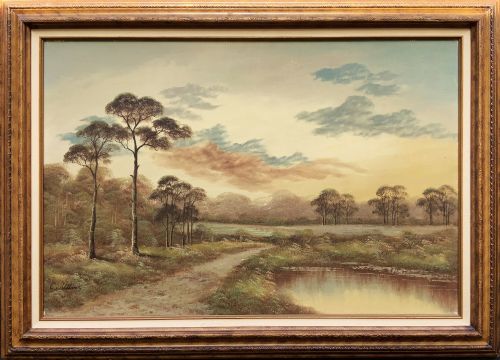
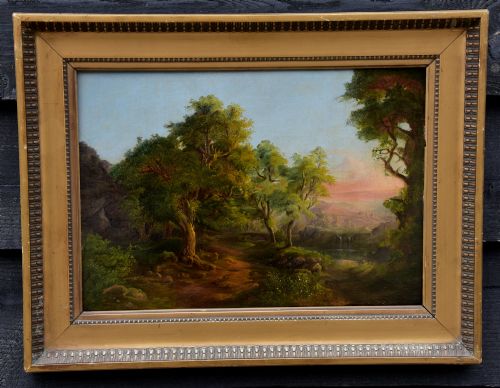
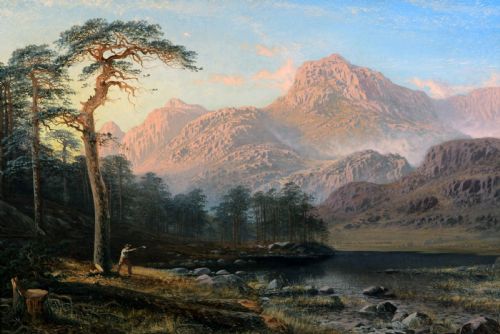
An antique forest oil painting captures the depth of woodland light through pigment and canvas, offering a lasting window into undisturbed natural landscapes.
Antique Forest Oil Painting
An antique forest oil painting represents woodland and tree studies rendered by artists from the eighteenth century through to the mid-twentieth century. These works capture changing seasons, river glens, and shaded paths through traditional brushwork.
The pieces on this page span British, French, Danish, and Dutch schools, showcasing romantic, impressionist, and realistic interpretations of woodland scenes. Buyers frequently encounter nineteenth-century canvas works and early twentieth-century board paintings depicting rural canopies.
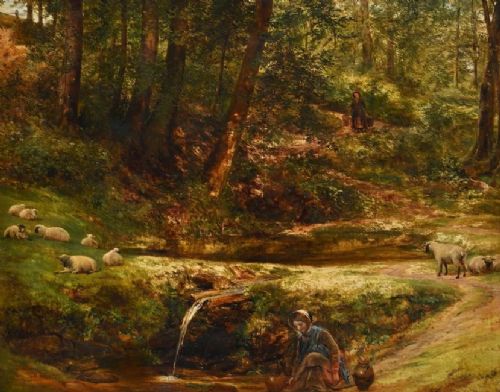
Subjects range from quiet forest interiors with figures and cattle drovers to sunlit clearings and autumnal glades. Each painting preserves the specific atmosphere and palette observed by the artist during a particular historical period.
How they were made
Artists painted these works primarily using oil paint applied to stretched canvas, wooden panels, or mahogany boards. The preparation of the ground surface preceded the application of pigment, allowing rich layers of oil to build depth in the foliage and shadows.
Supports varied according to the period and scale of the work, with nineteenth-century pieces often utilising heavy canvas or seasoned wood. Frames frequently incorporated gold leaf moulding to complement the luminous tones of the oil medium.
Antique Forest Oil Painting Retail Price Guide 2026
Typical asking prices for forest oil painting among the pieces listed under this phrase on Sellingantiques today, from the lower quarter to the upper quarter. They describe what is for sale here now, not the wider market.
Regional British and continental schools are represented, capturing woodland views from Yorkshire, Hampshire, and French forests.
What varies in quality
Quality in these works rests upon the artist's handling of light, shade, and spatial depth within the woodland setting. Superior compositions demonstrate a confident control of pigment that articulates the complex textures of bark, leaf, and forest floor.
The preservation of the original paint surface and the structural integrity of the canvas or wooden support influence the standing of each piece. Works retaining their early gilt frames and clear artist attribution command distinct regard among collectors.
William H Myers·Thomas W Lascelles·Richard Redgrave·Thomas Bromley Blacklock·David Watts·James Proudfoot·Jan Evert Morel·Ernest Higgins Rigg·Frederick Golden Short·J McIntyre·Augustus William Enness·A Wood·Albert de Belleroche·Walter Emsley·William Mellor·Charles Pettitt·Henri Harpignies·Robert Hudson Junior·Camille Magnus·Christian Zacho·David Bates·Erich Fleischman·Jacob Van Ruisdael·Eiler Rasmussen Eilersen·Eliza Agnetus Emilius Nijhoff
The Antique Forest Oil Painting Glossary
- Canvas
- A heavy woven fabric stretched across a wooden frame to serve as a foundation for oil painting. It provides a textured surface that holds layered pigment.
- Wood Panel
- A rigid wooden support used instead of canvas for painting, frequently utilised in nineteenth-century works. It offers a smooth, stable ground for detailed brushwork.
- Board
- A compressed wooden or composition sheet utilised as an inexpensive painting support. Artists often employed board for smaller landscape studies.
- Gold Leaf
- Extremely thin gold beaten into sheets, applied to wooden frames for ornamentation. It provides a reflective border that enhances the tones of the artwork.
- Impressionism
- An art style emphasising unblended brush strokes and the shifting qualities of natural light. Practitioners focused on capturing the immediate visual impression of a scene.
Antique Forest Oil Painting: Frequently Asked Questions
How should I hang an antique forest oil painting?
Position the painting away from direct sunlight and fluctuating heat sources to protect the canvas and oil pigments.
Secure the frame using appropriate wall fixings that match the weight of the wooden structure and canvas.
What subjects appear in these woodland paintings?
Common subjects include sunlit forest paths, river glens, autumn glades, and shaded woodland interiors populated by figures or cattle.
Artists frequently recorded specific regional landscapes across Britain and continental Europe during different seasons.
How do I identify the period of the artwork?
Examine the style of brushwork, the type of support material such as mahogany board or canvas, and any visible artist signatures.
Framing styles and historical records or inscriptions on the reverse often provide additional dating evidence.
Can I clean the surface of an oil painting?
Dust the surface gently with a soft, dry brush while avoiding any moisture or chemical cleaning agents on the paint.
Consult a professional art restorer if the canvas requires deeper cleaning or varnish removal.