




Antique Forest Landscape Art
Antique forest landscape art captures the moody depths of ancient woodlands through textured oils, flowing watercolours, and woven wool panels.
Antique Forest Landscape Art
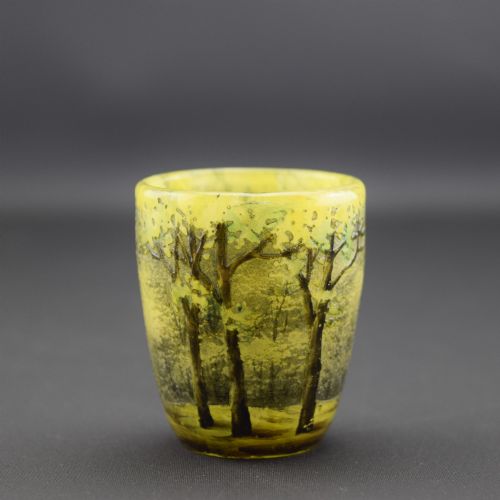
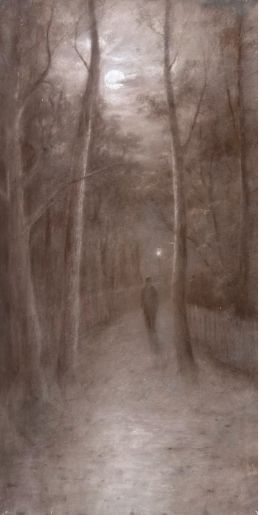
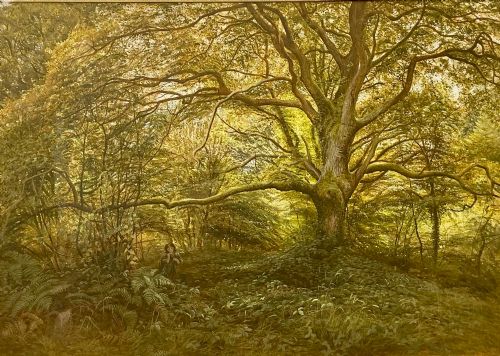
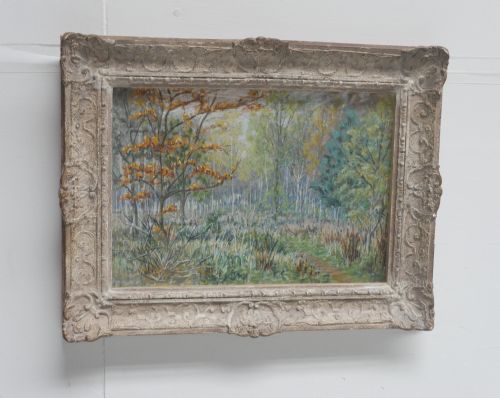
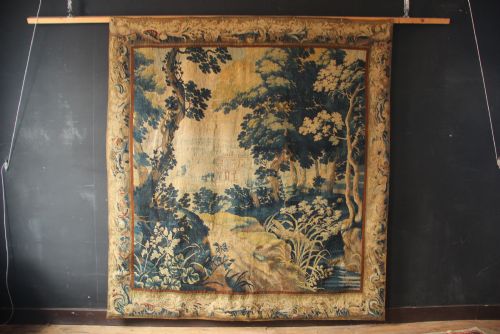
Antique forest landscape art comprises painted and woven depictions of woodlands, trees, and rural scenes spanning multiple centuries. Buyers searching this phrase encounter oil paintings on canvas and board, delicate watercolours, and large woven tapestries.
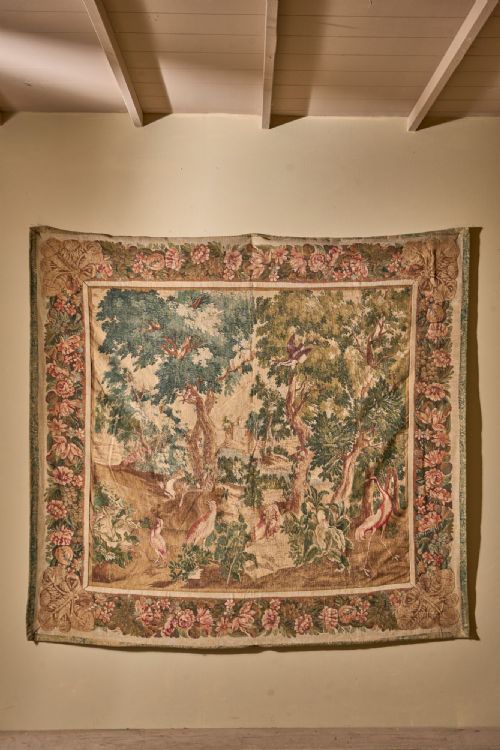
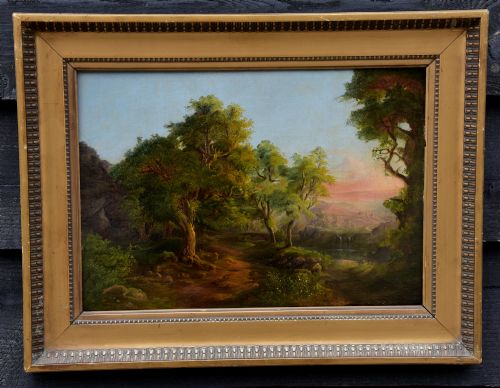
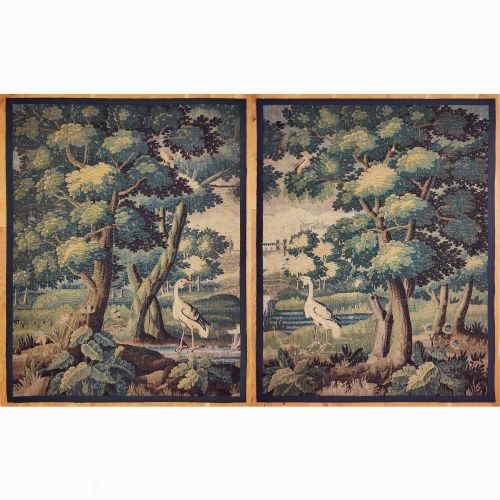
The 19th century and early 20th century yield many of the painted examples, featuring woodland paths, sunset forests, and river views. Woven verdure wall hangings represent earlier centuries, bringing foliage and wooded vistas into large domestic interiors.
How they were made
Painters applied oil and watercolour pigments onto canvas, wood panels, and paper, capturing light filtering through branches and autumn foliage. Tapestry makers wove wool and silk threads by hand to construct dense, verdant forest scenes.
Weavers in centres such as Aubusson and Flanders built complex verdure panels using traditional looms, while artists utilised fine brushwork and charcoal for pastoral detail.
Listings span from the 17th century to the mid-20th century, combining Flemish wool tapestries with Victorian oil paintings.
What varies in quality
The distinction between average works and finer examples lies in the handling of light, depth, and atmospheric perspective within the woodland. Master painters manipulate tone to suggest the density of a forest canopy and the texture of bark, whereas lesser works rely on formulaic foliage.
In woven pieces, the intricacy of the verdure design and the preservation of the wool and silk threads dictate the overall standard of the textile.
William H Myers·Thomas W Lascelles·Richard Redgrave·David Watts·Jan Evert Morel
The Antique Forest Landscape Art Glossary
- Verdure tapestry
- A woven wall hanging dominated by plant and foliage motifs, often depicting stylised trees and woodland undergrowth. These large textiles frequently originated in Flemish and French workshops.
- Oil paint
- A slow-drying medium composed of pigments suspended in a drying oil, typically linseed. It allows for rich colour blending and heavy impasto texture.
- Watercolour
- A paint consisting of water-soluble pigments applied to paper, valued for its translucent quality. It suits delicate atmospheric effects in landscape studies.
- Collotype print
- A photomechanical printing process that produces detailed, continuous-tone reproductions without a visible dot screen. It gained popularity for art prints in the early twentieth century.
Antique Forest Landscape Art: Frequently Asked Questions
What is a verdure tapestry?
A verdure tapestry is a woven wall hanging featuring dense foliage, trees, and occasionally animals or architectural elements hidden within the woodland.
Historically used to insulate stone walls in large rooms, these textiles introduce rich textures and natural green tones into an interior.
How should I hang a large tapestry?
Large tapestries require even weight distribution across the top edge to prevent stretching the historic wool and silk threads.
Mounting them on a padded wooden batten using a fabric sleeve or velcro strip protects the textile structure from undue stress.
How do I care for antique oil paintings?
Antique oil paintings need stable room temperatures and protection from direct sunlight to prevent the canvas from sagging and the pigments from fading.
Dust them gently with a dry, soft brush and avoid using water or chemical cleaners on the paint surface.
What subjects appear in these landscapes?
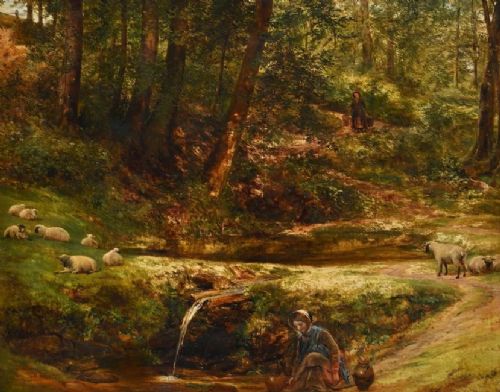
These artworks typically show woodland interiors, riverbanks, pastoral paths, and sunset views through trees.
Artists often included figures such as fishermen, travellers, or livestock to establish a sense of scale within the natural environment.