
Antique Footstool Wood
These pieces of antique footstool wood bring practical comfort and rich timber character to any room.
Antique Footstool Wood
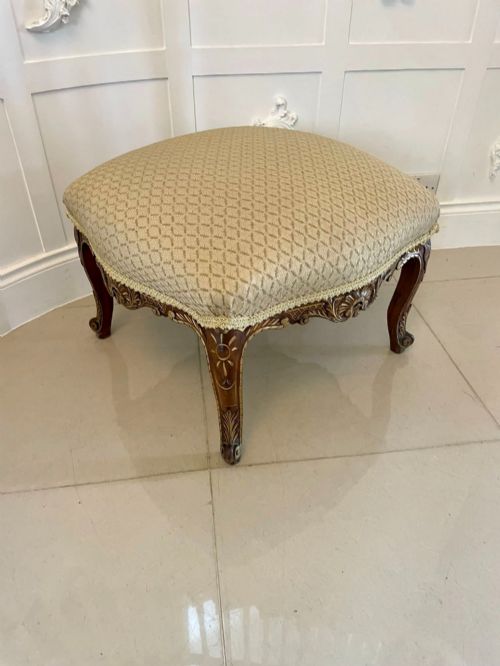
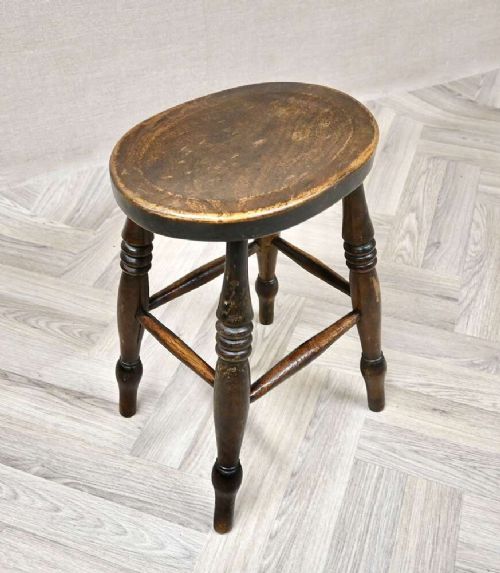
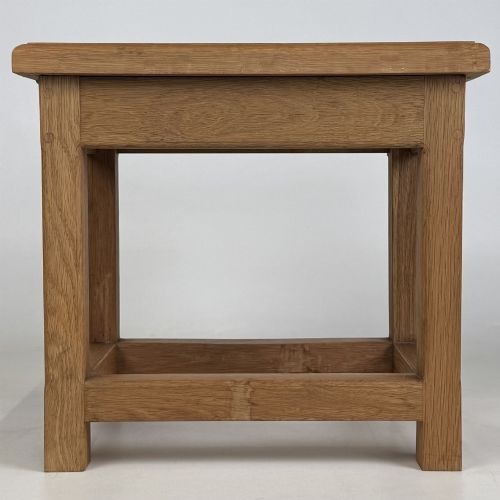
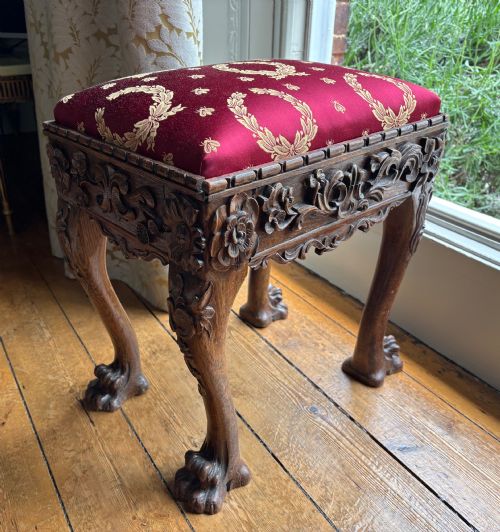
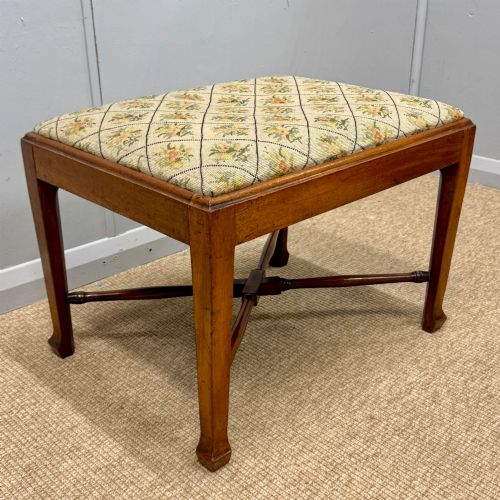
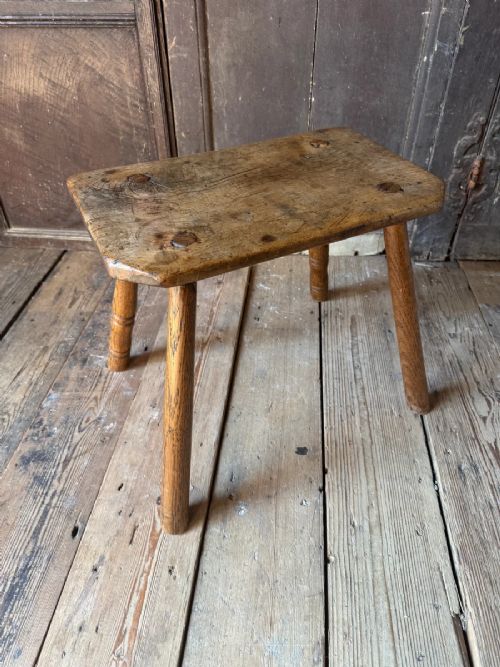
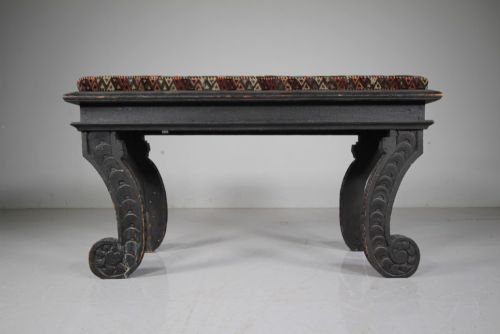
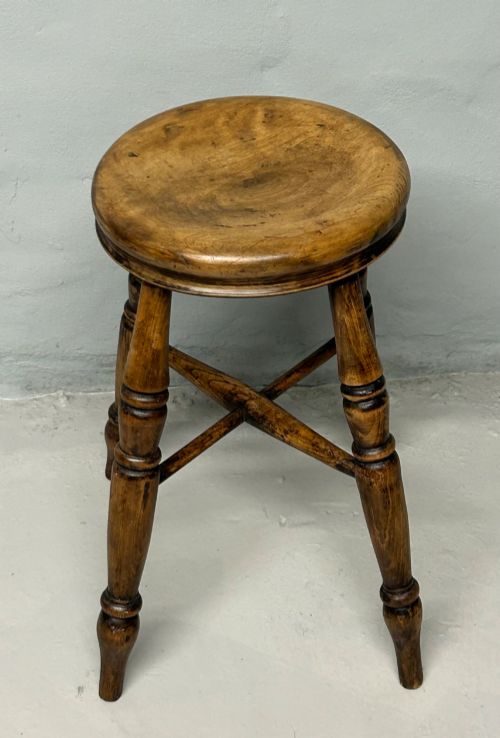
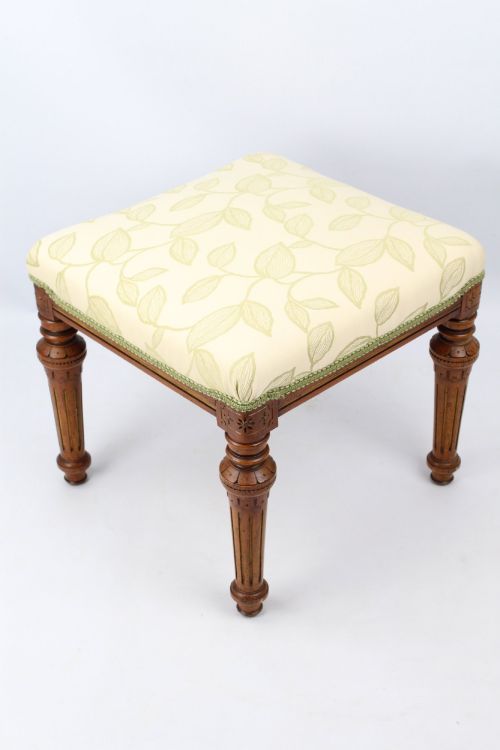
An antique footstool wood selection spans domestic forms from low milking stools to elegant upholstered parlour seats designed to support tired feet or serve as impromptu perches. Buyers searching for an antique footstool wood option encounter a wide variety of timber frames, ranging from robust country ash and elm to polished Victorian walnut and rosewood. The items originate predominantly from the nineteenth century and the Edwardian era, encompassing vernacular rustic designs alongside revival styles like Chippendale and Queen Anne.
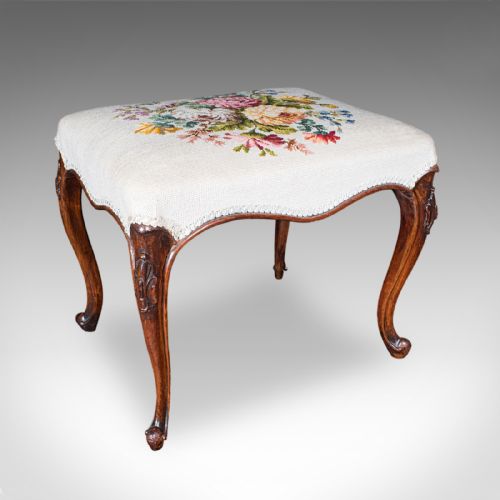
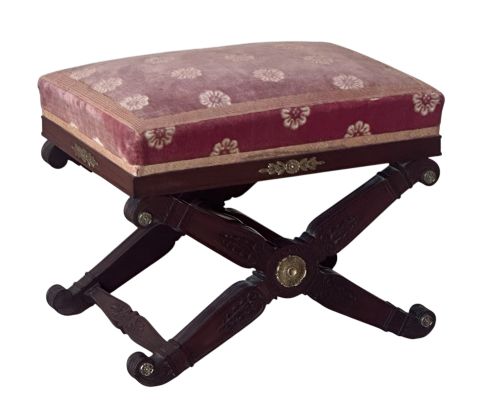
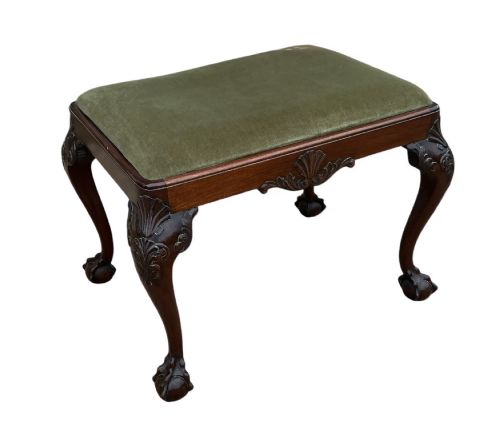
Most examples meet the eye as compact, low-slung seating platforms, often retaining period upholstery in needlepoint or woven fabric. One frequently encounters Victorian walnut or rosewood frames resting on cabriole or turned legs, as well as simpler Windsor and vernacular pieces fashioned from beech, oak, or sycamore. Whether intended for the fireside, the dressing table, or the piano, these low seats provide a tangible link to historical domestic routines.
How They Were Made
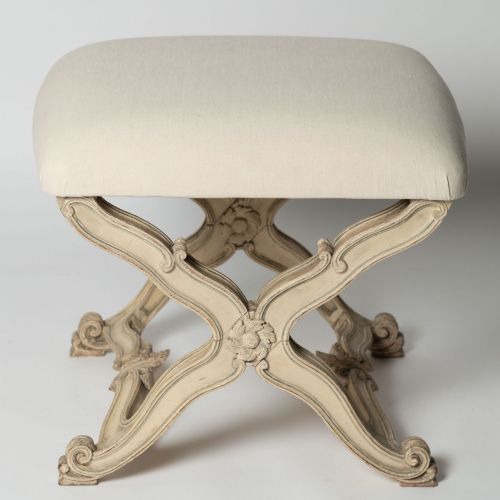
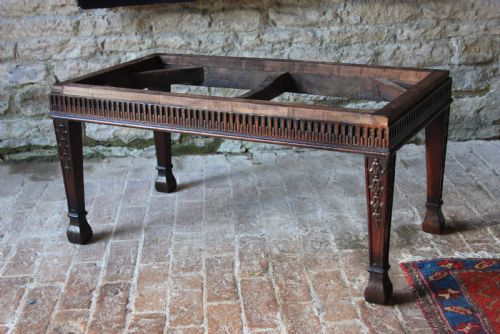
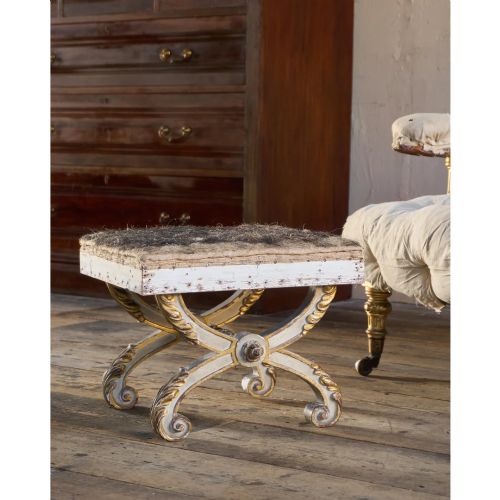
Cabinetmakers and rural joiners utilised a rich selection of hardwoods, turning to mahogany, walnut, rosewood, and oak for formal parlour pieces while selecting beech, elm, ash, and pine for vernacular and country forms. Frames were frequently joined with traditional mortise and tenon joints, or shaped into X-frames and curule structures requiring precise carpentry. Turning lathes produced barley-sugar or bobbin legs, while decorative surfaces often received gilding, ebonising, or layers of original paint.
Upholstered variants relied on webbing, stuffing, and durable textiles, sometimes incorporating needlepoint panels worked by hand. Timber elements such as burr maple veneers and oyster-veneered stretchers demonstrated advanced decorative woodworking skills applied to modest household objects. Surface finishes ranged from clear French polish that highlighted the grain of mahogany and rosewood to plain painted protective coats on utilitarian rustic seating.
Metamorphic gout stools adjust to accommodate swollen ankles with surprising nineteenth-century mechanical ingenuity.
What Varies In Quality
The distinction between standard utility items and finer pieces rests in the choice of timber and the ambition of the carpentry. Dense, richly figured woods like rosewood and burr maple, combined with elaborate carving or X-frame geometry, signal higher workshop standards than plain vernacular pine or beech. The execution of structural joinery, from crisp cabriole legs to well-turned stretchers, determines the longevity and visual poise of the frame.
Preservation of original surfaces also alters the character of each piece, distinguishing items with undisturbed patination or original paint from those subjected to later alterations. Refined details, such as giltwood enrichment or sophisticated veneer work, elevate a simple domestic seat into a decorative focal point. Ultimately, the harmony between the timber's natural grain, the robustness of the frame, and the integrity of the design defines the upper tier of these items.
Miles & Edwards
The Antique Footstool Wood Glossary
- Cabriole leg
- A furniture leg curving outward at the knee and inward at the ankle, mimicking an animal limb. This form appears frequently on mid-eighteenth century and Victorian walnut and mahogany pieces.
- X-frame
- A structural base formed by intersecting diagonal timbers that support the seat. This ancient architectural motif found high favour in Regency and Victorian luxury seating.
- Needlepoint
- A type of canvas work embroidery utilised for durable upholstery. It provides a tactile, colourful decorative surface on fireside and parlour stools.
- Oyster veneer
- Thin circular slices cut across small branches to create distinctive oyster-like patterns in wood grain. It decorates stretchers and panels on William and Mary era pieces.
- Vernacular
- Everyday utilitarian furniture made by regional joiners using local materials rather than following high London fashion. Examples include simple milking stools in ash, beech, and elm.
Antique Footstool Wood: Frequently Asked Questions
What is an antique footstool wood piece used for?
These low seats served multiple domestic functions, primarily supporting tired feet by the hearth or providing a stable seat at the dressing table or piano. They also acted as convenient movable perches in the hallway or parlour.
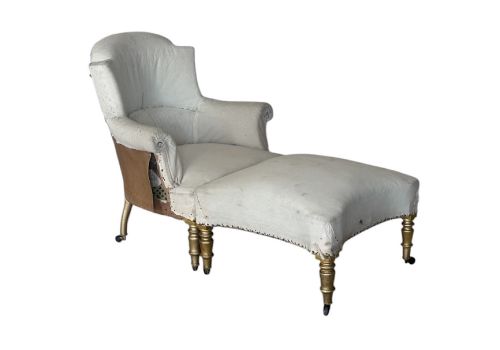
Over time, homeowners adapted them to fit various rooms, turning utilitarian items into decorative accents that complemented larger armchairs and chaise longues.
How can I tell the period of a wooden stool?
Dating relies on examining timber choices, turning styles, and structural joinery methods characteristic of specific eras. For instance, mahogany and walnut often point toward the eighteenth century or the Victorian revival periods, while painted pine and simple jointed oak suggest distinct regional or vernacular traditions.
Secondary woods and the style of the upholstery webbing further assist in narrowing down the decades of manufacture, distinguishing early nineteenth-century Regency forms from later Edwardian productions.
Are these stools suitable for daily use?
Most solid wood frames possess robust construction that easily accommodates regular sitting or resting feet. However, antique upholstery and delicate historic textiles may require careful handling or gentle conservation to preserve their original materials.
Placing felt pads beneath the feet and keeping timber away from direct heat sources helps maintain the structural integrity of these historical items in a modern home.