




Antique Footrest Frame
An antique footrest frame provides the structural bones for period seating, offering a tactile anchor for nineteenth-century upholstery.
Antique Footrest Frame
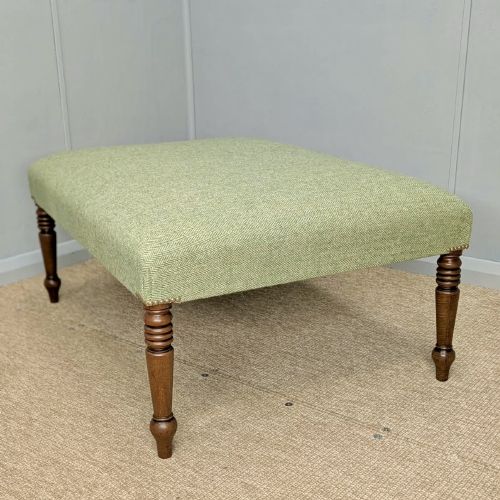
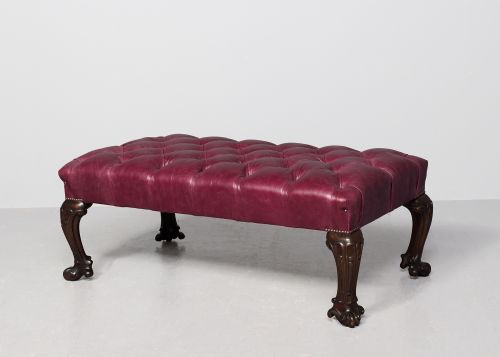
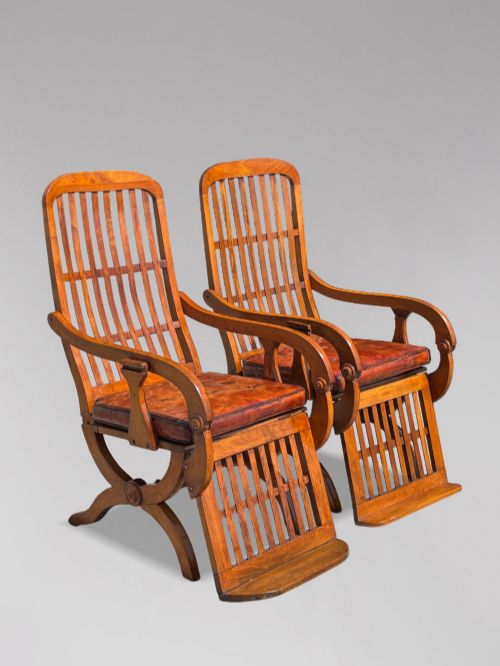
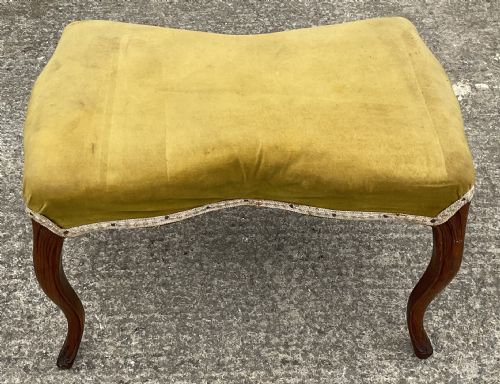
An antique footrest frame encompasses low stools, ottomans, and X-frame supports designed to elevate the feet or serve as low seating. These pieces span the eighteenth, nineteenth, and early twentieth centuries, reflecting changing domestic habits in British drawing rooms.
The selections on this page are predominantly Victorian and William IV examples, alongside earlier Georgian forms and later Edwardian pieces. Mahogany and rosewood form the bulk of the wooden structures, often waiting for fresh fabric or retaining period textiles.
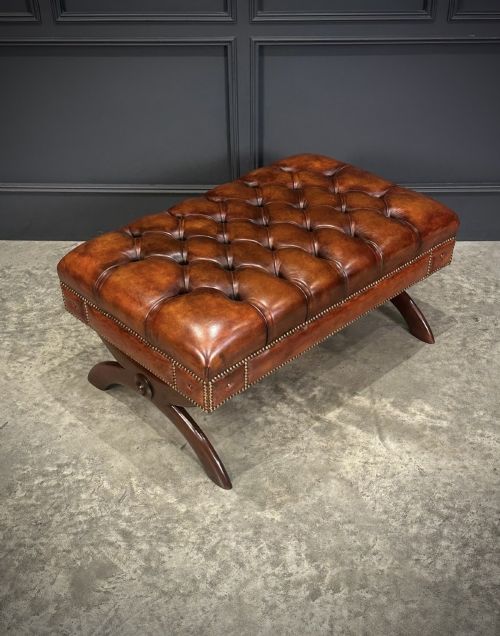
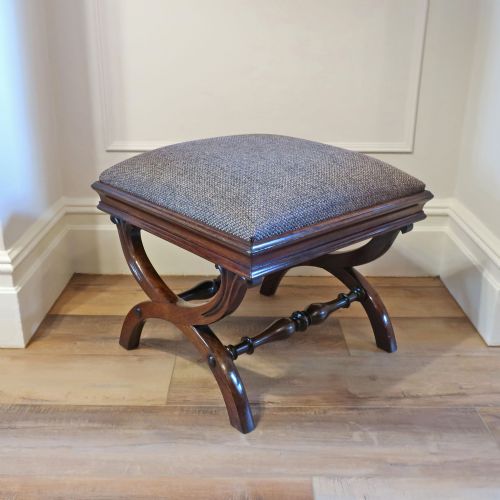
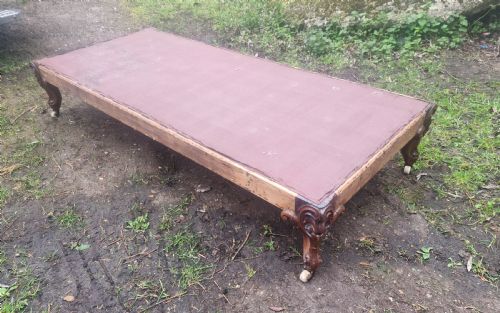
Makers such as Miles & Edwards produced specific curule forms, while vernacular pieces range from simple mahogany frames to ebonized aesthetic period designs. Buyers encounter everything from small square footstools to long ottomans intended for reclining.
What varies in quality
The caliber of a frame rests upon the crispness of the timber carving and the weight of the wood selected by the maker. Substantial rosewood and finely figured mahogany denote superior workshops compared to simpler utilitarian frames.
Proportion and stability separate standard pieces from exceptional examples. A well-balanced X-frame or a sharply turned leg demonstrates the maker's adherence to classical or revival proportions.
Antique Footrest Frame Retail Price Guide 2026
Typical asking prices for footrest frame among the pieces listed under this phrase on Sellingantiques today, from the lower quarter to the upper quarter. They describe what is for sale here now, not the wider market.
Some Victorian footstools hide tiny porcelain castors beneath their carved frames to glide silently across Turkey carpets.
Miles & Edwards
The Antique Footrest Frame Glossary
- Curule
- A stool or chair design based on ancient Roman magistrate seats, featuring intersecting convex legs that form an X-shape. This form gained popularity during the Regency and Victorian periods for formal reception rooms.
- Gros-point
- A heavy, counted-thread needlepoint embroidery worked on canvas, commonly utilised for durable upholstery on nineteenth-century footstools and ottomans. It provides a tactile, textured surface.
- Kilim
- A flatwoven textile originating from the Near East and Central Asia, frequently repurposed in British interiors as a decorative covering for nineteenth-century footstools. It introduces geometric patterns to mahogany frames.
- Ebonised
- Wood treated with a chemical stain or pigment to imitate ebony, popular during the nineteenth century and particularly associated with the Aesthetic Movement. It created a dark, matte contrast against gilt highlights.
- Bobbin leg
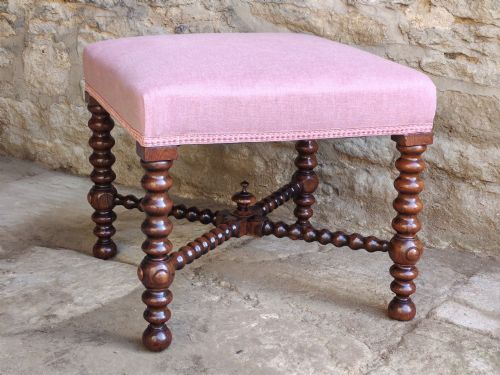
- A turned furniture leg shaped to resemble a string of wooden bobbins or spools, characteristic of mid-nineteenth-century domestic seating.
Antique Footrest Frame: Frequently Asked Questions
How were nineteenth-century footstools used?
Nineteenth-century footstools accompanied armchairs and sofas in drawing rooms, allowing occupants to elevate their feet above drafty floors.
Larger versions functioned as low seating or ottomans for informal lounging in private family spaces.
Can I reupholster an antique frame?
Many frames survive specifically for reupholstering, allowing owners to apply new fabrics that suit modern interiors while preserving the antique wood.
Traditional webbing and stuffing techniques maintain the original profile of the piece.
How do I identify a Regency X-frame stool?
Regency X-frame stools feature intersecting curved legs that create a curule shape, echoing classical Roman furniture forms.
They are typically constructed from mahogany or rosewood and date to the early nineteenth century.