





Antique Folk Table
An antique folk table brings genuine utility and regional character into a room, spanning rustic European pines and hand-carved indigenous woods.
Antique Folk Table
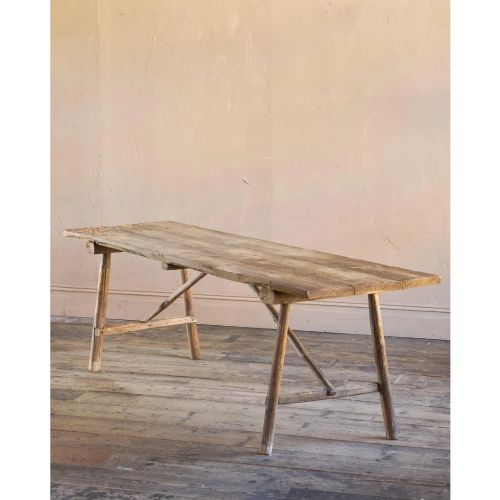
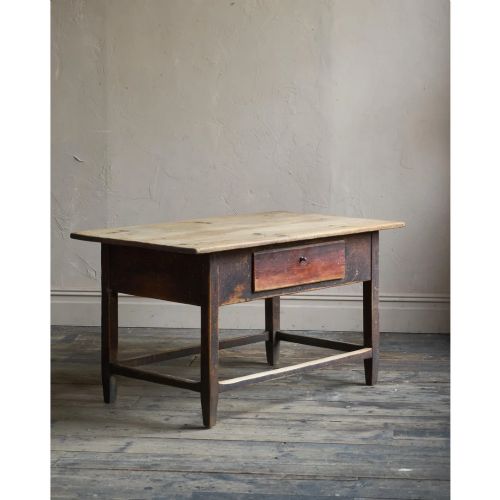
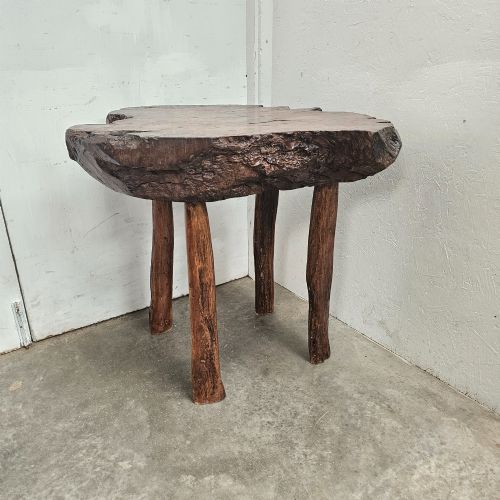
An antique folk table is a utilitarian domestic surface shaped by regional traditions and domestic necessity rather than formal academic design. When buyers search for an antique folk table, they encounter diverse domestic forms ranging from drop-leaf side tables to primitive dining tables and occasional pieces.
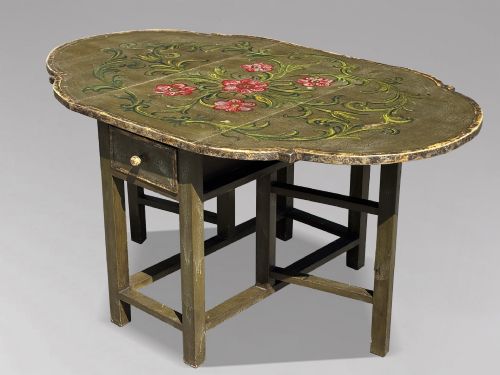
The selections on this page draw heavily from nineteenth-century European country workshops, featuring Scandinavian painted pine, rustic Catalan shepherd surfaces, and Italian green-painted drop-leaf designs. These items reflect local rural materials and straightforward construction methods intended for daily household labour.
How they were made
Makers utilised available regional timber such as pine, oak, linden, and mixed hardwoods, shaping surfaces with hand tools like saws, drawknives, and adzes. Joinery was kept functional, employing pegged joints, dovetails, and simple turnings suited to local village carpentry.
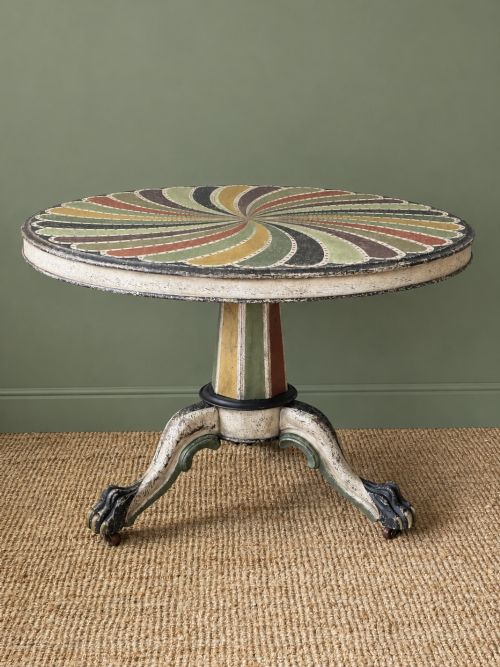
Many surfaces received layers of paint, ragwork decoration, or later floral and petal designs over bare wood. Hardware elements like brass or iron hinges and brackets were fitted to folding, drop-leaf, or tilt-top configurations.
Antique Folk Table Retail Price Guide 2026
Typical asking prices for folk table among the pieces listed under this phrase on Sellingantiques today, from the lower quarter to the upper quarter. They describe what is for sale here now, not the wider market.
Listings feature items dated from the nineteenth century through the 1930s, constructed in pine, oak, hardwood, and paint.
What varies in quality
Quality rests in the integrity of the original construction and the preservation of authentic surface finishes, such as aged paint or deep patination built through generations of use. Tables that retain their structural soundness without excessive modern timber replacement stand apart from heavily altered examples.
The character of the carving or painted decoration heavily influences the distinction between standard utilitarian furniture and exceptional regional art. Distinctive regional quirks, balanced proportions, and untouched patination elevate the standing of a piece.
The Antique Folk Table Glossary
- Drop-leaf table
- A table with hinged flaps on either side that can be folded down or supported by swinging legs to save space. This mechanism allowed rural households to adjust surface size according to daily requirements.
- Ragwork
- A decorative paint technique applied with rags or cloths to create textured, mottled patterns on wooden surfaces. Swedish workshops frequently employed this method to ornament painted furniture.
- Tripod
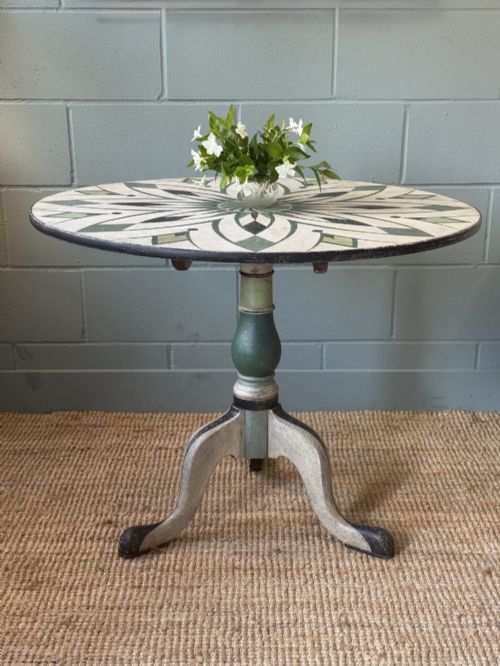
- A piece of furniture supported by three legs, commonly seen on small side tables and butcher blocks. This configuration ensured stability on uneven stone or earth floors in rural cottages.
- Treen
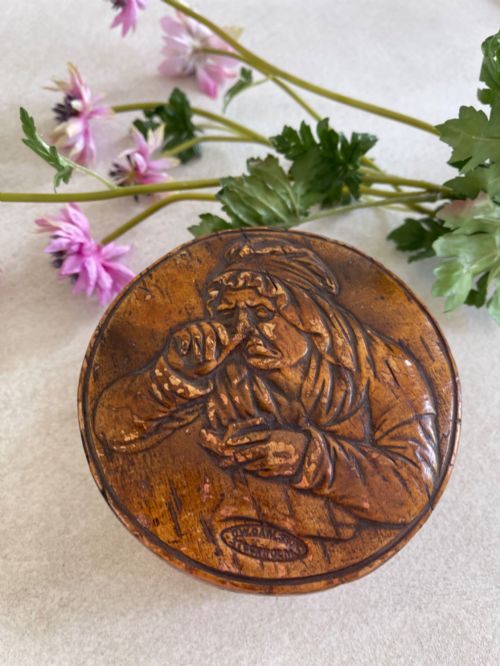
- Small handmade wooden household objects and utilitarian wares. Collectors use this term for carved wooden items like nutcrackers and snuff boxes produced before mass manufacturing.
- Patina
- The surface sheen and coloration developed on wood and paint over decades of handling and exposure. A rich patina indicates age and continuous domestic use.
Antique Folk Table: Frequently Asked Questions
What defines an antique folk table?
An antique folk table is a domestic wooden surface created outside mainstream academic design traditions, usually reflecting regional craftsmanship and local materials.
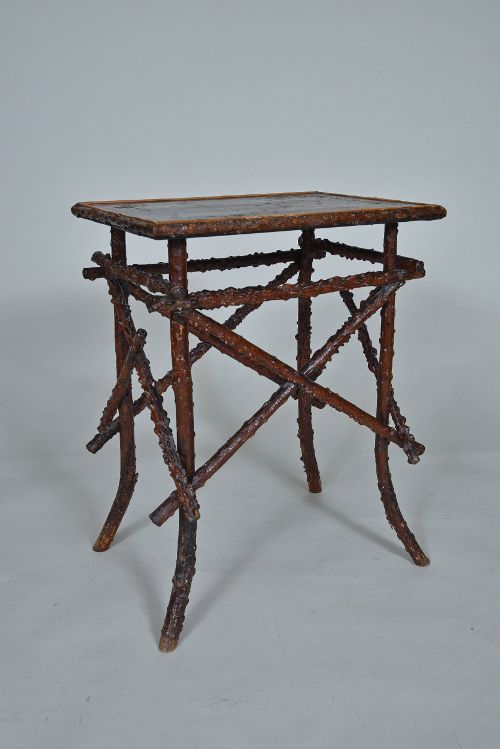
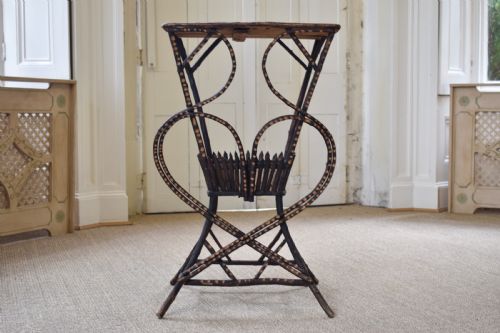
These pieces include painted pine side tables, twig occasional tables, and primitive dining furniture made during the nineteenth and early twentieth centuries.
How do I care for a painted folk table?
Painted surfaces require gentle cleaning with a soft, dry cloth and protection from direct sunlight and excessive humidity to prevent flaking.
Avoid chemical polishes or abrasive cleaners that can strip away original historic layers and delicate patination.
Where were these tables originally made?
These tables originate from rural workshops across Europe and beyond, with strong representation from Scandinavian, Italian, French, and Catalan regions.
Local artisans built them for specific domestic tasks using native timber such as pine, hardwood, and fruitwoods.
Are all folk tables made of pine?
Pine is common in Scandinavian and European painted tables, but makers also utilised oak, linden, mango wood, and mixed hardwoods depending on regional availability.
Some pieces incorporate iron, brass, or glass elements alongside the primary wooden structure.