



Antique Folk Pottery
These pieces of antique folk pottery bring tactile domestic history to a room through regional glazes and humble domestic forms.
Antique Folk Pottery
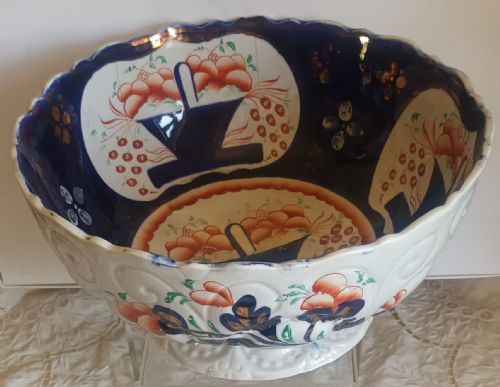
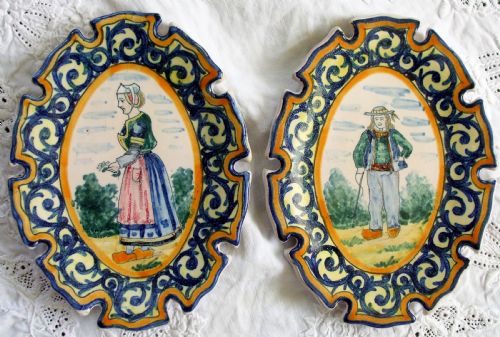
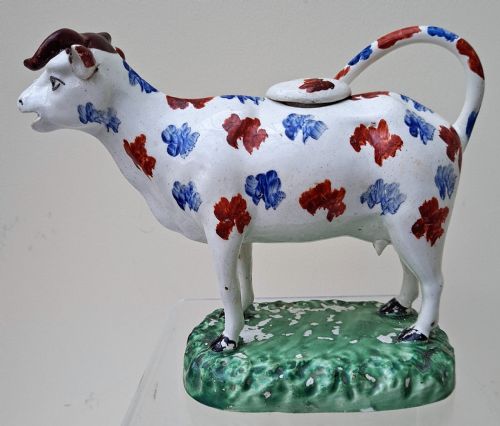
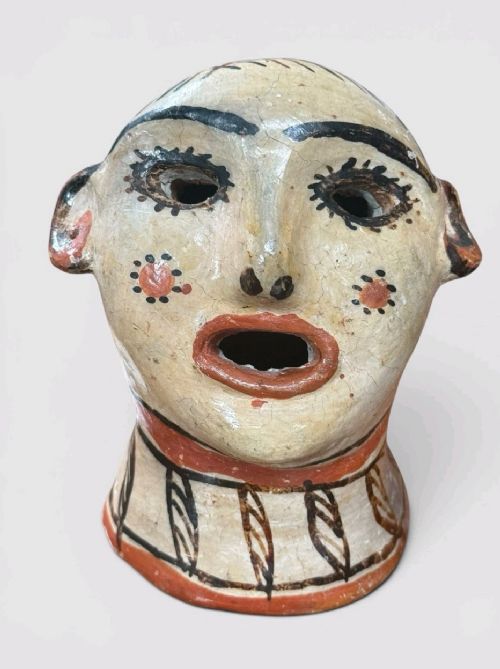
When you search for antique folk pottery, you encounter utilitarian and decorative wares shaped by regional traditions across Britain and continental Europe. The selection spans humble dairy bowls, tavern jugs, and cow creamers alongside expressive figures and wall plaques.
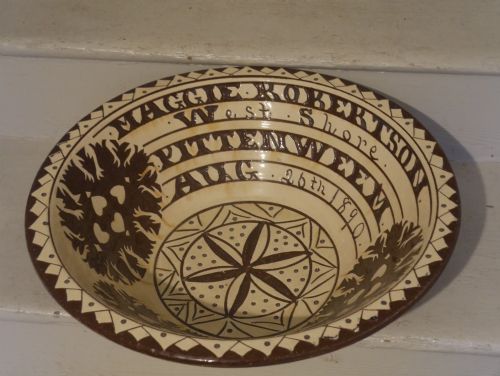
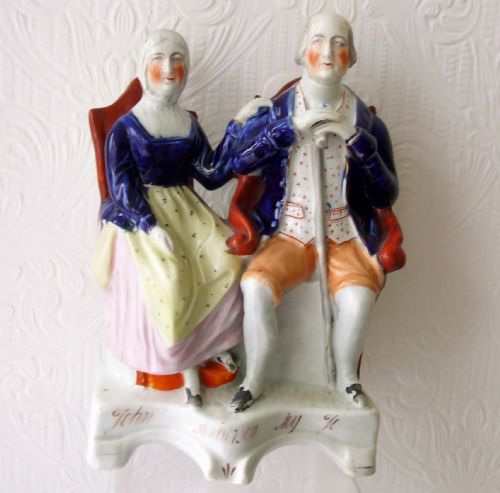
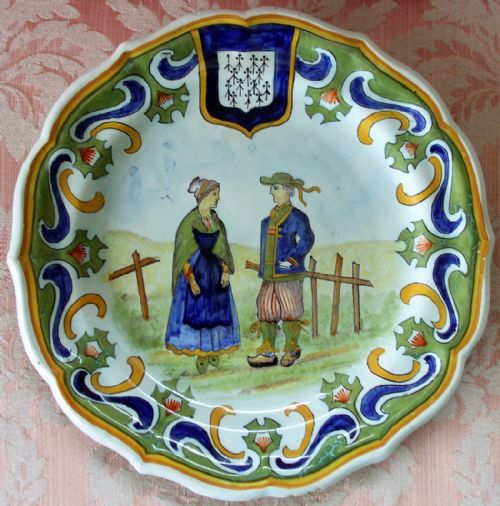
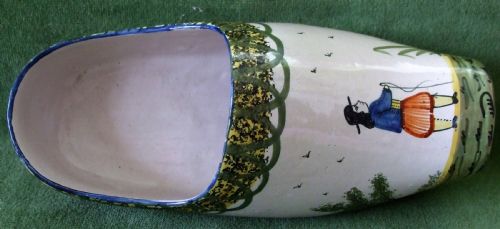
The objects stem predominantly from the nineteenth century, though earlier Dutch slipware and seventeenth-century tavern vessels appear alongside pieces from the Edwardian era. Forms range from Scottish Seaton pottery bowls and Verwood money boxes to French Quimper faience and Staffordshire portrait figures.
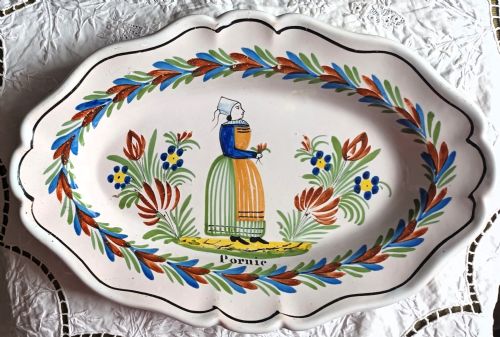
English and Welsh country pieces share space with French provincial ceramics from Bavent and Quimper, together with Dutch and German wares. This mixture reflects rural utility and popular local culture preserved in fired clay.
How They Were Made
Potters relied on local earthenware and terracotta clays, shaping vessels on the wheel or pressing figures into moulds before applying slip and lead glazes. Firing took place in traditional kilns, where fluctuating temperatures yielded organic variations in the surface finish.
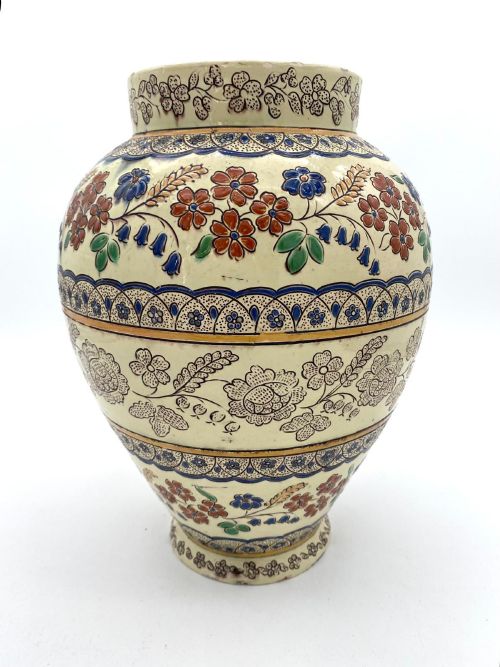
Decoration involved slip trailing, hand painting with enamel colours, and tin glazing to create the characteristic opaque white grounds seen on faience dishes. Wares like bargeware received rich brown glazes finished with applied moulded motifs and hand-painted inscriptions.
Antique Folk Pottery Retail Price Guide 2026
Typical asking prices for folk pottery among the pieces listed under this phrase on Sellingantiques today, from the lower quarter to the upper quarter. They describe what is for sale here now, not the wider market.
Listings feature earthenware and terracotta materials finished with lead glazes, tin glaze, and enamel across the nineteenth century.
What Varies in Quality
Quality rests in the directness of the modelling and the depth of the glaze, where fluid slip trails and rich lead finishes elevate a humble utility vessel. Strong regional character and clear attribution to specific potteries separate the exceptional examples from standard production.
The preservation of hand-painted details and the crispness of moulded figures determine the visual presence of sculptural items. Pieces that retain their original working character without excessive restoration hold greater appeal for the student of folk traditions.
Seaton Pottery·Verwood Pottery·Rozenburg
The Antique Folk Pottery Glossary
- Slipware
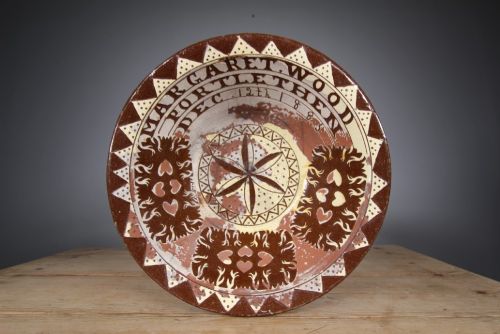
- Earthenware decorated with liquid clay applied before firing. This technique creates raised patterns or contrasting linear designs across bowls and jugs.
- Faience
- Tin-glazed earthenware produced in France and other European regions. It provides a smooth white background for colourful hand-painted designs.
- Staffordshire flatback
- Pottery figure modelled primarily for display on a mantelpiece with an unglazed or plain back. These pieces typically depict literary characters, historical figures, or local personalities.
- Bargeware
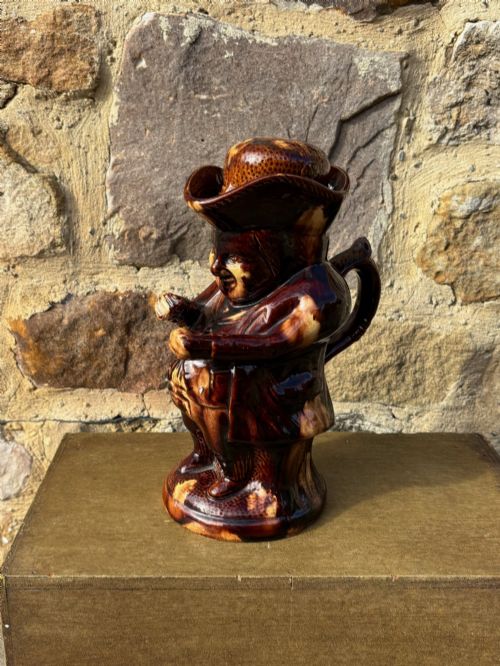
- Heavy brown-glazed brown pottery decorated with applied coloured motifs and applied floral sprigs. These utilitarian teapots and jugs were traditionally made along canal networks.
- Toby jug
- Pottery jug modelled as a stout, cheerful figure holding a mug of beer and a pipe. They date back to the Georgian period and reflect popular tavern culture.
Antique Folk Pottery: Frequently Asked Questions
What defines antique folk pottery?
These pieces comprise utilitarian vessels and decorative figures made by regional potters for everyday domestic use or local markets rather than elite consumption.
They rely on traditional local clays and straightforward glazing techniques, carrying the distinct character of their originating regions.
How were these ceramic pieces used?
Many items served practical domestic functions in the dairy, tavern, or kitchen, including milk bowls, money boxes, and large storage jars.
Other items, such as portrait figures, plaques, and decorative plates, served decorative purposes in modest homes and rural parlours.
How do I date an earthenware piece?
Dating relies on stylistic clues, manufacturing methods, and specific regional glaze formulations associated with known pottery traditions.
Earlier seventeenth-century pieces show heavier slip application, while nineteenth-century examples often incorporate moulded details and refined enamel colours.
How should I display them at home?
Their earthy tones and tactile surfaces suit rustic shelving, country dressers, or plain wooden sideboards where their varied forms can be appreciated.
Pairing utilitarian bowls with figurative pieces creates a balanced display that highlights the breadth of traditional rural craftsmanship.