


Antique Folk Box
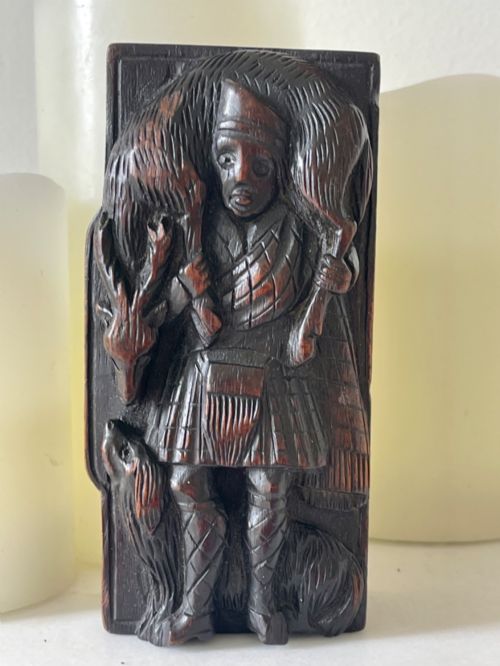
An antique folk box holds small treasures, personal mementos and domestic secrets crafted by hand outside academic traditions.
Antique Folk Box
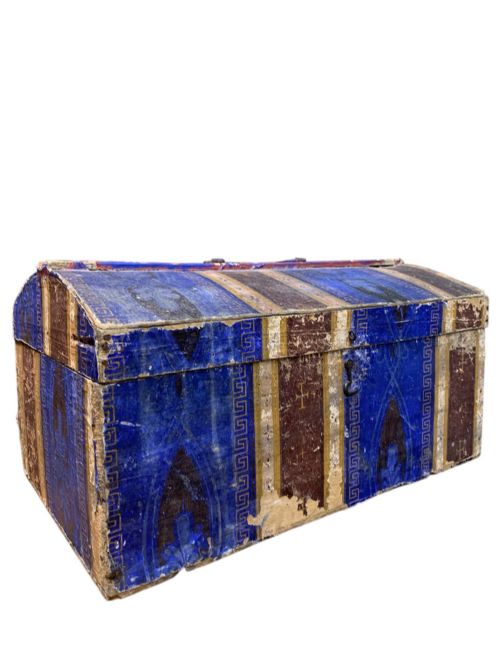
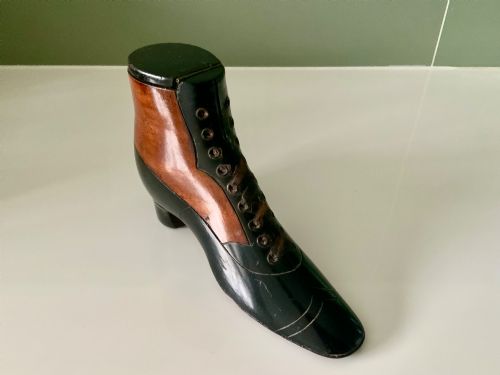
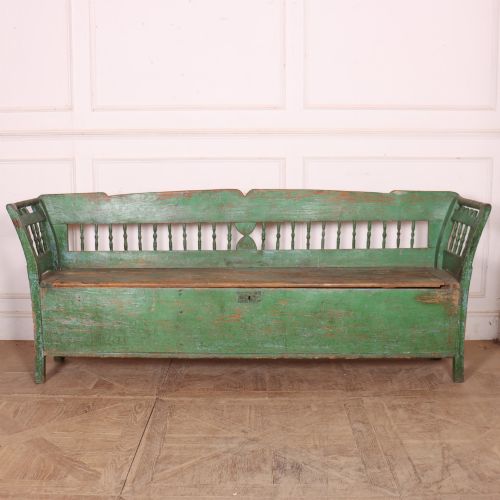
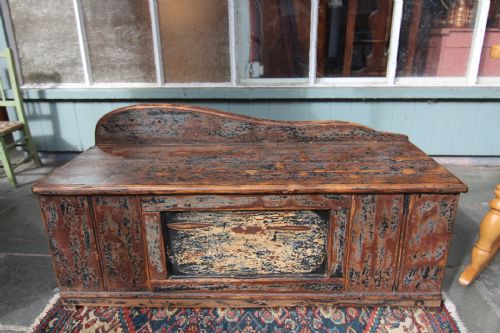
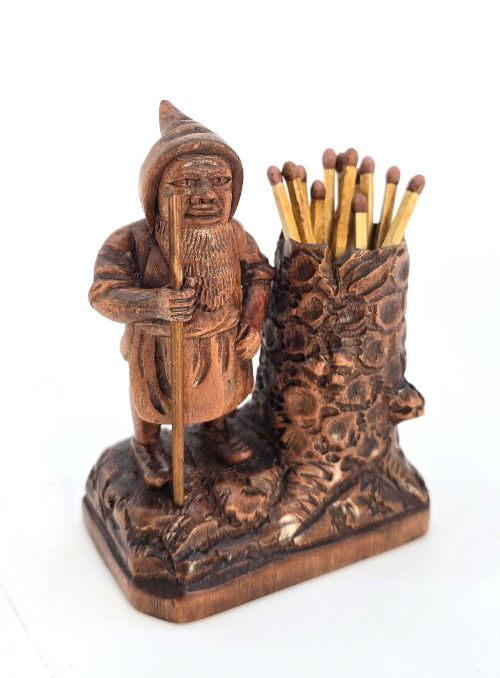
When you search for an antique folk box, you encounter small personal containers alongside larger storage chests made across various European and global regions. The selection leans heavily toward vernacular items such as snuff boxes, match holders, foot stoves and marriage chests.
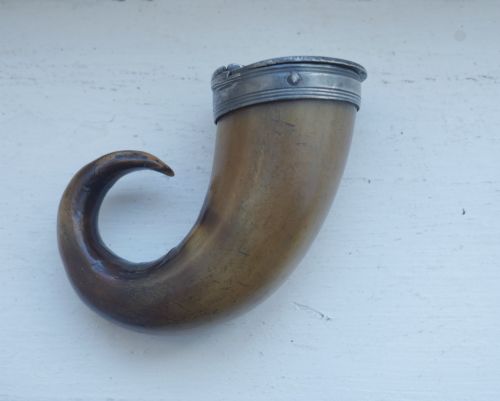
Makers from the 18th century onward shaped these containers for daily domestic life or specific rural customs. Common manifestations include chip-carved wooden boxes, painted pine trunks and horn snuff mulls reflecting local traditions.
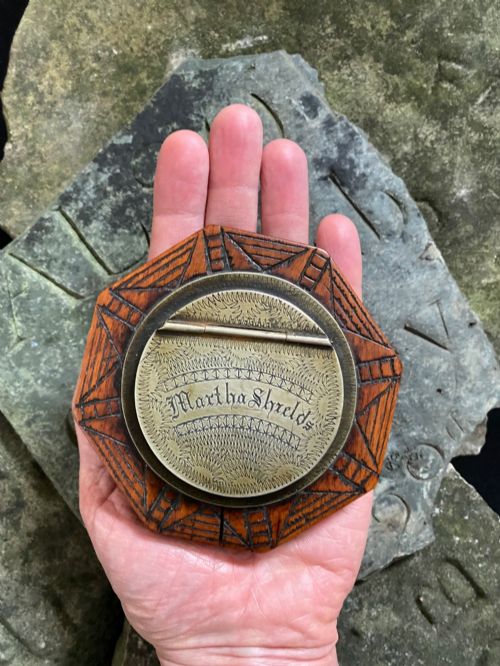
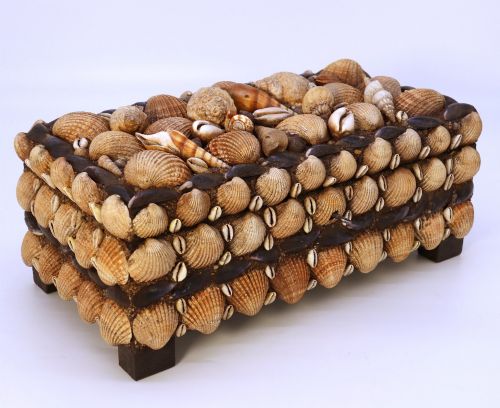
Regional styles dominate this category, ranging from Frisian chip carving to Scandinavian country painting and English shellwork. Each piece carries the distinct regional identity and material availability of its origin.
How they were made
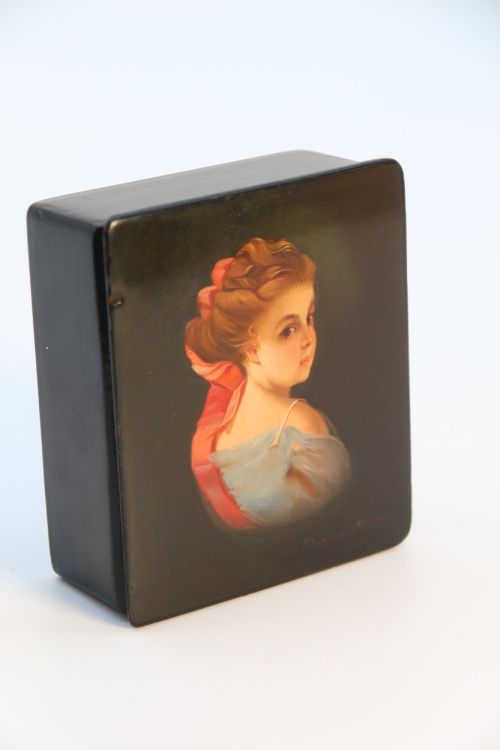
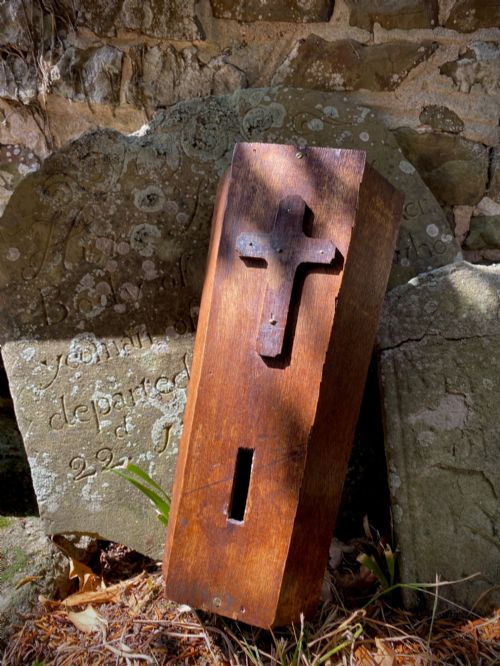
Wood serves as the primary medium, utilising native timbers such as pine, oak, fruitwood and limewood. Artisans also employed horn, bone, slate, leather and papier-mâché for specific portable containers.
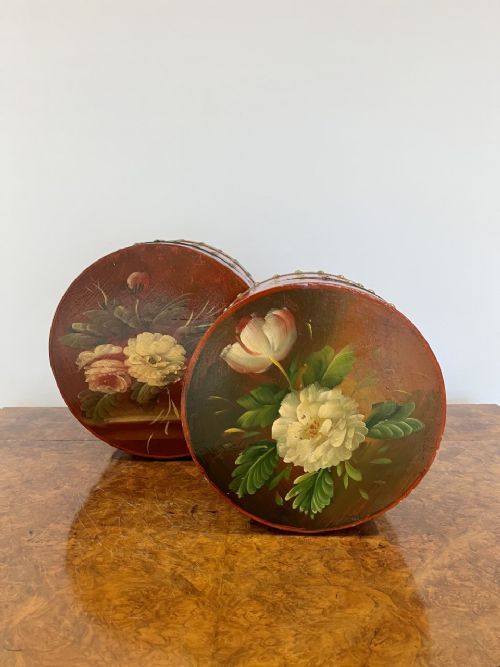
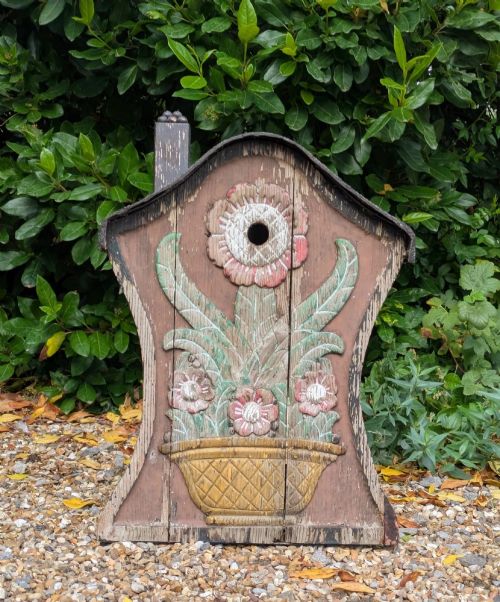
Surface decoration defines the construction of many pieces, executed through hand painting, polychrome pigments, chip carving and incised bone inlay. Iron strapwork and hand-forged hinges frequently reinforce the pine and hardwood chests.
Makers often relied on simple hand tools to achieve naive yet accomplished results, incorporating salvaged elements like maritime cork or shells. Construction methods prioritize utility and direct personal expression over industrial precision.
Antique Folk Box Retail Price Guide 2026
Typical asking prices for folk box among the pieces listed under this phrase on Sellingantiques today, from the lower quarter to the upper quarter. They describe what is for sale here now, not the wider market.
Materials documented across the pieces include pine, oak, fruitwood, limewood, horn, bone, slate, iron, brass and glass.
What varies in quality
Quality rests upon the confidence of the hand carving and the integrity of any original painted surface. Untouched paintwork and crisp chip carving elevate a piece significantly above examples with later surface alterations.
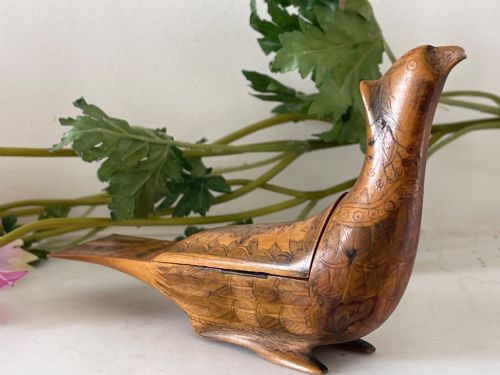
The sophistication of the vernacular design and the harmony of material combinations dictate the upper tiers of the category. A fruitwood box inlaid with precise bone motifs demonstrates greater artisan engagement than a plain utilitarian container.
The survival of original internal components, such as compartments in snuff boxes or strapwork on chests, preserves the integrity of the object. Consideration also applies to how well the regional decorative style expresses itself without feeling overly formulaic.
The Antique Folk Box Glossary
- Treen
- Small handmade wooden household objects and utilitarian items. These pieces were turned or carved for daily domestic use.
- Chip carving
- A technique where wood is removed in chips from a single piece with a knife or chisel. It creates geometric patterns on surfaces such as foot stoves and small boxes.
- Snuff mull
- A small container specifically designed for holding dry snuff tobacco. They are frequently fashioned from animal horn or fruitwood.
- Tramp art
- A style of decorative woodwork where items are chipped, notched or carved from salvaged wooden boxes and cigar crates. The pieces often feature layered geometric chip-carved surfaces.
- Polychrome
- Decorated in multiple colours. This term describes painted wooden boxes and chests bearing surviving historical pigments.
Antique Folk Box: Frequently Asked Questions
What is an antique folk box?
An antique folk box is a handmade container created by regional artisans or untrained makers for domestic, personal or ceremonial use. These objects include small pocket containers like snuff boxes alongside larger painted pine chests.
Materials typically reflect local availability, ranging from native softwoods and hardwoods to horn, bone and slate. The decoration often displays distinctive regional folk art traditions rather than academic design styles.
How do I care for painted wooden boxes?
Painted wooden boxes require stable indoor humidity away from direct sunlight to protect the fragile historic pigments. Avoid using modern chemical polishes or water on painted or waxed surfaces.
Dusting gently with a dry, soft cloth preserves the original surface patina. Excessive cleaning can remove the very traces of age that define the character of these items.
How can I tell the period of a folk box?
Dating relies on examining construction marks, fastener types such as hand-forged iron strapwork, and the ageing characteristics of the wood or paint. Eighteenth-century pieces often show distinct joinery compared to Victorian or Edwardian examples.
Stylistic motifs and regional decorative patterns also provide strong clues to the era of manufacture. Comparing the wear patterns to documented examples helps confirm the timeline.
Were these boxes used every day?
Most folk boxes served practical functions in past households, from storing tobacco and matches to warming feet during winter. Items like marriage chests held important textiles and personal documents for rural families.
Their daily handling contributed to the worn patinas and smoothed edges seen today. Even decorative pieces generally had a specific place within the historic domestic routine.