


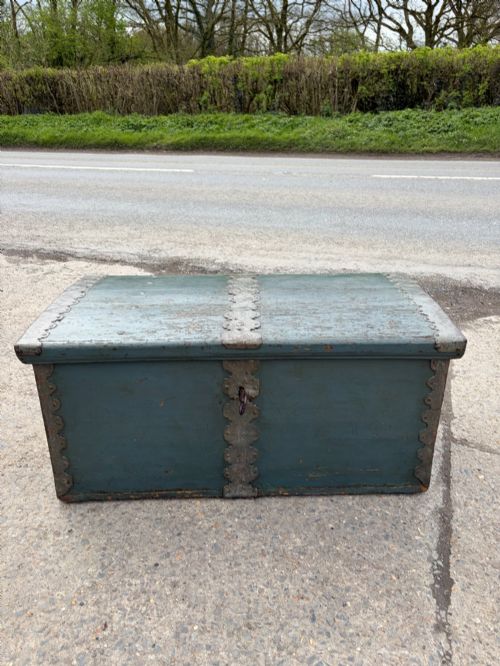

Antique Folk Art Storage
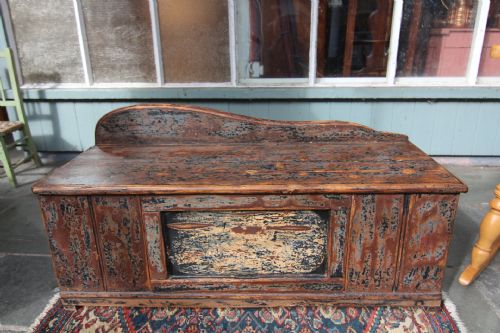
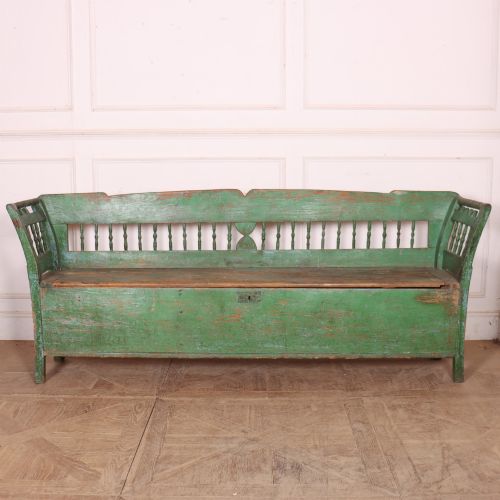
Antique folk art storage pieces bring domestic history into the room, offering sturdy wooden boxes, trunks, and painted chests built for everyday use.
Antique Folk Art Storage
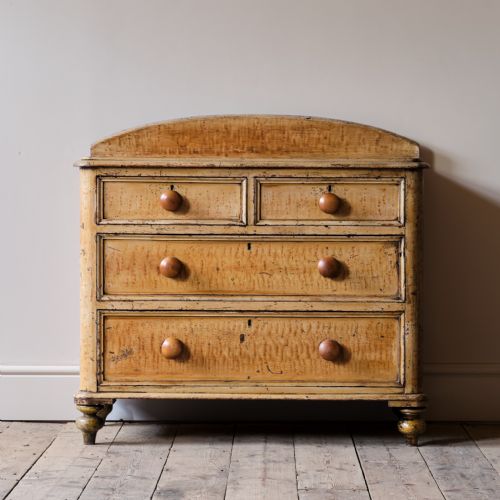
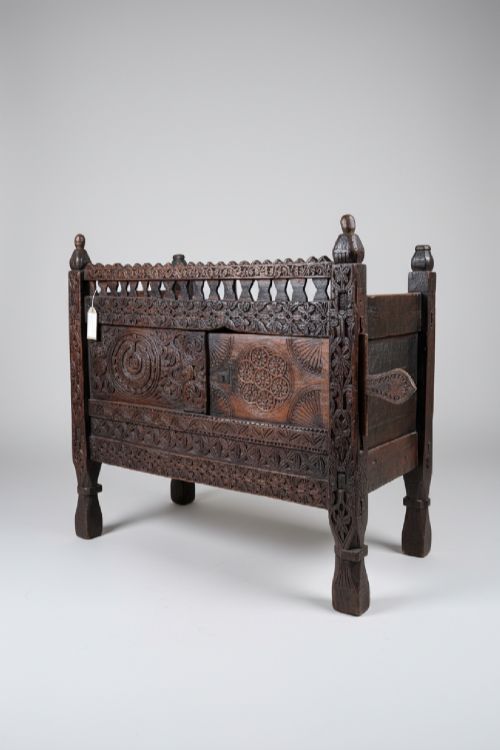
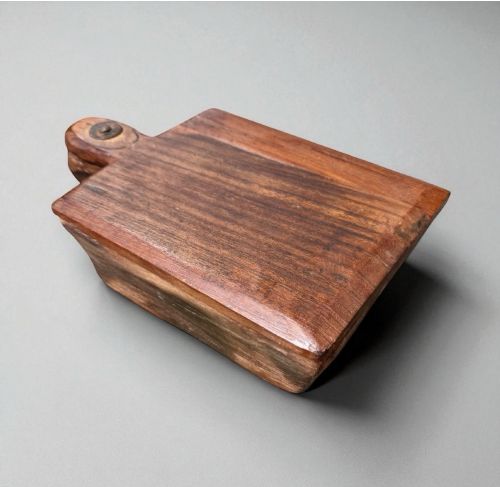
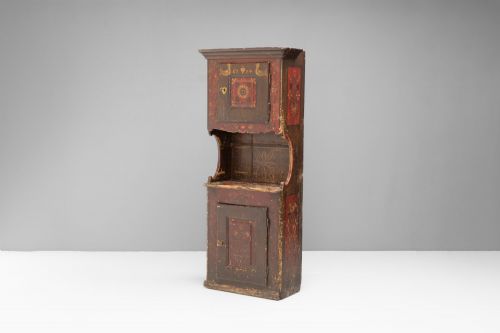
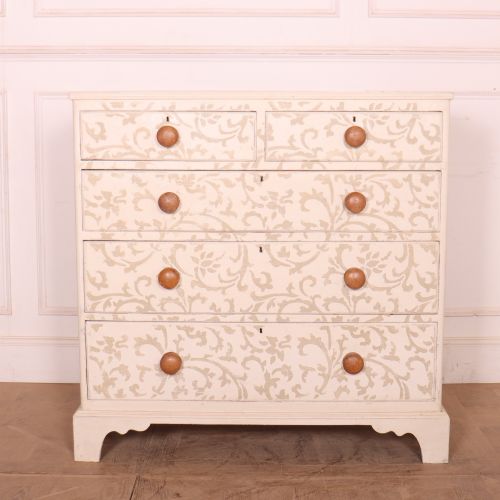
Forms range from small spice powder boxes and coffer boxes to large mule chests, dressers, and hall wardrobes. Buyers encounter sturdy pine and oak constructions shaped by regional rural traditions rather than metropolitan workshop standards.
How they were made
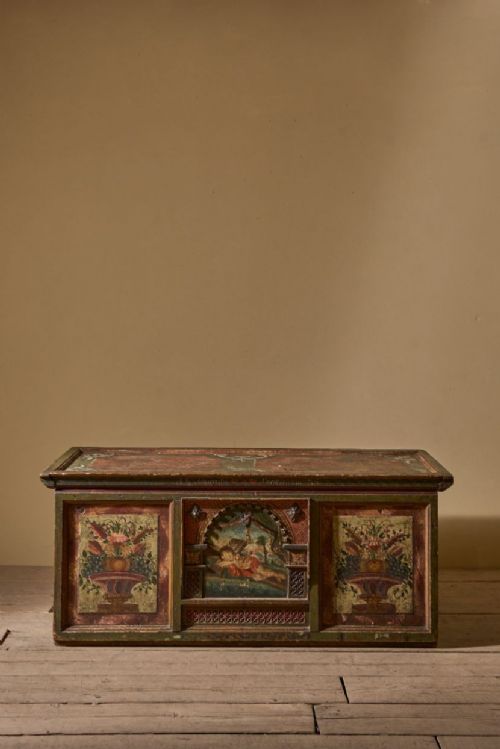
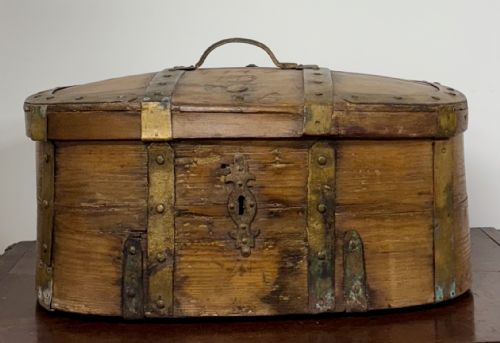
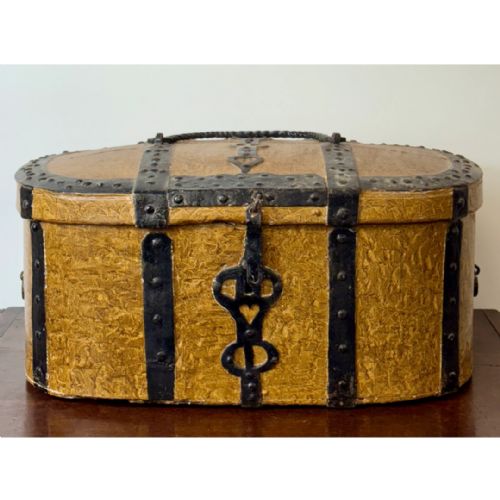
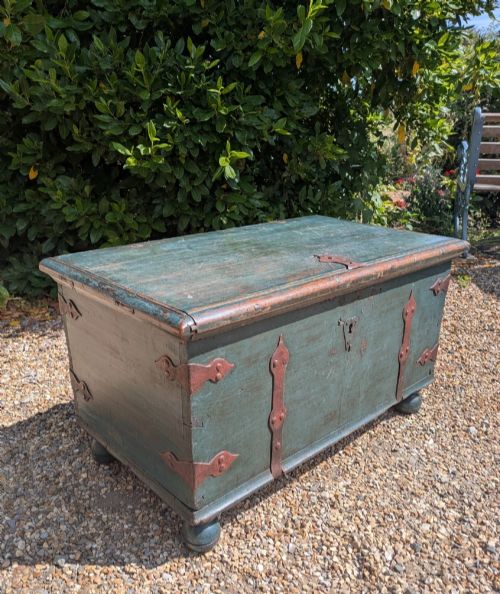
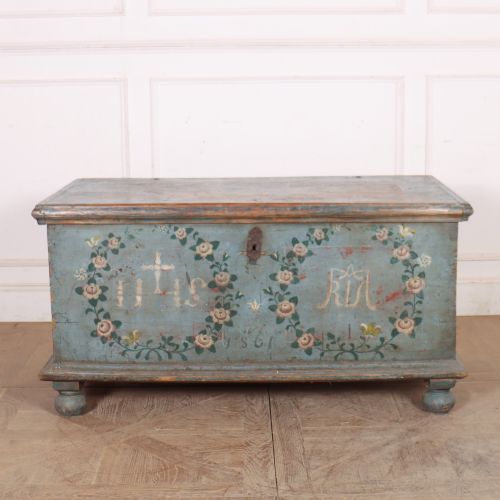
Carpenters constructed these storage pieces primarily from solid pine and oak, relying on hand-forged iron strapwork and brass fittings for structural reinforcement. Surfaces frequently retain original paint finishes, applied in floral or decorative motifs characteristic of European folk art traditions.
Makers utilised simple hand tools to shape heavy timber planks into dovetailed or pegged joints, securing lids and doors with wrought iron hinges. Baskets similarly emerged from hand-woven pine techniques practiced in rural Scandinavian communities.
Some chests still whisper of old dried spices and decades of mountain winters.
What varies in quality
Quality rests upon the preservation of original painted surfaces and the integrity of the underlying timber. Pieces retaining unblemished regional artwork and authentic hand-forged ironwork sit at the upper end of the scale compared to later repainted surfaces.
Construction robustness also defines the standard, with tightly fitted joints, original brass hardware, and unaltered interior compartments distinguishing superior rural joinery from heavier, compromised examples.
The Antique Folk Art Storage Glossary
- Marriage trunk
- A large wooden chest traditionally given to a bride to hold her dowry linens and household goods. These often display painted dates, initials, or floral motifs.
- Coffer box
- A heavy wooden storage chest fitted with a hinged lid, used historically for valuables or dry goods. They form a staple of rural domestic furniture.
- Strapwork
- Decorative metal bands or hinges fixed across the exterior of a chest for strength and visual contrast. Wrought iron versions are typical on rural pieces.
- Mule chest
- A storage chest featuring one or more drawers built into the base beneath the main compartment. This hybrid form bridges the chest and the chest of drawers.
- Cassone
- A large Italian storage chest historically used for marriage celebrations and precious household textiles. They often feature elaborate painted decoration.
Antique Folk Art Storage: Frequently Asked Questions
How do I care for original painted pine?
Original painted surfaces require gentle handling to preserve the historic pigments and binders. Keep pieces away from direct sunlight and excessive humidity swings to prevent wood movement and flaking paint.
Dust lightly with a dry cloth and avoid modern chemical polishes or abrasive cleaners that can strip or soften the historic finish.
What is the difference between a coffer and a chest?
A coffer typically refers to a heavy, robust wooden box with a hinged lid used for securing valuables, while a chest is a broader term encompassing various lidded storage forms. In rural folk art contexts, the terms often overlap.
Both served central roles in domestic life before built-in closets became common in residential architecture.
Where were these painted storage pieces made?
These storage items originate from rural workshops across 18th-century and 19th-century Europe, including Sweden, Norway, Hungary, Austria, and Italy. Local carpenters and itinerant painters decorated them using regional motifs.
Farmhouse environments and provincial estates produced these items to meet everyday domestic needs with distinct local artistic flair.