

Antique Folk Art Statues
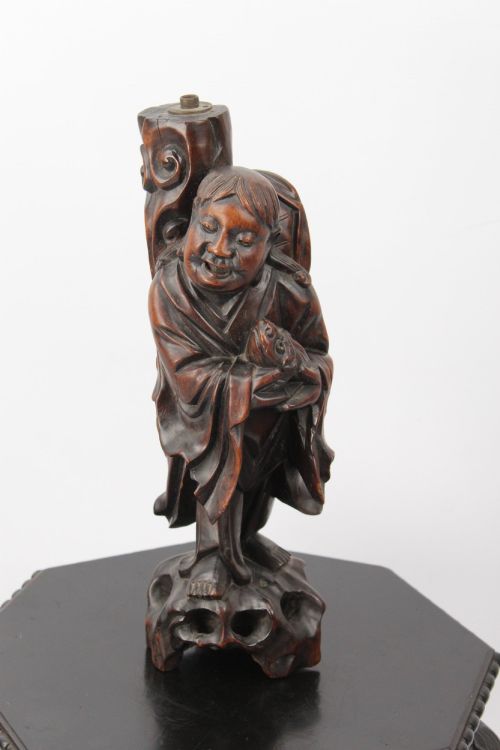
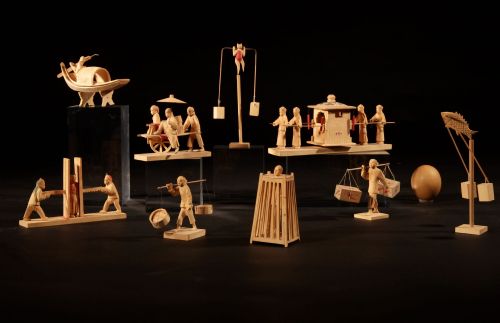
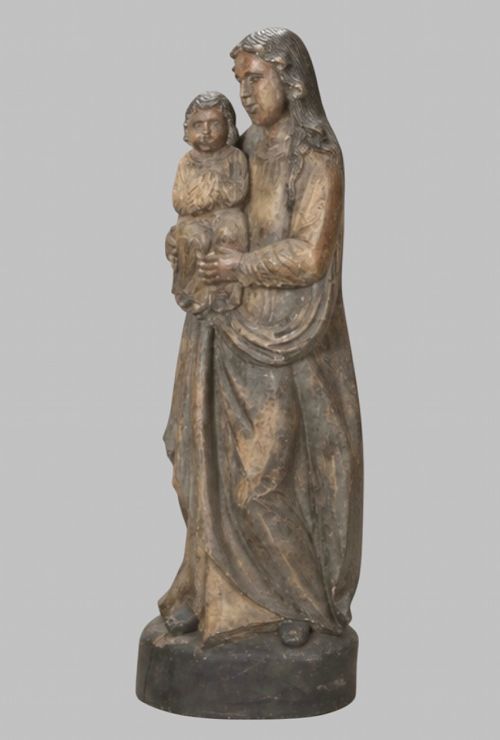
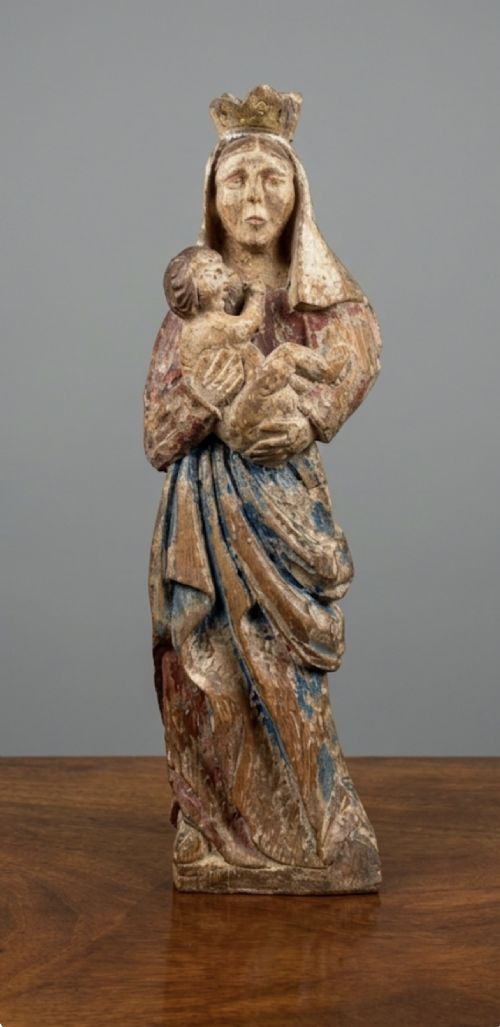
These antique folk art statues bring character to a room through carved wood and painted surfaces made by hands long gone.
Antique Folk Art Statues
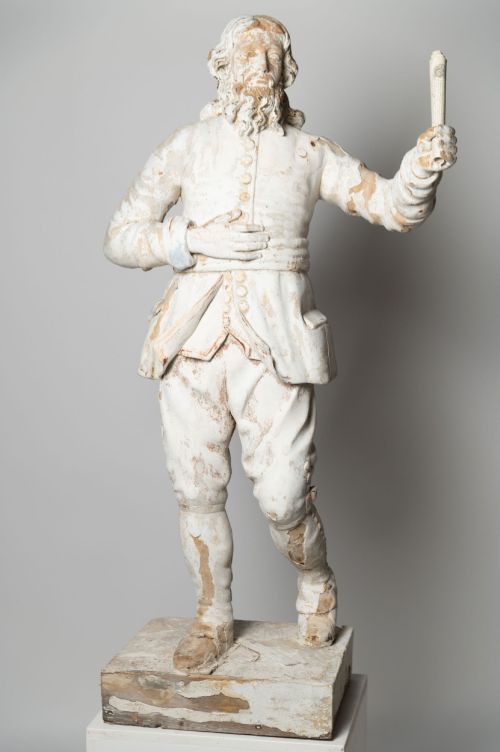
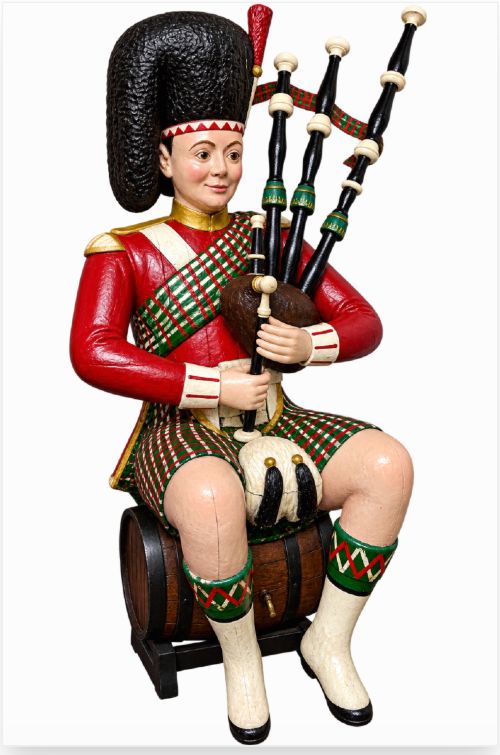
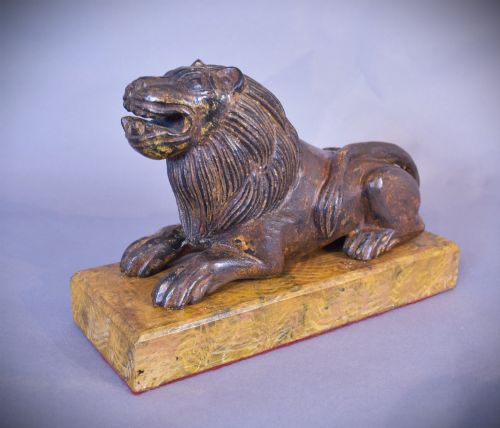
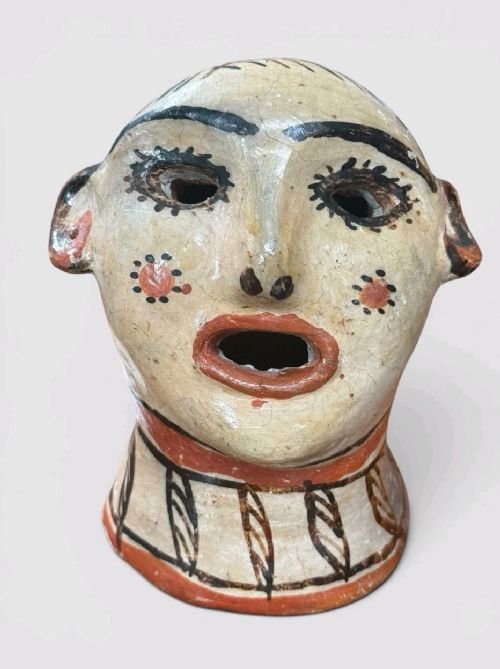
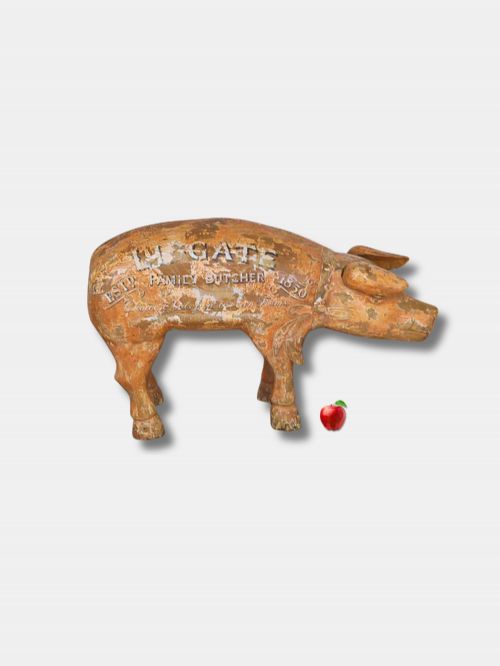
These pieces encompass carved wooden sculptures, trade signs, devotional figures, and animal depictions spanning multiple centuries. When searching for antique folk art statues, buyers encounter domestic carvings alongside trade figures and religious subjects.
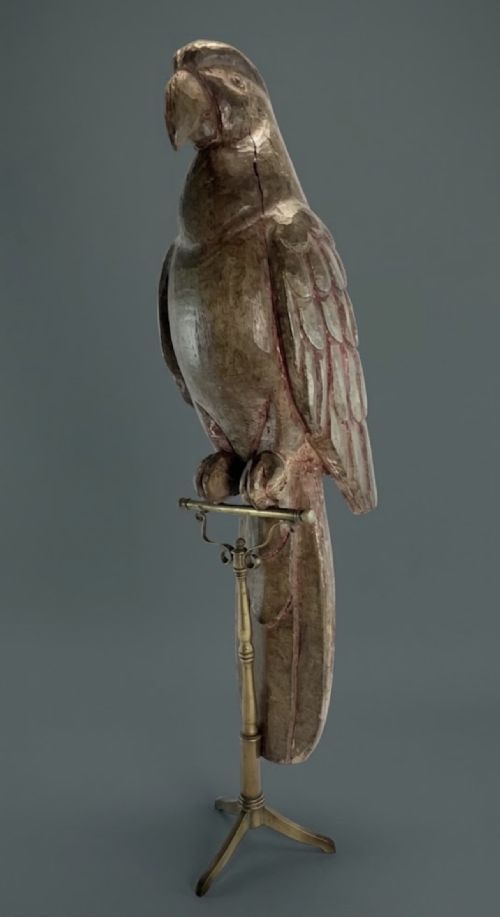
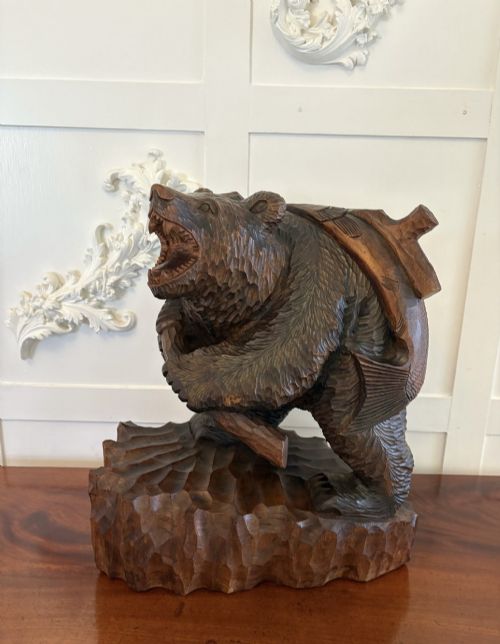
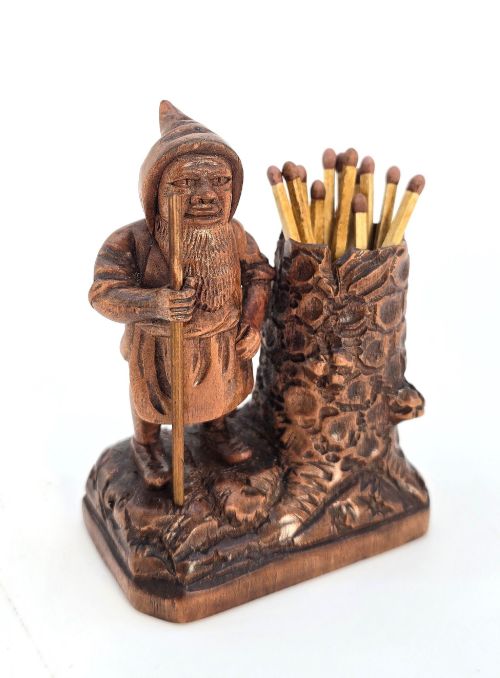
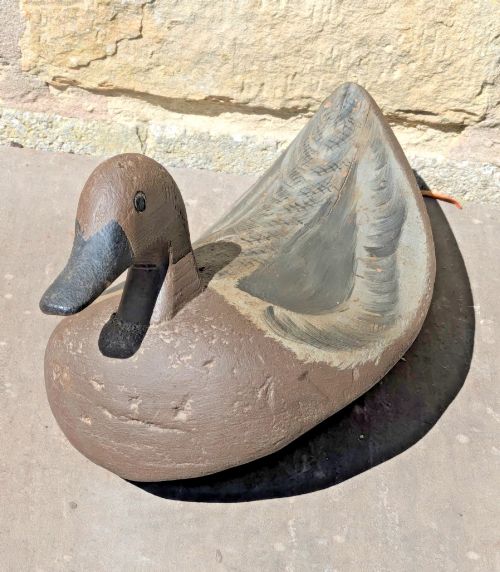
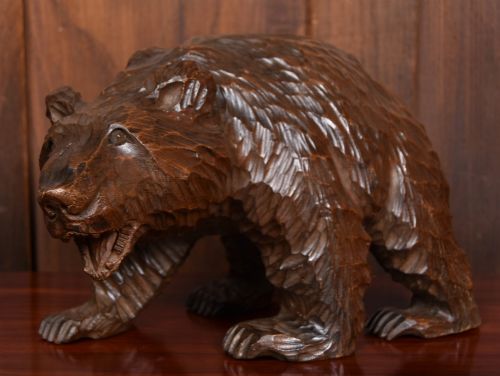
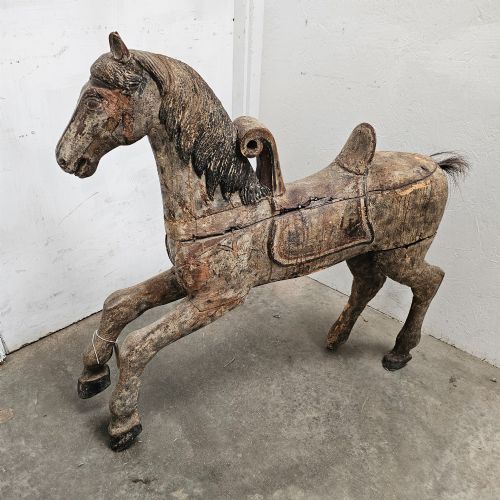
The selections originate from diverse traditions, including Black Forest, Japanese, Chinese, and Spanish workshops. Pieces range from small match holders and birds to large carousel horses and trade signs.
Dated works stretch from the seventeenth century through to the mid-twentieth century. Wooden animals and human figures dominate the forms seen on this page.
How they were made
Carvers shaped these items primarily from various woods including hardwood, limewood, walnut, linden, and burr root. Artisans also utilised metal, copper, gesso, and papier-mâché for specific forms.
Surfaces frequently display applied paint, polychrome decoration, or gold leaf accents. Many objects show hand-carved tool marks that reveal the direct methods of the maker.
The inventory includes items from the seventeenth, eighteenth, nineteenth, and twentieth centuries.
What varies in quality
The strength of the carving distinguishes superior examples from simpler pieces. Dynamic posture and expressive facial details elevate the presence of human and animal figures.
Original surface treatments, such as untouched early paint or natural wood patination, define the desirability of individual items. Wear and handling over decades contribute to the character of the piece without diminishing integrity.
Franz Keller
The Antique Folk Art Statues Glossary
- Polychrome
- Decorated in multiple colours. This technique appears on religious figures and trade signs.
- Gesso
- A plaster-based preparation applied to wood surfaces before painting. It provides a smooth base for colour.
- Black Forest
- A style of wood carving originating from the region in Germany. These works typically feature realistic animals and cultural figures.
- Santos
- A carved figure of a saint used in religious devotions. Processional examples often carry specific symbolic items.
- Tradesman's figure
- A carving created to advertise a profession or shop. These pieces served as outdoor or indoor trade signs.
Antique Folk Art Statues: Frequently Asked Questions
What materials are used?
Carvers utilised various woods such as hardwood, limewood, and walnut for these sculptures. Additional materials include copper, metal, gesso, and applied paint.
Surfaces often feature polychrome decoration or gold leaf. Some examples incorporate papier-mâché and straw.
How do I date them?
Dating relies on stylistic clues, tool marks, and the wear of the wooden substrate. Historical clothing styles and recorded maker signatures also provide chronological markers.
Paint analysis helps determine if surface coatings are original to the period of creation.
Where were they made?
Origins span across Europe and Asia, including British, French, German, Italian, Spanish, Chinese, and Japanese workshops. Regional carving traditions strongly influence the appearance of each piece.
Local trades and religious practices dictated the specific subjects chosen by regional makers.
How were they displayed?
Many figures functioned as trade signs outside shops to attract customers. Others served as devotional objects inside domestic homes or religious spaces.
Smaller carvings sat on tables or shelves as decorative ornaments.