



Antique Folk Art Shoe
These antique folk art shoes are carved and shaped objects reflecting vernacular traditions, prized by collectors for their tactile warmth and social history.
Antique Folk Art Shoe
When you search for an antique folk art shoe, you encounter a surprisingly varied selection of utilitarian objects transformed by anonymous makers into decorative pieces. The pieces listed here span the eighteenth, nineteenth, and early twentieth centuries, crossing Georgian, Victorian, and Edwardian periods.
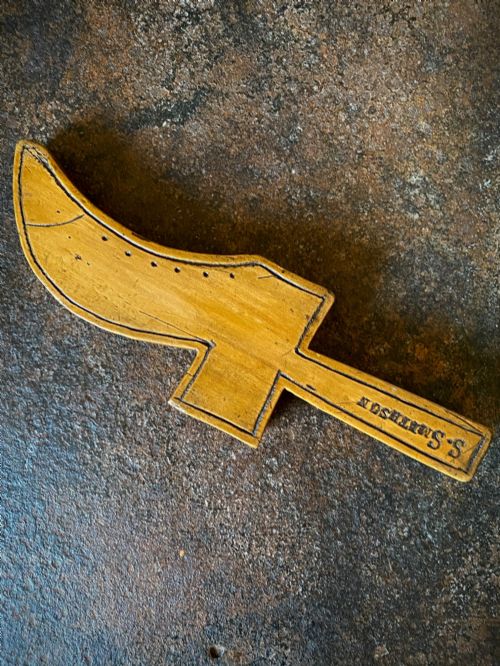
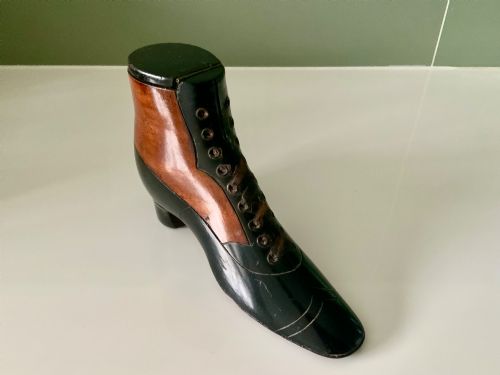
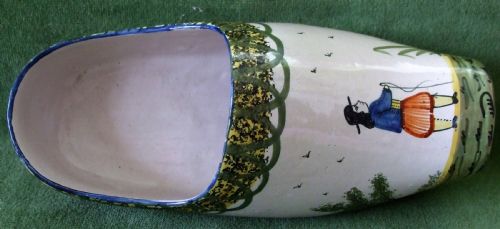
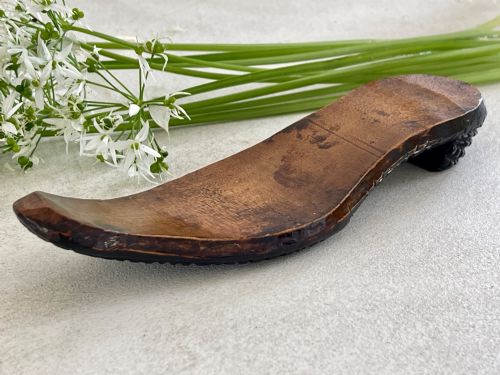
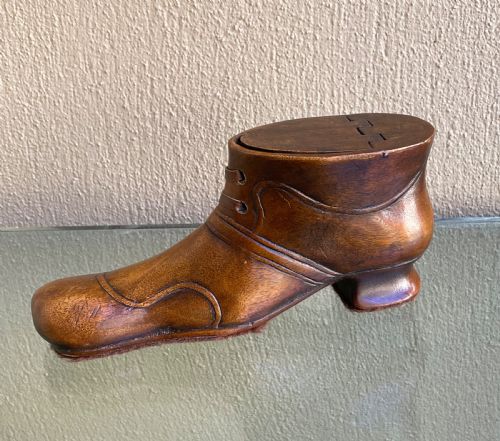
You are most likely to meet treen snuff shoes shaped like ladies' feet or clogs, alongside French faience sabots bearing initials. These items include double and single opening snuff boxes, knitting sheaths, and decorative ceramics.
The tradition encompasses British, French Provincial, and rustic farmhouse origins. Each piece demonstrates how everyday footwear inspired miniature carvings, trade signs, and token pieces of affection.
Materials and construction methods
Makers utilised available local timber, working extensively in fruitwood and dense hardwoods to carve intricate details by hand. Many of these items display a deep, rich patina developed through decades of handling and use.
Decoration went beyond simple carving to incorporate inlaid materials such as bone and metal. Brass pique work, painted foliage, and inserted images add decorative contrast to the warm timber surfaces.
Antique Folk Art Shoe Retail Price Guide 2026
Typical asking prices for folk art shoe among the pieces listed under this phrase on Sellingantiques today, from the lower quarter to the upper quarter. They describe what is for sale here now, not the wider market.
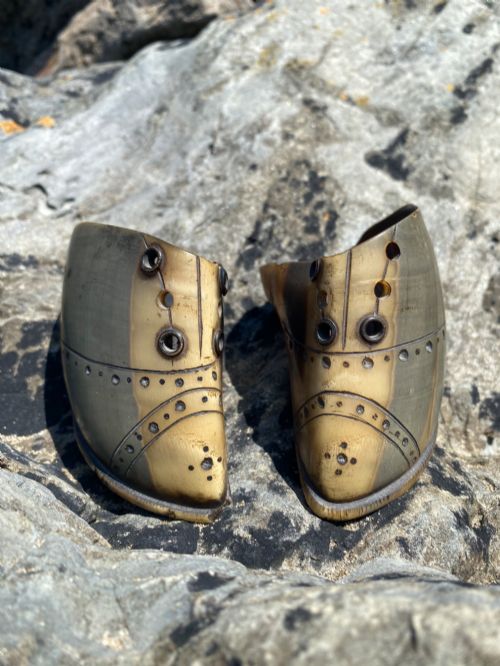
At least one maker decided that a standard shoe was not enough, carving a double opening so two miniature toes point in opposite directions.
Evaluating craftsmanship and condition
Quality rests primarily in the sharpness of the carving and the complexity of the form. A well-executed piece shows careful attention to the shape of the shoe, toe, and heel, whereas simpler examples rely solely on basic outlines.
Surface preservation significantly influences the character of each object. Pieces retaining crisp inlaid metalwork, clear painted details, and an undisturbed tactile patina command greater interest than heavily worn or scrubbed examples.
The Antique Folk Art Shoe Glossary
- Treen
- Small wooden domestic objects made by turning or carving. This term covers items from domestic utensils to small novelty boxes.
- Sabot
- A traditional wooden shoe carved from a single block of timber. In ceramic form, these appear as decorative earthenware items.
- Pique work
- A method of decoration using tiny pins or wire inlaid into wood or tortoiseshell. It frequently forms geometric patterns and floral motifs on snuff boxes.
- Snuff box
- A small container designed to hold powdered tobacco. Many examples take whimsical forms, including footwear.
- Knitting sheath
- A domestic tool tucked into a belt or apron to hold a knitting needle steady. They often take sculptural miniature shapes.
Antique Folk Art Shoe: Frequently Asked Questions
What were shoe snuff boxes used for?
These containers held dry powdered tobacco, known as snuff, which users inhaled nasally. The hinged compartments kept the contents secure and dry during daily use.
Carved in the shape of footwear, they served as tactile pocket items that sparked conversation among acquaintances during the Georgian and Victorian eras.
How old are these wooden shoes?
The pieces seen here date predominantly from the eighteenth and nineteenth centuries, with some early twentieth-century examples. Earlier items often display Georgian characteristics, while later ones reflect Victorian tastes.
Dates are determined by the style of carving, the nature of the hinges, and the general wear evident on the wooden surfaces.
Are these items made from solid wood?
Most examples are carved from single blocks or joined pieces of dense timber, such as fruitwood or general hardwood. The material was chosen for its ability to hold fine carved details without splitting.
Makers often finished these wooden surfaces with wax or oil, which built up a deep patina over generations of handling.
What is Quimper faience?
Quimper faience refers to tin-glazed earthenware produced in the French town of Quimper. These ceramic items often feature hand-painted figures and traditional regional motifs.
In shoe forms, this earthenware served a decorative purpose rather than functioning as a practical container or snuff receptacle.