

Antique Folk Art Ornament
An antique folk art ornament brings handmade character into a room, spanning carved animals, painted birds and glazed pottery from past centuries.
Antique Folk Art Ornament
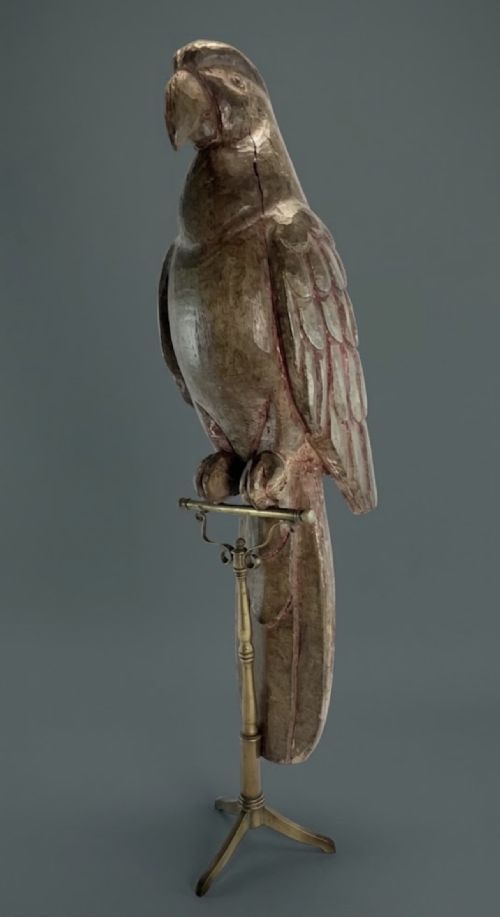
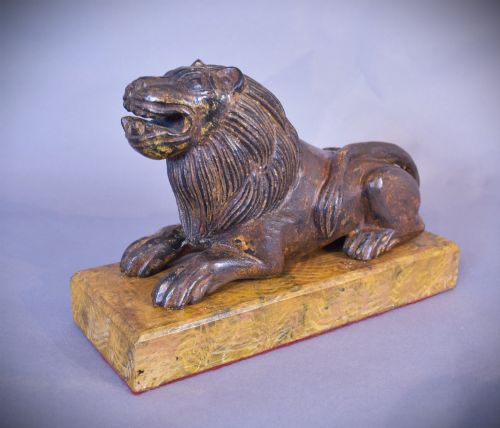
An antique folk art ornament encompasses hand-carved wooden animals, painted decoy ducks, tin weather vanes and glazed earthenware figures made by vernacular makers. These objects serve as decorative items rather than utilitarian household goods, reflecting local traditions and individual craftsmanship from the seventeenth century onwards.
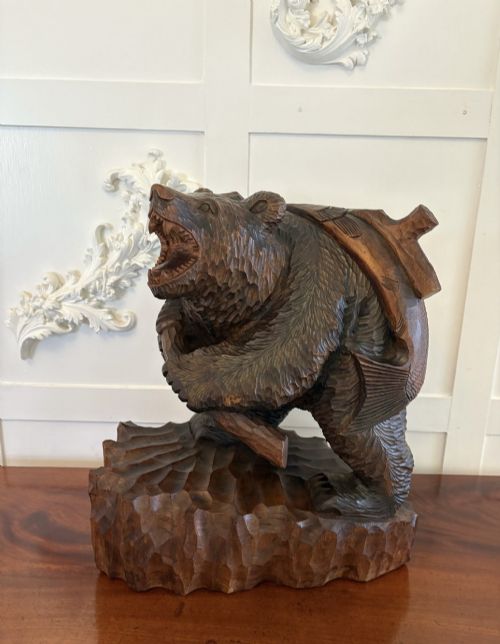
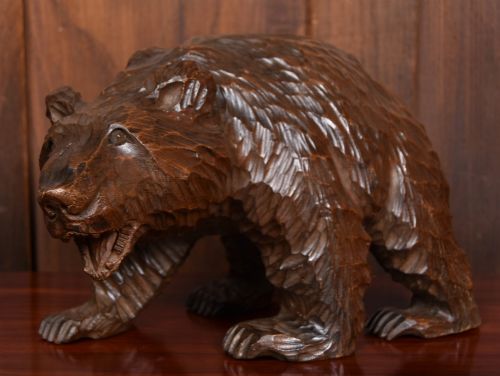
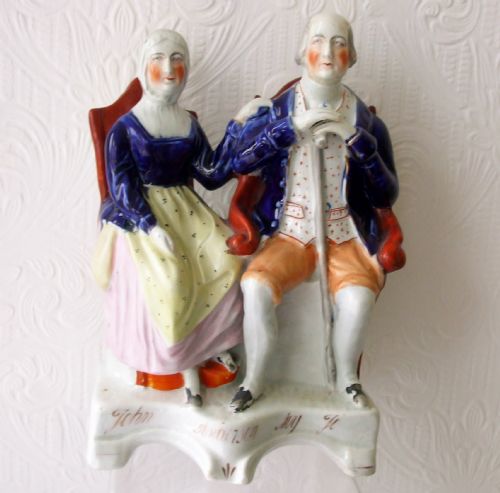
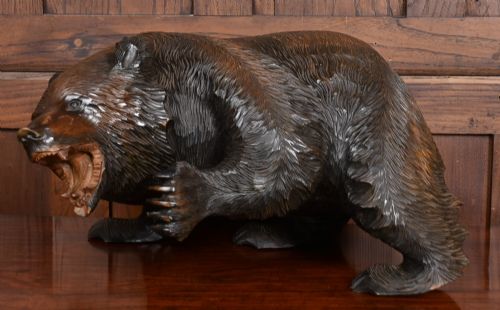
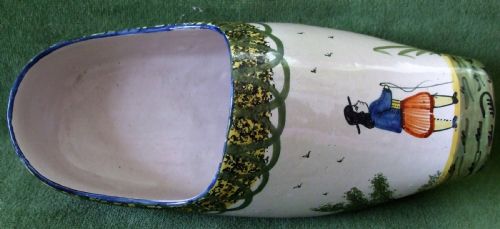
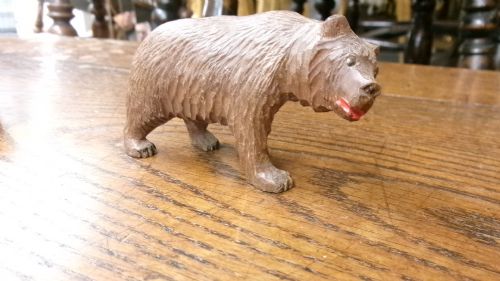
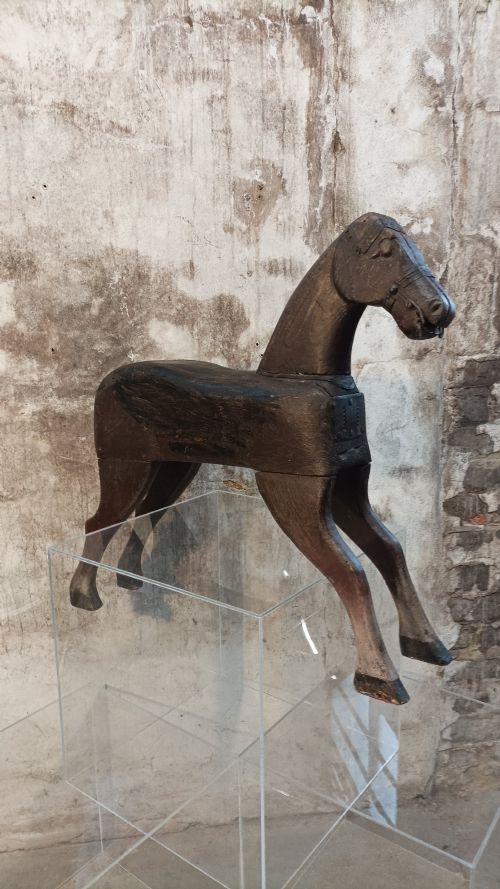
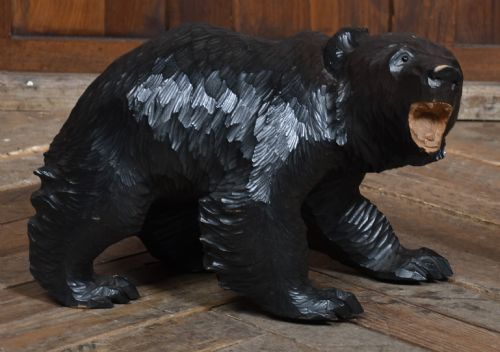
The pieces most frequently met on this page include nineteenth-century carved wooden bears, painted wooden horses, and English Staffordshire pottery figures. Alongside these sit French faience pottery, carved birds, and metal balance toys from the Edwardian and later periods.
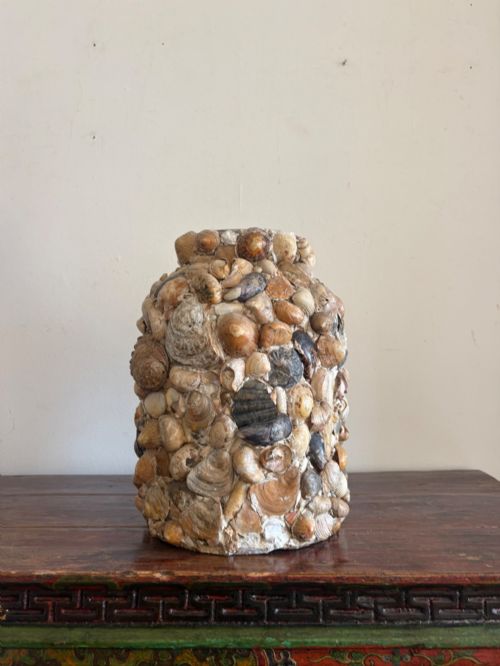
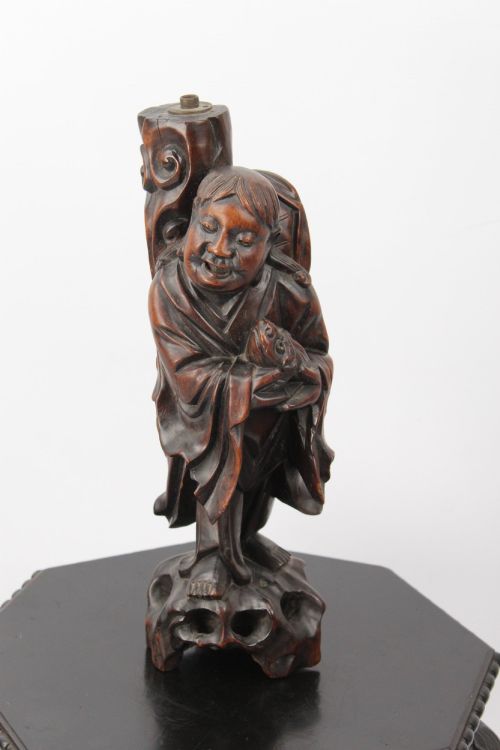
The selection ranges from vernacular European wood carvings to Asian decorative objects and British pottery figures. Each piece demonstrates the distinctive hand of its maker, whether carved from linden wood, moulded in earthenware, or shaped from sheet copper.
How they were made
Makers shaped these ornaments using traditional hand-working techniques applied to accessible local materials such as wood, earthenware, iron and copper. Carvers utilised hand chisels and knives on blocks of limewood, pine and oak to produce sculptural figures of animals and humans.
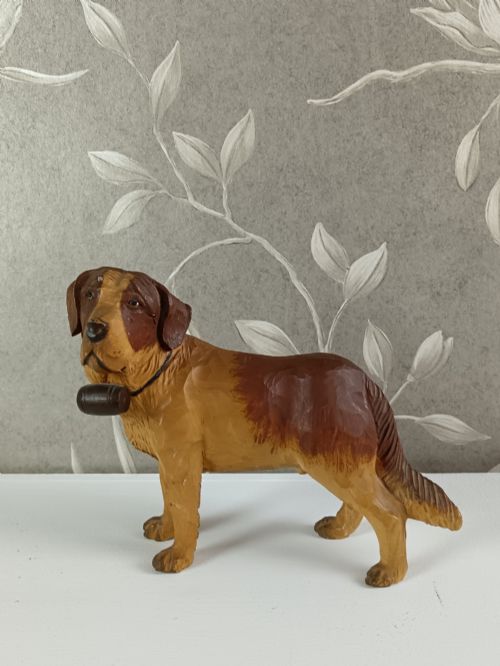
Surface decoration involved oil paint, enamel, or coloured glazes applied directly to the raw substrate, often showing brush marks and tool traces. Pottery figures received hand-painted details over slip or glaze before firing in traditional kilns.
Metal items combined sheet iron, brass and copper, joined through riveting or soldering to create weather vanes, balance toys and donation boxes. Papier-mâché and straw also appeared in sculptural studies of animals, bound together and painted by hand.
Materials recorded across the available selection include carved wood, earthenware, brass, iron, copper, enamel, papier-mâché and slate.
What varies in quality
The preservation of original painted surfaces and natural patination determines the integrity of an object over time. Retained original pigment, honest wear from handling, and stable material conditions separate untouched examples from those with extensive modern overpainting or heavy restoration.
The Antique Folk Art Ornament Glossary
- Folk art
- Objects created by self-taught or vernacular makers using traditional methods, outside academic artistic traditions. These pieces prioritise utility, expression and local style over formal academic design.
- Staffordshire figure
- Moulded earthenware pottery produced in the Staffordshire potteries of England during the nineteenth century. These decorative figures typically depict literary characters, animals or public figures in brightly coloured glazes.
- Decoy duck
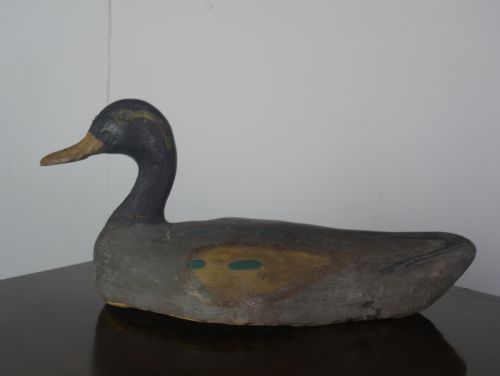
- A carved and painted wooden or paper-mâché water bird originally used by hunters to attract waterfowl. Surviving examples are collected for their sculptural qualities and tactile painted surfaces.
- Faience
- European tin-glazed earthenware, particularly associated with French and continental potteries. The technique produces a milky white opaque background suitable for hand-painted polychrome decoration.
- Weather vane
- An outdoor kinetic sculpture mounted on a pivot to show wind direction, commonly fashioned from sheet copper or iron. Makers often shaped these into silhouettes of cockerels, horses and other animals.
Antique Folk Art Ornament: Frequently Asked Questions
What is an antique folk art ornament?
An antique folk art ornament is a decorative object made by hand using traditional regional techniques, including carved wooden animals, painted metal weather vanes and glazed pottery figures.
These pieces reflect vernacular culture and individual craftsmanship rather than mass-produced factory standards, spanning centuries of domestic and outdoor decoration.
How were these ornaments used originally?
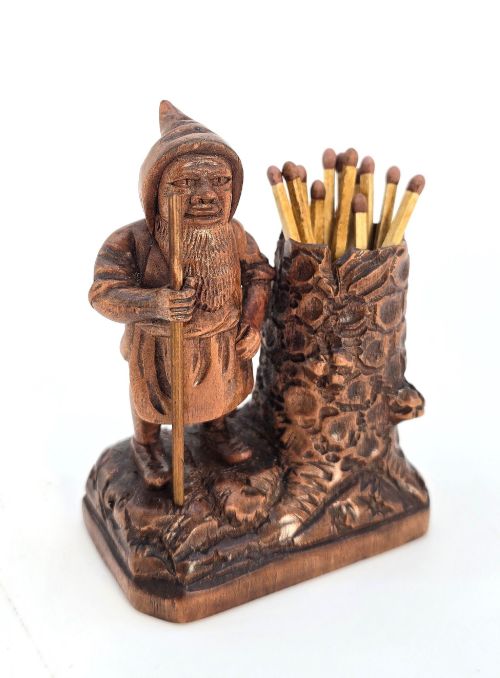
Many items served practical functions in daily life before becoming purely decorative, such as carved match strikers, tin donation boxes, decoy ducks and copper weather vanes.
Other objects, like Staffordshire pottery figures, Japanese wooden bears and metal balance toys, were made specifically for display on mantelpieces, shelves and tabletops.
How do I date a wooden folk art carving?
Dating relies on tool marks, timber selection, wear patterns and stylistic conventions associated with specific periods like the nineteenth or early twentieth century.
Examining the underlying material and any traces of original paint or surface finish helps connect the object to known historical manufacturing methods.
How do I care for antique painted wood?
Keep painted wooden carvings away from direct sunlight and sudden temperature shifts to protect fragile pigments and prevent wood from splitting.
Dust gently with a dry, soft brush and avoid using chemical cleaners or water on historic painted or unsealed wooden surfaces.