



Antique Flower Jug
An antique flower jug brings botanical life to a room through centuries of painted canvases, delicate porcelain forms, and heavy cut glass.
Antique Flower Jug
When you search for an antique flower jug, you encounter a surprisingly varied mixture of ceramics, oil paintings, watercolours, and glassware that capture floral arrangements from the eighteenth century through the mid-twentieth century.
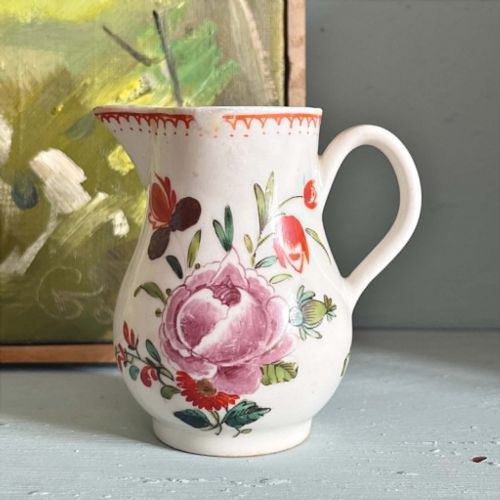
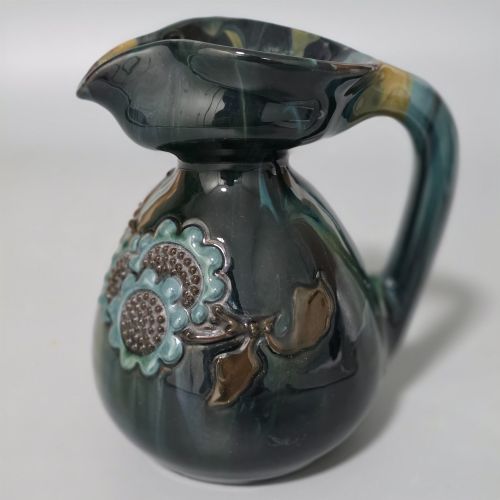
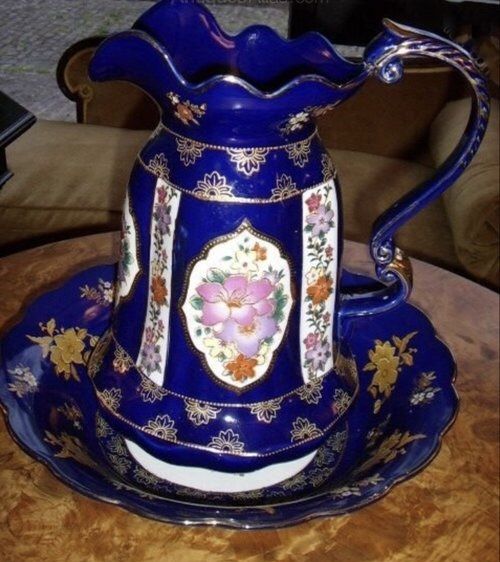
The ceramic examples range from eighteenth-century soft-paste porcelain cream jugs decorated with polychrome flowers to twentieth-century studio pottery and washstand sets.
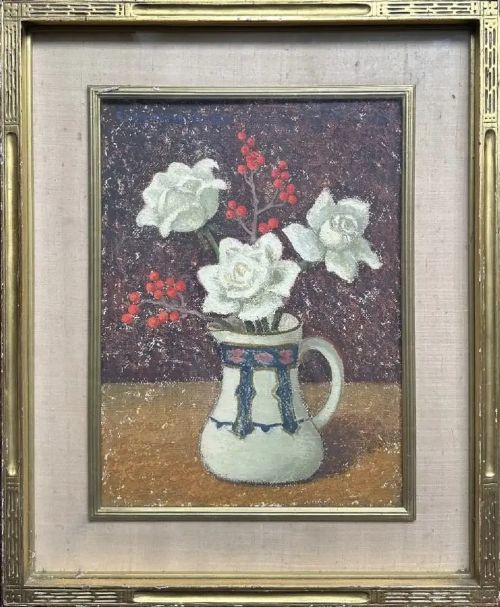
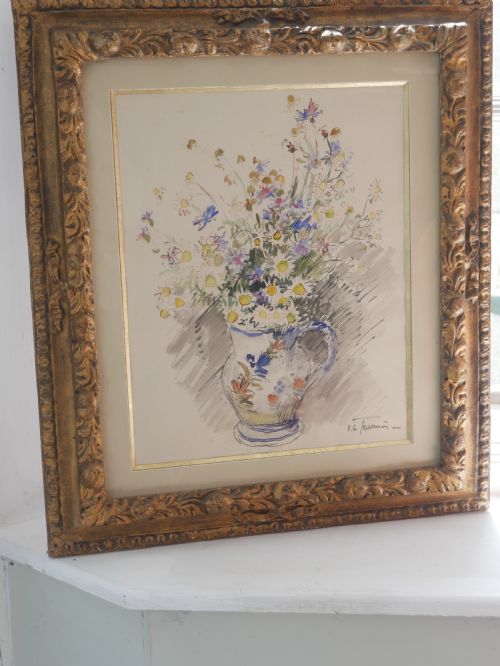
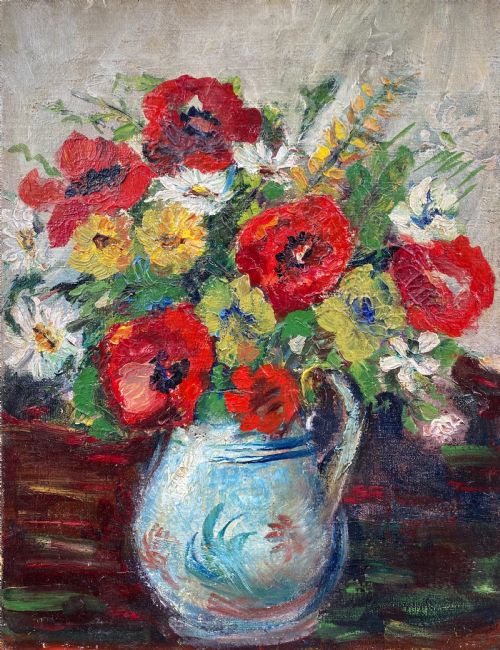
Beyond physical pitchers, this category encompasses original watercolour and oil paintings depicting gladioli, pelargoniums, cosmos, and summer bouquets arranged in vessels.
You are most likely to meet twentieth-century watercolours and oil paintings alongside mid-century porcelain jugs on this page, representing several distinct periods of British and European craft.
Materials and construction
The physical jugs are fashioned from soft-paste porcelain and crystal glass, whilst the pictorial depictions employ watercolour pigment on paper and oil paint on canvas.
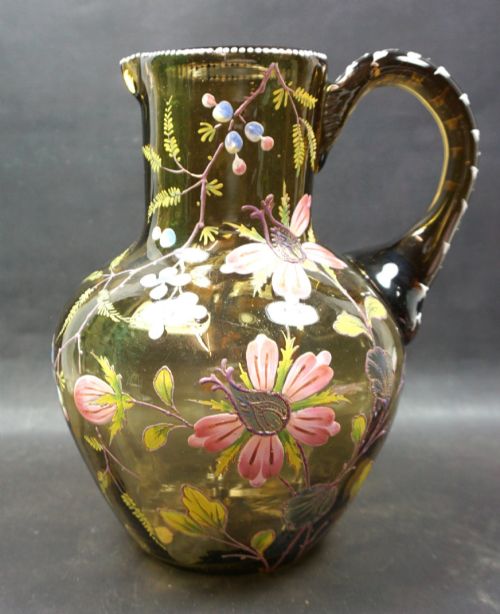
Ceramic vessels rely on hand-painted or glazed flower designs, sometimes utilising cobalt blue glazes or polychrome enamels fired onto the body.
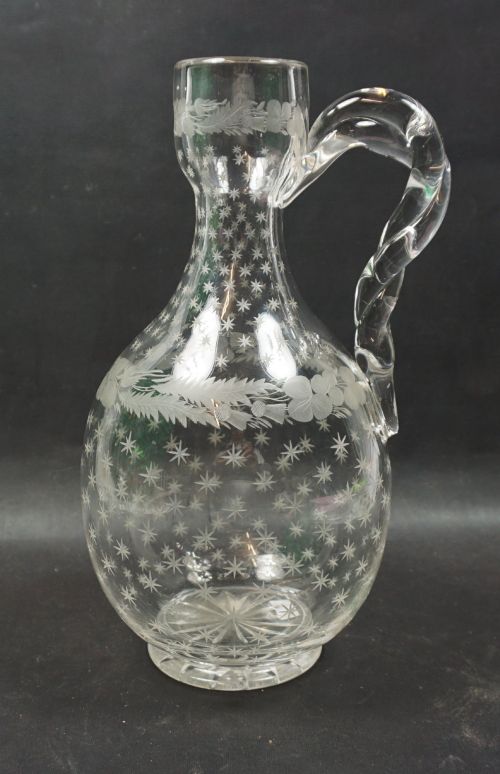
Glass pieces achieve their decoration through precise wheel engraving to render stars and floral motifs, whilst paintings demonstrate brushwork on primed canvas or watercolour paper.
Antique Flower Jug Retail Price Guide 2026
Typical asking prices for flower jug among the pieces listed under this phrase on Sellingantiques today, from the lower quarter to the upper quarter. They describe what is for sale here now, not the wider market.
Listings combine eighteenth-century soft-paste porcelain, nineteenth-century crystal glass, and twentieth-century oil paintings on canvas.
Evaluating quality and execution
The distinction between ordinary and exceptional pieces lies in the sureness of the artist's brushwork or the crispness of the glass engraving, where confident handling elevates a simple floral study.
On ceramic examples, the fineness of the porcelain body and the precision of the hand-painted polychrome floral decoration dictate the standing of the piece.
Compositional strength separates casual decorative works from accomplished paintings, visible in how light and colour interact across the canvas or paper.
Sir Edmund Elton·Charlotte Rhead·Owen Bowen·Jabez Bligh·Marion Broom·Edith Alice Andrews
The Antique Flower Jug Glossary
- Soft-paste porcelain
- A ceramic material composed of clay and glass frit fired at lower temperatures than true hard-paste porcelain, creating a warm, slightly creamy body common in eighteenth-century pieces.
- Polychrome
- Decorated in multiple colours, often referring to hand-painted floral enamels applied to ceramics.
- Still life
- A painting or drawing depicting inanimate subject matter, typically commonplace objects such as flowers in a jug.
- Sparrowbeak creamer
- A small eighteenth-century porcelain jug featuring a distinctive pinched spout resembling a bird's beak, designed for serving cream.
Antique Flower Jug: Frequently Asked Questions
What is an antique flower jug?
An antique flower jug refers to physical ceramic and glass pitchers decorated with floral motifs, as well as original paintings depicting bouquets inside vessels.
These items span functional porcelain, studio pottery, and fine art watercolours or oils created across the eighteenth, nineteenth, and twentieth centuries.
How were these painted jugs used?
Painted representations were created as artistic still lifes to capture transient botanical displays on canvas or paper.
Ceramic and glass jugs served practical functions like pouring cream, holding water in washstand sets, or simply displaying fresh flowers in a home.
How do I date a porcelain flower jug?
Dating relies on identifying the specific clay body, such as eighteenth-century soft-paste porcelain, alongside the style of hand-painted polychrome decoration and maker attribution.
Form and glaze characteristics from periods like Art Deco or the Georgian era also provide reliable chronological markers.