

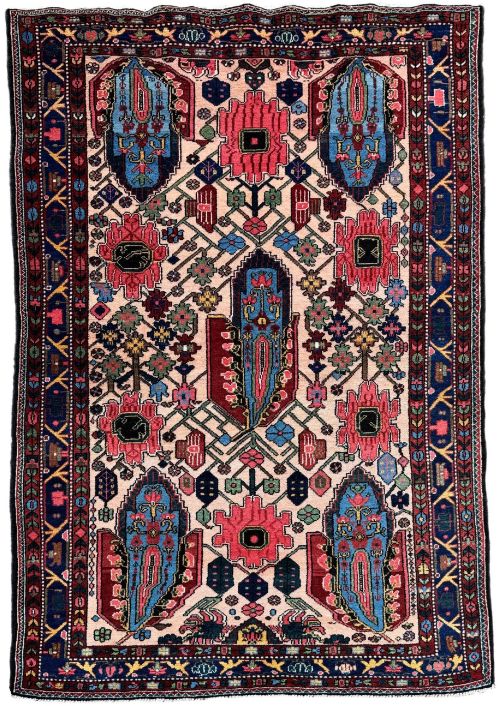
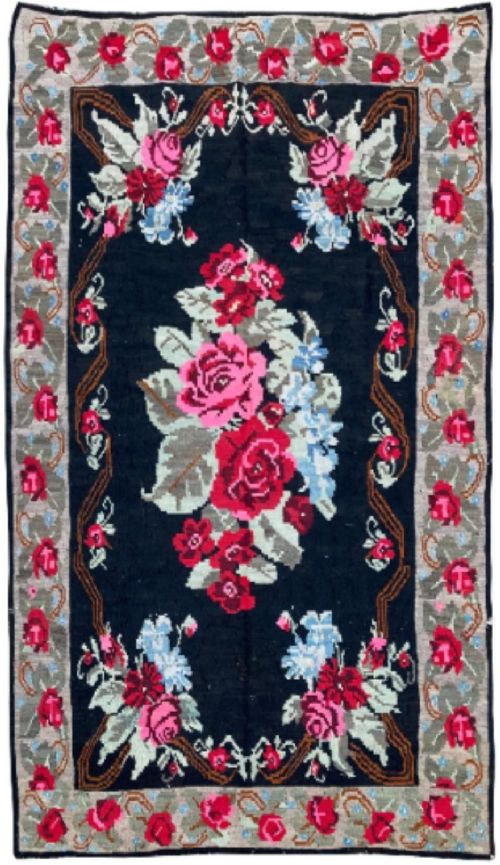
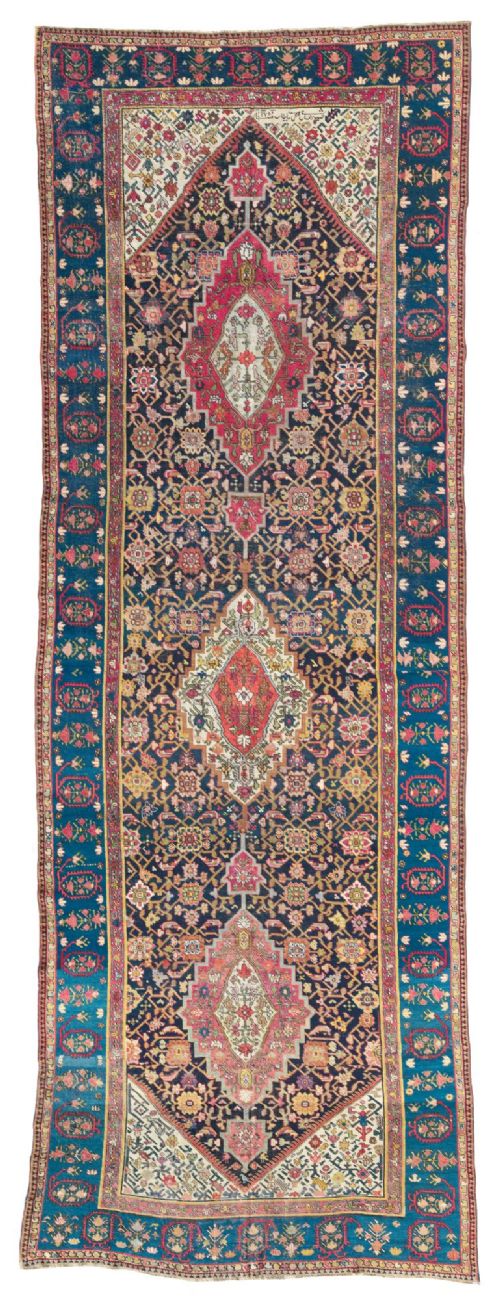
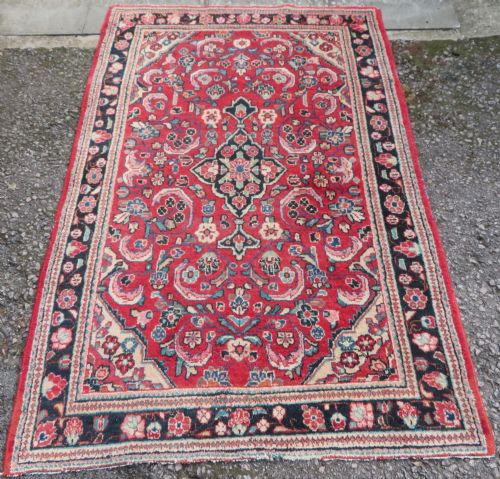




Antique Floral Wool Runner
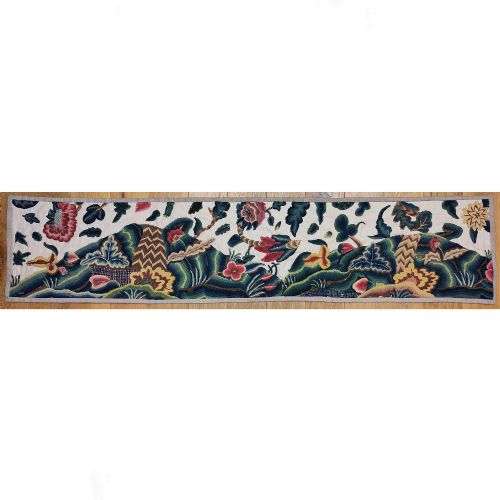
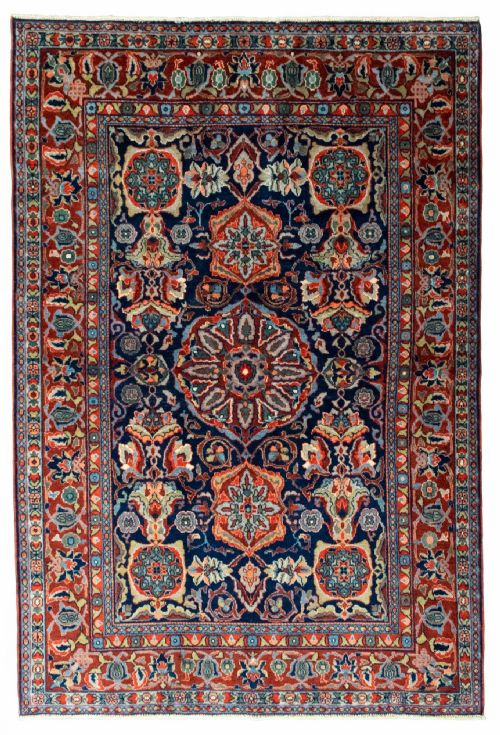
An antique floral wool runner brings pattern and texture to a hallway, woven in wool with floral motifs across Persian and European traditions.
Antique Floral Wool Runner
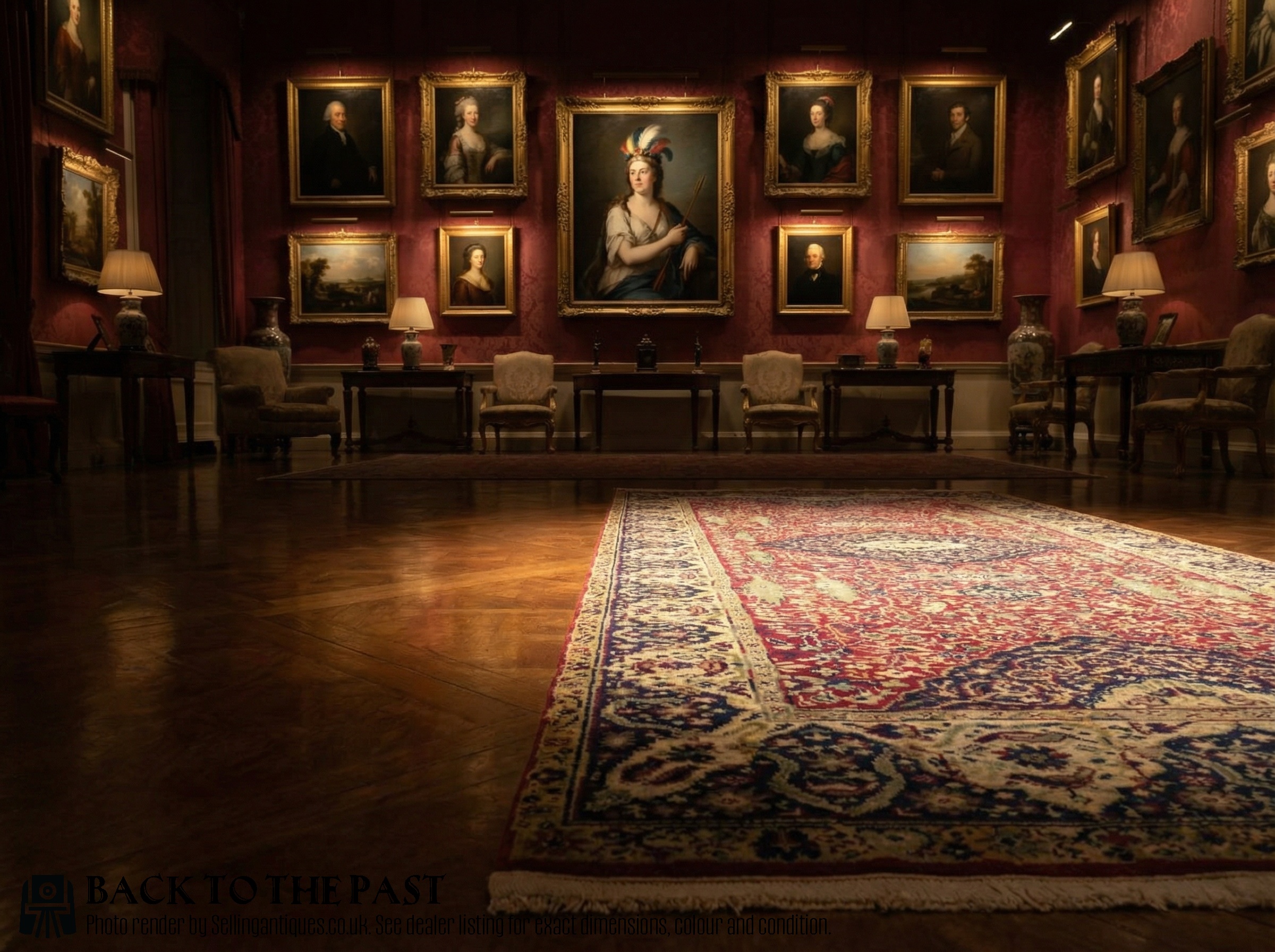
An antique floral wool runner provides a long, narrow format suited to corridors and staircases, drawing the eye along a defined path in a room. These pieces span the nineteenth century and the early decades of the twentieth century, bringing historical weave styles into everyday spaces.
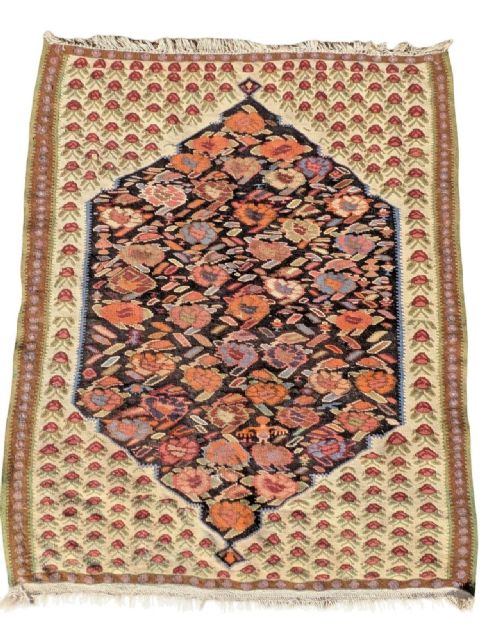
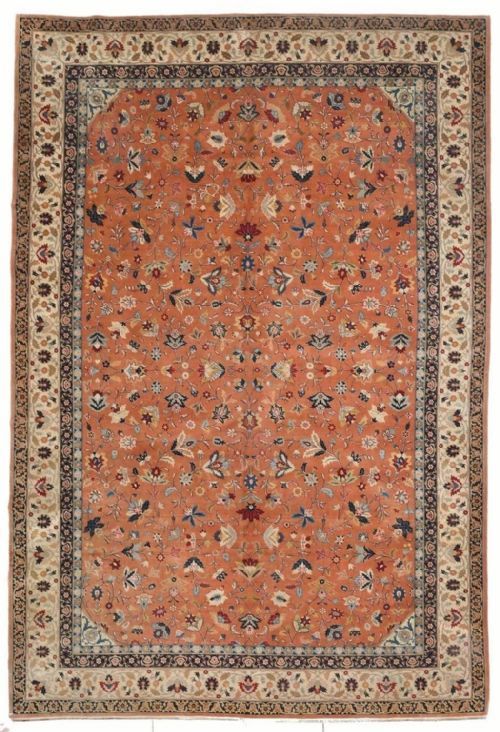
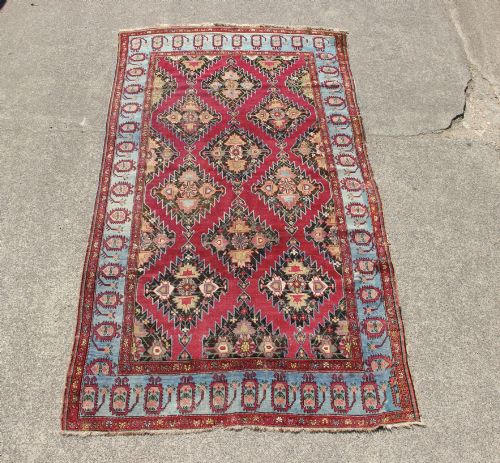
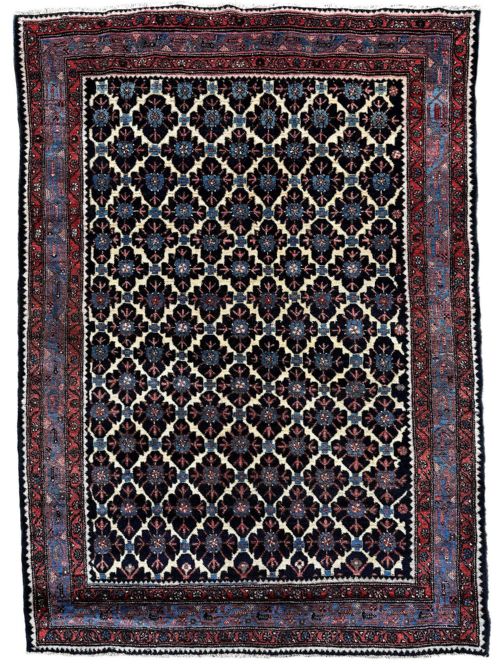
The selections on this page encompass various regional traditions, including Persian village rugs, Caucasian kilims, and Bessarabian flatweaves. Buyers encounter formats categorized as runners, narrow runners, and long carpets alongside related textile panels.
Most examples deploy floral patterns, medallions, or vase designs set against structured borders. Originating from workshops and village looms across Persia, the Caucasus, and Europe, each piece reflects the specific decorative vocabulary of its region.
Materials and construction methods
These textiles rely primarily on a wool pile or wool flatweave structure, occasionally supported by cotton foundations or silk highlights. Artisans knotted or wove the wool yarns by hand, creating dense surfaces designed to withstand decades of foot traffic.
Certain flatweaves utilise tapestry techniques or chain stitch embroidery on grounds of wool felt, jute, or burlap. The integration of natural dyed yarns gives each textile its characteristic depth of colour and tone.
Listings feature pieces dated from the nineteenth century through the 1930s, incorporating wool, cotton, silk, and jute materials.
Judging quality in woven runners
Knot density and structural tightness dictate the resilience of the textile, separating fine village work from coarser production. Tighter knotting allows crisper botanical outlines and more intricate floral detail to emerge clearly across the field.
The condition of the wool pile and the integrity of the selvedges determine how well the runner retains its original geometry. Uniform pile wear and secure edge bindings indicate careful preservation over generations.
The Antique Floral Wool Runner Glossary
- Runner
- A long, narrow carpet format designed specifically for hallways, corridors, and staircases. It guides movement through a floor plan while protecting floorboards.
- Kilim
- A flatwoven carpet or rug made without a pile, produced by tightly interweaving warp and weft threads. This technique yields a lightweight textile with flat, reversible surfaces.
- Kelleh
- A large, elongated rug format traditionally proportioned longer than a standard village rug but broader than a corridor runner. It serves as a substantial floor covering for rectangular rooms.
- Selvedge
- The reinforced edge of a rug where the lateral weft threads turn back to secure the structure. Sound selvedges prevent the pile or weave from fraying along the long sides.
- Warp
- The stationary vertical foundation threads stretched tightly on a loom before weaving begins. Weft and pile are subsequently worked through these structural parallel strands.
Antique Floral Wool Runner: Frequently Asked Questions
Where should I place a runner?
Runners fit naturally in narrow hallways, entrance corridors, and alongside bedroom furniture where floor protection is practical.
Their elongated proportions help define walkways while adding warmth and pattern to transitional spaces in the home.
How do I care for wool runners?
Regular gentle vacuuming without a beater bar removes surface dust and prevents grit from settling into the wool fibres. Rotating the runner periodically ensures even wear across high-traffic sections.
Professional cleaning tailored to antique textiles preserves the integrity of the natural dyes and wool structure.
Are these runners suitable for stairs?
Many narrow formats function well on staircases when secured properly with appropriate underlay and fixings.
The density of the wool weave helps cushion footfalls while offering durability under regular use.
How do I distinguish regional styles?
Regional attribution relies on observing specific border arrangements, knot counts, and the styling of floral motifs. Persian village pieces often show geometric interpretations of flowers, whereas workshop carpets display refined curvilinear designs.
Flatweaves from the Caucasus and Eastern Europe exhibit distinct geometric palettes and alternative structural weaves.