


Antique Floral Creamer Jug
These antique floral creamer jug examples bring hand-painted botanical charm to the table, uniting practical service with centuries of ceramic artistry.
Antique Floral Creamer Jug
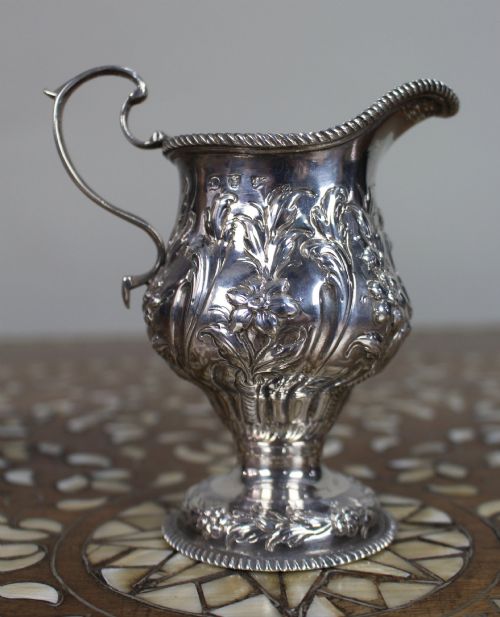
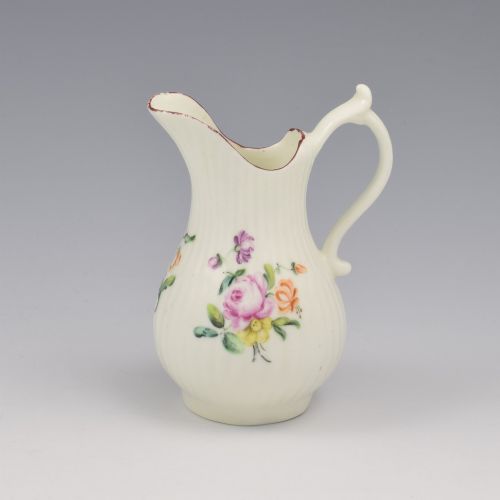
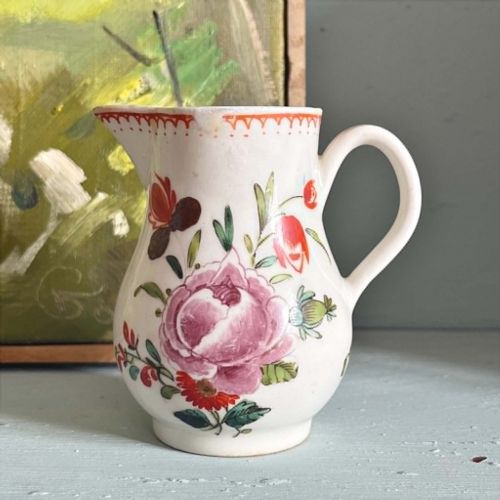
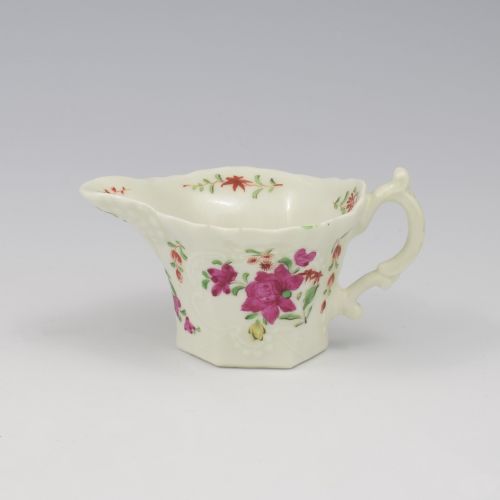
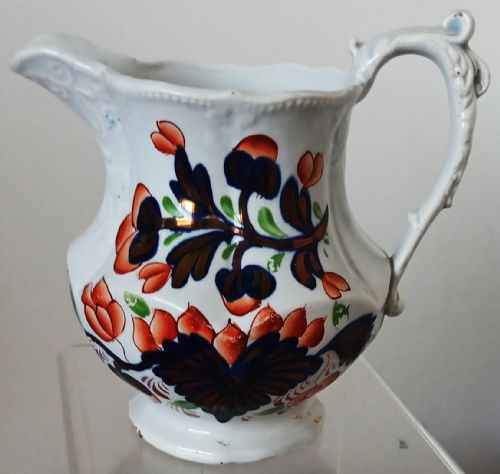
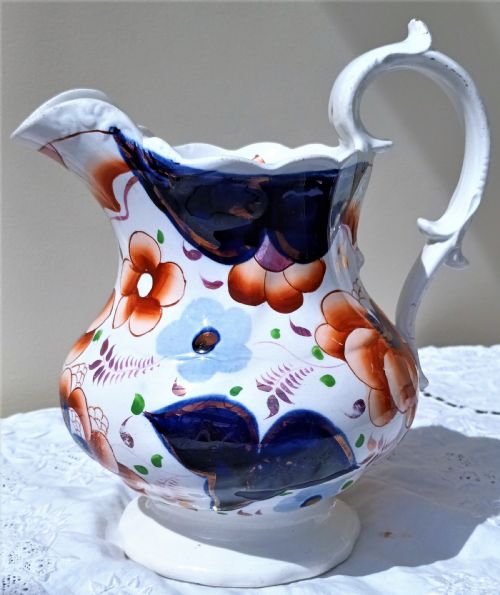
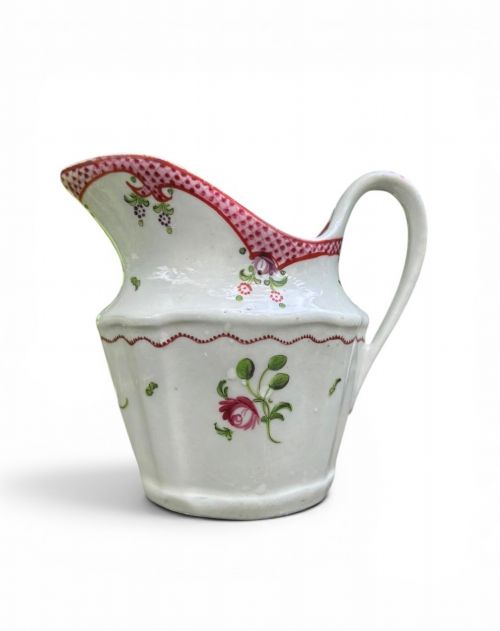
An antique floral creamer jug serves milk or cream at tea, taking forms from sparrowbeak profiles and low Chelsea ewers to sauce boats and cleft pitchers. The selection spans the eighteenth and nineteenth centuries, including Georgian and Victorian periods.
Makers and factories range from early English porcelain houses like Derby, Bow, Worcester, New Hall, Coalport and Rockingham to European works such as Meissen, alongside earthenware output like Gaudy Welsh pottery and tin-glazed Delftware.
How they were made
Potters shaped these vessels from soft-paste porcelain, earthenware and tin-glazed compositions, applying enamel colours and underglaze painting by hand. Gilding and gold leaf often highlight rims, handles and panels.
Specialised bodies include copper lustre finishes and silver elements, such as hand-engraved lids and woven handles paired with ceramic or hallmarked silver construction.
Some nineteenth-century potters managed to squeeze intricate grape and drape patterns onto modest vessels without spilling a single drop of enamel.
What varies in quality
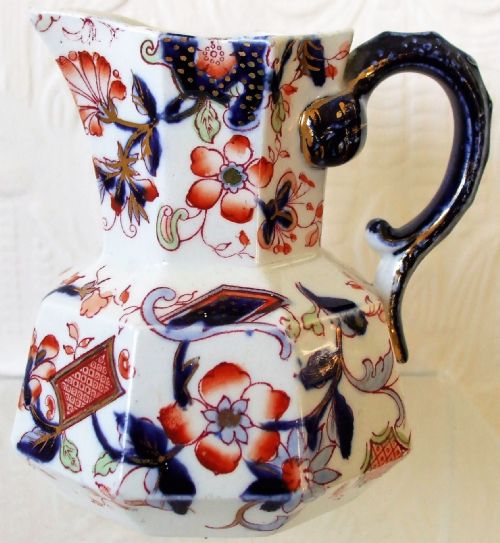
Execution of the hand-painted floral decoration separates standard utility wares from finer cabinet pieces, seen in the crispness of polychrome petals and botanical detail. Painting control dictates the visual balance across fluted baluster and hexagonal surfaces.
Material refinement also shifts the tier, distinguishing delicate soft-paste bodies and precise gilding applications from heavier earthenware body types and simpler folk art patterns.
Keeling and Co·John Rose Coalport·Royal Worcester
The Antique Floral Creamer Jug Glossary
- Sparrowbeak
- A small ceramic jug with a pinched spout resembling a bird's beak. This form appears frequently on eighteenth-century porcelain creamers.
- Soft-paste porcelain
- A ceramic composition fired at lower temperatures than hard-paste, common in early English factories. It yields a warm, slightly translucent body.
- Gaudy Welsh
- A type of colourful pottery featuring bright enamel palettes with pink lustre accents. It became popular during the nineteenth century for domestic service.
- Tin-glazed
- Earthenware coated with a tin oxide glaze to create an opaque white surface. This technique provides the ground for blue and white floral decoration.
- Hydra
- A jug shape characterised by an angled handle and flared rim reminiscent of classical forms. Factories like Keeling and Co. and Mason's produced this model.
Antique Floral Creamer Jug: Frequently Asked Questions
How do I date a porcelain creamer?
Dating relies on body composition, glaze characteristics, and decorative style. Soft-paste porcelain and hand-painted floral motifs often point toward eighteenth-century manufacture.
Later nineteenth-century examples tend to utilise denser earthenware bodies and different manufacturing marks. Comparing handle forms and spout shapes helps narrow the production era.
What is a sparrowbeak jug?
A sparrowbeak jug is a small vessel featuring a sharply pinched pouring lip that resembles a bird's beak. These containers served milk or cream during tea service.
Early factories such as Bow produced these miniature forms in soft-paste porcelain with delicate floral painting.
How were these jugs used?
These pieces held milk or cream to accompany tea service in domestic settings. Their small capacities suited individual or small group gatherings.
Over time, many transitioned from functional dining table use to decorative display items in cabinets.
Can I use these jugs daily?
Antique ceramic jugs require careful handling due to their age and delicate material composition. Hand washing prevents damage to historical enamels and gilding.
Many collectors prefer to display them rather than subject them to daily service wear.