





Antique Floral Cotton Panel
An antique floral cotton panel brings rich colour and traditional pattern into a room, offering tactile depth that modern textiles simply cannot replicate.
Antique Floral Cotton Panel
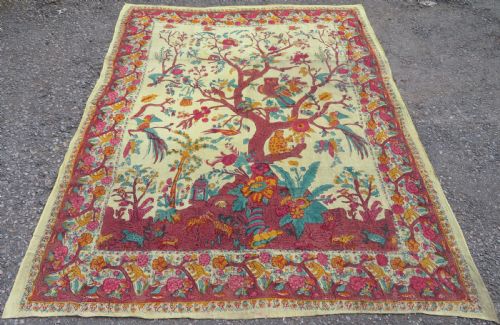
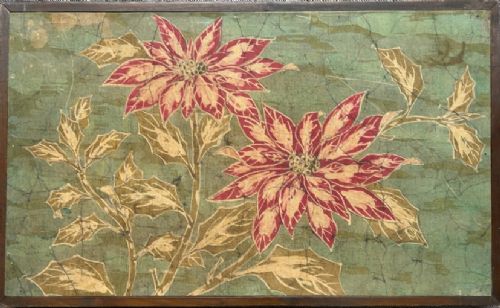
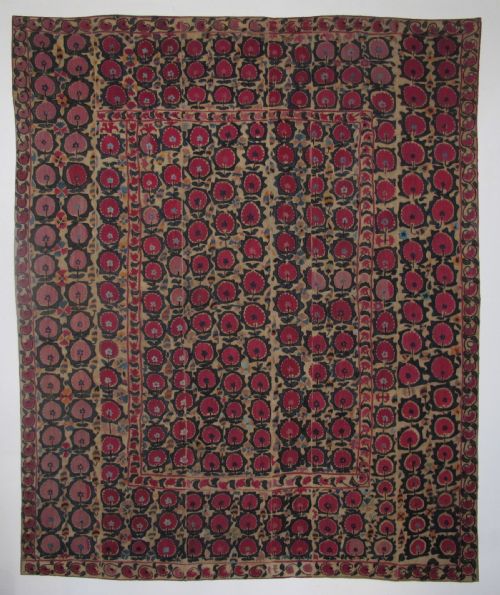
When searching for an antique floral cotton panel, buyers encounter a remarkable selection of embroidered wall hangings, bed covers, and folding screens originating from Central Asia, Uzbekistan, and India. These textiles showcase intricate botanical motifs worked in vibrant threads upon natural foundations.
The most common versions met on this page are Uzbek and Bokhara suzanis, alongside related regional embroideries dating from the mid-nineteenth century through to the early twentieth century. Pieces range from large format covers to smaller mounted panels and prayer formats.
Originating from traditions such as Lakai, Nurata, and Shahrisabz work, these textiles serve primarily as decorative wall art or striking room dividers. Each piece reflects the distinctive aesthetic of its maker and geographic region.
Assessing quality and execution
Quality rests upon the fineness of the needlework and the density of the silk thread embroidery applied to the cotton ground. Superior examples display precise control over complex regional designs and harmonious colour palettes.
The overall preservation of the textile and the vibrancy of the natural dyes influence the visual impact of the piece. Masterful execution in traditional formats distinguishes finer workshop or regional creations from simpler domestic work.
Antique Floral Cotton Panel Retail Price Guide 2026
Typical asking prices for floral cotton panel among the pieces listed under this phrase on Sellingantiques today, from the lower quarter to the upper quarter. They describe what is for sale here now, not the wider market.
Listings span from the Victorian era up to the 1930s, featuring cotton, silk, and natural dyes across Central Asian and Anglo-Indian styles.
The Antique Floral Cotton Panel Glossary
- Suzani
- An embroidered Central Asian tribal textile, typically worked in silk thread on a cotton or linen ground. These panels often feature elaborate floral and sunburst motifs.
- Palampore
- A large decorative bed cover or hanging, historically originating from India and featuring rich tree of life or floral patterns. They are characterised by fine painted or printed cotton work.
- Nim suzani
- A half-size or smaller variant of the traditional suzani embroidery, often produced for domestic use or specific regional markets. These smaller panels retain the intricate botanical patterns of their larger counterparts.
- Prayer format
- A textile design incorporating a specific architectural arch or mihrab motif oriented in a singular direction. Such pieces were traditionally arranged for devotional use or hung on interior walls.
- Natural dyes
- Colourants derived from plant, insect, or mineral sources utilised before the advent of synthetic alternatives. They yield rich, organic hues that age with subtle patination.
Antique Floral Cotton Panel: Frequently Asked Questions
How were antique suzani panels used?
These textiles served multiple domestic functions within Central Asian households, acting as ceremonial wall hangings, decorative coverlets, and furnishings for special occasions.
Families often treasured them as part of dowries, displaying them prominently in the main living quarters to demonstrate skill and status.
Where do most of these panels originate?
The majority of pieces hail from Central Asia, with significant representation from Uzbekistan, including historic centres like Bukhara, Nurata, and Shahrisabz.
Additional examples reflect influences from neighbouring regions such as India and Tajikistan, each contributing distinct local stitching styles.
How should I hang an embroidered panel?
Mounting delicate textiles requires careful consideration to distribute weight evenly without puncturing or straining the cotton ground.
Utilising a professional conservation framing method or a padded sleeve support helps protect the integrity of the silk embroidery over time.
How can I tell the age of a textile?
Dating relies upon examining the type of cotton or linen ground, the composition of the natural dyes, and the specific regional stitching characteristics.
Early pieces from the mid-nineteenth century often display distinct colour palettes and hand-spun foundations that differ from twentieth-century variations.