


Antique Floral Coffee Cup
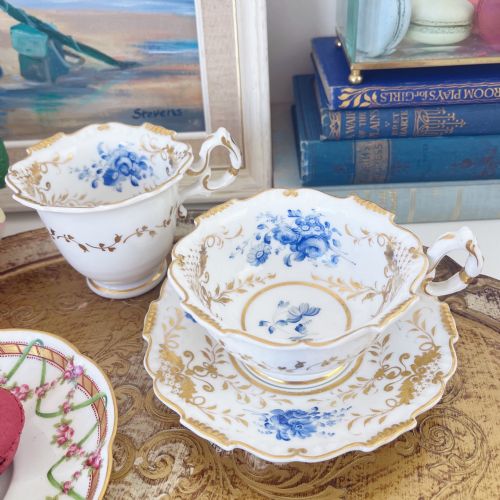
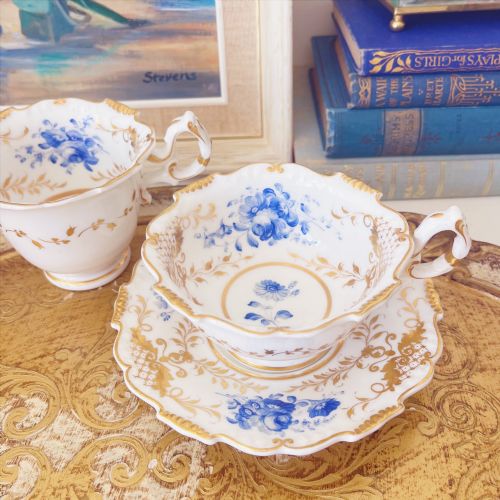
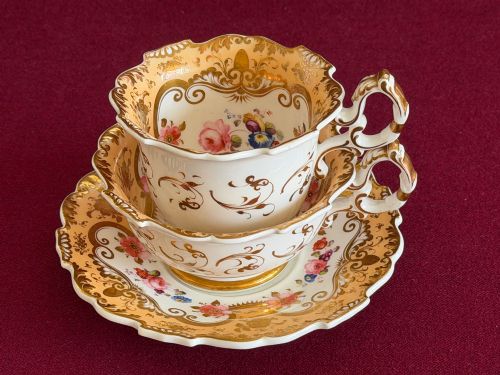
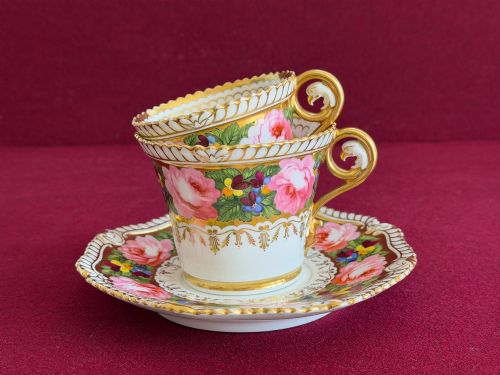
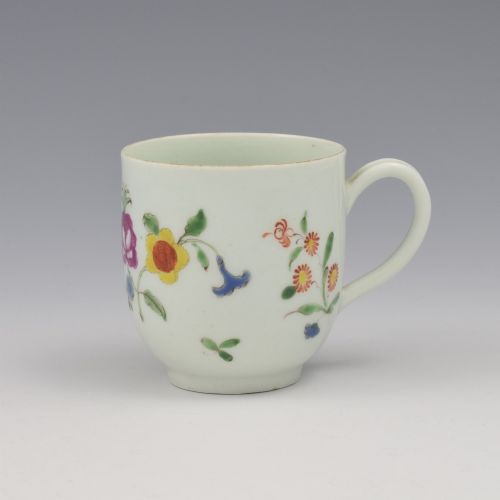
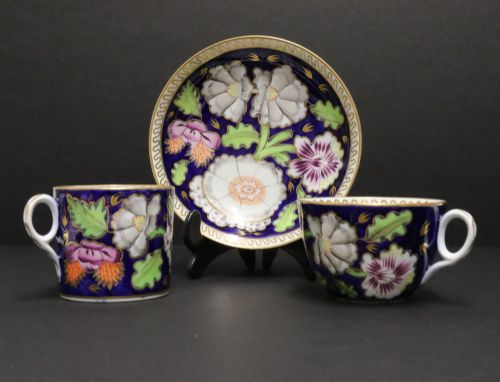
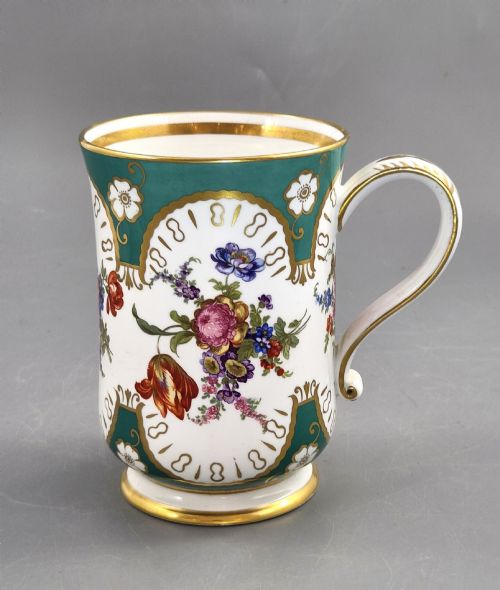
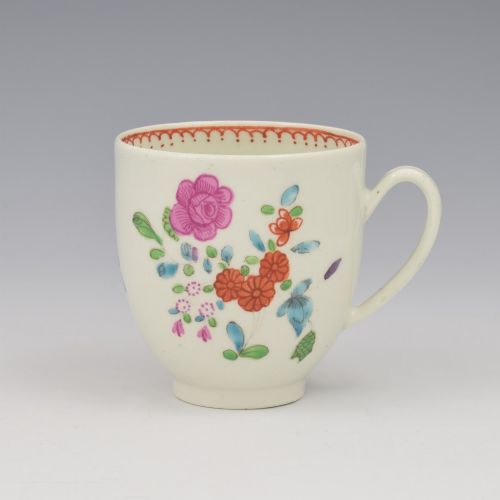
These antique floral coffee cup examples bring painted blossoms and gilt highlights to the table from periods spanning the eighteenth to the twentieth century.
Antique Floral Coffee Cup
An antique floral coffee cup brings painted botanical motifs and floral sprays to the table in forms ranging from cabinet mugs and demitasse cups to trios with matching saucers. When you search for an antique floral coffee cup, you encounter pieces shaped in hard-paste porcelain and bone china across periods such as the eighteenth century, the Regency era, and the late nineteenth century.
The inventory on this page draws heavily from English and continental factories, featuring shapes like the Shrewsbury shape alongside French Old Paris cabinet mugs and German demitasse cups. Makers such as H & R Daniel, Chamberlain Worcester, and Minton produced these porcelain vessels during the Regency and earlier periods.
Most pieces combine coffee cups and saucers or form part of a larger cabinet trio with an extra plate, decorated with handpainted polychrome flowers and Dresden motifs. The designs reflect stylistic revivals including Rococo Revival, Georgian, and French Rococo Revival.
Judging quality in porcelain
The distinction between tiers rests on the precision of the handpainted floral detail and the sophistication of the porcelain body. Pieces decorated by named porcelain painters or produced by major factories show greater finesse in brushwork.
The application of gold leaf and enamel work separates standard production from finer cabinet wares. Preservation of the painted floral surface and the gilding dictates the overall standing of each piece.
Listings feature porcelain and bone china vessels decorated with enamel, gold leaf, and gilt across the eighteenth, nineteenth, and early twentieth centuries.
H & R Daniel·Chamberlain Worcester·Richard Chaffers·Dr Wall·Meissen·Minton·Thomas Steel·Hutschenreuter·Spode Copeland·Royal Worcester·KPM·Davenport
The Antique Floral Coffee Cup Glossary
- Demitasse
- A small cup used for serving strong black coffee. These vessels often appear alongside matching saucers in nineteenth and twentieth-century porcelain.
- Cabinet cup
- An ornamental cup intended for display in a cabinet rather than daily tea or coffee service. These pieces frequently feature rich ground colours and elaborate gilding.
- Hard-paste porcelain
- A true ceramic composition fired at very high temperatures using kaolin and petuntse. This material produces a durable, vitreous body seen in many continental and English pieces.
- Trio
- A set comprising a teacup, a coffee cup, and a matching saucer. They were popular in English porcelain production during the Regency period.
- Polychrome
- Decorated in multiple colours. This term describes floral motifs painted in various enamel shades across the body of the cup.
Antique Floral Coffee Cup: Frequently Asked Questions
What is a coffee can?
A coffee can is a straight-sided cylindrical cup designed without a footed base or with a simple handle, used primarily for serving coffee in the eighteenth and nineteenth centuries.
These pieces often appear in porcelain sets alongside saucers, featuring handpainted floral motifs and gilt detailing.
How do I date a porcelain cup?
Dating relies on identifying factory marks, paste compositions, and stylistic indicators such as Regency shapes or Rococo Revival curves. Comparing the floral painting style to known works from periods like the eighteenth century provides further clues.
Examining the type of porcelain, whether bone china or hard-paste, helps narrow the decade of production.
Can I use these cups for daily coffee?
While these vessels were originally made for dining and drinking, antique porcelain requires careful handling due to age, delicate handles, and worn gilding. Many collectors prefer to display cabinet cups or use them strictly for special occasions.
Handwashing in warm water without harsh detergents helps preserve the enamel and gold leaf.
What is an Old Paris porcelain cup?
Old Paris porcelain refers to items manufactured by various undocumented or small workshops operating in and around Paris during the nineteenth century. These pieces often feature vibrant ground colours, such as green, combined with heavy gilding.
They frequently take the form of cabinet mugs or decorative cups with painted floral panels.