

Antique Floral Carved Chair
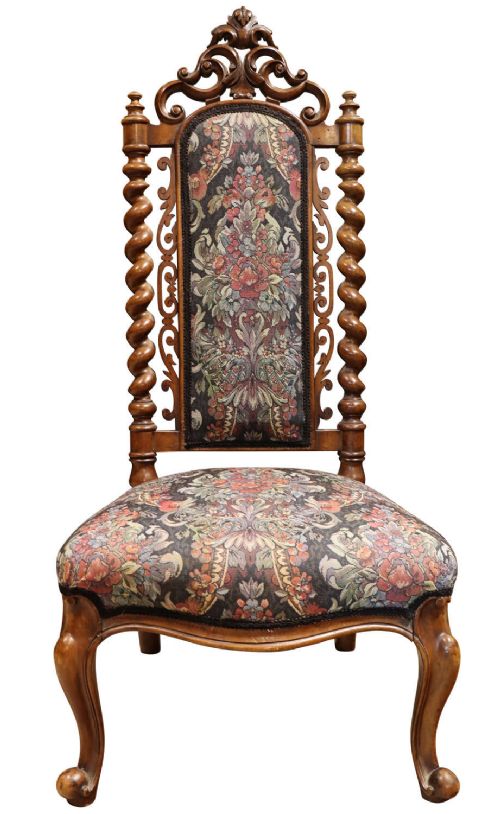
An antique floral carved chair brings hand-carved timber and tactile upholstery together, offering enduring character and rich period detail for any room.
Antique Floral Carved Chair
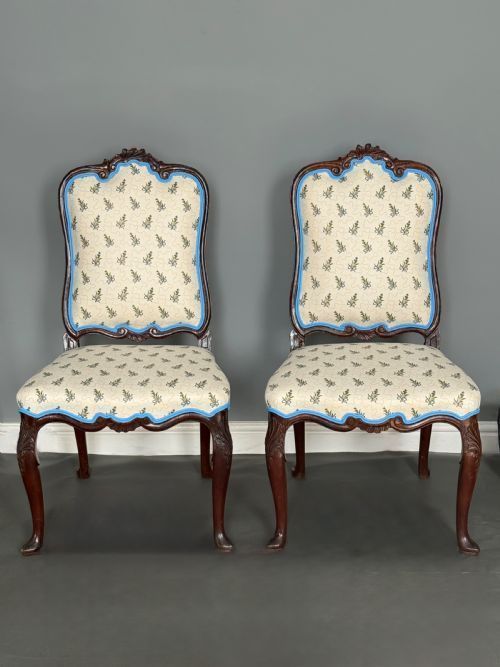
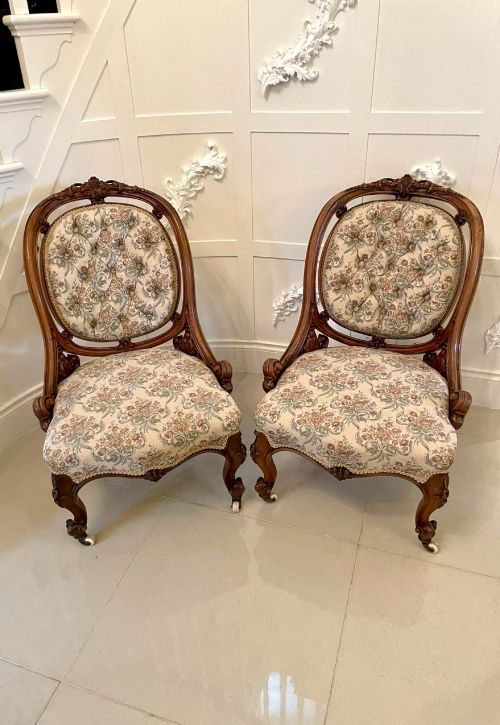
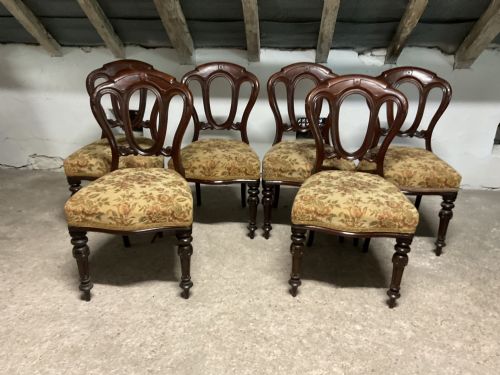
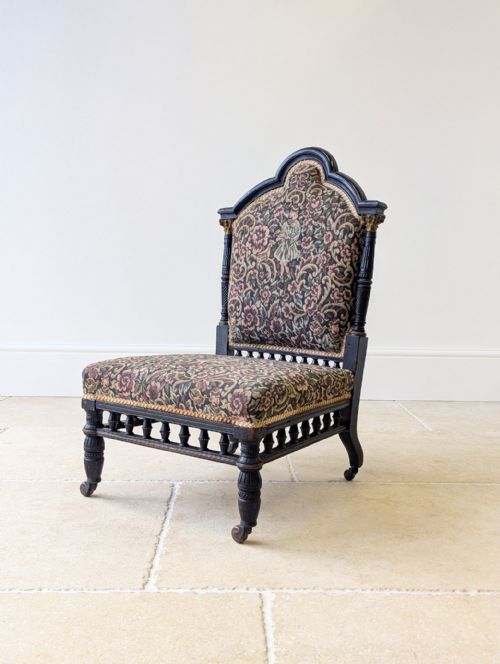
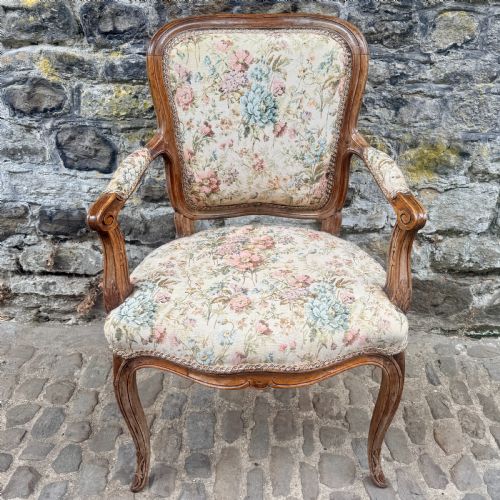
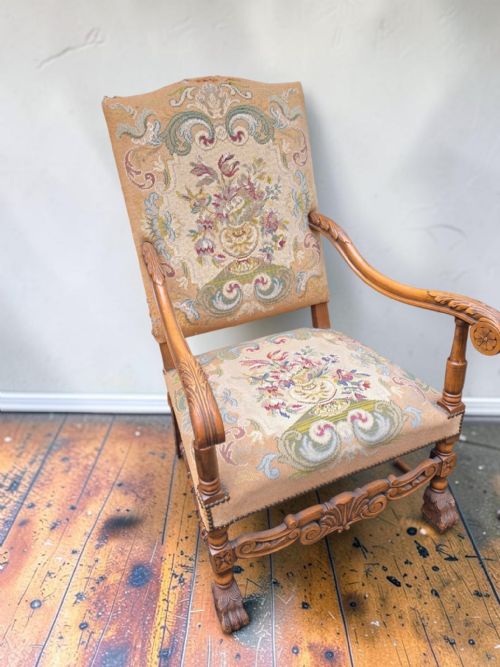
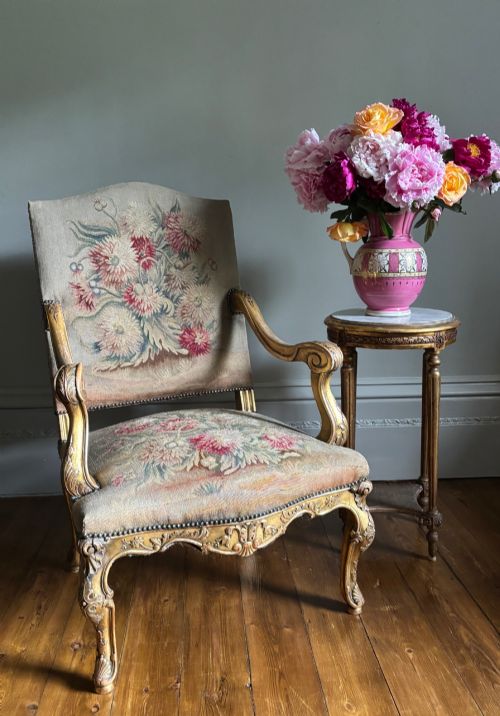
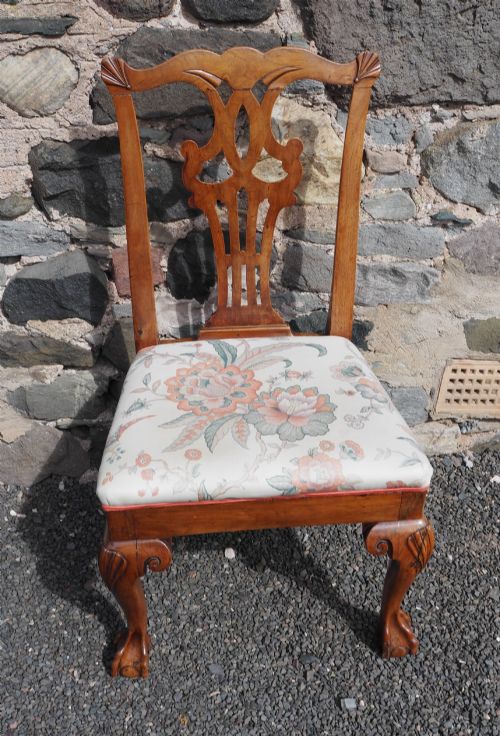
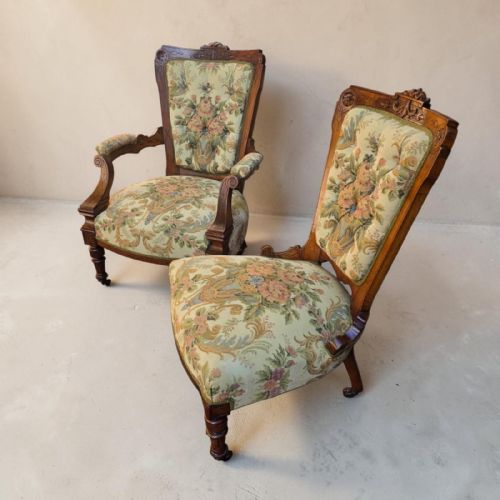
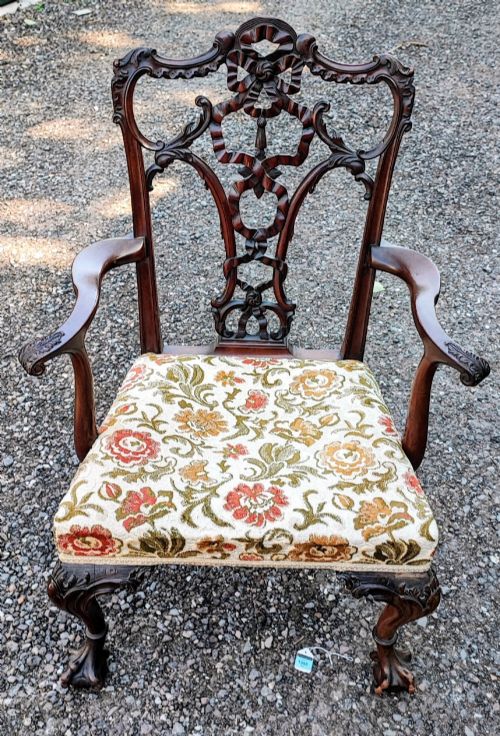
An antique floral carved chair brings together solid timber frames and botanical ornamentation, ranging from dining seats to low salon chairs. When searching for an antique floral carved chair, buyers encounter pieces spanning the eighteenth, nineteenth and early twentieth centuries.
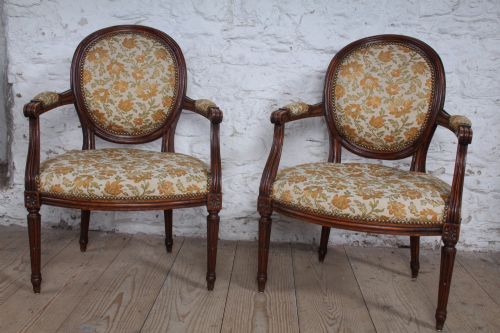
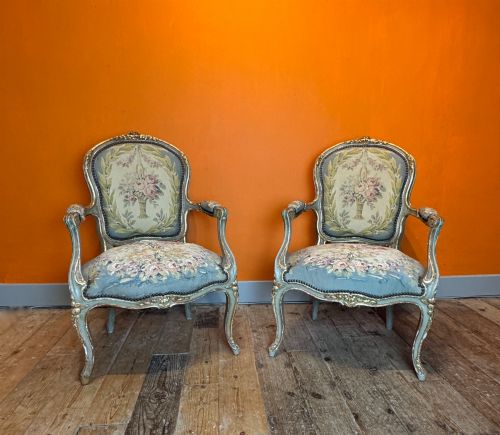
The selection on this page includes walnut, mahogany and oak armchairs and side chairs adorned with hand-carved floral motifs. Styles stretch from Victorian Rococo Revival and Queen Anne to French Provincial and Georgian interpretations.
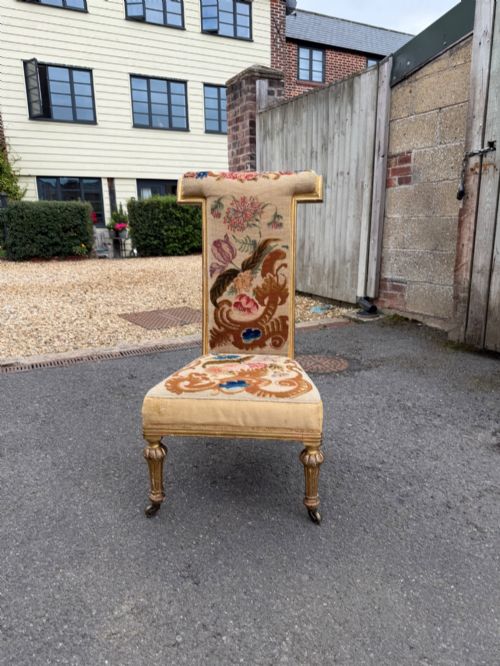
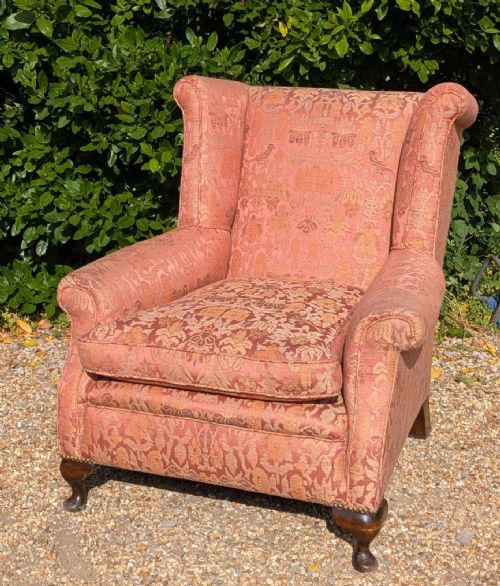
Forms vary from pairs of open armchairs and wing chairs to individual side chairs and dressing table stools. Upholstery frequently incorporates tapestry fabric, needlepoint and velvet to complement the carved woodwork.
What varies in quality
The depth and crispness of the hand-carved floral details distinguish finer examples from simpler production. Carvings executed with sharp, well-defined contours reflect superior craftsmanship in the workshop.
The choice and preservation of primary timbers, alongside the integrity of the frame construction, determine longevity. High-grade upholstery materials and sympathetic re-covering also maintain the authentic character of the seating.
Listings feature walnut, mahogany and oak frames paired with tapestry, needlepoint and velvet upholstery across Victorian, Georgian and Regency periods.
The Antique Floral Carved Chair Glossary
- Cabriole leg
- A furniture leg that curves outward at the knee and tapers inward toward the foot, often ending in a pad or scroll. This form draws inspiration from animal limbs and appears frequently on eighteenth and nineteenth-century seating.
- Tapestry fabric
- A heavy, hand-woven or jacquard textile featuring pictorial or botanical designs. It provides a durable and decorative surface for antique upholstery.
- Parcel gilt
- A surface treatment where selected portions of a wooden or gesso frame receive a gold leaf application. This technique highlights carved details like leaves and flowers against a painted or polished ground.
- Wing armchair
- An upholstered seat with side panels designed to shield the occupant from draughts. Early examples often feature scroll arms and substantial cabriole legs.
- Needlepoint
- Embroidery stitched on a canvas mesh, frequently utilising wool or silk threads. It creates durable floral panels traditionally applied to chair backs and seats.
Antique Floral Carved Chair: Frequently Asked Questions
How do I identify the period of an antique floral carved chair?
Examine the timber species, construction joints and carving style to determine the era. Stylistic markers like cabriole legs point toward eighteenth-century or revival periods, while ebonised finishes often indicate nineteenth-century work.
Compare the upholstery methods and wear patterns on the frame underside for further clues. Documentation or regional characteristics can also help narrow down the date of manufacture.
Can I use an antique floral carved chair for daily dining?
Many dining chairs and sturdy armchairs suit regular daily use provided the frame joints remain tight. Assess the structural stability of the timber before placing heavy demands on older seating.
Delicate salon chairs or pieces with fragile gilt finishes function better as occasional seats or decorative accents. Professional conservation can reinforce vintage joints for safe, everyday enjoyment.
What is the best way to clean antique chair upholstery?
Vacuum textile surfaces gently using a low-suction attachment protected by a mesh screen. This removes surface dust without snagging delicate tapestry or needlepoint threads.
Avoid liquid cleaners or harsh detergents on vintage fabrics to prevent water rings and fibre degradation. Consult a textile conservator for deep cleaning or restoration of fragile historical covers.
How do I protect wooden chair frames from damage?
Keep wooden frames away from direct sunlight and heat sources to prevent the timber from drying and splitting. Maintain a stable indoor humidity level to protect both the wood and traditional glue.
Apply a microcrystalline wax periodically to nourish polished walnut and mahogany surfaces. Lift chairs by their main rails rather than armrests or carved crests when moving them.