



Antique Floral Bottle
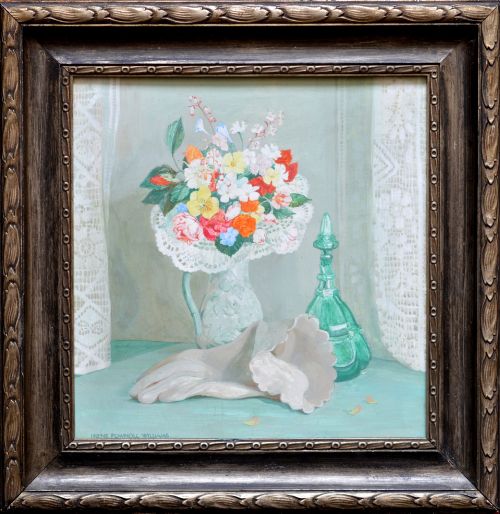
An antique floral bottle brings hand-painted petals and botanical motifs into daily spaces through centuries of ceramic, glass, and metal forms.
Antique Floral Bottle
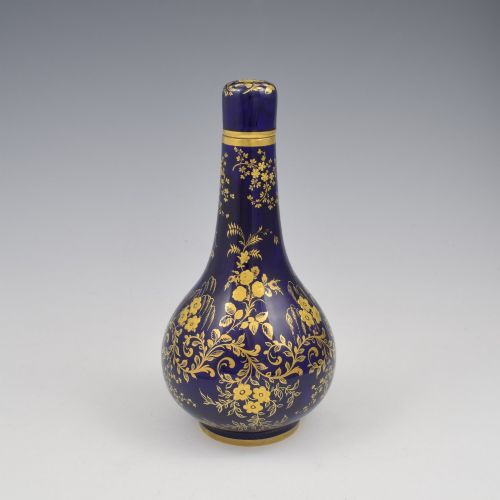
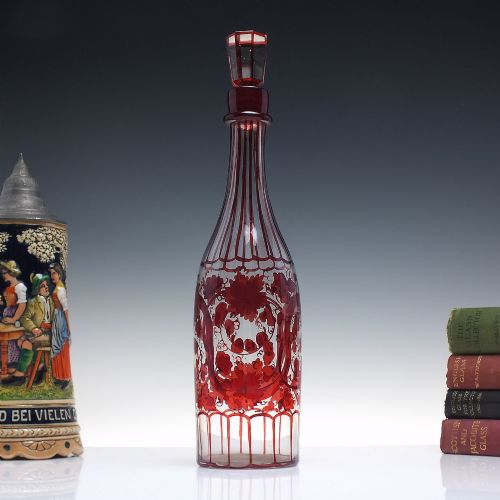
When buyers search for an antique floral bottle, they encounter a diverse array of small vessels designed for holding liquids, perfumes, or simply for display. The selection spans scent bottles, perfume bottles, decanters, and long neck bottle vases originating from English factories, European glasshouses, and Asian workshops.
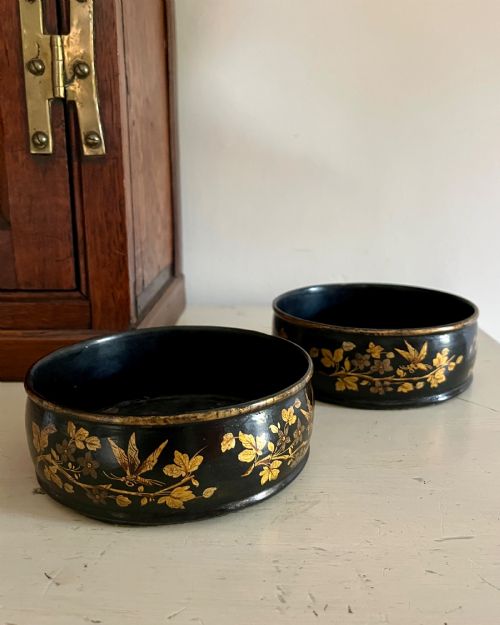
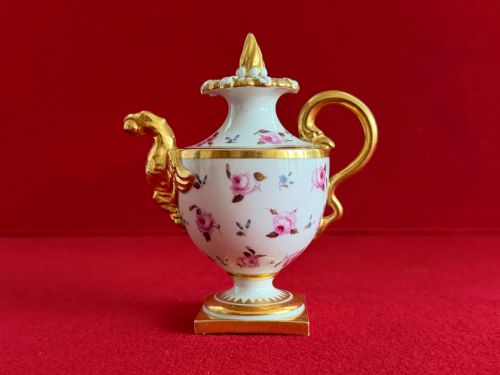
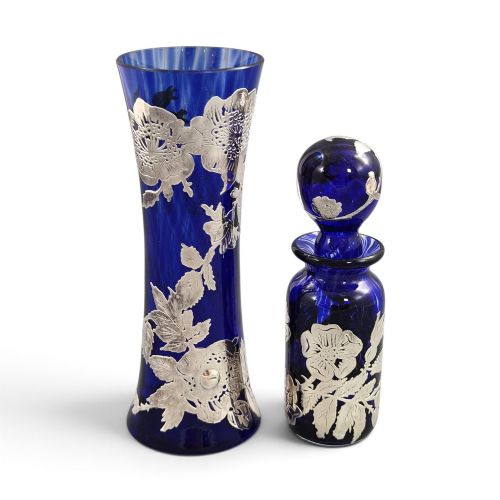
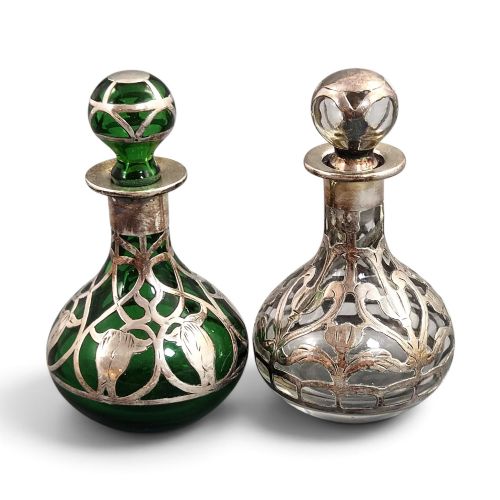
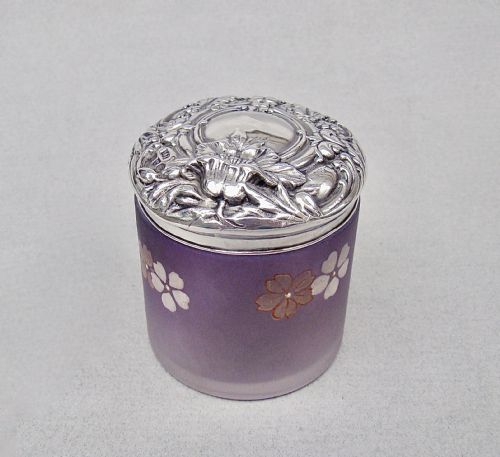
The pieces on this page draw from periods ranging from the eighteenth century through the Edwardian era and the twentieth century. Common physical manifestations include porcelain scent bottles with hand-painted floral decoration, glass decanters with enamel detail, and sterling silver overlay glass bottles.
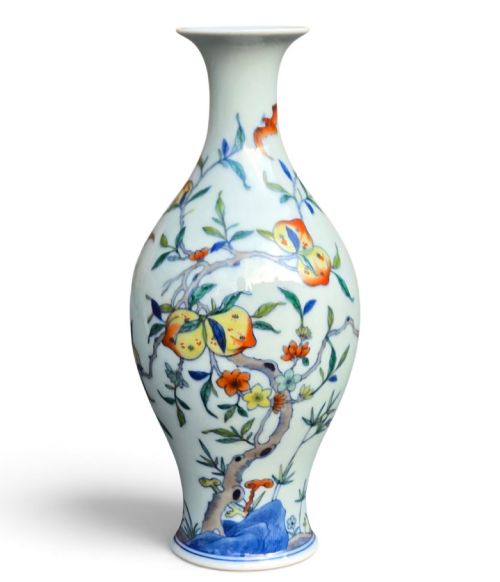
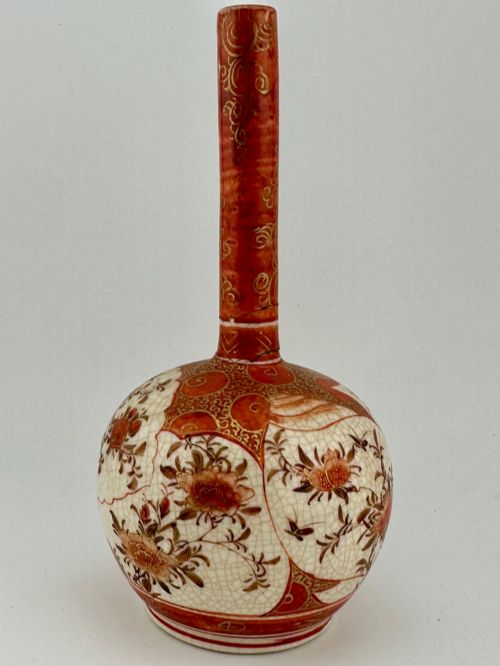
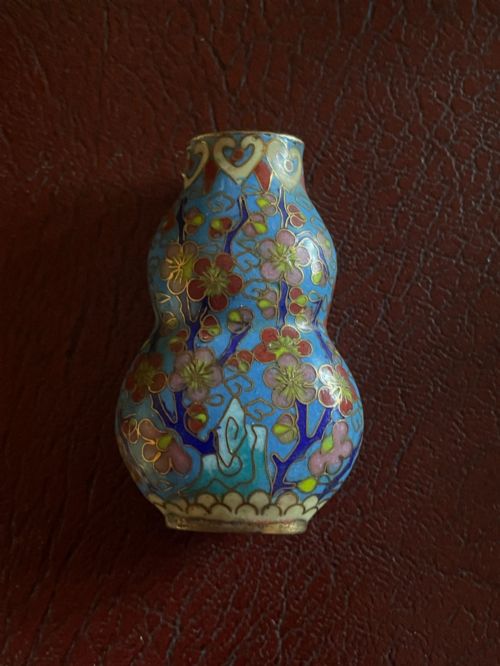
Buyers also meet Japanese Imari and Kutani bottle vases alongside Chinese export ceramics and Victorian dressing table jars. Each form reflects the specific domestic habits and decorative tastes of its period of manufacture.
Materials and Technique
The construction of these pieces relies heavily on porcelain, glass, and metals such as sterling silver and brass. Glass items incorporate techniques like enamelling, acid etching, and cameo carving, while porcelain examples utilise underglaze blue, hand-painted polychrome enamel, and applied floral encrustations.
Metal components often take the form of cast sterling silver overlays, gilt mounts, or hinged lids added to glass bodies. Artisans applied gold leaf, gilding, and intricate glazes to enrich the surfaces of both ceramic vessels and glassware.
Antique Floral Bottle Retail Price Guide 2026
Typical asking prices for floral bottle among the pieces listed under this phrase on Sellingantiques today, from the lower quarter to the upper quarter. They describe what is for sale here now, not the wider market.
Several items include tiny porcelain forget-me-knot flowers physically encrusted onto their surfaces by Victorian hands.
Evaluating the Pieces
Quality in these items rests upon the precision of the hand-painted brushwork and the refinement of the body material. Pieces featuring crisp, detailed floral motifs executed by skilled hands stand apart from simpler or more mechanical decoration.
The integration of mounts, such as silver overlay on glass or fitted stoppers on scent bottles, dictates the overall success of the object. Weight, clarity of the glass or porcelain paste, and the preservation of delicate enamel or gilt details further distinguish finer examples.
Flight Barr And Barr·Crown Staffordshire·Rene Lalique·Royal Worcester·Sitzendorf·Doulton·Minton·Gorham
The Antique Floral Bottle Glossary
- Decanter
- A vessel used for holding and serving liquids such as wine or cordials, frequently fitted with a stopper. Antique versions often feature cut glass, enamel details, or silver mounts.
- Enamel
- A decorative coating fused to the surface of glass, metal, or ceramics through firing. It provides vibrant, durable colour and raised texture on botanical designs.
- Imari
- A style of Japanese porcelain decorated in underglaze blue, iron red, and gold. These pieces typically display intricate floral and geometric panels.
- Overlay
- A technique where a layer of metal, commonly sterling silver, is applied over a glass or ceramic body. This creates high-contrast decorative patterns across the exterior.
- Scent bottle
- A small container designed to hold liquid perfume, usually fitted with a secure stopper or cap. They appear in glass, porcelain, and silver-mounted forms.
Antique Floral Bottle: Frequently Asked Questions
What is an antique floral bottle?
An antique floral bottle is a historic vessel, such as a scent bottle, decanter, or vase, decorated with painted or applied flowers. These items originate from various periods including the Victorian and Edwardian eras.
They combine practical functions with decorative artistry, utilising materials like porcelain, glass, and precious metals.
How were glass scent bottles used?
Glass scent bottles served to hold liquid perfumes and volatile salts for personal grooming. Wealthy individuals carried them in pockets or displayed them on dressing tables.
Their secure stoppers prevented evaporation of the precious contents.
How do I identify Victorian pieces?
Victorian items often display characteristic nineteenth-century stylistic markers, such as heavy gilt decoration, floral encrustations, or sterling silver overlays. Material choices like opaline glass and specific porcelain bodies also point to this era.
Maker marks and registration numbers stamped on the base help confirm the date.
How should I display these bottles?
These pieces suit placement on dressing tables, mantelpieces, or inside glass-fronted cabinets. Proper lighting highlights the hand-painted enamel and translucent qualities of the glass or porcelain.
Positioning them away from direct sunlight protects delicate pigments from fading.