




Antique Flemish Furniture
These pieces of antique flemish furniture bring robust oak carving, dramatic architectural stands, and centuries of continental craft directly to your interior.
Antique Flemish Furniture
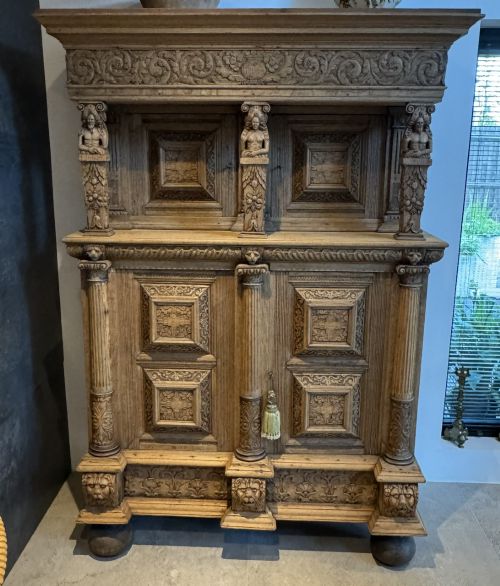
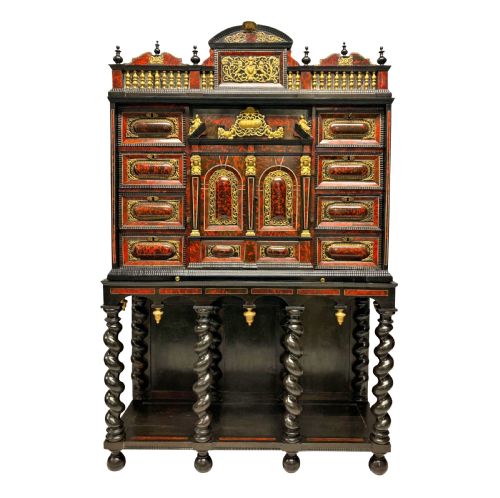
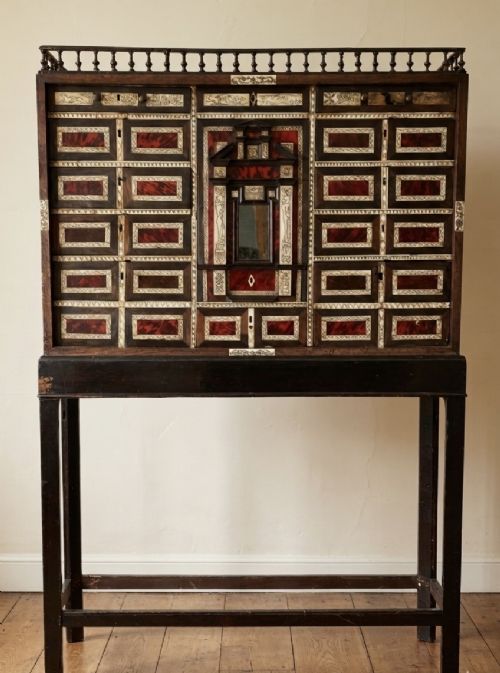
When you search for antique flemish furniture, you encounter substantial cabinets on stand, carved oak sideboards, and imposing dining suites that reflect centuries of European craftsmanship. These items range from seventeenth-century architectural pieces featuring tortoiseshell and ebony to nineteenth-century revival sideboards adorned with lion masks and green man motifs.
The selection on this page relies heavily on nineteenth-century interpretations alongside earlier seventeenth and eighteenth-century works. You will frequently find oak and walnut forming the structural core of cabinets, settles, and hall stands, often styled within the Flemish Baroque and Renaissance Revival traditions.
Domestic and formal spaces alike accommodate these works, from long dining tables and benches to wall-hanging plate racks and collectors' cabinets. Each form displays a distinct regional weight, balancing utility with deep relief carving and historical ornamentation.
How they were made
Makers built these pieces primarily using solid oak and walnut, selecting timber for density and grain before applying deep, hand-chiselled relief work. Joinery relied on traditional framing techniques to support heavy upper cabinets and substantial dining tops without modern metal fasteners.
Luxury examples incorporated exotic accents such as tortoiseshell, bone, and ebony, applied in panels to contrast against darker primary woods. Glass panels, brass hardware, and gilt bronze details completed the construction of high-status cabinets and architectural stands.
Antique Flemish Furniture Retail Price Guide 2026
Typical asking prices for flemish furniture among the pieces listed under this phrase on Sellingantiques today, from the lower quarter to the upper quarter. They describe what is for sale here now, not the wider market.
Green man carvings peer out from nineteenth-century dining tables and hall stands, watching over daily meals with leafy expressions.
What varies in quality
Material selection also dictates the hierarchy of these pieces, with intricate inlays of tortoiseshell and bone commanding greater technical mastery than plain timber surfaces. Furthermore, the structural integrity of the heavy stands and the original pairing of upper cabinets determine the overall authenticity of the composition.
The Antique Flemish Furniture Glossary
- Cabinet on stand
- An upper storage compartment elevated on a distinct supporting frame or table base. This form allows intricate lower leg turning to balance the heavy superstructure above.
- Green man
- A sculptural face carved from foliage or branches, symbolising rebirth. This motif frequently peers out from nineteenth-century oak dining furniture and hall stands.
- Kast
- A large, heavy two-door wardrobe or cupboard of continental origin. These monumental storage pieces often feature bold architectural cornices and fielded panels.
- Tortoiseshell
- The mottled brown and amber shell of certain turtle species used as a luxury veneer. Seventeenth-century makers contrasted this material against ebony and bone.
- Flemish Baroque
- A flamboyant artistic style characterised by rich ornamentation, dynamic movement, and dramatic contrast. Pieces in this style utilise deep carvings to create strong shadow lines.
Antique Flemish Furniture: Frequently Asked Questions
What defines antique flemish furniture?
These pieces are characterised by heavy oak and walnut construction, deep relief carving, and architectural forms like cabinets on stands. They draw heavily on seventeenth-century traditions and later nineteenth-century revivals.
Design motifs often include figural elements, lion masks, and floral panels, reflecting the rich craft history of the region.
How do I date an oak cabinet?
Dating relies on examining the construction methods, timber grain, and secondary woods used in the interior framing. Earlier seventeenth-century examples display hand-split boards and pegged joints.
Revival pieces from the nineteenth century often combine historical motifs with mechanical saw marks and standardised hardware typical of that era.
Where were these pieces used?
Grand dining halls, formal reception rooms, and merchants' houses originally accommodated these substantial tables, sideboards, and architectural cupboards. Their imposing scale suited large, high-ceilinged interiors.
Today, buyers place them in spacious modern rooms as focal points that provide both display space and practical storage.
How do I care for antique oak?
Maintain the timber by keeping pieces away from direct heat sources and sudden humidity changes that can cause wood to split. Regular dusting with a dry, soft cloth preserves the natural patina.
Apply a microcrystalline wax sparingly every few years to nourish the surface without attracting dirt to the intricate hand-carved recesses.