





Antique Flat Weave
An antique flat weave brings the geometry and rich natural dyes of nomadic and village workshops directly onto the floor.
Antique Flat Weave
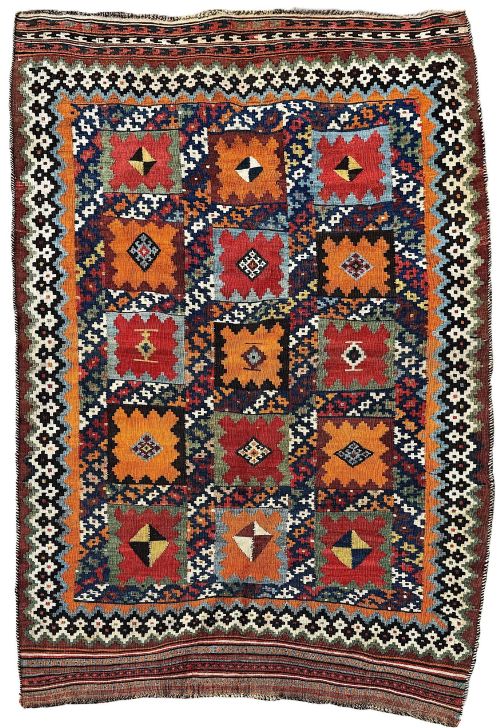
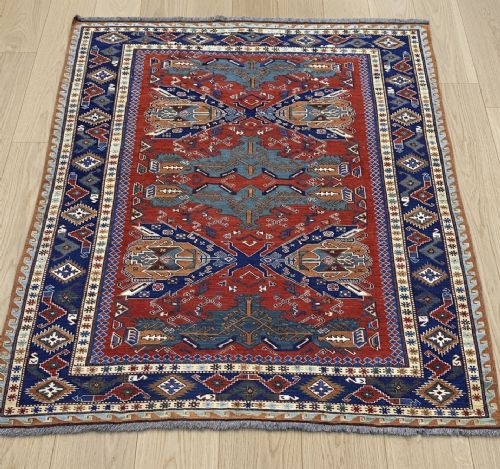
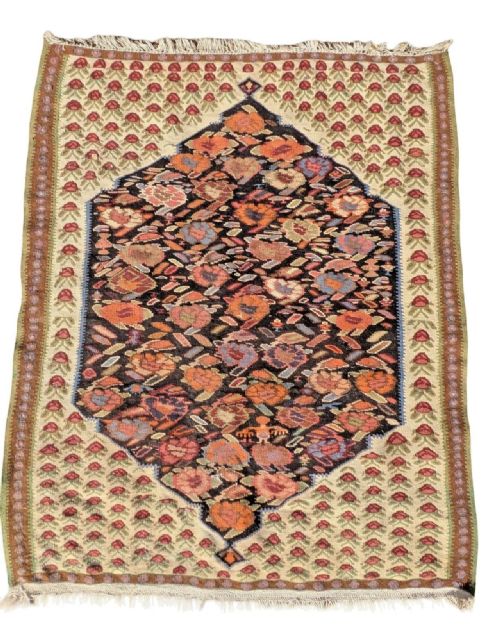
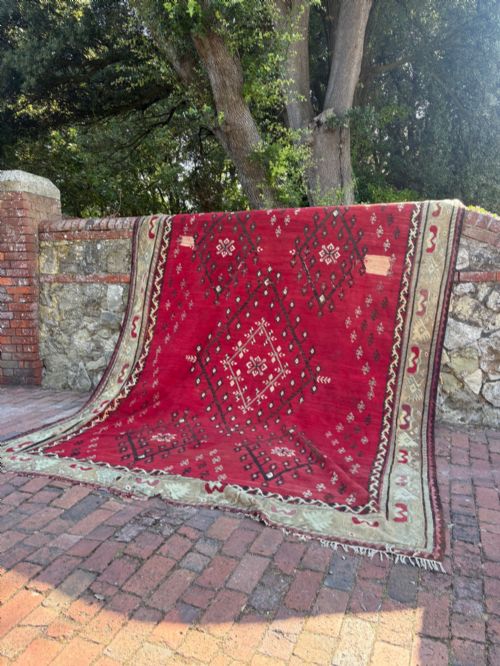
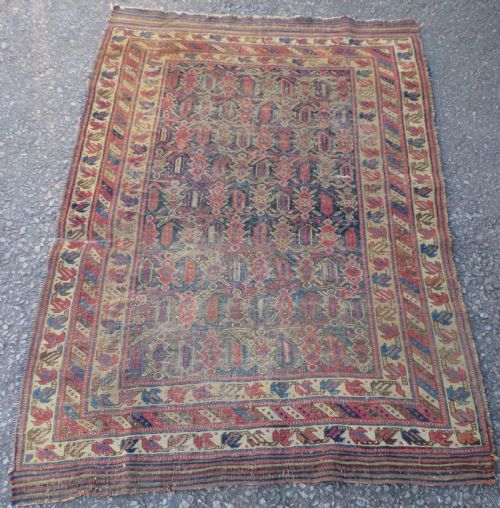
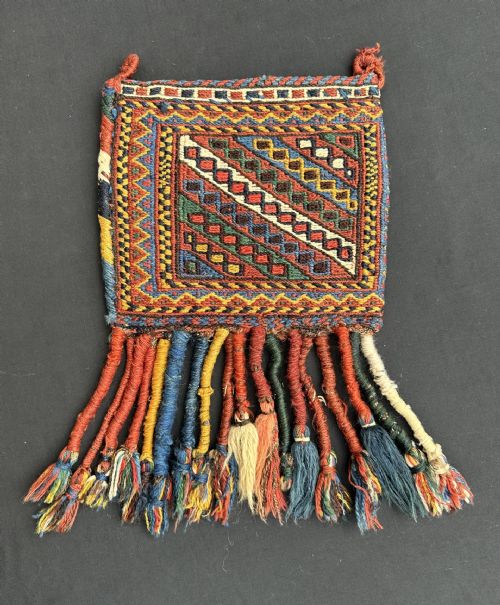
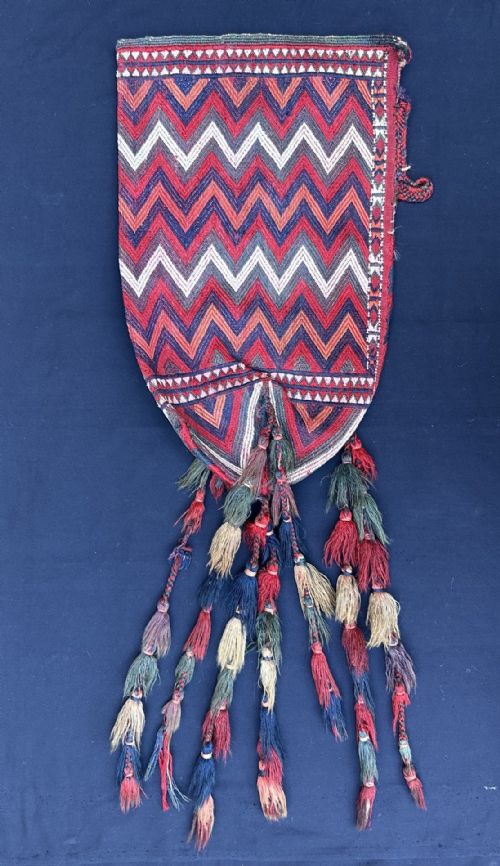
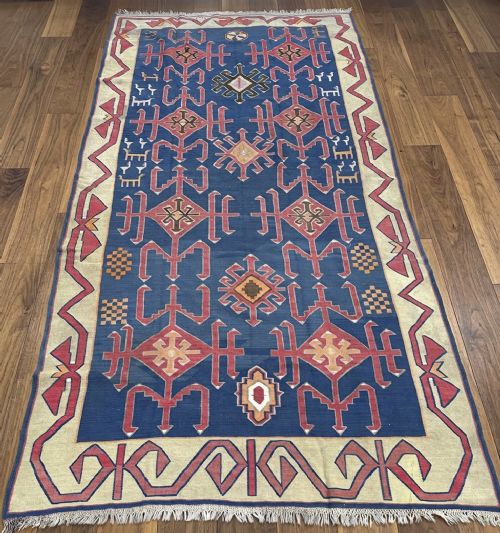
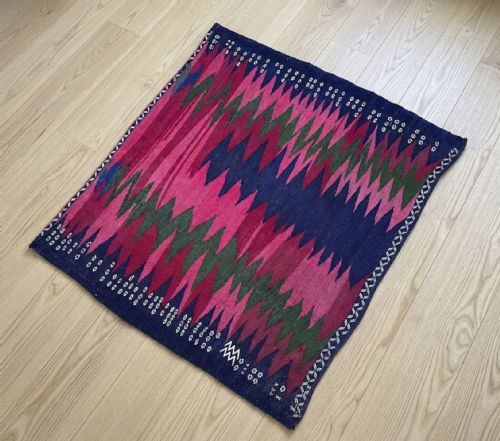
An antique flat weave encompasses kilims, soumaks, and utilitarian bags created by tribal groups across the Caucasus, Anatolia, Persia, and Central Asia. These textiles were woven without a pile, relying instead on interlocking weft threads to build sharp geometric patterns.
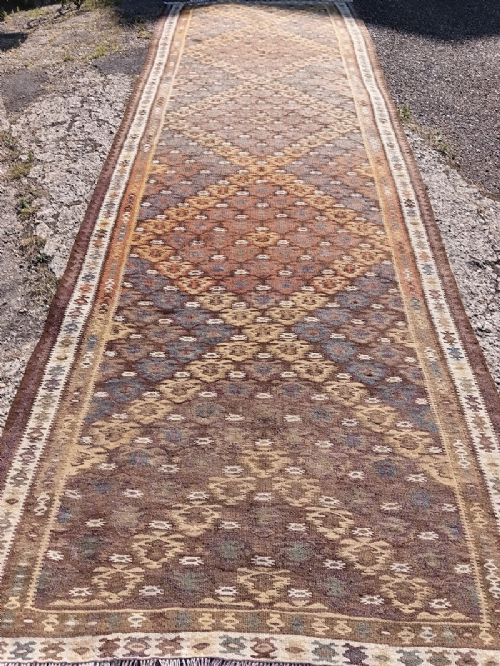
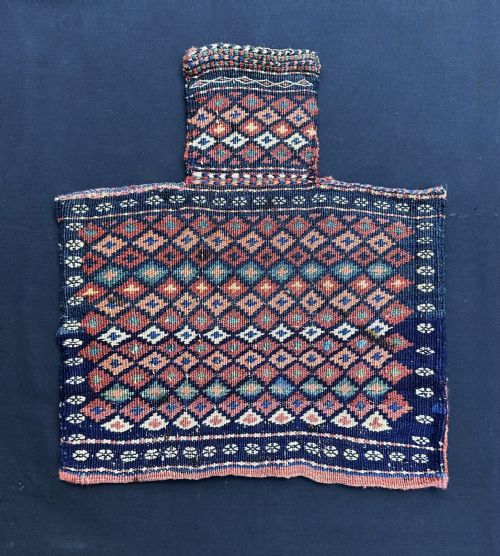
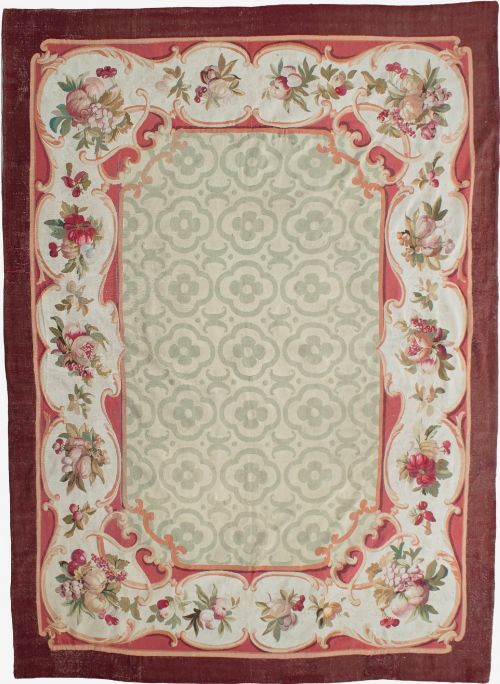
The selections span grand room-size carpets from Bessarabia and Anatolia down to smaller domestic pieces like bread sofrehs, salt bags, and scatter cushions. Village runners and tribal rugs form the backbone of the grouping, displaying regional palettes that range from muted earthy tones to bold graphic layouts.
Materials and construction
Weavers relied primarily on hand-spun wool and cotton foundations, working with natural dyes extracted from local plants and minerals. The resulting textiles gain their characteristic handle from the tight tension of the weft-faced weave.
Techniques diverge between standard slit-tapestry kilims, which leave small vertical gaps where colours meet, and soumak wrapping methods that produce a textured, ribbed surface akin to embroidery.
Antique Flat Weave Retail Price Guide 2026
Typical asking prices for flat weave among the pieces listed under this phrase on Sellingantiques today, from the lower quarter to the upper quarter. They describe what is for sale here now, not the wider market.
The listings span multiple nineteenth- and twentieth-century production centres, featuring wool, cotton, and natural dyes across Anatolia, the Caucasus, and Central Asia.
Judging quality in flat weaves
Quality rests upon the crispness of the drawing and the fineness of the weave, where denser knotting or tighter weft packing yields a sturdier textile. Master weavers achieved exceptional precision in complex medallion and banded layouts.
The vibrancy and depth of the natural dyestuffs significantly elevate a piece, as do well-preserved wool surfaces that retain their original selvedges and proportions without heavy restoration.
The Antique Flat Weave Glossary
- Kilim
- A flat-woven carpet or rug produced without a pile, utilising slit-tapestry techniques to form geometric patterns.
- Soumak
- A brocading technique where supplementary weft threads are wrapped around the warp to create a textured, durable surface.
- Sofreh
- A flat-woven cloth traditionally used for serving bread or wrapping food within nomadic households.
- Khorjin
- A paired saddlebag woven for transport on animals, often preserved today as individual bag faces.
- Selvedge
- The reinforced outer edge of a textile that prevents the warp and weft threads from unravelling.
Antique Flat Weave: Frequently Asked Questions
How do I clean an antique flat weave?
Gentle surface brushing and careful vacuuming without a beater bar keep dust from settling into the wool fibres. Professional textile cleaners who understand vegetable dyes should handle any wet washing.
Water saturation can cause fugitive natural dyes to bleed, so prompt attention from a specialist is essential for accidental spills.
Can I use these flat weaves on the floor?
Most pieces were made for domestic use on floors or inside tents, meaning they handle normal foot traffic well. A quality underlay provides grip and cushions the wool against hard timber.
Fragile or heavily restored items are better suited to low-traffic areas or wall hanging to reduce physical wear.
How are tribal regions identified?
Weavers incorporated specific tribal motifs, border arrangements, and structural quirks characteristic of regions like Shirvan, Daghestan, or the Afshar territories. Palette choices also offer strong clues to geographic origin.
Comparative study of structural idiosyncrasies helps distinguish pieces woven by nomadic groups from those made in village workshops.
Why do some flat weaves have slits?
The slit-tapestry method requires the weaver to reverse the weft direction at the boundary of a colour block, naturally leaving a small vertical opening. This structural feature defines the crisp, geometric aesthetic of traditional kilims.
Skilful weavers often limited slit lengths or used interlocking techniques to maintain structural integrity across wide colour transitions.