





Antique Flap Front Desk
An antique flap front desk provides a clever concealed writing surface, hiding compartments behind a hinged panel.
Antique Flap Front Desk
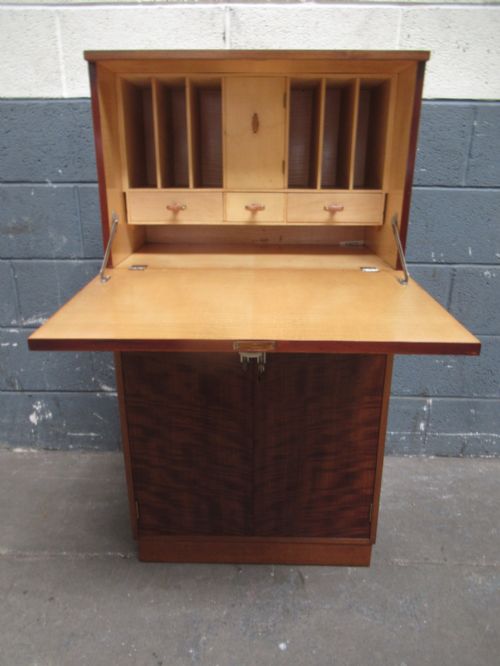
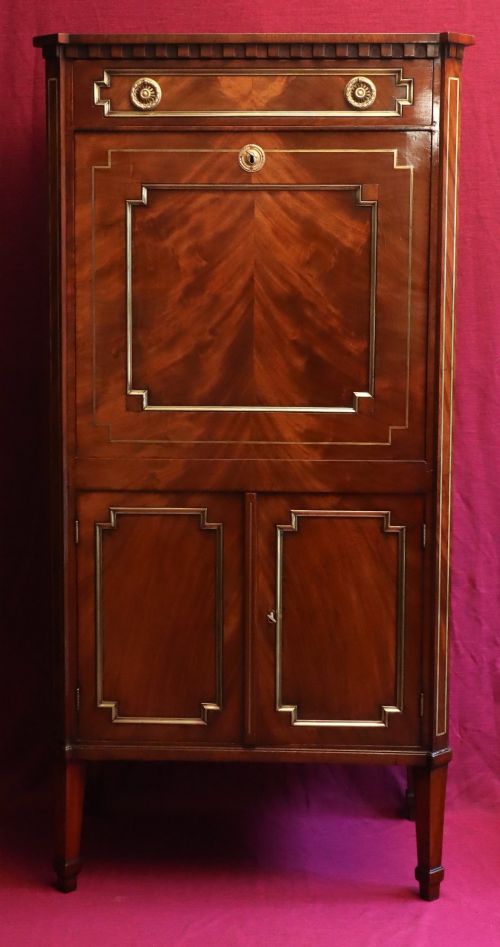
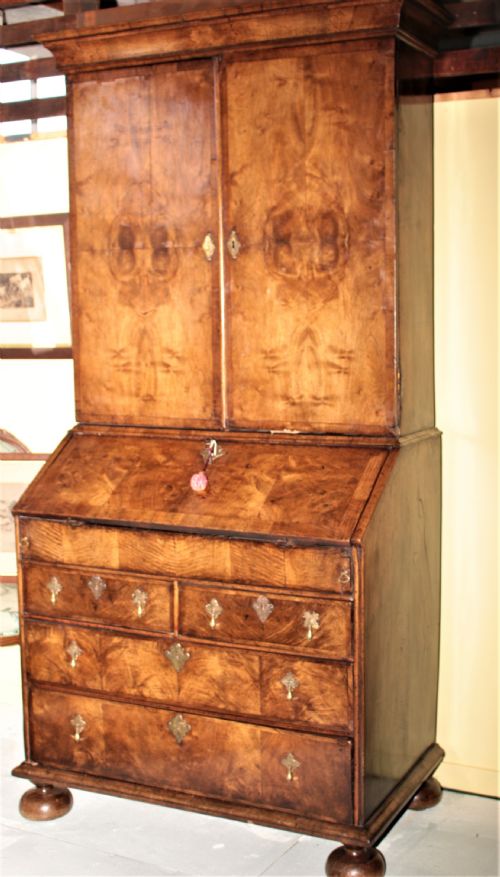
When you search for an antique flap front desk, you are looking at forms such as bureaux, secretaire bookcases, and escritoires. These pieces combine a practical writing surface with storage, utilising a drop-down flap that conceals inner drawers and pigeonholes.
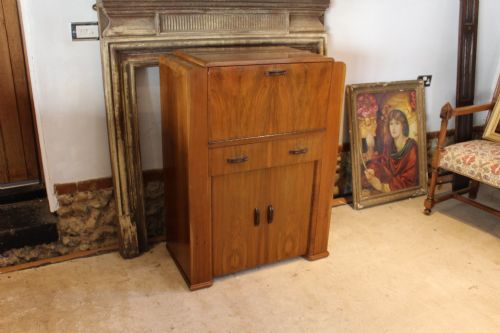
The versions you are most likely to meet on this page span several periods including the 18th century, Georgian era, Victorian period, and Edwardian times. They appear in styles like Queen Anne, Regency, Art Deco, and French Empire.
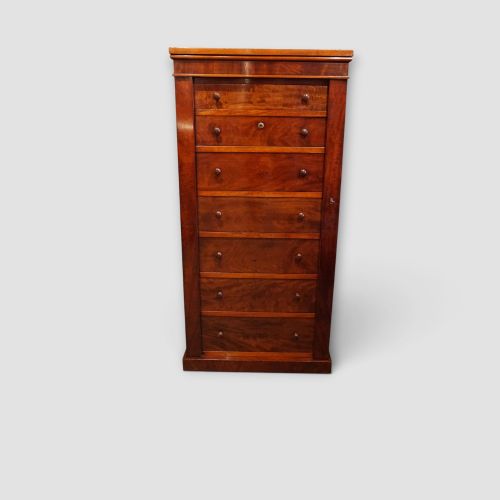
Makers constructed these items in various woods such as mahogany, walnut, burr walnut, oak, satinwood, and rosewood. Some examples incorporate upper bookcase sections or tall narrow frames like Wellington chests.
Materials and construction
Cabinet makers utilised dense hardwoods such as mahogany, walnut, and oak to build the primary carcass and drawers of these desks. Burr walnut veneer frequently appears on finer surfaces to create rich patterned grains.
Makers added brass handles, escutcheons, and hinges for functional and decorative detail. Leather inserts often line the drop-down writing flaps of these pieces.
Antique Flap Front Desk Retail Price Guide 2026
Typical asking prices for flap front desk among the pieces listed under this phrase on Sellingantiques today, from the lower quarter to the upper quarter. They describe what is for sale here now, not the wider market.
Listings feature walnut, mahogany, and oak across 18th-century, Georgian, Victorian, and Art Deco periods.
Assessing quality in these desks
The grade of timber and the precision of the cabinet work dictate the standing of a piece. Finer examples feature matched veneer patterns, such as featherbanding, and secondary timbers like oak used within drawer construction.
The complexity of the interior fitments, including secret compartments and shaped pigeonholes, separates standard utility furniture from superior examples. Original brass hardware and fitted locks also influence the overall standard.
F.H. Marshall & Co Glasgow·George Oakley·Druce & Co.
The Antique Flap Front Desk Glossary
- Bureau
- A desk featuring a sloping hinged flap that opens to reveal a fitted interior of small drawers and pigeonholes. This term frequently overlaps with writing desk forms.
- Secretaire
- A piece of furniture containing a built-in writing drawer or a drop-down flap designed for correspondence. These often integrate into tall chests or bookcases.
- Escritoire
- A tall writing cabinet, typically originating from earlier periods, featuring a fall-front writing surface. They often stand on bracket feet or bun feet.
- Wellington chest
- A tall, narrow chest of drawers secured by a locking hinged side pilaster bar. Some variations incorporate a secretaire drawer or flap.
- Featherbanding
- Inlaid banding using veneers cut diagonally to form a herringbone pattern around panel edges. This technique decorates the drawer fronts and flaps of high-grade walnut pieces.
- Bureau bookcase
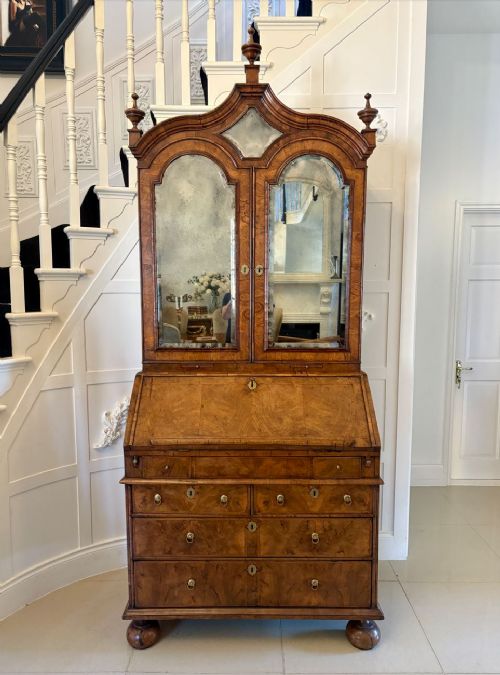
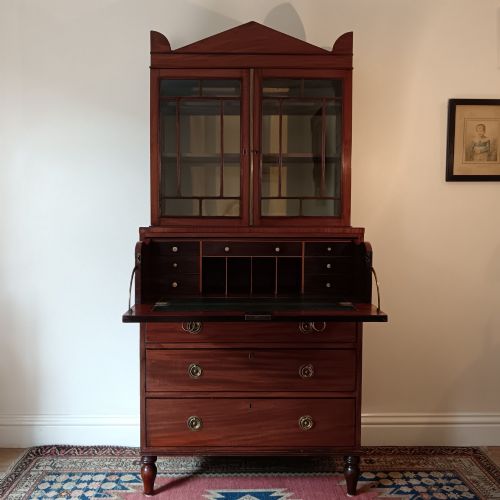
- A dual-purpose furniture form combining a lower sloping writing bureau with an upper glazed or panelled bookcase section.
Antique Flap Front Desk: Frequently Asked Questions
What is an antique flap front desk?
An antique flap front desk is a piece of furniture designed for writing, featuring a hinged board that pulls down or folds down to form a horizontal desk surface. Behind this flap, makers arranged small drawers, slots, and compartments for letters and stationery.
These items appear in various forms, including freestanding bureaux, tall secretaire cabinets, and large bureau bookcases with upper shelving.
How were these desks used historically?
Historically, these desks served as private spaces for correspondence, managing household accounts, and storing important documents. The drop-down flap allowed owners to conceal their paperwork quickly when guests arrived.
The upper sections of bureau bookcases were utilised for displaying and storing library books and valuable volumes.
How do I date an antique flap front desk?
Dating involves examining the construction methods, secondary timbers, and overall style characteristics of the piece. Earlier 18th-century examples often display walnut veneers and featherbanding, while 19th-century pieces frequently utilise solid mahogany or rosewood.
Art Deco variants from the 1930s show distinct geometric lines and modern walnut finishes that differ markedly from Georgian or Edwardian designs.
How do I live with an antique bureau?
Living with these desks involves utilising the surface for modern writing or laptop use while appreciating the historical craftsmanship. The interior compartments remain practical for organising stationery, letters, and small household items.
Care requires placing the furniture away from direct heat sources to protect the polished wood surfaces and delicate veneers.