

Antique Fixture
An antique fixture brings period illumination and functional hardware to a room through French bronze, cut crystal, and heavy brass.
Antique Fixture
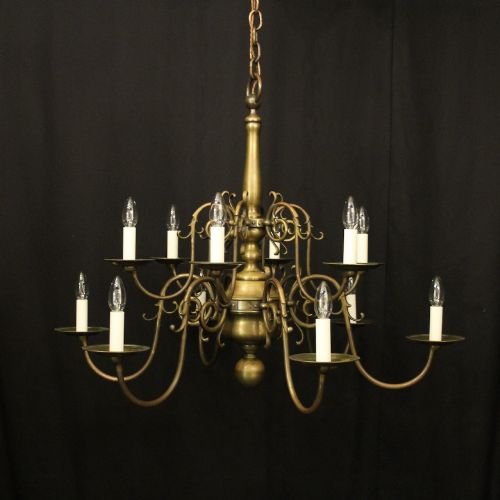
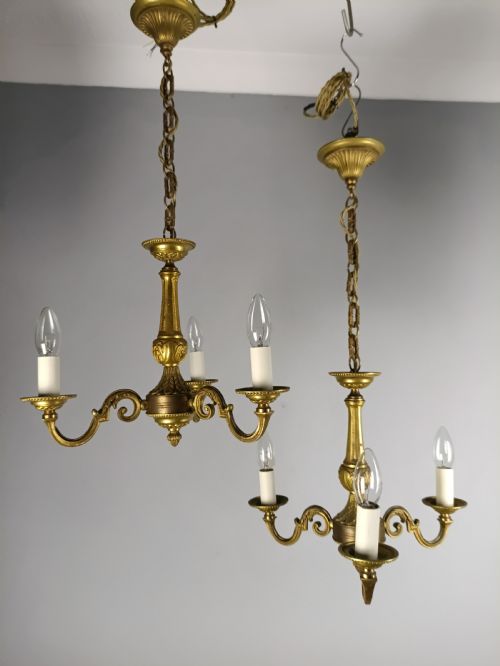
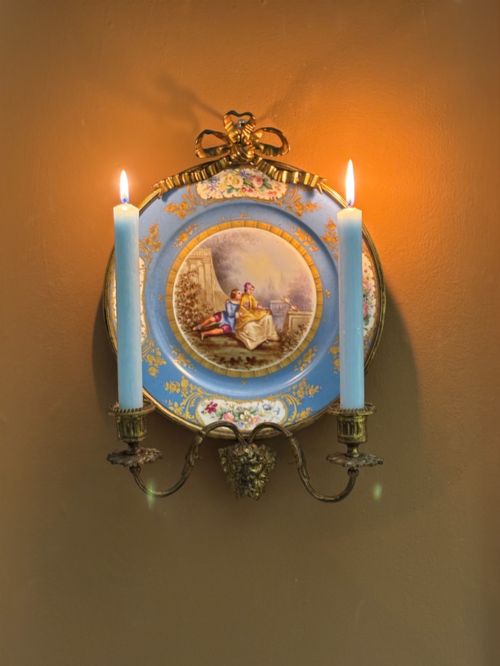
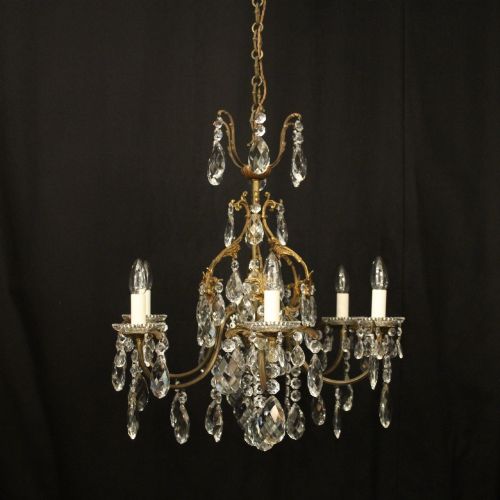
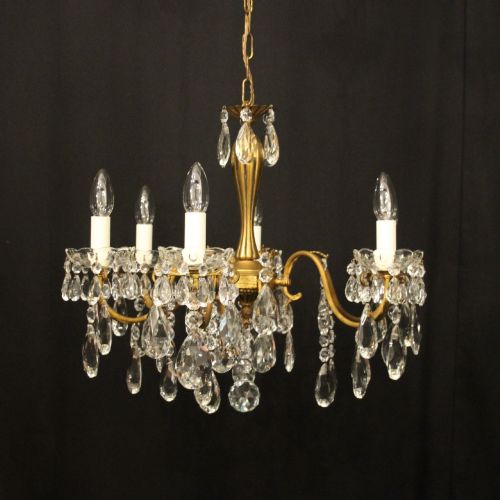
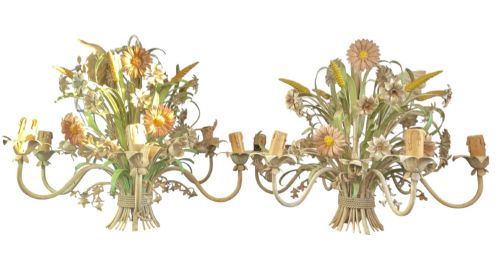
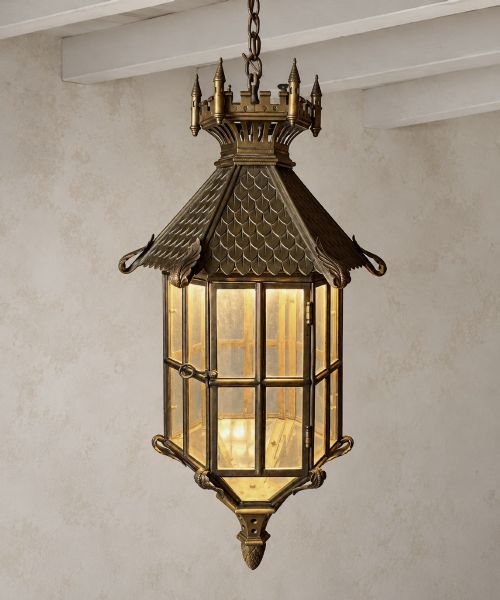
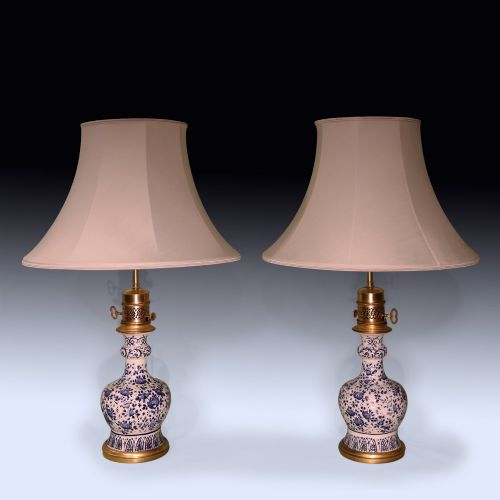
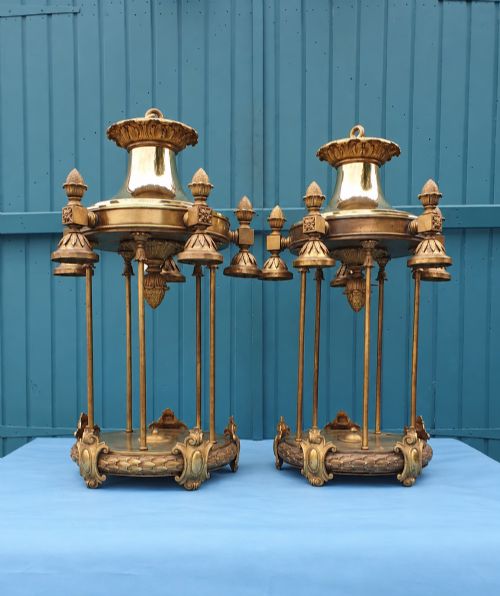
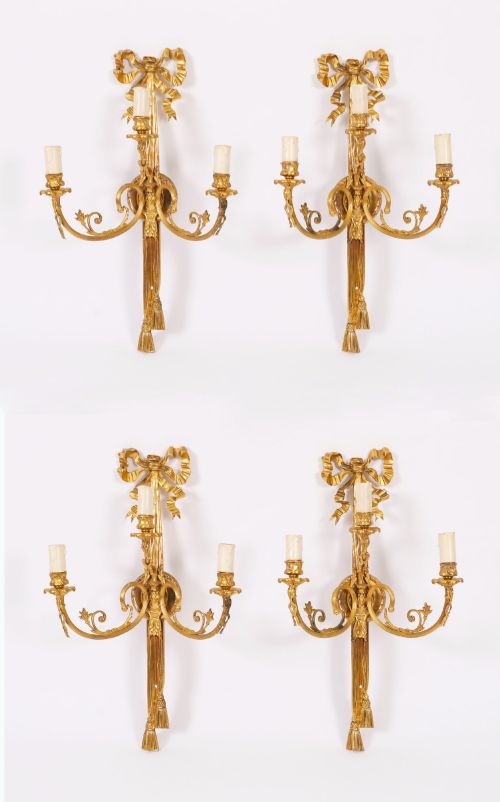
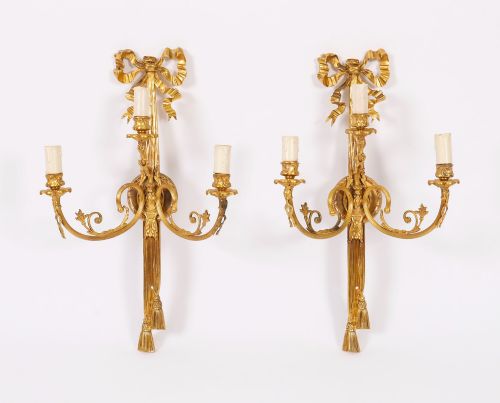
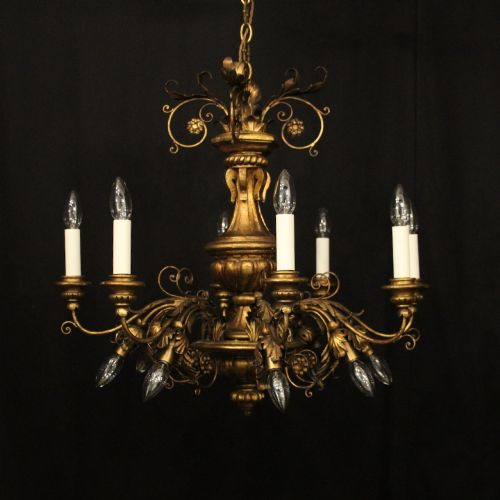
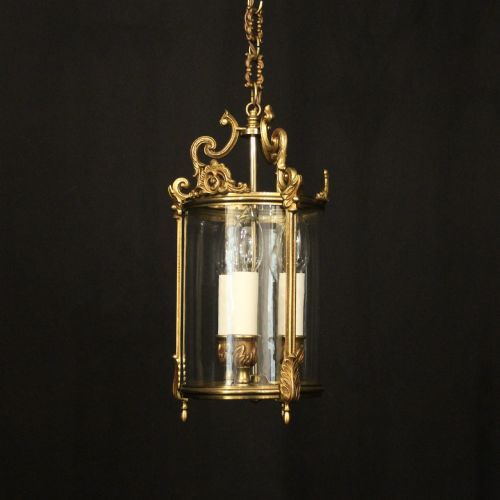
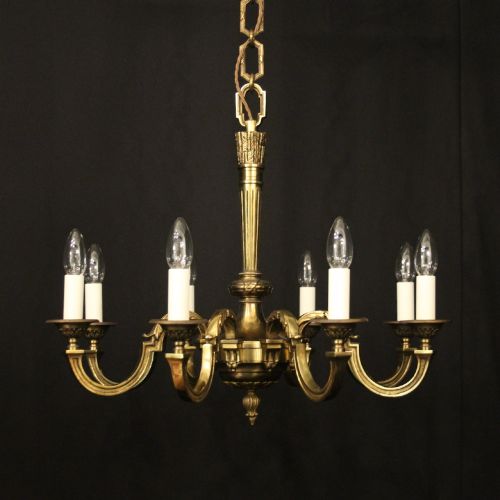
When you search for an antique fixture, you encounter a diverse selection of lighting and hardware spanning the nineteenth and early twentieth centuries. These pieces encompass elaborate French chandeliers, wall sconces, ceiling lights, and practical items such as oil lamps and brass taps.
The versions you are most likely to meet on this page originate from the Victorian and Edwardian eras through to the Art Deco period. Many examples display continental European influences, particularly French gilded bronze and crystal designs alongside Dutch bronze work.
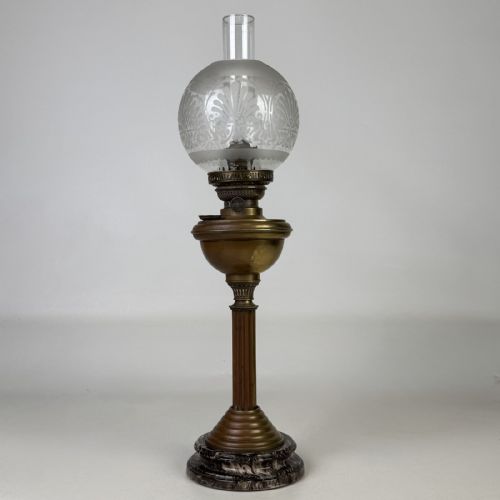
Form follows function across the selection, moving from oil lamps with cranberry glass fonts to multi-arm chandeliers and wall lights. Smaller items like pendant lights and sink taps sit alongside grander multi-tier crystal and spike chandeliers.
Materials and construction
Makers utilised cast and forged metals including brass, bronze, copper, and ormolu to form the structural skeletons of these pieces. Gilt and silvered treatments were frequently applied to bronze and brass surfaces to enhance their decorative impact.
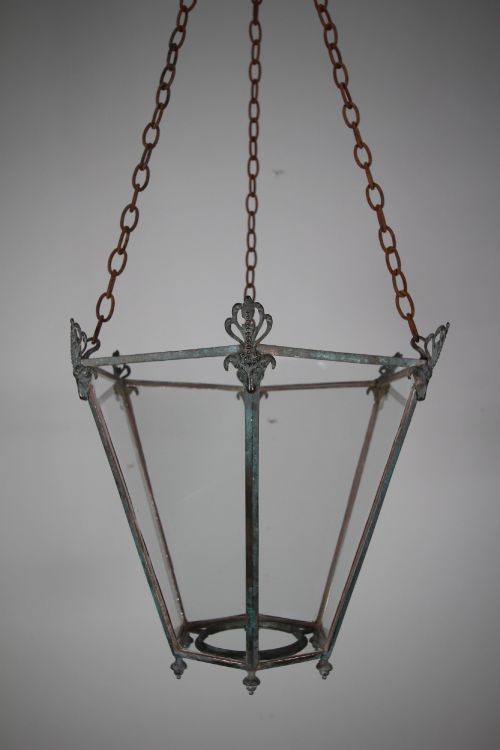
Glass and crystal elements dominate the lighting forms, appearing as cut glass pendants, moulded plafonniers, cranberry font reservoirs, and cascading crystal waterfalls. Hand-stitched leather and vellum also appear in specialised lantern constructions alongside traditional metalwork.
Antique Fixture Retail Price Guide 2026
Typical asking prices for fixture among the pieces listed under this phrase on Sellingantiques today, from the lower quarter to the upper quarter. They describe what is for sale here now, not the wider market.
Among the heavy metal and crystal rests a humble painted pine shop counter disguised as faux oak.
Markers of distinction
The weight and substance of the metalwork set apart the finer examples from standard production. Heavier bronze and cast brass components provide structural integrity and allow for deeper, crisper chasing and ornamentation.
The clarity and precision of the glass and crystal elements dictate the upper tier of the range. Hand-cut crystal spikes and polished prisms catch and refract light with a sharpness absent in simpler pressed glass components.
Charles Schneider·Degué
The Antique Fixture Glossary
- Ormolu
- A method of applying finely ground high-carat gold to a bronze object using a mercury amalgamation process. This technique produces a rich, durable golden finish found on many French pieces.
- Plafonnier
- A ceiling-mounted bowl light or flush fixture popular during the Art Deco period. These fixtures direct illumination downward into the room through decorative moulded glass.
- Font
- The oil reservoir of a lamp, often rendered in coloured glass such as cranberry. It sits atop a column or pedestal base.
- Tent and waterfall
- A chandelier style featuring strings of small crystals gathered into a tent shape at the top, cascading down to a wider ring below.
Antique Fixture: Frequently Asked Questions
What is an antique fixture?
An antique fixture is a functional decorative item for lighting or plumbing dating from the nineteenth or early twentieth century. These pieces include chandeliers, wall sconces, oil lamps, and taps.
They combine utility with the distinct stylistic periods of their manufacture, utilising materials like brass, bronze, and cut crystal.
How do I identify the period?
Dating relies on stylistic clues, materials, and manufacturing techniques recorded in the piece descriptions. Victorian and Edwardian items often feature heavy brass or cranberry glass, while 1920s and 1930s examples show Art Deco or French gilt influences.
Examining the metal casting and the cut of the crystal provides further confirmation of the era.
Were these electrified originally?
Many early fixtures were designed for candles, oil, or gas before later conversion to electricity. Oil lamps utilised burners and glass fonts, whereas chandeliers held candles or gas jets.
Today, surviving pieces frequently accommodate modern electrical wiring while retaining their historic metal and glass framework.
How do I style these pieces?
Integrating an antique fixture into a modern interior creates a deliberate contrast between historic craftsmanship and contemporary space. Hanging a crystal chandelier or mounting a bronze wall light adds immediate focal points.
Smaller items like pendant lights or brass taps offer subtle period details for specific rooms.