


Antique Fishing Boats
Antique fishing boats bring the raw salt air and hard work of coastal life directly into your interior through period oils and watercolours.
Antique Fishing Boats
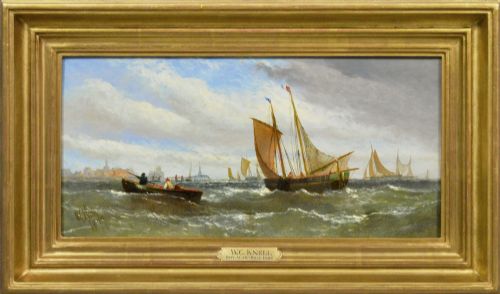
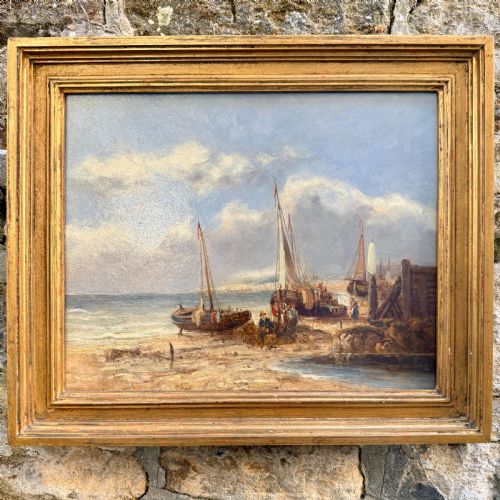
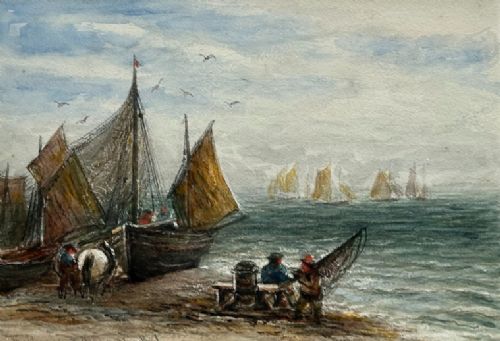
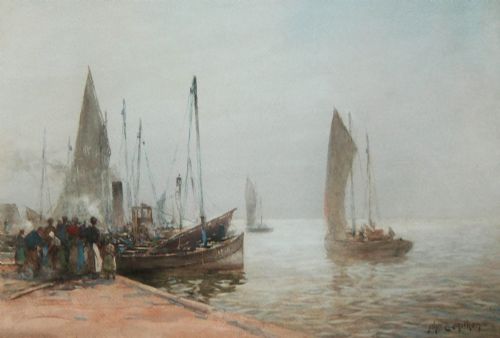
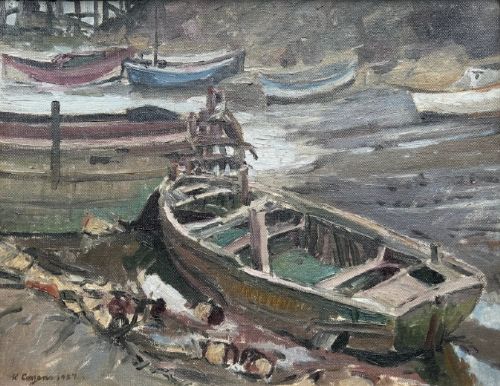
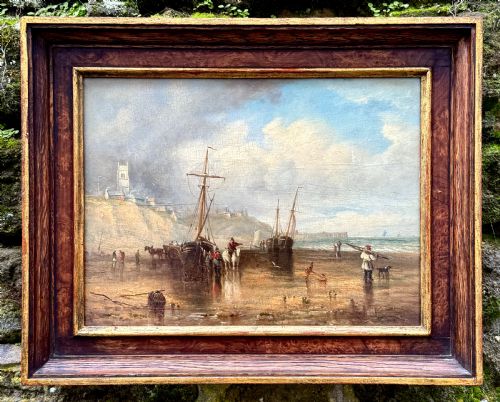
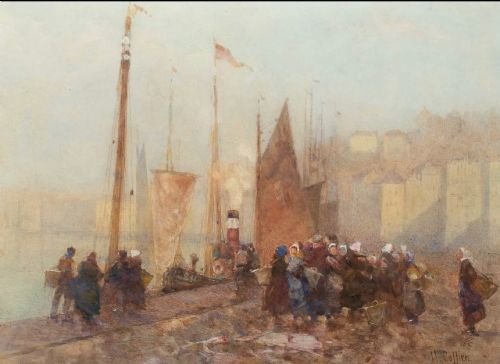
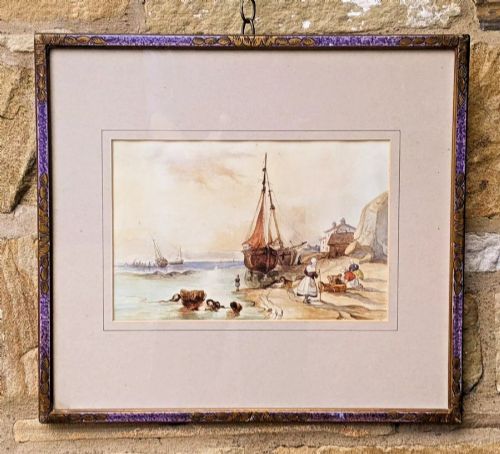
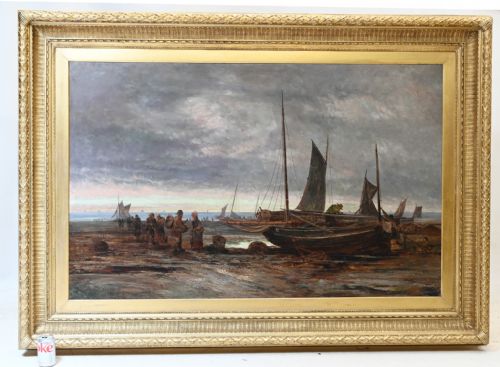
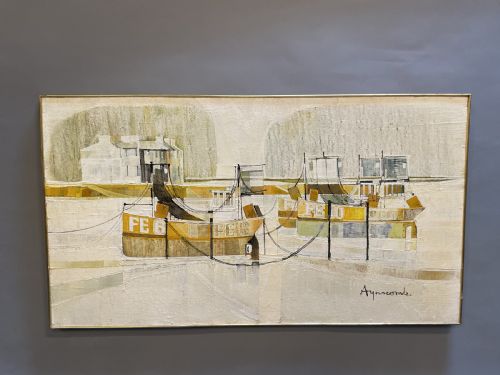
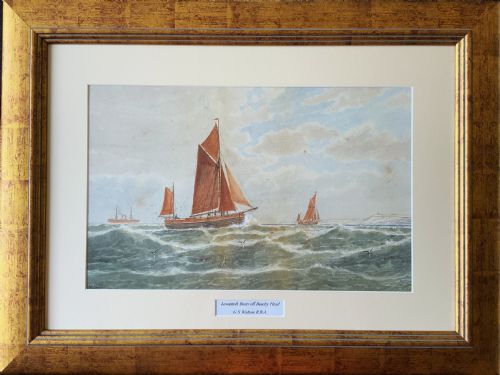
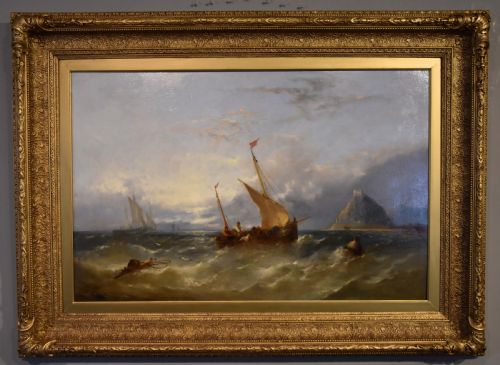
When searching for antique fishing boats, collectors encounter painted and carved representations of maritime life rather than floating vessels. These pieces capture the heavy wooden luggers, trawlers, and cobles that worked British and European waters from the nineteenth century onward.
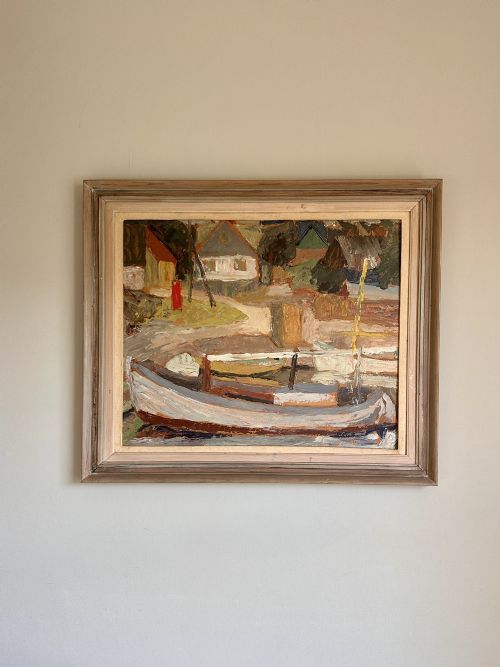
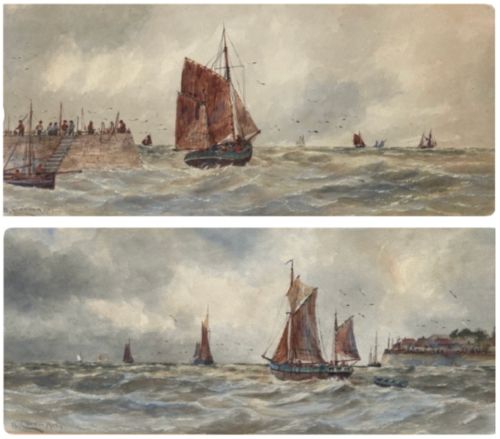
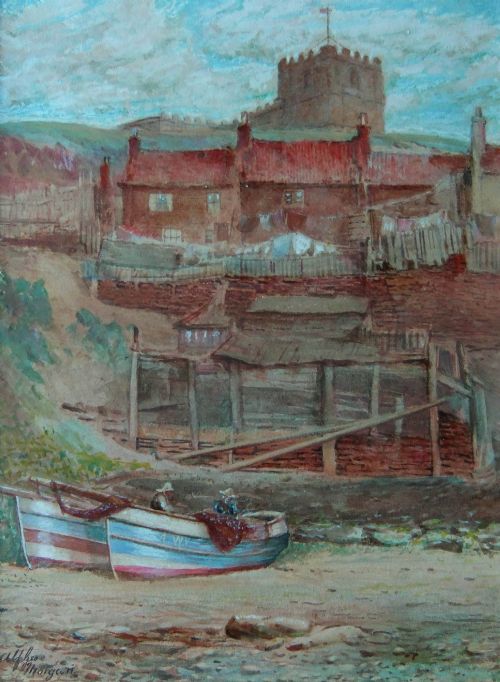
The selections available lean heavily toward framed oil paintings and detailed watercolours on paper, alongside a small selection of carved wooden half models and ceramic figures. Works originating from coastal art colonies in Cornwall, Yorkshire, and Scotland dominate the imagery.
Artists sought out specific harbours such as St Ives, Whitby, and Lowestoft, recording the daily departure and return of local fishing fleets. These visual records preserve a vanished maritime economy through the eyes of Victorian and Edwardian painters.
How these pieces were constructed
Makers and painters utilised oil paint on canvas, wood panel, and card, or applied watercolour pigment directly onto paper. Oil mediums allowed artists to build heavy, textured impasto for churning seas, whilst watercolours captured the translucent grey light of northern skies.
Carved half models were shaped from solid timber, painted with flat oils, and mounted on wooden boards to record the exact lines of working cobles and hull designs. Frames were constructed from carved giltwood or simple moulded timber to protect the works.
Antique Fishing Boats Retail Price Guide 2026
Typical asking prices for fishing boats among the pieces listed under this phrase on Sellingantiques today, from the lower quarter to the upper quarter. They describe what is for sale here now, not the wider market.
Several painted half models preserve the exact curves of working cobles alongside painted miniature coastal towns.
What separates works in quality
Quality rests upon the artist's direct observation of maritime atmosphere and the structural accuracy of the vessels depicted. Superior examples render rigging, hull shapes, and sea swells with authoritative brushwork that demonstrates firsthand knowledge of the coast.
Condition of the painted surface and preservation of the paper or canvas dictate longevity. Works that retain their original pigments without excessive overpainting or heavy acidic foxing command greater attention from serious collectors of marine art.
James Orrock·William Cannon·James E. Aitken·Hector Caffieri·Thomas Creswick·Alfred G. Morgan·William Henry Williamson·George Stanfield Walters·Henry Barlow Carter·Edward Matthew Elliott·Charles Napier Hemy·William Lee Hankey·Gustave De Bréanski·Pieter Cornelis Dommersen·Tom Clough·George Shaw·Thomas Bush Hardy·T.S. Wallis·George Gregory·George Morland·John Bell·Frederick William Hattersley·Ernest F. Hill·George Henry Knight·Sam Bough
The Antique Fishing Boats Glossary
- Coble
- An open traditional fishing boat with a high bow and flat floor, historically used off the northeast coast of England.
- Half model
- A three-dimensional half hull mounted on a board, used by shipwrights to plan vessel proportions.
- Impasto
- Paint laid on an area of a surface in thick layers, allowing brush marks to stand proud and catch the light.
- Watercolour pigment
- Finely ground colour mixed with a water-soluble binder, applied to paper to create luminous transparent washes.
- Foxing
- Brown spots and discolouration that develop on older paper surfaces due to iron impurities and damp conditions.
Antique Fishing Boats: Frequently Asked Questions
How do I care for an oil painting of fishing boats?
Keep paintings away from direct sunlight and fluctuating central heating to prevent the canvas from slackening and the oil paint from cracking over time.
Dust the surface gently with a dry, soft brush and avoid using water or cleaning solutions on the exposed pigment.
Why are so many maritime watercolours from the Victorian era?
The expansion of the railways allowed artists to easily reach remote fishing ports like St Ives and Whitby, leading to a surge in coastal painting.
Watercolour materials were portable, enabling painters to work directly on the harbour quayside amidst the working fleets.
How can I tell a nineteenth-century painting from a later copy?
Examine the reverse of the canvas or panel for period stretcher frames, old framer stamps, and handwritten artist inscriptions that match historical records.
Craquelure in the oil paint layer naturally develops over many decades, offering a reliable indicator of genuine age.
Where should I hang a large maritime oil painting?
Select a sturdy wall space with stable ambient temperature and humidity, ensuring heavy giltwood frames are secured directly to wall studs.
Allow enough viewing distance for massive canvases, as nineteenth-century marine scenes rely on scale to convey the power of stormy seas.