



Antique Fish Bowl
These antique fish bowl examples bring traditional ceramic and glass forms into the home, prized for their decorative painting and substantial presence.
Antique Fish Bowl
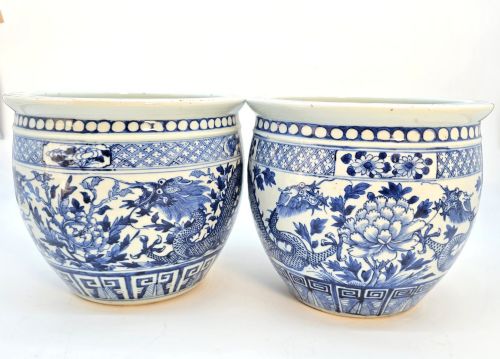
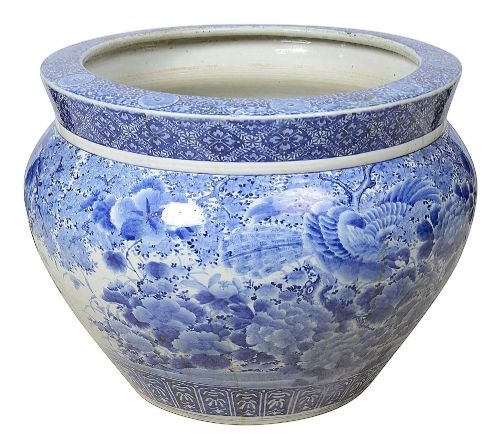
An antique fish bowl often takes the form of a jardiniere, planter, or large decorative vessel designed to hold aquatic life or floral arrangements. Buyers seeking this phrase typically encounter Chinese blue and white porcelain vessels from the nineteenth century alongside Japanese Satsuma and Imari pieces.
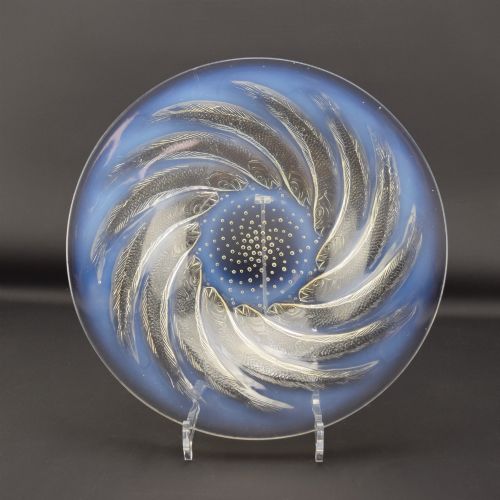
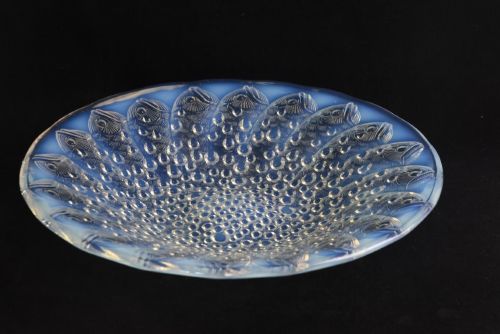
The selection ranges from large Qing Dynasty porcelain containers with cobalt underglaze to opalescent glass bowls by René Lalique. Forms also encompass copper arts and crafts rose bowls and painted porcelain dessert dishes.
Originating largely from nineteenth-century workshops in China and Japan, alongside later twentieth-century European glass production, these pieces serve as striking interior focal points. The material variety spans heavy ceramics, enamelled copper, and moulded glass.
Materials and methods
Porcelain fabrication involves shaping fine clay and firing at high temperatures, often decorated with cobalt underglaze or famille rose enamels before a secondary glaze firing. Chinese and Japanese makers utilised traditional kiln techniques to achieve durable, resonant bodies capable of holding water.
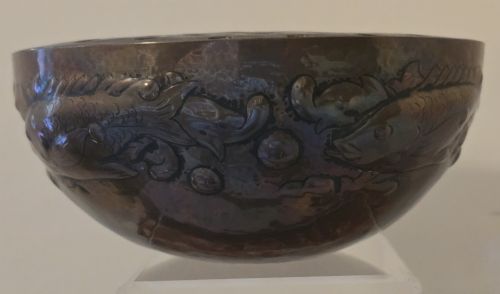
Glass production for twentieth-century pieces relies on pressing or moulding molten metal into heavy opalescent forms, capturing light across raised relief patterns. Copper vessels utilise hand-beating and piercing methods, demonstrated by arts and crafts metalwork featuring riveted construction and patinated surfaces.
Antique Fish Bowl Retail Price Guide 2026
Typical asking prices for fish bowl among the pieces listed under this phrase on Sellingantiques today, from the lower quarter to the upper quarter. They describe what is for sale here now, not the wider market.
Several Chinese pieces incorporate carved twin fish motifs into the interior base, designed to swim happily beneath the water.
Distinguishing quality
Quality rests upon the crispness of the hand-painted detail and the depth of the glaze, where finer ceramic pieces display precise brushwork and controlled pigment saturation. Superior glass bowls exhibit sharp relief moulding and an even distribution of opalescence throughout the material.
The structural integrity of the vessel and the preservation of original hand-applied enamels or gilding dictate the overall standard. Examples that retain their associated stands or original pierced lids command greater attention from collectors.
Newlyn Copper·Rene Lalique·Royal Worcester
The Antique Fish Bowl Glossary
- Jardiniere
- An ornamental pot or stand for holding plants or flowers. These large ceramic or metal vessels often double as fish bowls.
- Famille Rose
- A major palette of Chinese ceramic enamels introduced in the Qing Dynasty. It is characterised by opaque pink or purple enamel derived from colloidal gold.
- Imari
- A type of Japanese porcelain decorated in underglaze blue and overglaze red, gold, and green. These wares were extensively exported to Europe from the port of Imari.
- Opalescent
- Exhibiting varying colours as an effect of the diffusion of light. In glass production, this creates a milky, translucent quality with iridescent highlights.
Antique Fish Bowl: Frequently Asked Questions
What is an antique fish bowl?
An antique fish bowl is a large decorative vessel, typically ceramic or glass, originally used to house fish or display plants.
Most examples found in trade are nineteenth-century Chinese porcelain jardinières or twentieth-century glass bowls.
How do I date a Chinese fish bowl?
Dating relies on examining the potting style, the composition of the cobalt blue or enamel colours, and any reign marks on the base.
Nineteenth-century pieces often display heavier bodies and distinct crackle or crazing patterns within the glaze.
Can I use these bowls for real fish?
While originally intended for aquatic life, many collectors now use them as planters, decorative cachepots, or standalone sculptural objects.
Modern fishkeeping standards often require filtered tanks rather than traditional open bowls.
How should I clean an antique ceramic bowl?
Cleaning requires only warm water and a soft cloth to protect fragile overglaze enamels and aged ceramic surfaces.
Harsh chemical detergents and abrasive brushes must be avoided to prevent permanent damage to the glaze.