



Antique Fireside Chest
An antique fireside chest keeps fuel tidy beside the hearth, combining practical storage with period craftsmanship.
Antique Fireside Chest
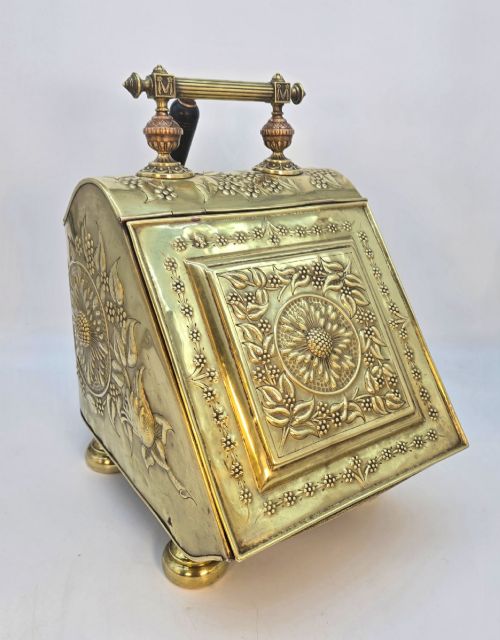
An antique fireside chest serves as a practical repository for coal, logs, and hearth accessories while anchoring the room's decorative scheme. The pieces available span several eras, encompassing Georgian containers, Victorian metal bins, and Edwardian wooden boxes.
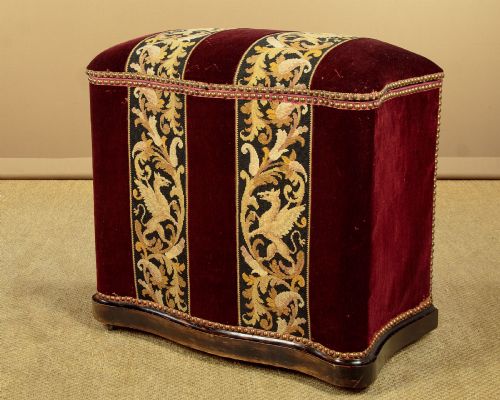
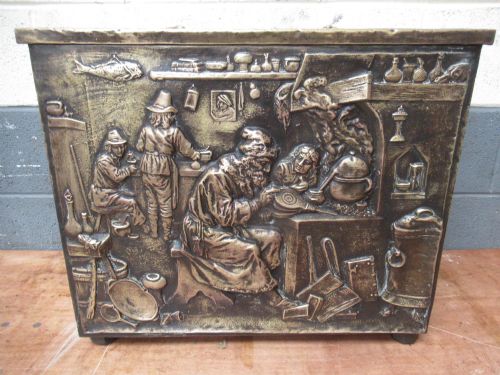
Buyers will encounter various forms, including upholstered ottomans, lidded bins, and copper-clad storage chests. These items originate from English, French, and Belgian workshops, reflecting distinct regional preferences in domestic heating storage.
The materials range from robust oak and pine to polished brass and embossed copper. Such diversity ensures a fireside chest can complement both rustic country interiors and formal period rooms.
How they were made
The construction relies heavily on solid timbers such as oak, walnut, and pine, joined to withstand the weight of dense fuel. Metal elements, particularly brass and copper, receive careful shaping and embossing to create decorative exterior panels.
Upholstered variants incorporate textiles like velvet and tapestry over a padded lid, turning a utilitarian container into a seat. Metal components often feature hand-hammered details and riveted joints characteristic of the Arts and Crafts ethos.
Antique Fireside Chest Retail Price Guide 2026
Typical asking prices for fireside chest among the pieces listed under this phrase on Sellingantiques today, from the lower quarter to the upper quarter. They describe what is for sale here now, not the wider market.
Design styles represented include Victorian, Edwardian, Arts and Crafts, and the Aesthetic Movement.
What varies in quality
Quality reveals itself in the integrity of the timber joints and the depth of the metalwork relief. Superior pieces exhibit crisp hand-embossing on copper or brass panels rather than shallow, machine-pressed stamping.
The choice of secondary woods and the retention of original hardware distinguish finer examples from standard utility boxes. Selection of materials, from solid oak frames to heavy-gauge copper linings, dictates the longevity and presence of the chest.
The Antique Fireside Chest Glossary
- Cellarette
- A lockable container originally designed for storing wine bottles near the dining table, often adapted for fireside storage.
- Coal Scuttle
- A metal bucket or box designed specifically for carrying and holding coal close to the fireplace.
- Embossing
- A technique for creating raised designs on metal surfaces using punches and hammers.
- Ottoman
- A low upholstered seat or storage box with a padded lid, frequently utilised for fireside seating and fuel containment.
- Aesthetic Movement
- A late nineteenth-century design style emphasising visual beauty over narrative subject matter, visible in decorative metal panels.
Antique Fireside Chest: Frequently Asked Questions
What were fireside chests used for?
These chests provided a tidy method for storing coal, logs, and kindling near the hearth, keeping the surrounding floor clean. Many examples also doubled as occasional seats or blanket storage.
Their robust construction allowed them to withstand the daily demands of stoking a fire in period homes.
How do I clean a brass log box?
Dust the exterior regularly with a soft, dry cloth to prevent the buildup of soot and grime. Avoid abrasive cleaners that can strip away the aged patina accumulated over the decades.
Gentle application of a mild metal cleaner preserves the character of embossed brass without removing its historic surface.
Can I use an antique chest for modern logs?
Most chests accommodate standard logs easily, though measuring the interior compartment helps ensure a good fit for specific wood sizes. Lining metal boxes with a protective mat prevents scratching from rough bark.
Wooden interiors benefit from dry storage to protect the historic timber from moisture damage.
How do I date a copper coal box?
Dating relies on examining construction methods, such as the type of fasteners, hinges, and the style of any decorative metalwork. Edwardian and late Victorian pieces frequently display Arts and Crafts motifs like galleon designs or hammered textures.
Comparing the timber species and lining materials provides further clues to the manufacturing period.