


Antique Fireplace Stand
An antique fireplace stand brings functional warmth and period metalwork into a room.
Antique Fireplace Stand
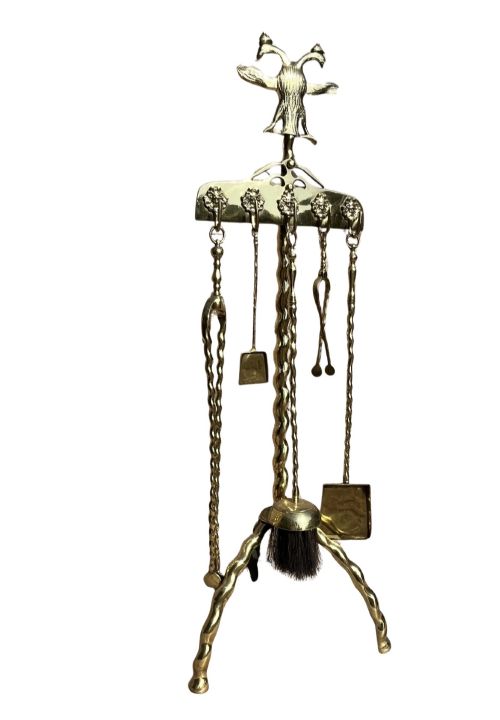
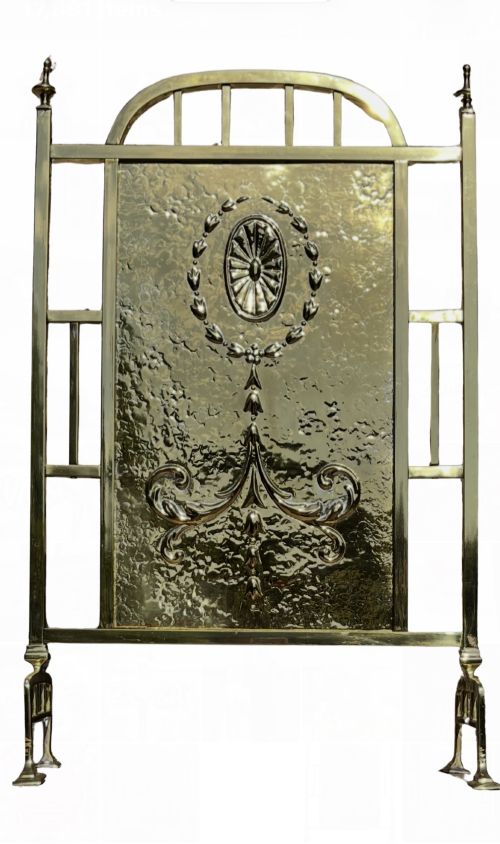
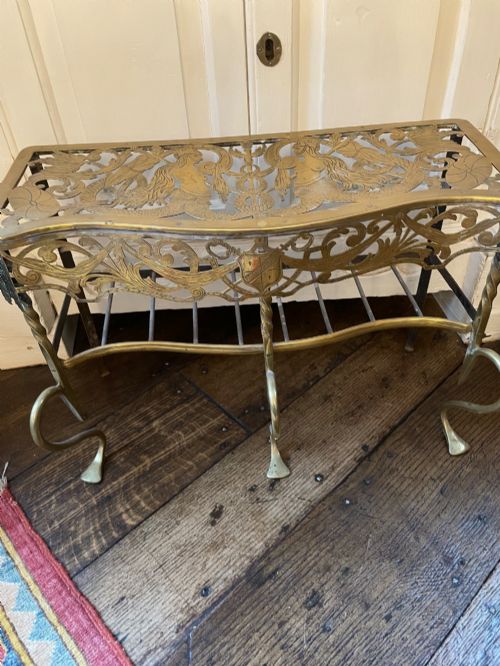
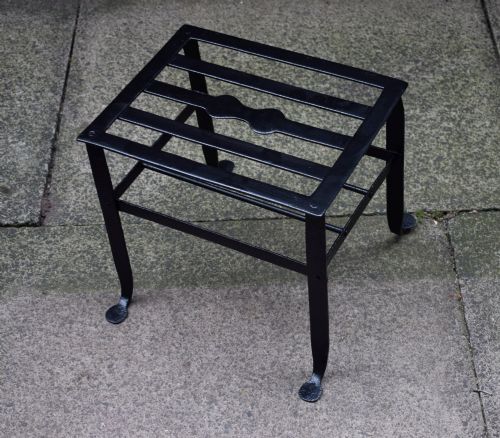
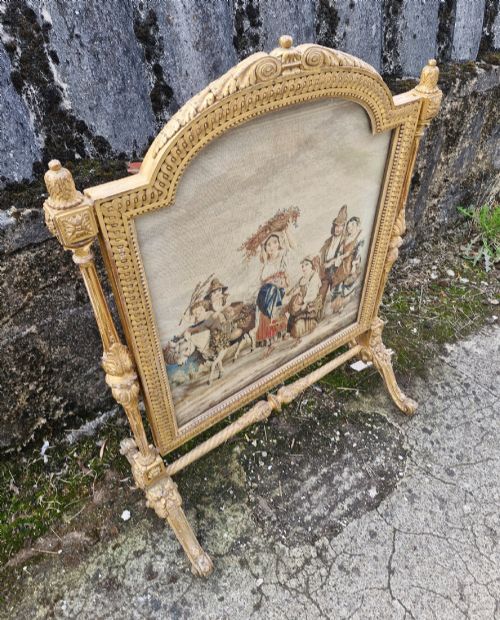
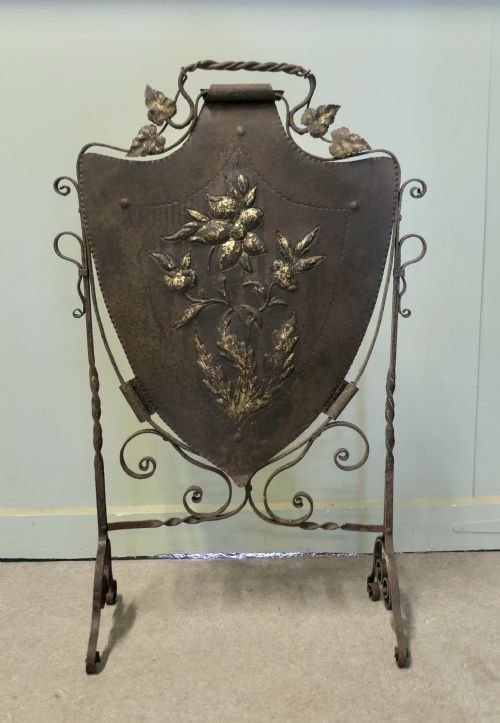
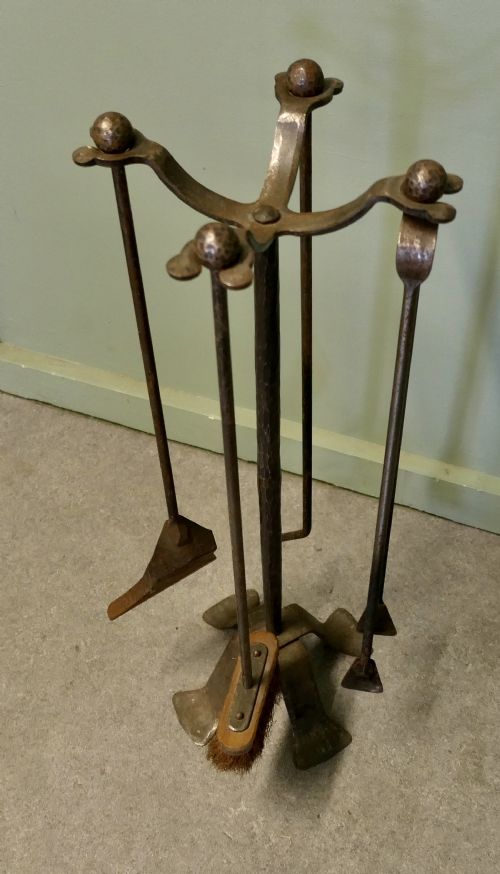
An antique fireplace stand encompasses hearth accessories, companion sets, and footmen used around the chimney piece. When exploring the category of antique fireplace stand, buyers frequently encounter brass footmen, iron companion sets, and floor-standing screens.
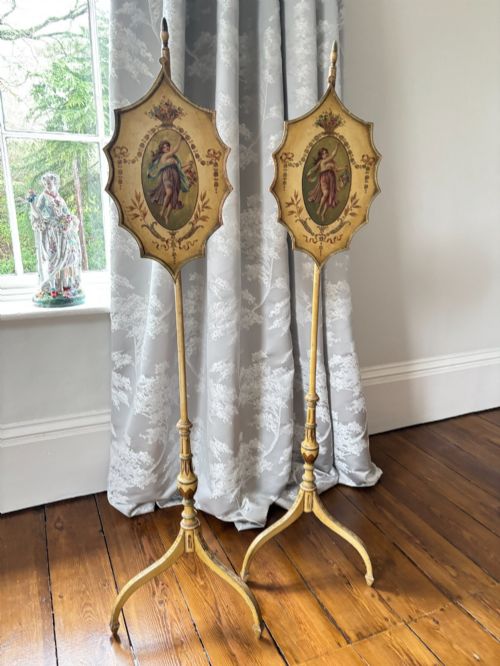
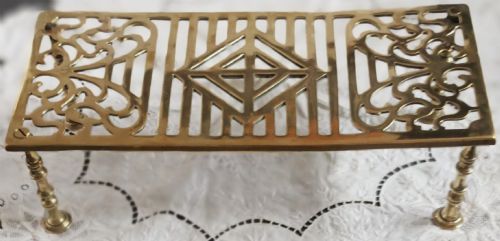
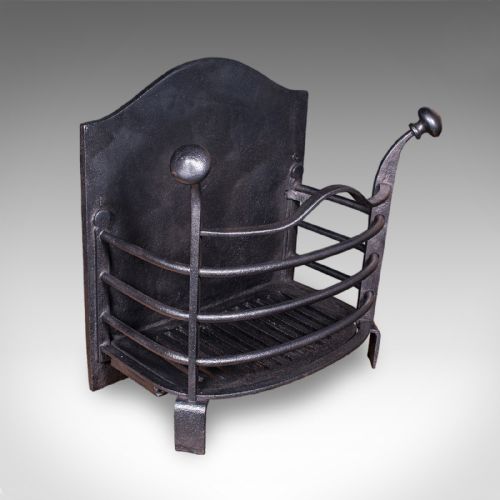
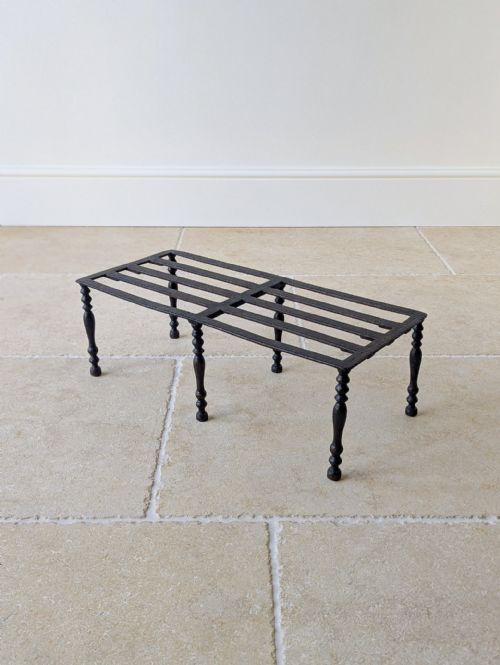
The objects span multiple centuries, ranging from Georgian country-house ironwork to heavy Victorian brass pieces. Items include pole screens, trivets, and fire grates designed for domestic hearths.
Origin details in the inventory point to English and French workshops, with distinct regional preferences for brass, steel, and cast iron. These pieces reflect the evolution of home heating and decorative metalworking traditions.
Materials and construction methods
Blacksmiths and founders shaped these objects using cast iron, wrought iron, and polished brass. Steel components appear alongside brass in footmen and companion sets to provide structural strength.
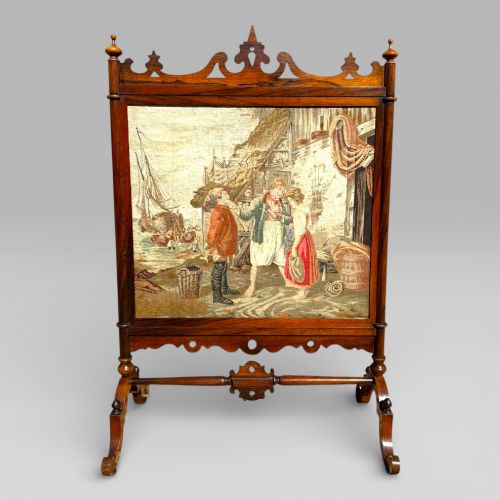
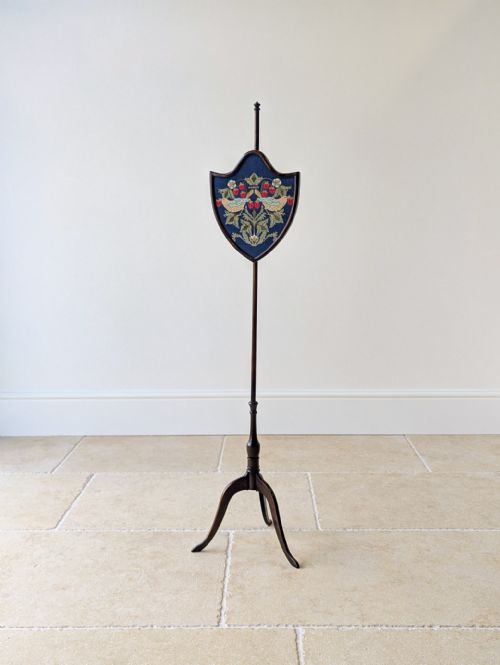
Joinery and casting techniques vary by period, utilising forged iron frames and riveted or screwed brass joints. Pole screens incorporate carved mahogany and rosewood with textile panels, needlework, or stained glass.
Antique Fireplace Stand Retail Price Guide 2026
Typical asking prices for fireplace stand among the pieces listed under this phrase on Sellingantiques today, from the lower quarter to the upper quarter. They describe what is for sale here now, not the wider market.
Factors influencing quality
The standard of casting and hand-finishing defines the visual appeal of metal pieces, distinguishing heavy solid brass from lighter plated alternatives. Finer items display crisp detailing on cast fire dogs and well-balanced proportions on tripod pole screens.
Material integrity and the survival of original companion tools dictate the status of a set. Pieces retaining their matching steel pokers, shovels, and tongs demonstrate greater preservation over time.
Frederick J Smith and Co
The Antique Fireplace Stand Glossary
- Footman
- A metal stand placed in front of a fireplace to keep food or kettles warm. These items are typically constructed from brass and steel.
- Pole screen
- An adjustable vertical screen on a tripod base used to shield a person's face from the direct heat of a fire. Panels often feature embroidery or needlework.
- Andirons
- Supports made of iron or brass placed in a hearth to hold logs off the floor. They are also known as fire dogs.
- Companion set
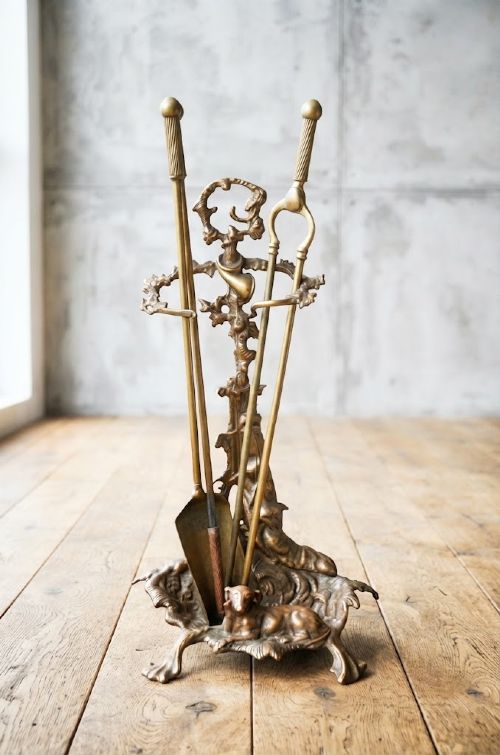
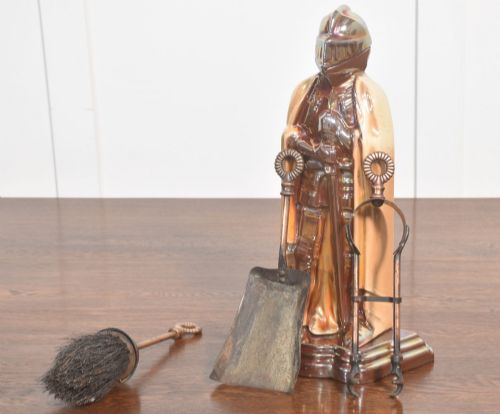
- A collection of fireplace tools, including a poker, tongs, and shovel, arranged on a matching stand. Sets frequently employ brass or painted metal.
- Trivet
- A small three-legged stand used beside the hearth. They often incorporate brass tiers for holding kettles or flatirons.
Antique Fireplace Stand: Frequently Asked Questions
What is a footman used for?
A footman is a small metal stand placed near the hearth to keep food warm or to support a kettle over hot embers.
These pieces were standard domestic accessories in Georgian and Victorian households before modern kitchen ranges became common.
What metals were used for companion sets?
Companion sets and stands were forged from iron, cast iron, steel, and brass. Iron was common in heavier country-house tools.
Victorian and Edwardian examples frequently utilised polished brass for companion stands and decorative fire dogs.
Where were these pieces made?
The inventory records items originating primarily from English and French workshops. Country-house and urban foundries produced these utilitarian hearth objects.
Continental pieces occasionally display specific regional styles such as French Empire Revival motifs or Dutch brasswork.