




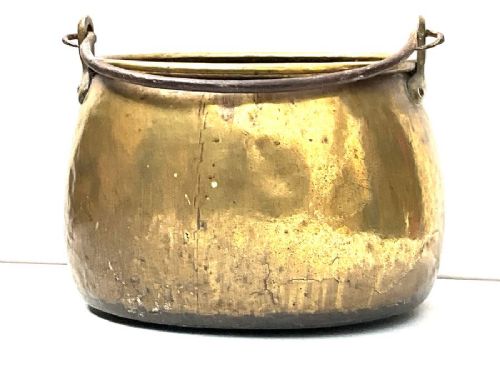
Antique Fireplace Pot
These antique fireplace pot selections comprise metal vessels and hearth ironmongery spanning the Georgian and Victorian eras, chosen for hearthside utility and display.
Antique Fireplace Pot
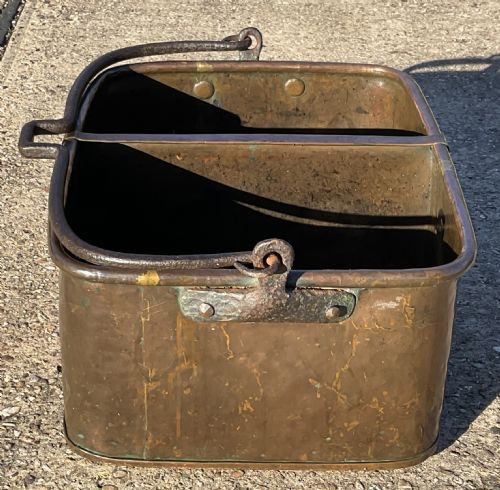
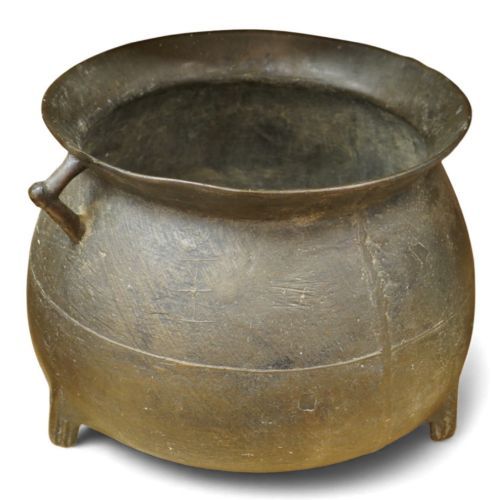
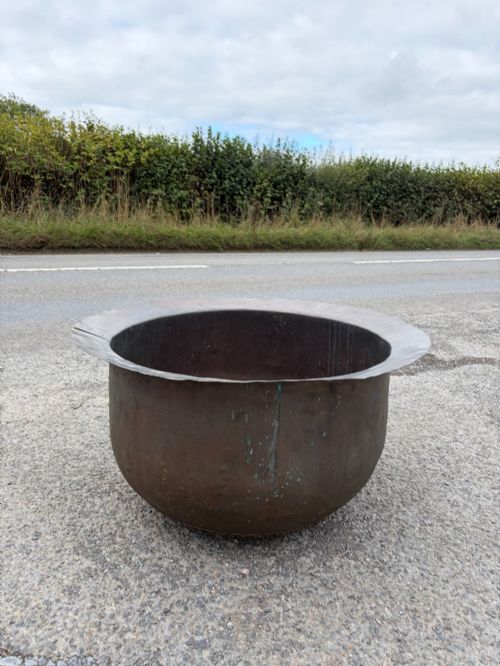
When searching for an antique fireplace pot, buyers encounter a utilitarian array of vessels designed for hearth use, cooking and fuel storage. These objects span periods from the eighteenth century through to the early twentieth century, taking forms such as copper boilers, log bins, cauldrons and heavy brass pans.
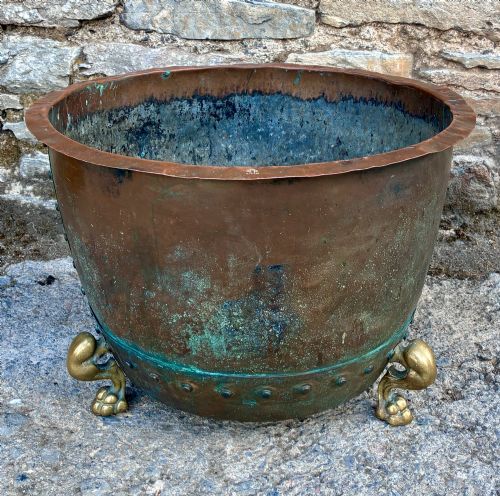
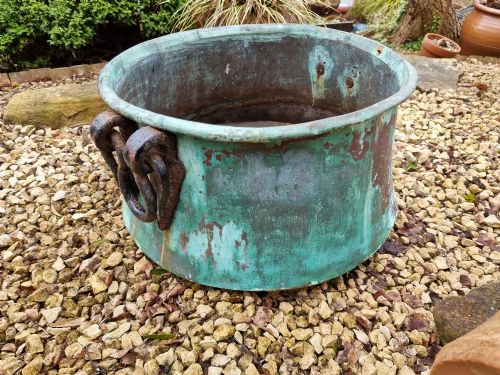
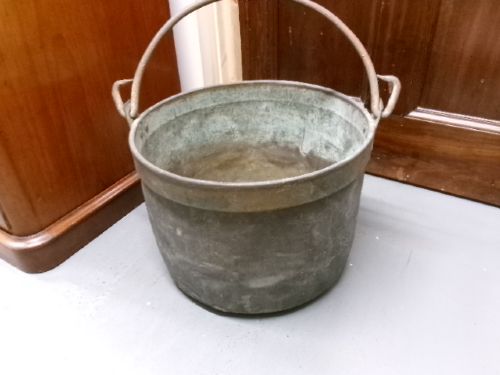
The pieces available on this page are predominantly constructed from copper and brass, frequently paired with wrought iron handles or cranes. Many of these items served practical purposes in historic kitchens and chimneys before transitioning into decorative log buckets and jardinieres.
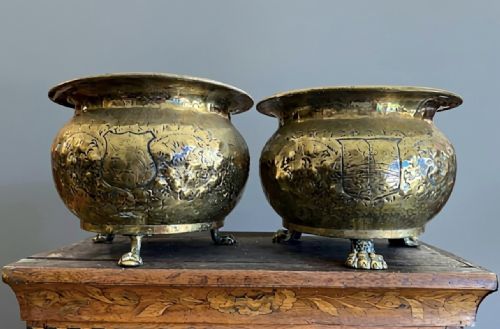
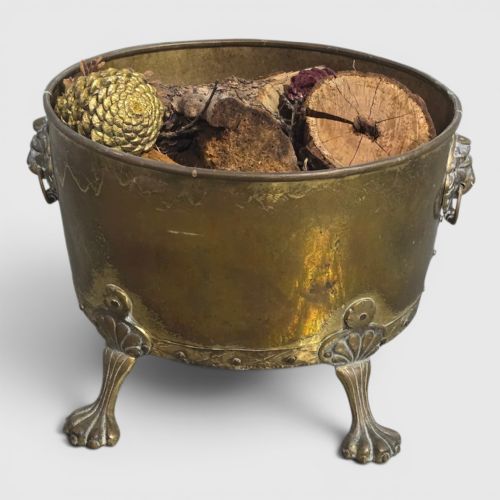
Georgian and Victorian examples dominate the selection, showing distinct regional variations including Dutch brass jardinieres and Welsh iron hearth cranes. Buyers frequently find dual-purpose items that function equally well as fireside coal buckets and interior planters.
How they were made
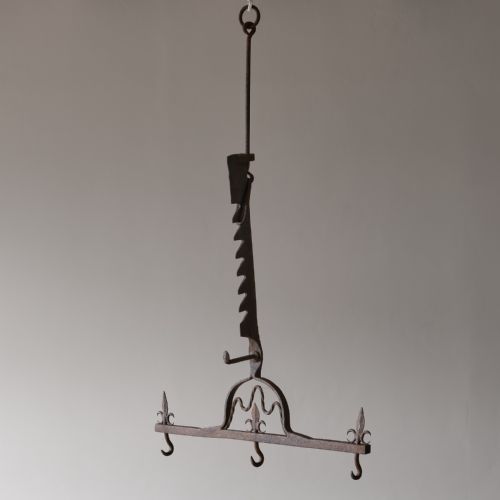
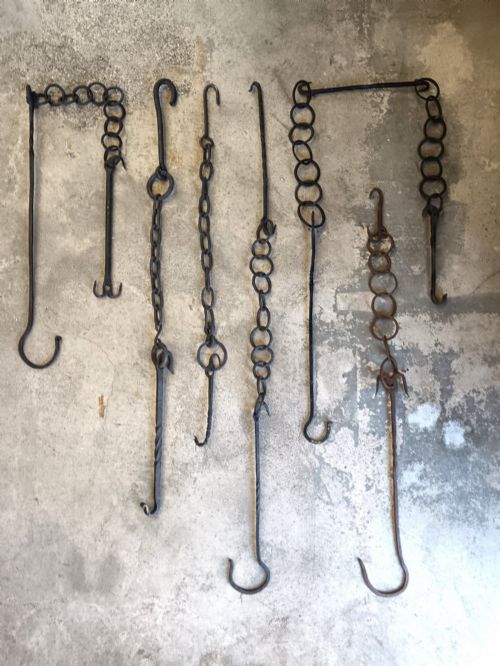
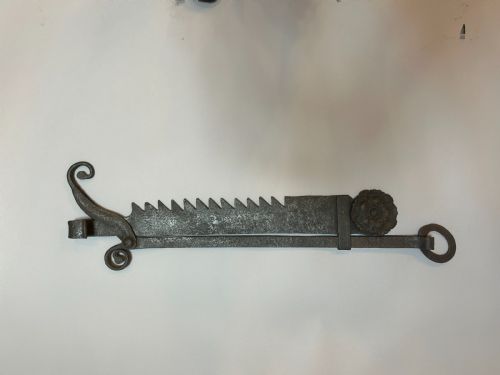
Metalworking techniques define these pieces, with hand-forged wrought iron appearing in heavy chimney jacks, trammel hooks and cranes. Smiths shaped these structural iron elements by hand to bear weight and withstand intense hearth heat.
Copper and brass vessels relied on sheet metal fabrication, often joined with visible rivets along the seams. Artisans hammered many of these copper bodies by hand, creating subtle surface textures and robust containers suitable for boiling and preserving.
Surface finishing ranged from polished brass and smooth copper to deliberate verdigris patinas. Makers also utilised embossing and applied crests to enhance the visual appeal of larger brass pans and planters.
Antique Fireplace Pot Retail Price Guide 2026
Typical asking prices for fireplace pot among the pieces listed under this phrase on Sellingantiques today, from the lower quarter to the upper quarter. They describe what is for sale here now, not the wider market.
Some heavy iron chimney trammels survived centuries of soot simply because they were too awkward for anyone to bother throwing away.
What varies in quality
The distinction between ordinary utility items and superior pieces rests on material thickness and structural integrity. Heavier gauge copper and substantial brass castings retain their shape and stability far better over centuries of use.
Craftsmanship details set finer examples apart from mass-produced wares. Hand-forging marks on ironwork, neat and even riveting on copper bodies, and well-executed decorative embossing indicate superior workshop standards.
Proportion and original components dictate desirability. Items retaining their authentic swing handles, matching trammel hooks or uncompromised brass feet maintain greater integrity than those altered or stripped of their original hardware.
The Antique Fireplace Pot Glossary
- Chimney Jack
- An adjustable iron device suspended in a chimney to hold pots over the fire. It allowed cooks to alter cooking temperatures by raising or lowering the vessel.
- Trammel Hook
- A notched iron hook used in a fireplace to hang cooking pots at variable heights. These hand-forged items formed an essential part of Georgian hearth equipment.
- Jardiniere
- An ornamental pot or stand designed to hold growing plants. In the context of fireplace accessories, large brass and copper vessels often find a second life in this role.
- Cauldron
- A large metal pot with a rounded bottom and a swing handle, traditionally hung over an open fire. Antique versions are frequently repurposed as log bins.
- Dinanderie
- Objects made of brass, copper or bronze, typically associated with medieval and revival metalwork. The term covers hammered vessels and decorative containers from various periods.
Antique Fireplace Pot: Frequently Asked Questions
What were antique fireplace pots used for?
These metal vessels served practical roles in historic domestic spaces, ranging from boiling water and cooking food to heating water for laundry and domestic chores.
Heavier iron items like chimney cranes and trammel hooks suspended these pots safely over open hearths, while copper boilers and brass pans managed liquid quantities.
How do I clean an antique copper pot?
Maintaining these metals depends on the preferred aesthetic, as many collectors favour a natural, aged patina with minor verdigris over a bright finish.
If cleaning is necessary, mild soap and warm water remove surface dirt without stripping the historical surface, avoiding harsh abrasives that damage hand-hammered textures.
Can I use these pots as planters?
Many large copper and brass vessels on the market function exceptionally well as indoor plant containers or garden log buckets.
Their robust metal construction easily accommodates soil and greenery, though adding a plastic liner protects the historic interior from moisture damage.
How do I date a brass log bin?
Dating relies on observing construction methods, material weight, and stylistic clues such as rim shapes and handle attachments.
Georgian and early Victorian examples generally feature heavier gauge metals and hand-finished rivets, whereas later nineteenth-century pieces may display more uniform machine rolling.