

Antique Firedogs Andirons
Antique firedogs andirons support logs within a hearth, bringing sculptural presence and period character to an open fireplace.
Antique Firedogs Andirons
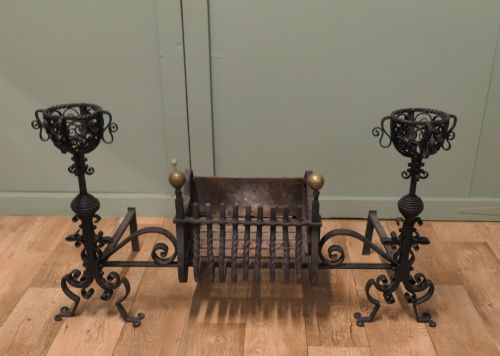
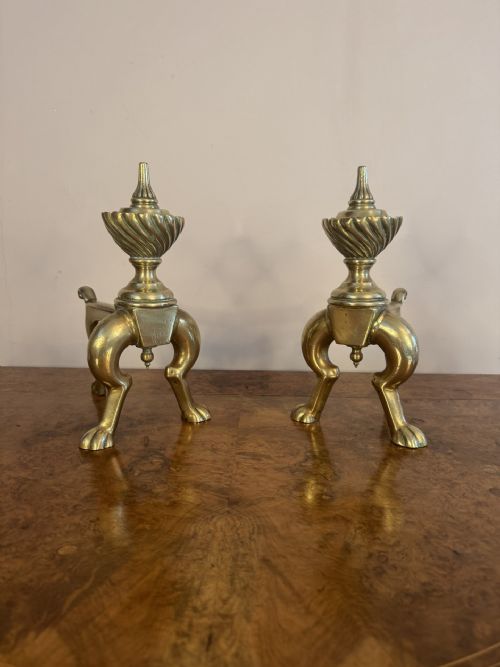
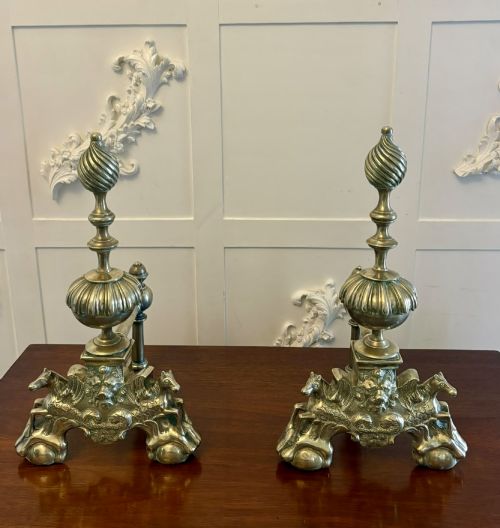
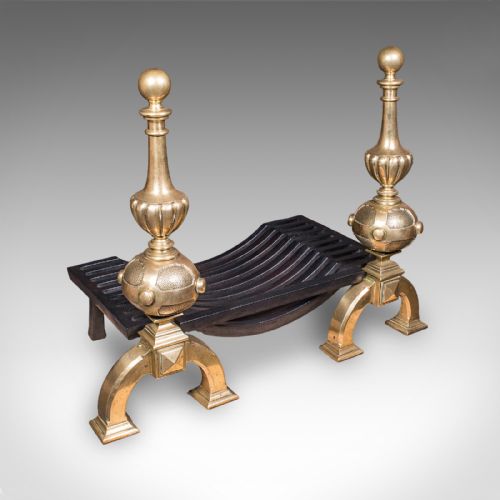
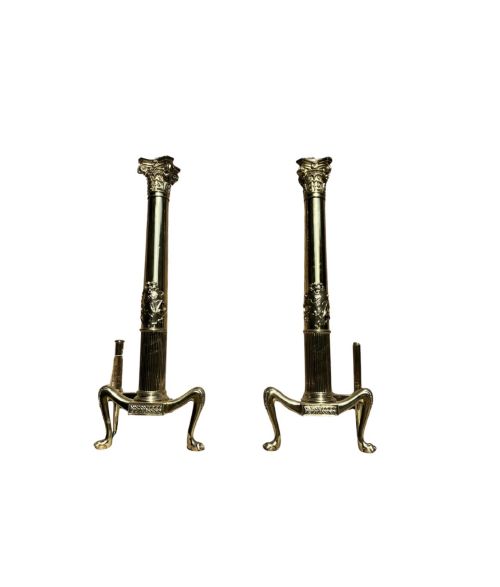
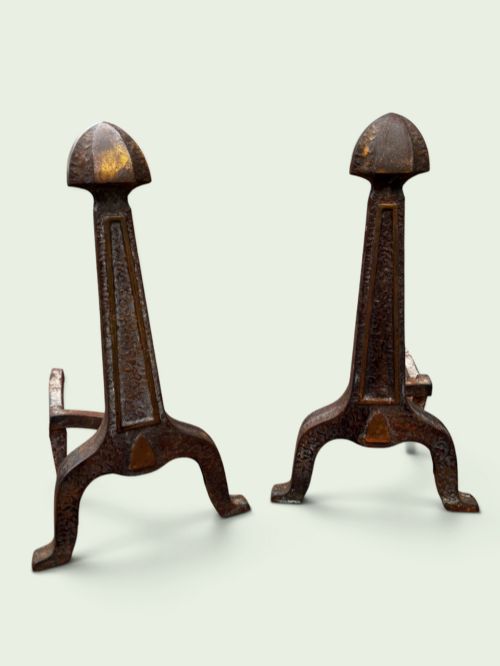
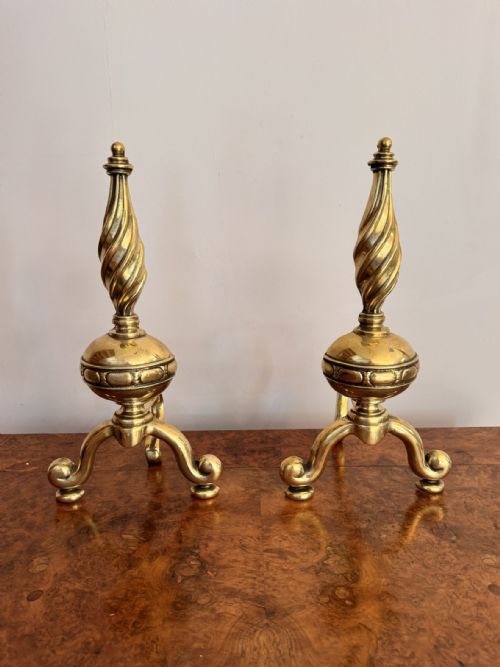
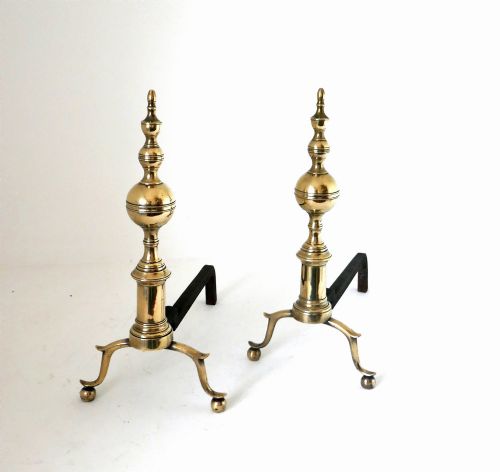
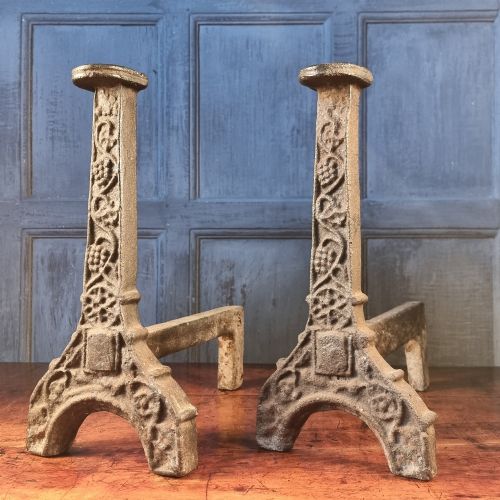
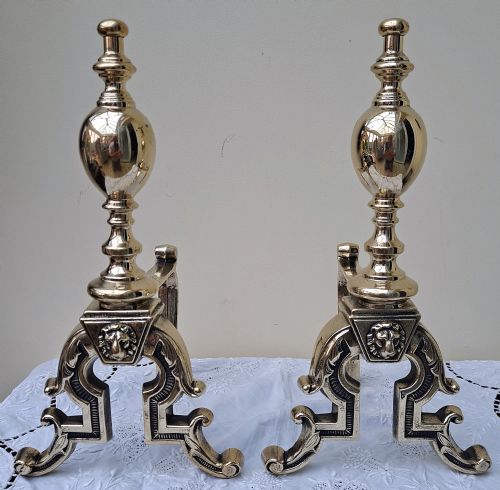
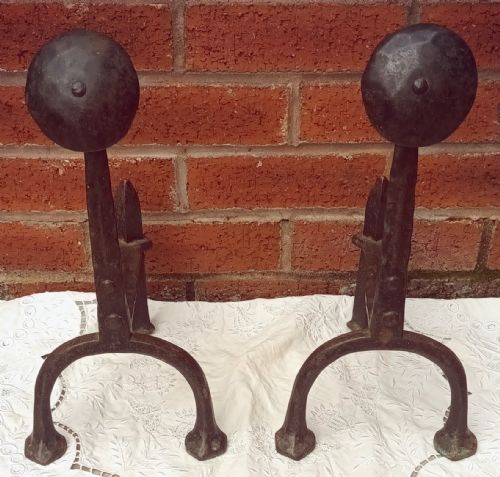
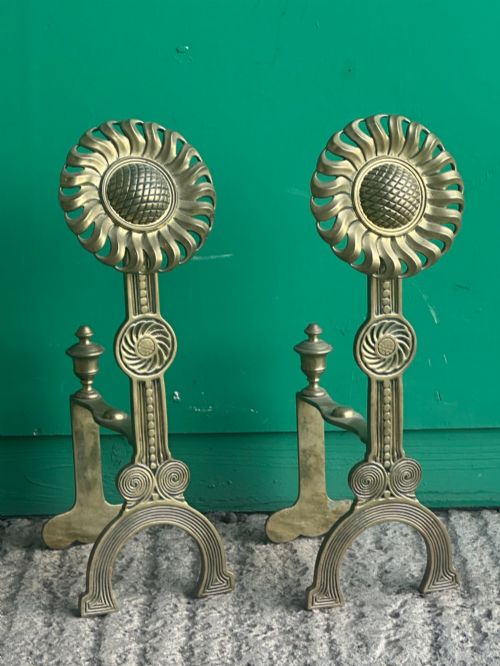
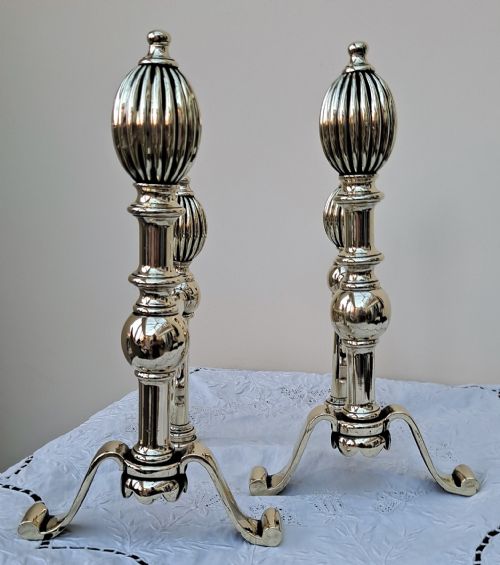
When searching for antique firedogs andirons, a buyer encounters heavy hearth furniture designed to hold wood above the hearth floor for better airflow. The selection most commonly includes pairs rendered in brass and iron, originating predominantly from the nineteenth century in Victorian, Georgian, and Arts and Crafts styles.
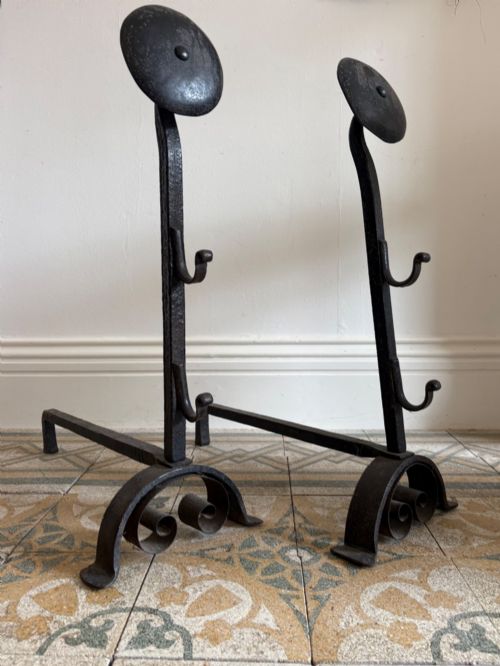
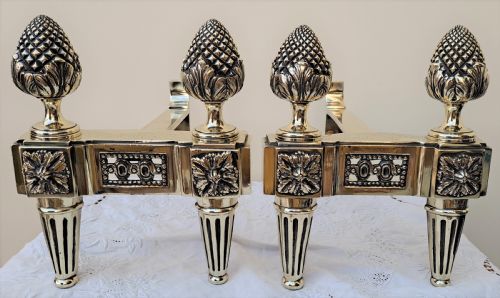
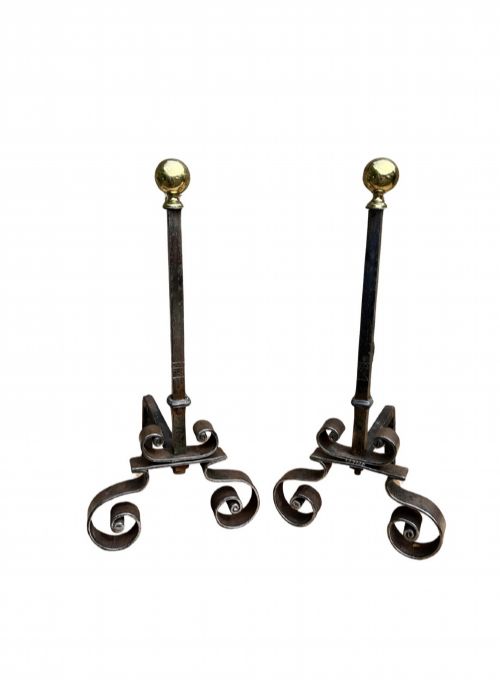
The inventory ranges from plain, hand-forged wrought iron utilities to ornate cast brass figures and French ormolu chenets. Certain examples reflect revival designs, drawing on Gothic, Louis XIV, or seventeenth-century motifs to satisfy period domestic tastes.
How they were made
Makers utilised casting, forging, and hand-finishing across base and precious metals, combining cast iron or wrought iron for structural strength with brass and bronze for decorative elements. Gilt bronze and ormolu were applied to continental pieces for rich surface contrast, while iron components relied on the anvil for durability.
Assembly methods involved heavy-duty riveting and bolting to withstand intense hearth temperatures and the weight of burning logs. Surface decoration on brass components often involved chased detailing and polished highlights.
Antique Firedogs Andirons Retail Price Guide 2026
Typical asking prices for firedogs andirons among the pieces listed under this phrase on Sellingantiques today, from the lower quarter to the upper quarter. They describe what is for sale here now, not the wider market.
Listings feature 19th century Victorian brass and wrought iron designs alongside 18th century examples and Arts and Crafts pieces.
What varies in quality
Distinction across the range lies in the weight of the casting and the depth of hand-chasing on metal surfaces. Heavier gauge iron and deeply carved ormolu demonstrate superior workshop capability compared to lighter, mass-produced alternatives.
Design integrity also separates standard utility pieces from exceptional decorative examples. Refined proportions, crisply rendered motifs, and balanced figural work indicate higher execution standards by skilled founders and smiths.
James Cartland & Sons·Thomas Jeckyll·William Tonks
The Antique Firedogs Andirons Glossary
- Chenet
- The French term for an andiron or firedog, frequently denoting decorative metalwork involving bronze and ormolu.
- Ormolu
- Finely ground high-carat gold mercury-gilded onto a bronze base, creating a brilliant decorative surface seen on French fireside ornaments.
- Fire Basket
- A metal grate designed to hold coal or wood, often flanked or supported by matching firedogs.
- Billet Bar
- The horizontal crossbar connecting the upright front standard of an andiron to the rear support, designed to hold the logs.
Antique Firedogs Andirons: Frequently Asked Questions
How do you use antique firedogs andirons?
These metal supports sit within an open fireplace to keep logs raised off the hearth floor. This elevation allows air to circulate underneath the wood for a cleaner, more efficient burn.
They also serve as structural bookends for the fire, preventing rolling logs from tumbling out into the room. Many pairs work alongside a compatible fire basket or hearth grate.
What is the difference between firedogs and andirons?
The terms are generally used interchangeably to describe the same hearth furniture. Historically, regional vocabulary varied, but both refer to the paired metal stands used in wood-burning fireplaces.
Some older inventories distinguish between plain utility iron versions called firedogs and more decorative brass or figural pairs termed andirons.
How do I date antique firedogs?
Dating relies on identifying stylistic markers, manufacturing techniques, and the metal alloys used. Georgian and Victorian examples often feature distinct brass casting styles, while Arts and Crafts pieces showcase hand-hammered wrought iron.
Revival periods frequently copied earlier sixteenth or seventeenth-century aesthetics, so examination of fastener types and wear patterns helps determine the actual manufacturing era.
Can I use antique firedogs in a working fireplace?
Most solid iron and brass pairs are robust enough for active hearth use, provided they match the scale of the fire. Heavy cast iron and wrought iron versions handle high heat well.
Finer ormolu or gilt bronze pieces are better suited for decorative display or use with gas-insert fires to prevent heat damage to delicate surface finishes.