


Antique Fine Jewellery Bracelet
These antique fine jewellery bracelets bring together diamonds, platinum, and gold from the Victorian era through the mid-twentieth century.
Antique Fine Jewellery Bracelet
An antique fine jewellery bracelet encompasses everything from delicate Edwardian pearl and diamond lines to heavy Art Deco platinum mountings and Victorian gold gates. Buyers searching for an antique fine jewellery bracelet will most frequently encounter nineteenth and early twentieth-century examples set with diamonds, rubies, sapphires, and pearls.
The selection ranges across distinct historical periods including Victorian, Edwardian, Belle Époque, Art Nouveau, and Art Deco. Forms vary from hinged bangles and rigid cuffs to flexible curb links and gemstone line bracelets.
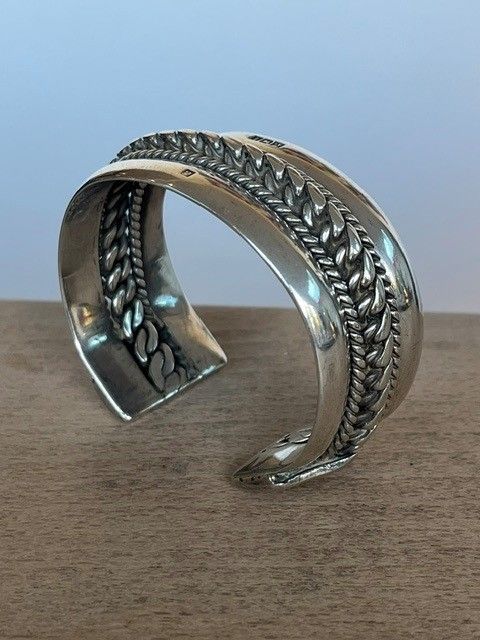
Origins span British workshops alongside French and Middle Eastern pieces such as Egyptian Bedouin silver cuffs. Each piece reflects the characteristic aesthetic and technical skill of its specific decade.
Materials and construction methods
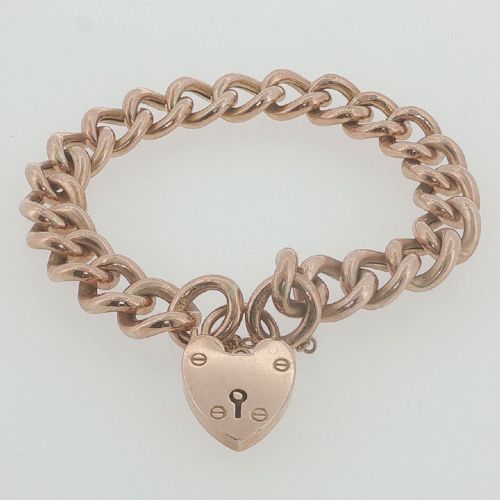
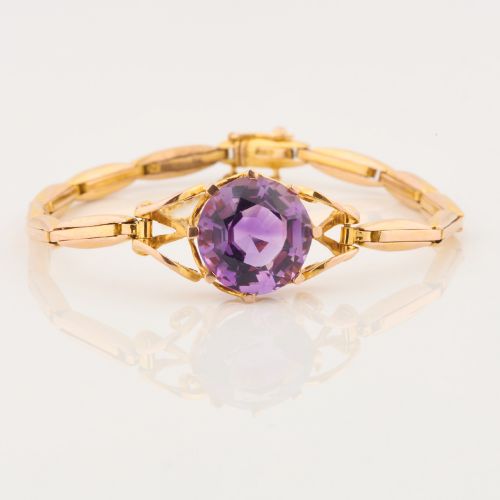
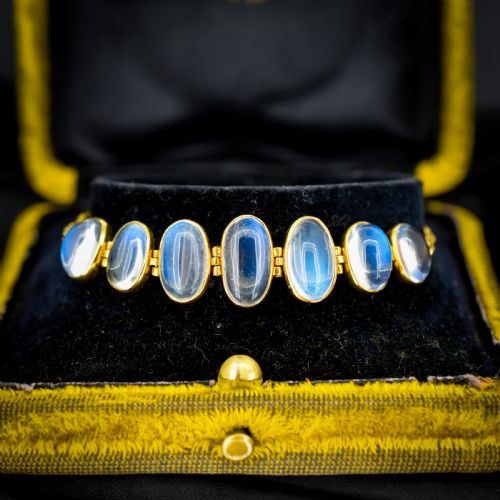
Goldsmiths and jewellers utilised precious metals like 9ct rose gold, 15ct gold, 18ct white and yellow gold, and durable platinum to mount gemstones securely. Stones such as old mine cut diamonds, emeralds, sapphires, rubies, moonstones, and pearls were meticulously hand-set into these metals.
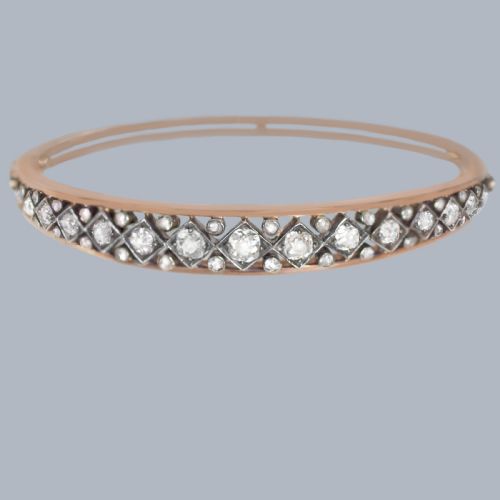
Construction techniques include intricate engraving, collet setting, and hollow or solid link fabrication. Many pieces combine silver and gold layers, particularly in earlier Victorian and Edwardian mountings to enhance the brilliance of the diamonds.
Materials in these listings span platinum, solid silver, and gold ranging from 9ct rose and yellow to 15ct and 18ct white and yellow.
Factors influencing quality and craftsmanship
The standard of an antique fine jewellery bracelet rests upon the precision of the stone setting, the weight and purity of the precious metal, and the overall integrity of the design. Superior examples display balanced gemstone proportions and refined hand-finishing without modern intervention.
Wear and structural alterations affect the standing of a piece, with untouched original clasps, safety chains, and original stones commanding greater respect. The sophistication of the period lapidary work and the harmony of the overall composition distinguish finer items.
The Antique Fine Jewellery Bracelet Glossary
- Bangle
- A rigid solid ring or cuff bracelet that slips over the hand or opens with a hinged clasp. These structures often feature flush or raised gemstone settings.
- Old Mine Cut
- An early diamond cut characterised by a cushion shape, a high crown, and a large culet facet. This style reflects the candlelight of the nineteenth century.
- Collet Setting
- A metal collar that wraps securely around the girdle of a gemstone to hold it in place. This method was widely favored in antique jewellery before modern prong settings became standard.
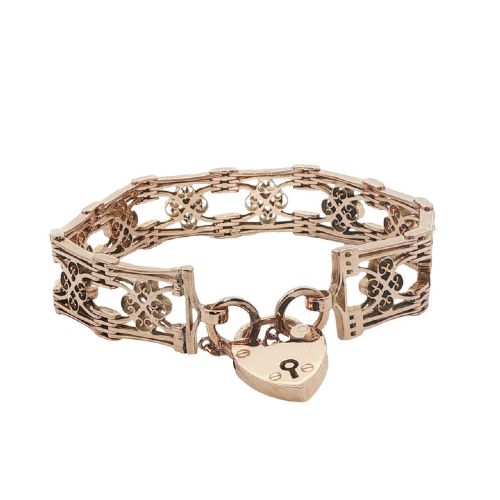
- Gate Bracelet
- A flexible link style inspired by Victorian garden gates, typically joined by parallel metal bars and secured with a heart padlock.
Antique Fine Jewellery Bracelet: Frequently Asked Questions
How do I care for an antique diamond bracelet?
Store your antique diamond bracelet in a dedicated lined box away from other pieces to prevent metal scratching and stone abrasion. Clean it gently using warm soapy water and a soft brush, avoiding harsh ultrasonic cleaners that can loosen aged settings.
Have a professional jeweller inspect the claws, hinges, and safety chains periodically to ensure the gemstones remain secure in their original mountings.
Are these bracelets suitable for daily wear?
Many sturdy gold and platinum designs tolerate regular wear, though delicate Edwardian pearl pieces or fine antique line bracelets require extra caution. Removing your bracelet during strenuous activities protects fragile clasps and old-cut stones from accidental impact.
Consider the specific construction of your piece, as hollow links and antique mechanisms demand a gentler approach than modern jewellery.
How can I tell an Edwardian bracelet from an Art Deco one?
Edwardian bracelets rely on platinum and yellow gold, featuring garland motifs, delicate filigree, and soft floral or lace-like patterns. They emphasise lightness, pearls, and graceful diamond clusters.
Art Deco bracelets shift toward geometric abstraction, rigid symmetry, and bold contrasts using calibrated emeralds, sapphires, rubies, and heavy platinum or white gold geometric mountings.
What is a safety chain and why does it matter?
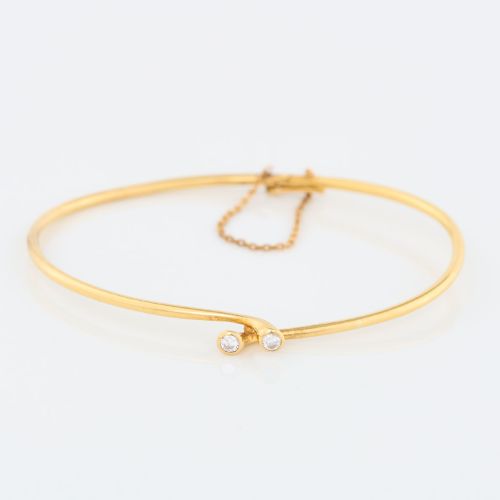
A safety chain is a small auxiliary chain attached to the bracelet's clasp to prevent the piece from falling to the ground if the primary fastening fails. Its presence indicates thoughtful period craftsmanship designed to protect valuable gemstones.
Original safety chains add historical completeness to Victorian and Edwardian pieces, making them a reassuring feature for collectors.