




Antique Fine Art Nude
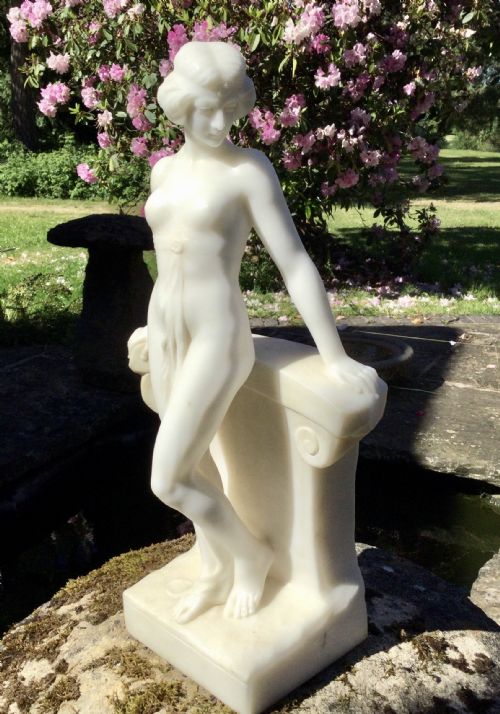
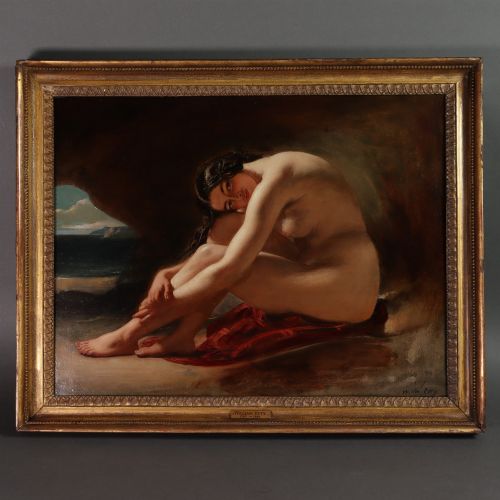
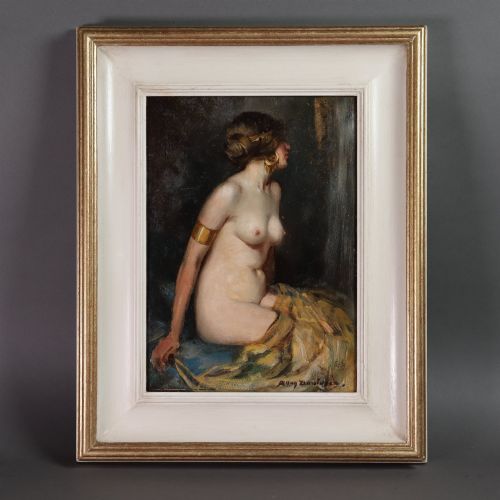
An antique fine art nude captures the human form through oil, marble, or bronze, bringing enduring grace and expressive power to any room.
Antique Fine Art Nude
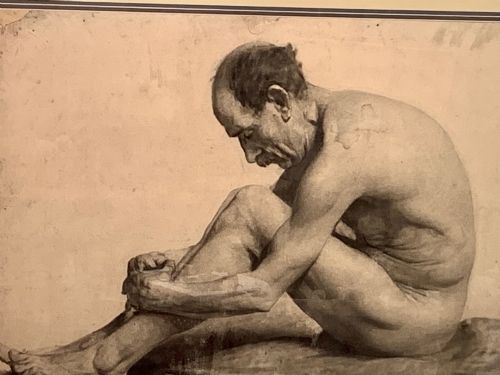
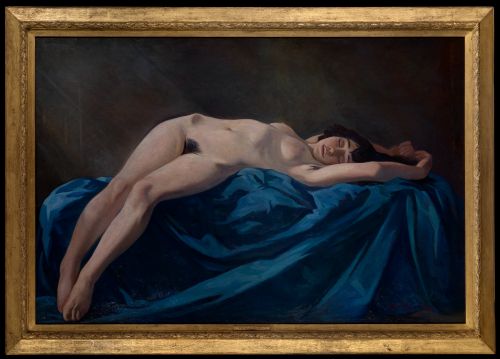
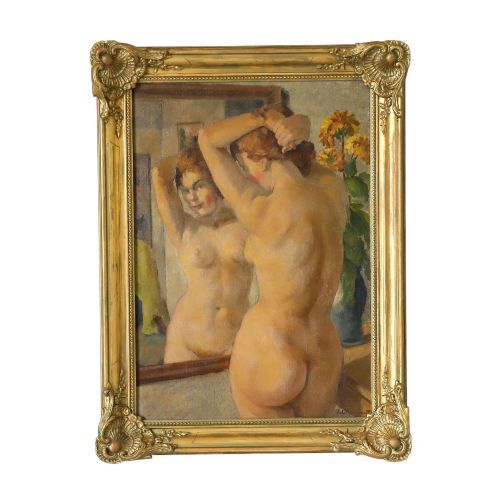
When you search for an antique fine art nude, you encounter diverse interpretations of the human form spanning several centuries, from classical mythologies to modern sunbathing scenes. The selection on this page ranges widely across eras, featuring works from the seventeenth century through the Art Deco movement of the 1920s and 1930s.
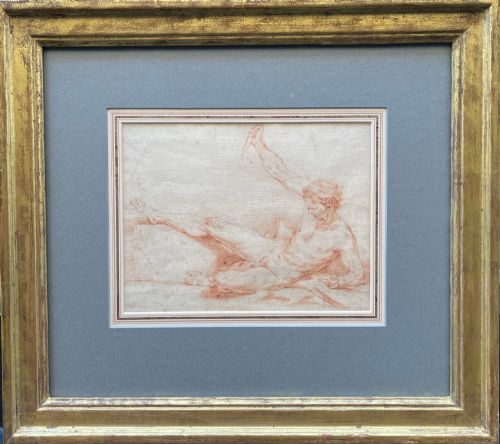
Oil paintings on canvas or panel dominate the current selection, accompanied by drawings in charcoal, pen and ink, alongside sculptural works in marble, terracotta, and gilt bronze. You will find distinct stylistic approaches here, including Dutch Golden Age landscapes, French Impressionism, and avant-garde cubism.
Early works often draw on classical narratives such as Perseus and Andromeda or the death of Attis, while later pieces focus on intimate interior studies and outdoor bathing scenes. This breadth allows collectors to acquire everything from academic realism to expressive Fauvist compositions.
Materials and technique
Artists rendering the antique fine art nude relied on traditional supports such as stretched canvas, wooden panel, paper, and oil board, applying oil paint with varying brushwork to capture tone and light. Sculptors shaped figures from solid blocks of marble, moulded terracotta, or cast metal into gilt bronze, often mounting them on matching wooden bases.
Draftsmen utilised charcoal, pen and ink, or collotype printing techniques to define contours and shadow, achieving depth through careful line work and tonal graduation. These physical components dictate the weight, texture, and preservation needs of each piece.
Represented artistic movements include Dutch Golden Age painting, French Rococo, Victorian Romanticism, Impressionism, and Art Deco.
Distinctions in quality
Quality in these figurative works rests on the artist's command of anatomy, tonal balance, and the expressive handling of the medium, whether in pigment or stone. Stronger pieces reveal a confident grasp of light across the human form, whereas lesser examples rely on stiff proportions and flat shading.
The integrity of the original surface, minimal restoration to the paint or bronze patina, and appropriate framing all contribute to a piece's standing. Works tied to documented painters or sculptors carry greater authority than anonymous studio productions.
Eric Robertson·Hyacinthe Colin de Vermont·Raymond Moritz·William Etty·Allan Douglas Davidson·Cornelis Van Poelenburgh·James Clark·William Edward Frost·Sir William Russell Flint·Fernand Jean Barbier·Peter Paul Rubens·Jean Hippolyte Marchand·Auguste Renoir
The Antique Fine Art Nude Glossary
- Collotype
- A planographic printing process using gelatin, capable of producing highly detailed monochrome or colour photographic reproductions. This technique was frequently utilised for fine art prints during the early twentieth century.
- Fauve
- A style associated with early twentieth-century French artists who prioritised painterly qualities and strong colour over the representational values of impressionism. These works display bold hues and expressive brushstrokes.
- Giltwood
- Wood that has been coated with gold leaf or gold paint to give a metallic sheen, commonly found on decorative picture frames. It enhances the visual weight of oil paintings.
- Panel
- A flat piece of wood used as a rigid support for painting instead of stretched canvas, common in earlier European art traditions. Artists often prepared these surfaces with a gesso ground before applying oil paint.
Antique Fine Art Nude: Frequently Asked Questions
What periods do these pieces span?
The works stretch from the seventeenth century through to the interwar period of the 1930s. This includes seventeenth-century Dutch painting, eighteenth-century mythological scenes, and modernist pieces from the 1920s.
Earlier items often reflect classical training and narrative themes, while twentieth-century examples embrace impressionism, fauvism, and art deco styling.
How should I care for an oil painting?
Keep paintings away from direct sunlight and fluctuating humidity to prevent the canvas from slackening and the paint from cracking. Avoid touching the painted surface directly, as natural oils from skin can damage the pigment over time.
Dust the frame and canvas gently with a soft, dry brush without applying pressure. Professional cleaning should only be left to qualified conservators.
How do I identify a drawing from a print?
Drawings show direct hand application of charcoal, ink, or graphite, revealing individual pressure marks and texture under close magnification. Prints display a uniform dot pattern or smooth ink transfer from a mechanical plate.
Examining the edge of the lines with a loupe easily distinguishes original hand-drawn strokes from collotypes or lithographic reproductions.