

Antique Figurine Group
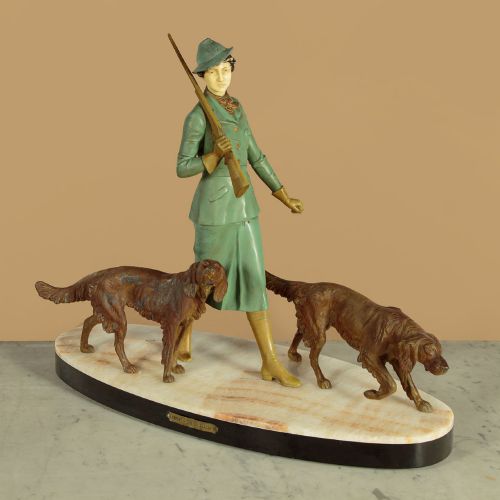
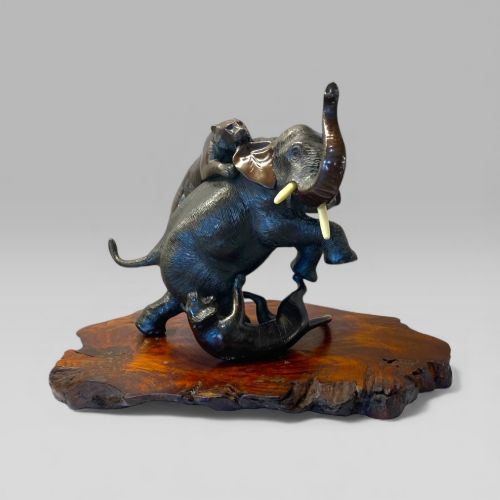
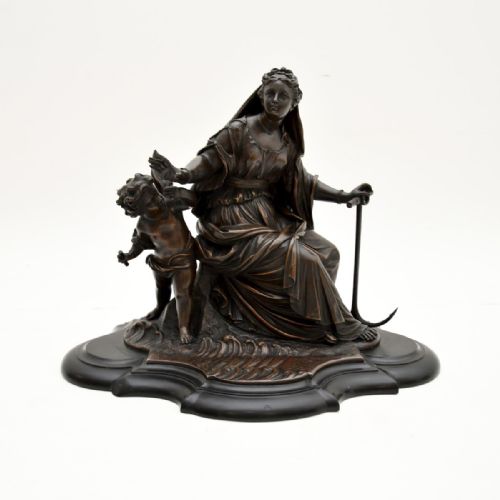
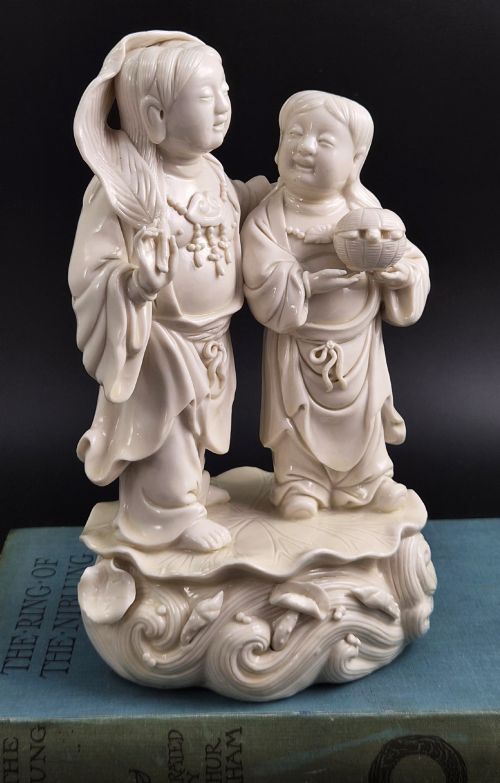
An antique figurine group brings together multiple figures in porcelain, bronze, wood, or earthenware, telling a classical, pastoral, or narrative story on a tabletop.
Antique Figurine Group
An antique figurine group depicts two or more characters, animals, or mythological figures interacting within a single sculptural composition. These pieces span the eighteenth, nineteenth, and early twentieth centuries, emerging from European porcelain factories, English potteries, and East Asian workshops.
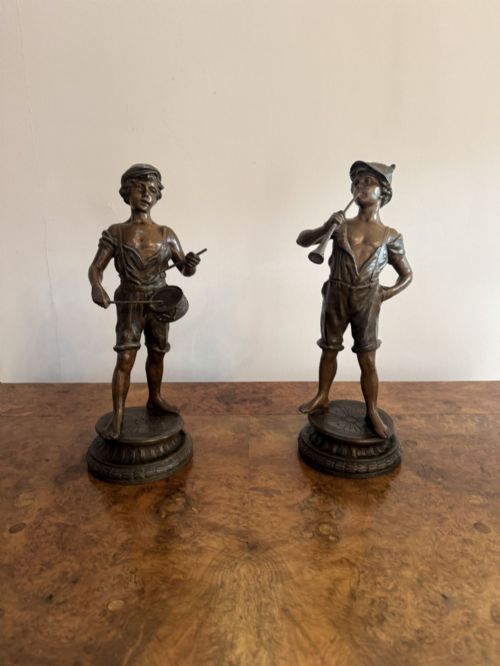
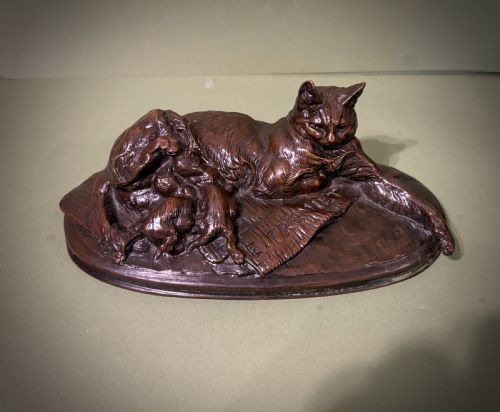
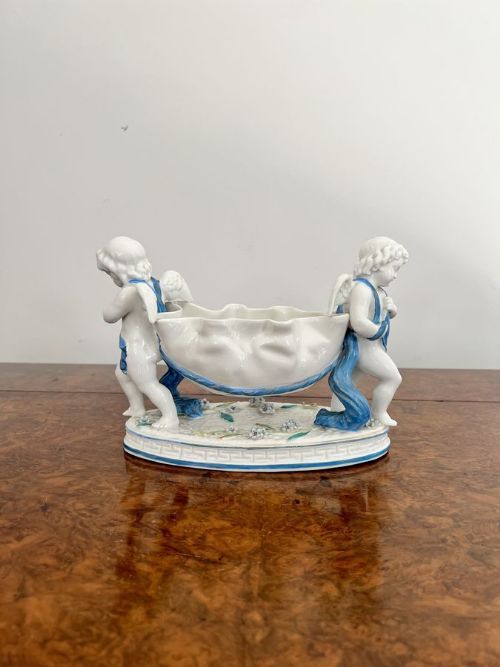
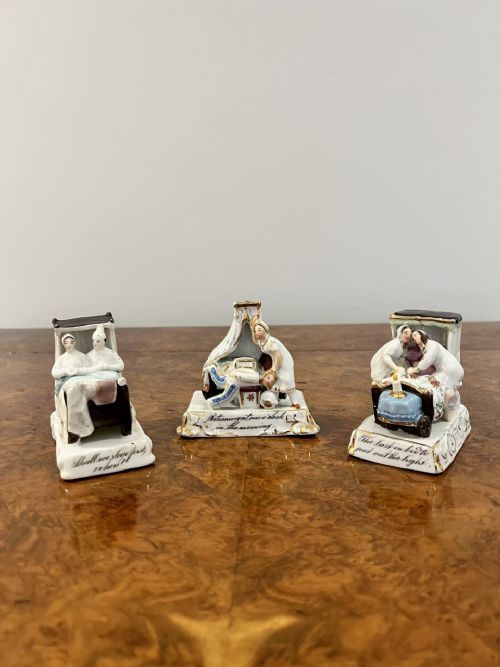
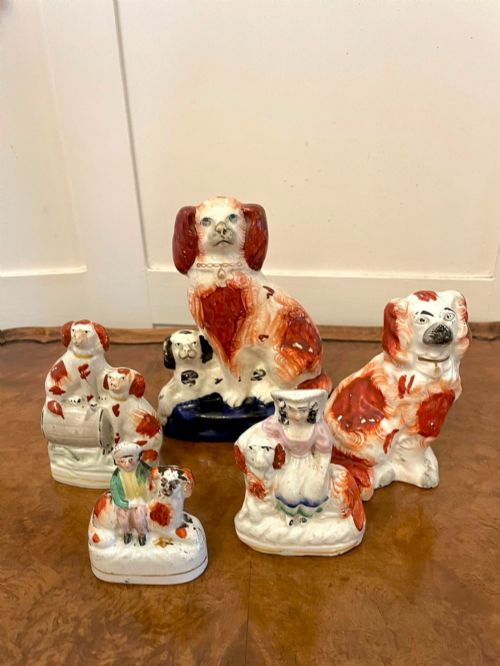
The most common examples on this page are ceramic and porcelain compositions from English and continental kilns, alongside bronze and terracotta casts. Subjects range from Staffordshire dogs and literary scenes to allegorical representations of seasons and classical deities.
Makers utilised various regional styles, moving from eighteenth-century Rococo curves to Victorian realism and Art Deco forms. Each piece captures a distinct narrative moment, whether domestic, mythological, or exotic.
Materials and construction
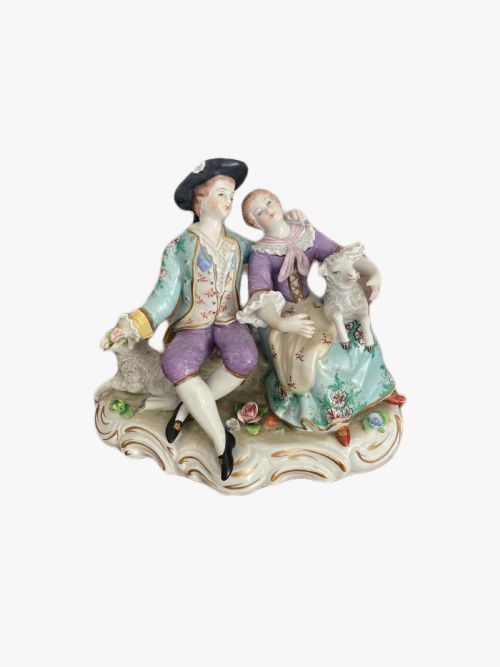
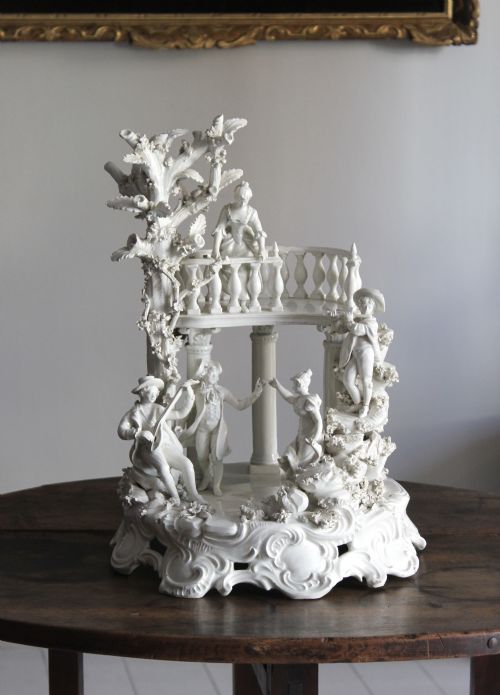
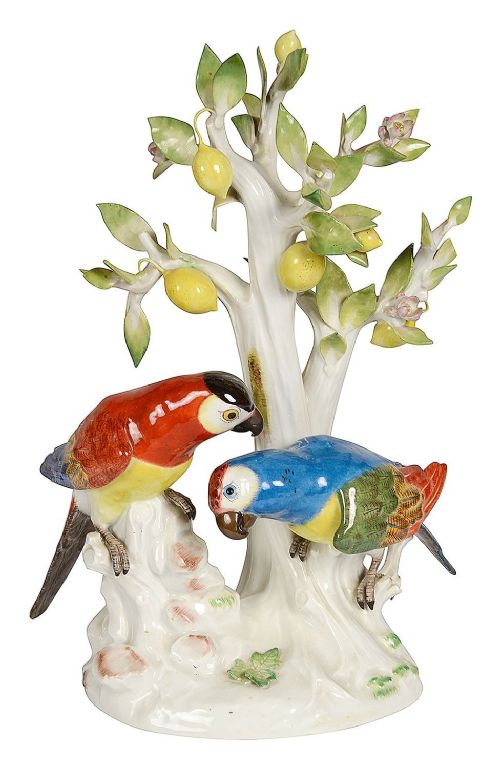
Ceramic groups rely on moulded earthenware, Parian ware, or hard-paste porcelain, finished with coloured glazes, enamel, or left as unglazed biscuit porcelain. Artisans cast these in multiple piece moulds before hand-modelling fine details like lace, facial expressions, and floral garlands.
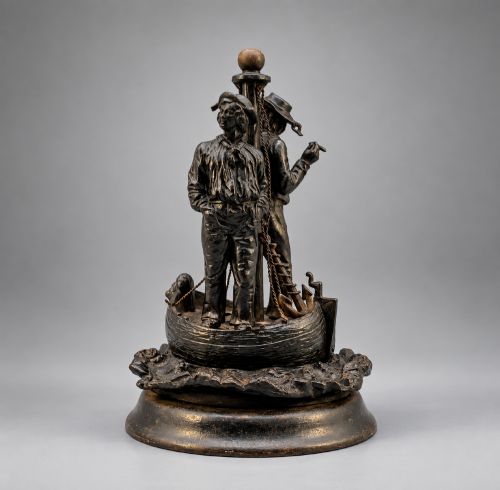
Metal compositions involve bronze, ormolu, and cold-painted alloys cast via the lost-wax method or sand casting, often finished with detailed chasing and patination. Wooden groups employ hand-carved linden or precious materials, showing the direct tool marks of the carver.
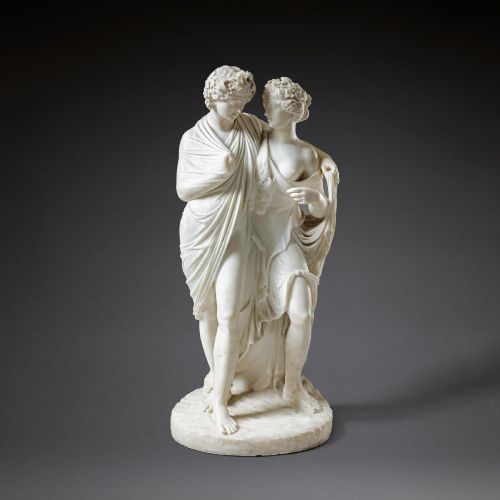
Marble and terracotta pieces introduce carved stone and fired clay, capturing fluid drapery and musculature through chiselling or modelling before surface sealing.
Antique Figurine Group Retail Price Guide 2026
Typical asking prices for figurine group among the pieces listed under this phrase on Sellingantiques today, from the lower quarter to the upper quarter. They describe what is for sale here now, not the wider market.
Listings feature porcelain, bronze, terracotta, wood, and marble across periods from the eighteenth century to the twentieth century.
Markers of quality
The integrity of the material matters, distinguishing factory-standard production pieces from master works signed by known modellers or produced by premier kilns. Meissen, bronze casters, and named woodcarvers demonstrate anatomical proportion and compositional balance that lesser regional potteries miss.
Tsunemitsu 常光·Carlo Albacini·Meissen·Minton·J Huggler·Claude Michel Clodian·Goldscheider·Bourdois and Bloch·Carl Thieme Dresden·Ernst Wallace
The Antique Figurine Group Glossary
- Biscuit porcelain
- Unglazed porcelain fired to a matte, marble-like finish. It highlights fine sculptural detail without the distraction of a glossy glaze.
- Cold-painted
- Paint applied to bronze or metal objects without subsequent kiln firing. This technique allows for vibrant polychrome surfaces on small bronzes.
- Parian ware
- A fine-grained white porcelain resembling carved marble, developed in the nineteenth century. It is named after Parian marble from the Greek island of Paros.
- Spill vase
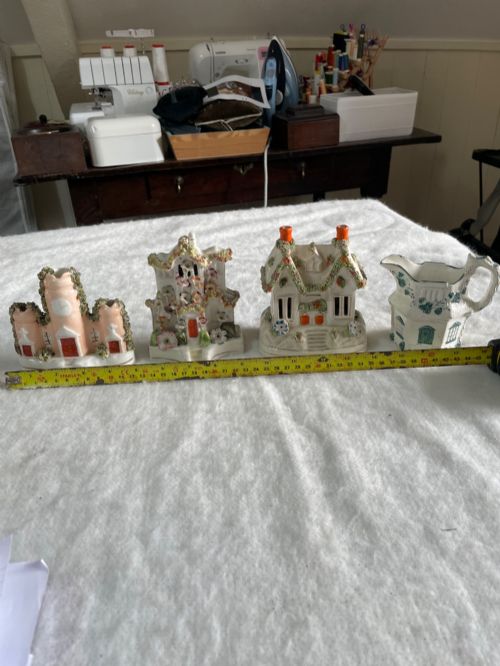
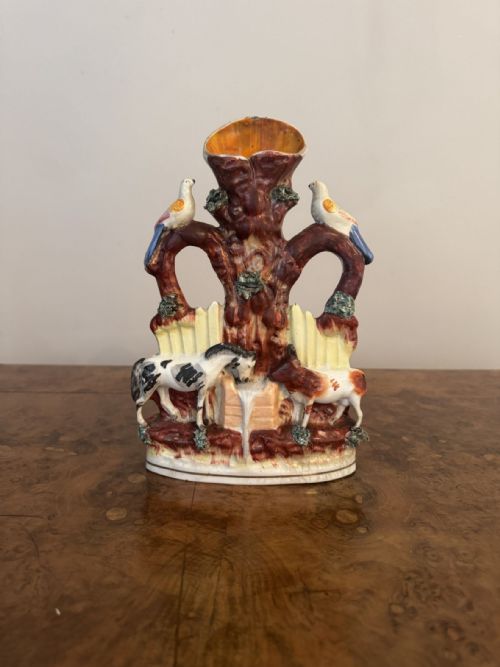
- A hollow ceramic figure incorporating a small cylinder designed to hold wooden spills for lighting pipes or candles. These combine domestic utility with figurative modelling.
- Ormolu
- Gilded bronze used for decorative mounts and decorative stands on porcelain groups. The process involves applying a gold-mercury amalgam to bronze.
Antique Figurine Group: Frequently Asked Questions
What is an antique figurine group?
An antique figurine group is a sculptural composition featuring multiple figures, animals, or mythological beings interacting within one scene. These works appear in materials such as porcelain, bronze, terracotta, and carved wood.
Craftsmen produced them across Europe and Asia to decorate mantlepieces, cabinets, and tables. They capture everything from classical mythology to domestic animals and pastoral life.
How do I date a porcelain group?
Dating relies on factory marks stamped or painted on the underside, stylistic cues like Rococo curves or Victorian ornamentation, and the manufacturing technique. Hard-paste porcelain, soft-paste, and Parian ware each correspond to specific eras of production.
Examining the palette of the enamel colours and the wear on the base helps confirm the period. Comparing the model number with factory records narrows down the year of creation.
Where were these groups displayed?
Historically, figurine groups occupied prominent positions in formal drawing rooms, dining tables as centrepieces, and enclosed display cabinets. Wealthy households used them to signal cultural literacy, taste, and social standing.
Today, they suit placement on mantelpieces, bookshelves, and dedicated display ledges where adequate lighting highlights their modelling. Collectors keep them away from direct sunlight and high-traffic areas to protect fragile elements.
How do bronze groups differ from ceramic ones?
Bronze groups are metal sculptures cast from models using copper alloys, offering durability and intricate patination. Ceramic and porcelain groups are moulded from clay, fired in kilns, and finished with glazes or enamel paints.
Metal pieces handle movement and handling with greater resilience than porcelain, which remains brittle and prone to chipping. Bronze also permits slender, dynamic limbs that would snap in porcelain or terracotta.