





Antique Figurine Clock
These antique figurine clock pieces combine functional timekeeping with sculptural figures, offering an engaging centrepiece for any mantel.
Antique Figurine Clock
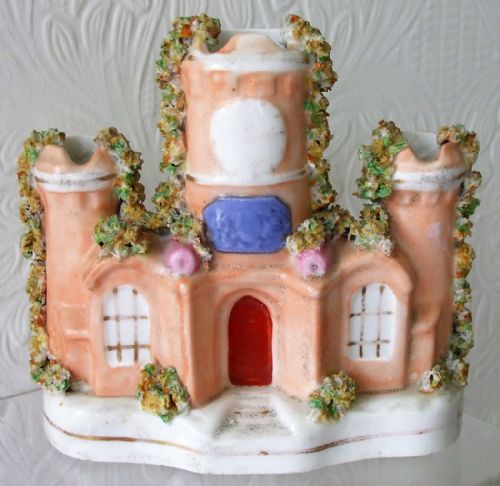
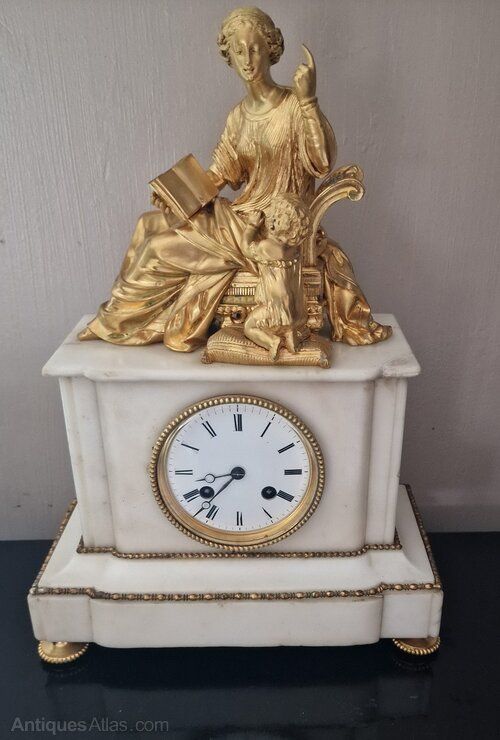
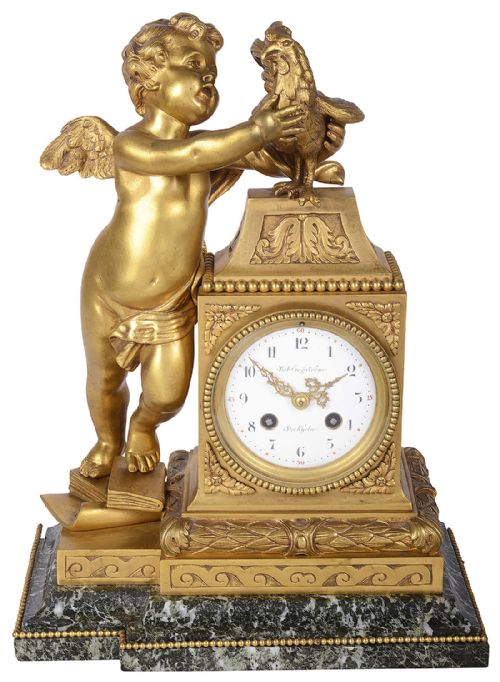
An antique figurine clock merges a mechanical clock movement with sculptural decorative figures, ranging from classical cherubs and animals to historical personages. You will frequently encounter French ormolu and marble examples alongside English Staffordshire pottery groups on this page.
The periods represented span from the eighteenth century through the Victorian era and the Regency period. Mantel clocks and decorative figurine forms predominate among these listings, reflecting varied European traditions of horology and sculpture.
Materials and construction
Maker workshops utilised cast metals such as gilt bronze, ormolu, and silver plated bronze to form the structural housings and figural elements. These metals are frequently paired with white marble, variegated marble, or enamel dials.
Ceramic components involve porcelain from factories like Meissen, Vienna, and Sevres, alongside earthenware pottery. Clock movements incorporate mechanical systems including chain fusee mechanisms.
Antique Figurine Clock Retail Price Guide 2026
Typical asking prices for figurine clock among the pieces listed under this phrase on Sellingantiques today, from the lower quarter to the upper quarter. They describe what is for sale here now, not the wider market.
Materials across these listings include ormolu, marble, porcelain, and earthenware.
Distinctions in quality
The refinement of the cast bronze or ormolu figures separates standard pieces from finer works. Detailed chasing on the metalwork and the expressive quality of figures such as cherubs or human subjects indicate superior execution.
The integration between the sculptural subject and the clock housing dictates overall harmony. Finer pieces employ high-grade materials like Sevres porcelain or signed movements, creating a more cohesive composition.
Achille Brocot and Delettrez·Baetens London·Berger Paris
The Antique Figurine Clock Glossary
- Ormolu
- A gilded bronze technique used extensively in French decorative arts. It provides a bright gold-coloured finish on metal mounts and clock cases.
- Chain fusee
- A mechanism in clock movements that equalises the driving force of the mainspring as it winds down. This improves timekeeping accuracy across the power reserve.
- Sevres porcelain
- Porcelain produced by the French royal manufactory. It is noted for fine hand-painted details and rich decorative glazes.
- Staffordshire figure
- Earthenware pottery figures produced in the English county of Staffordshire. They often depict animals, humans, or clock groups in a folk art style.
Antique Figurine Clock: Frequently Asked Questions
How do I wind an antique clock?
Most mechanical clocks require a key inserted into the dial holes to tension the mainspring.
Care must be taken not to overwind the mechanism to avoid damaging the internal springs.
Where should I place my clock?
Mantel clocks sit best on stable horizontal surfaces away from direct sunlight and drafts.
Uneven placement can cause the pendulum to stop swinging properly.
How do I identify the period?
Stylistic cues like French Rococo Revival or Neoclassical elements give strong clues to the decade of manufacture.
Signatures on the dial or movement often point to specific makers and active years.
What is a fusee movement?
A fusee is a conical pulley that maintains even tension on the clock train as the spring unwinds.
This technical addition is commonly found in better quality English and French clocks.