




Antique Figurative Sculpture
These antique figurative sculpture pieces capture human form and character across centuries, offering collectors tangible history and artistry for the home.
Antique Figurative Sculpture
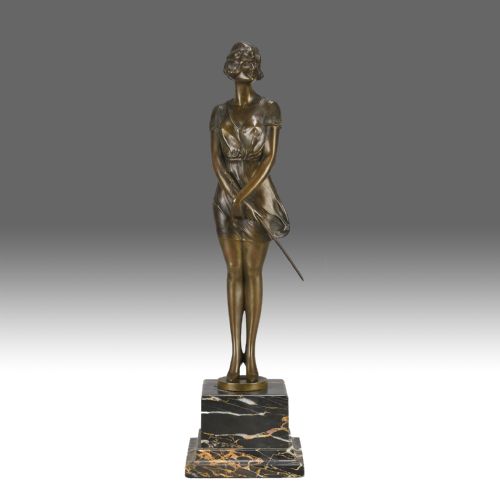
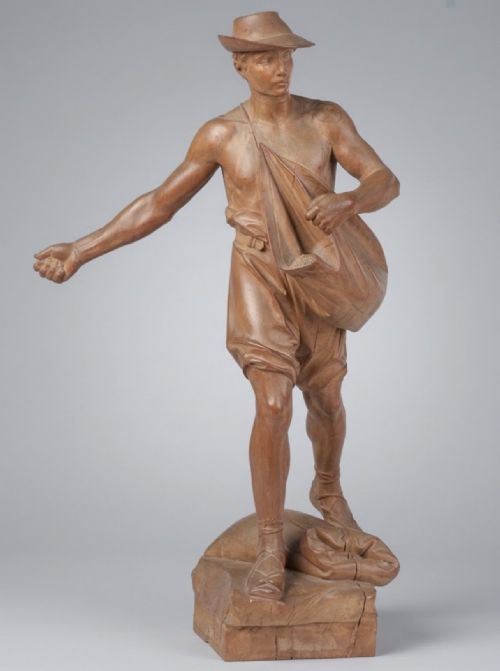
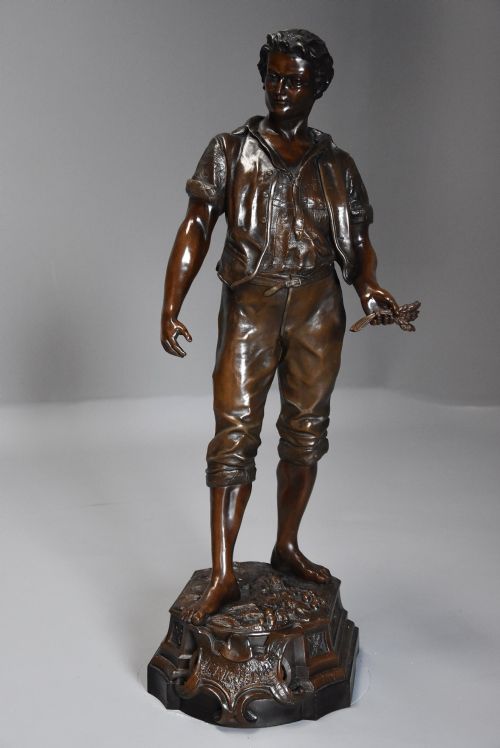
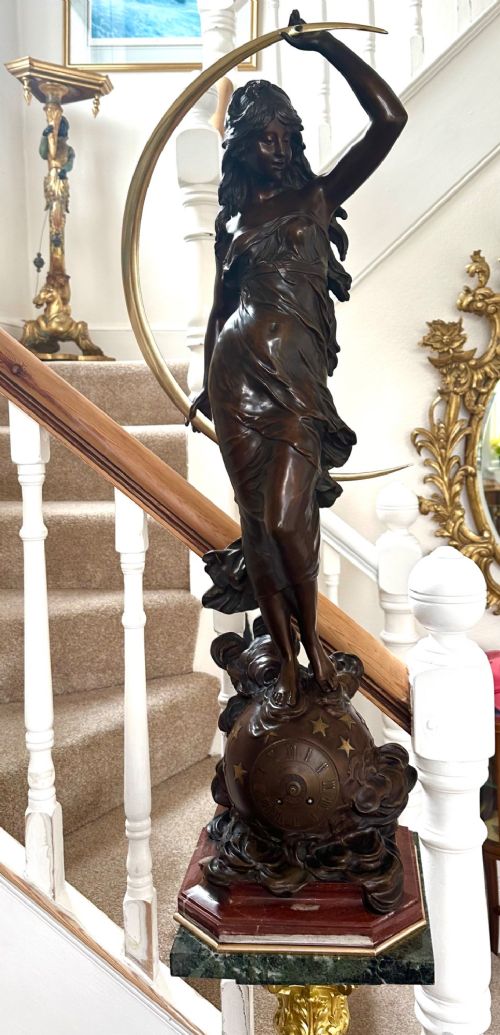
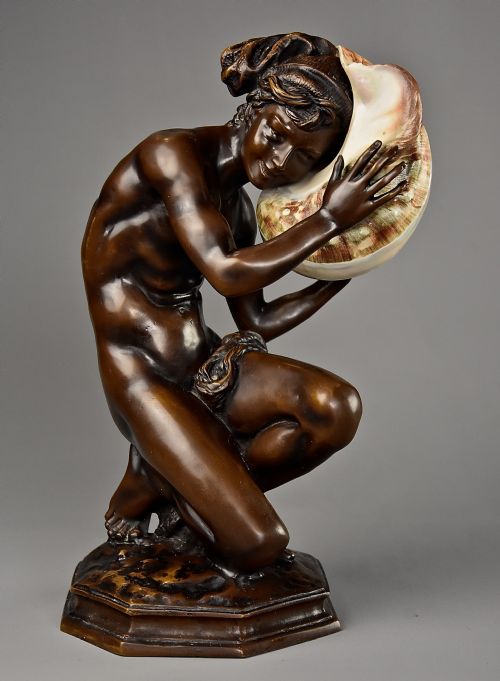
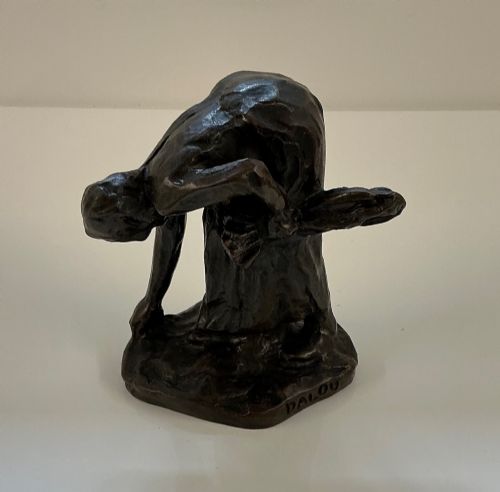
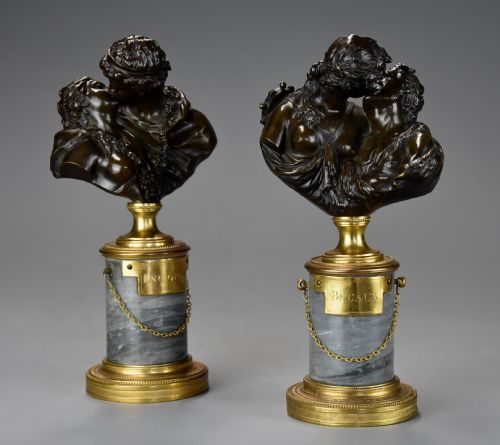
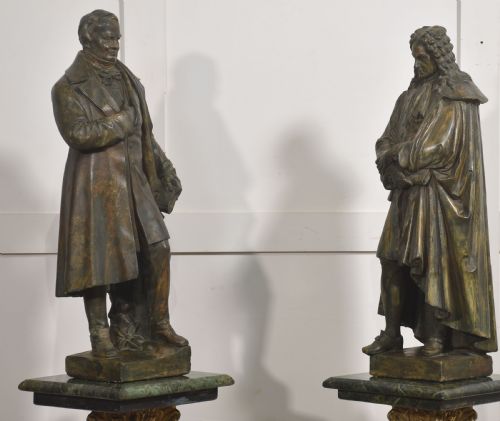
When you search for antique figurative sculpture, you encounter a diverse array of human representations ranging from classical mythology to early twentieth-century dancers. The pieces on this page span several centuries, with nineteenth-century French bronzes and early twentieth-century Art Deco figures appearing frequently alongside Georgian and eighteenth-century works.
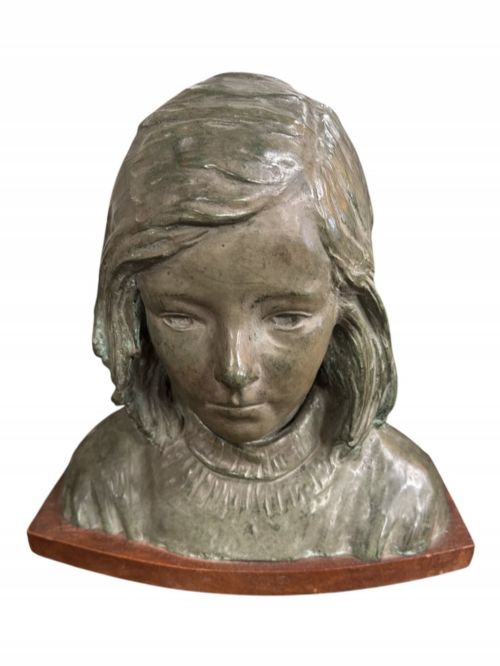
The physical forms include full-length statues, table lamps, perfume lamps, garden statues, and portrait busts. Subjects stretch from mythological figures such as Selene and the Infant Hercules to everyday labourers, dancers, and historical characters.
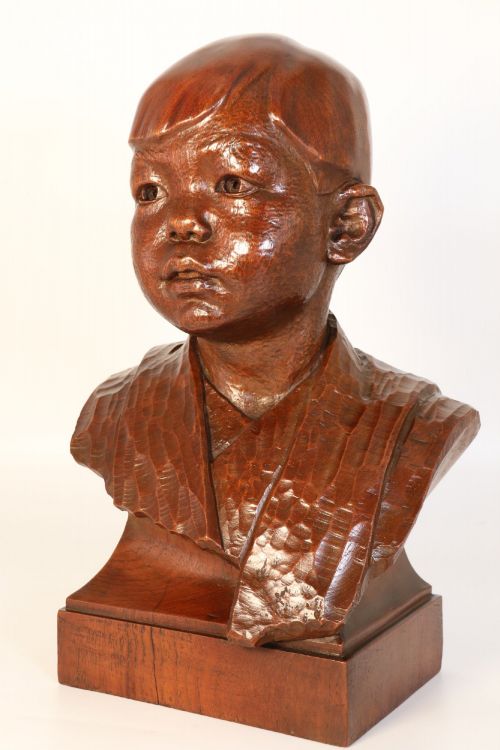
Origins vary widely across continental Europe and Britain, incorporating French foundry work, German and Austrian ceramic figures, and British carved wooden busts. Buyers find both monumental life-size works and miniature cabinet bronzes within these listings.
Materials and construction methods
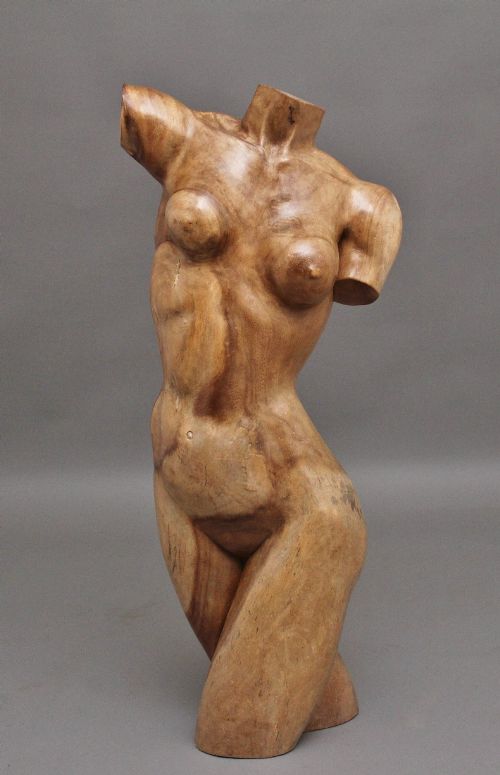
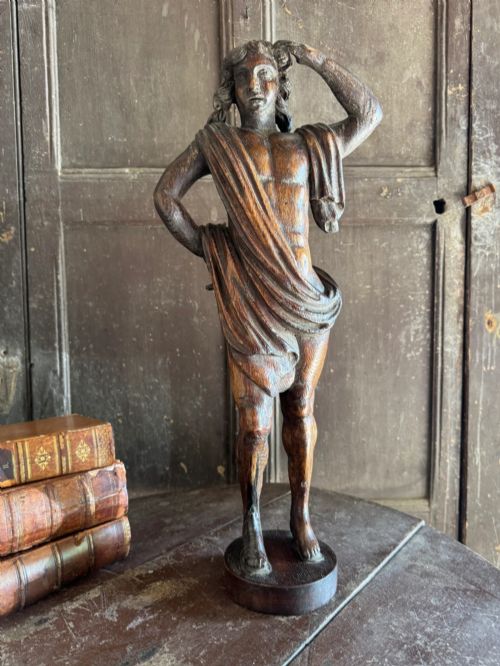
Foundries and studios shaped these works using cast bronze, patinated spelter, and cast iron, often applying applied patinas or gilt finishes to highlight surface details. Artists also worked directly in natural media, carving figures from marble, alabaster, walnut, fruitwood, oak, yew burr, and limewood.
Ceramic and slip-cast methods produced terracotta, porcelain, and chalk compositions by pouring slip or pressing clay into moulds before firing. Metal works typically utilised the lost-wax casting process or sand casting for hollow bronze and spelter figures, followed by manual chasing and finishing.
Antique Figurative Sculpture Retail Price Guide 2026
Typical asking prices for figurative sculpture among the pieces listed under this phrase on Sellingantiques today, from the lower quarter to the upper quarter. They describe what is for sale here now, not the wider market.
Design movements represented span Georgian Grand Tour pieces, Victorian realism, Art Nouveau curves, and geometric Art Deco forms.
Distinctions in craftsmanship and design
Attribution to documented sculptors or recognised foundries elevates a piece, as does the originality of the patina and mountings. Earlier Grand Tour casts or signed works by known makers generally display more rigorous anatomical proportions than unsigned decorative items.
Bruno Zach·Jules buste labatut·Josef Lorenzl·Moreau Family·F.Milliot·August Moreau·Jean-Baptiste Carpeaux·Jules Dalou·Jean Antoine Houdon·George Henry Paulin RBS·Dopmeier·Julien Lorieux·Zoldan Kovats·Friedrich Goldscheider·Emile Jespers·Fritz Kochendorfer·Gilbert Privat·Sylvain Kinsburger·Boudewijn Tuerlinckx·Hans Müller·George Van Der Straeten·Mathurin Moreau
The Antique Figurative Sculpture Glossary
- Patina
- The surface coloration and sheen acquired by metal, wood, or stone either naturally over time or through chemical treatment by the artist. This layer protects the material and adds visual depth to the sculpture.
- Spelter
- A zinc alloy commonly used as a cheaper alternative to bronze during the nineteenth and early twentieth centuries. It is often given a bronze-like coating to mimic more expensive metalwork.
- Lost-wax casting
- A traditional method of metal casting where a wax model is melted out of a ceramic mould and replaced with molten metal. This technique allows for intricate detail and undercut forms.
- Grand Tour
- A cultural journey undertaken by nineteenth-century Europeans to view classical antiquities, prompting the production of small-scale bronze copies of ancient sculptures. These souvenir bronzes remain highly collectible today.
- Terracotta
- Unglazed or glazed fired clay used extensively for sculptural models and finished figures. The material records the direct touch of the modeller's hand before firing.
Antique Figurative Sculpture: Frequently Asked Questions
What is patinated spelter?
Spelter is a zinc-based alloy that sculptors used as an economical substitute for bronze during the Victorian and Art Deco eras.
Makers applied a dark chemical finish, or patina, to make the softer metal resemble aged bronze.
Are alabaster figures fragile?
Alabaster is a relatively soft, translucent stone that scratches and chips more easily than marble or hardened bronze.
Keep these pieces away from high-traffic areas and direct moisture to preserve their delicate carved details.
How do I identify a cast signature?
Signatures on metal sculptures are usually impressed into the hot wax model before casting, resulting in raised or recessed letters that match the surrounding metal texture.
Compare the signature style and foundry marks against documented examples from the same period to confirm authenticity.