
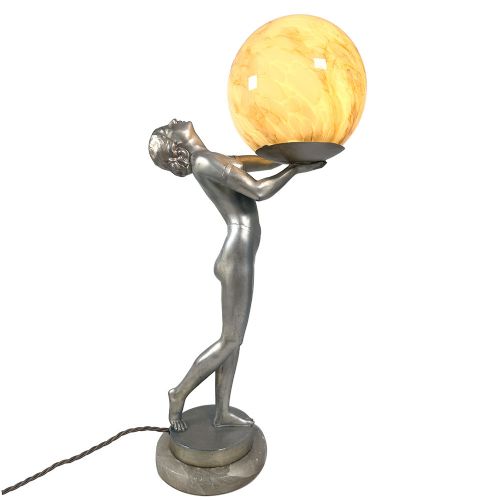
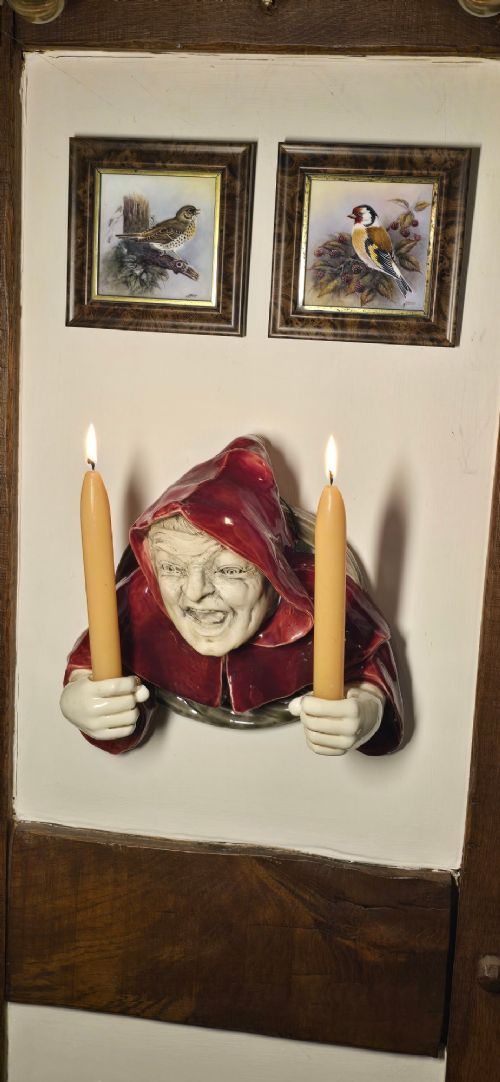
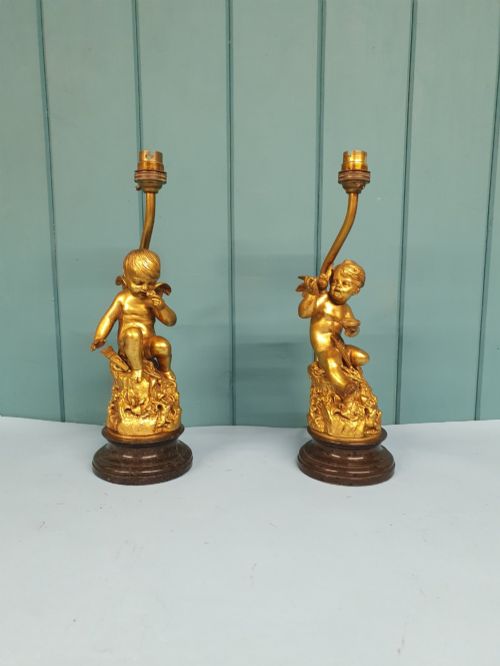
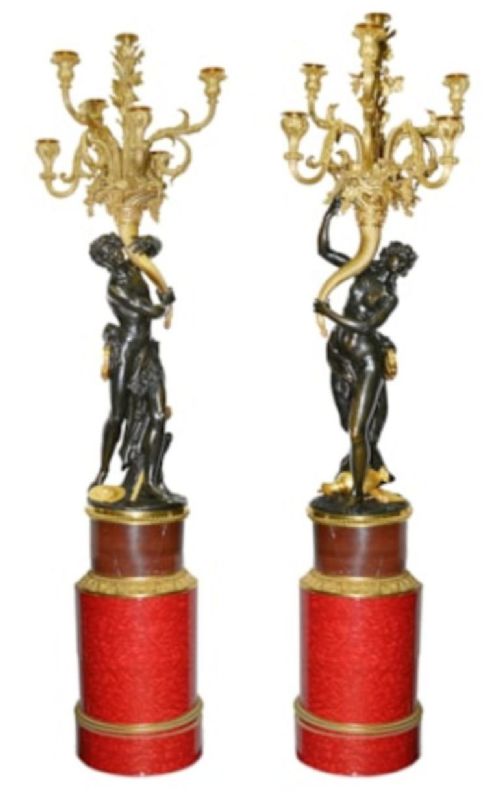
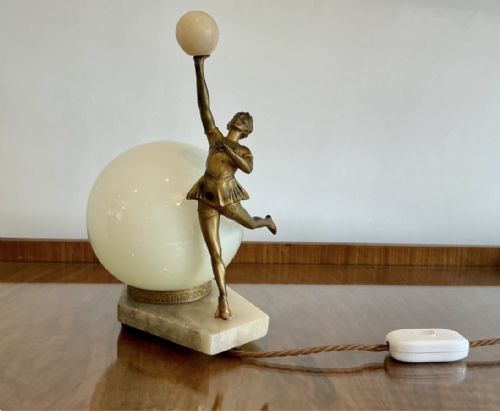

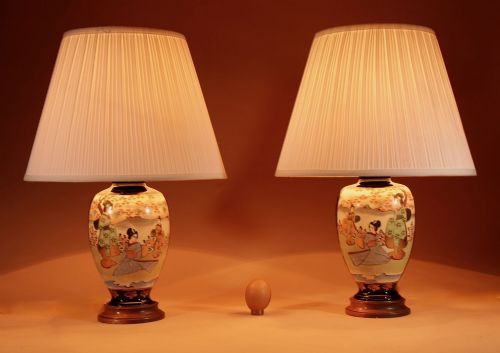
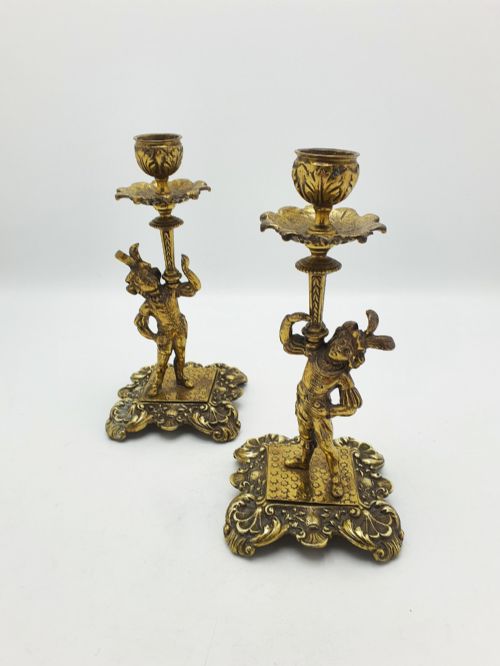
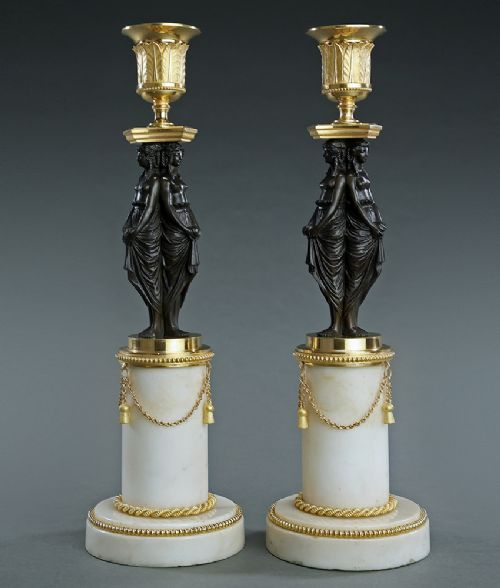
Antique Figural Light
These antique figural light designs combine sculpture and illumination, giving interiors character through human, animal and mythical forms.
Antique Figural Light
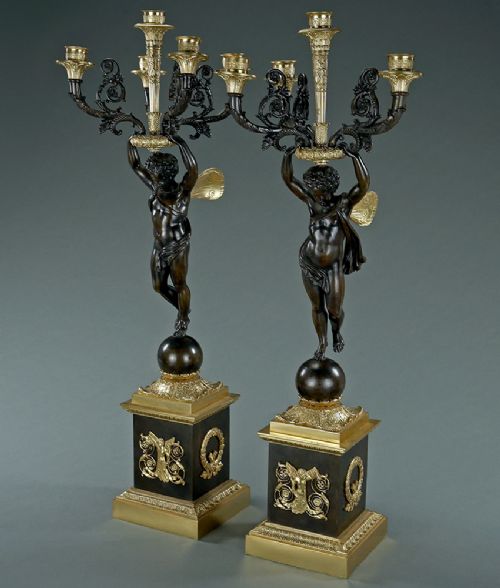
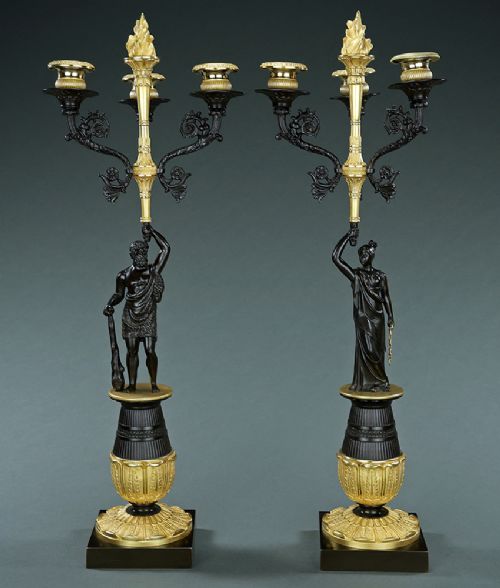
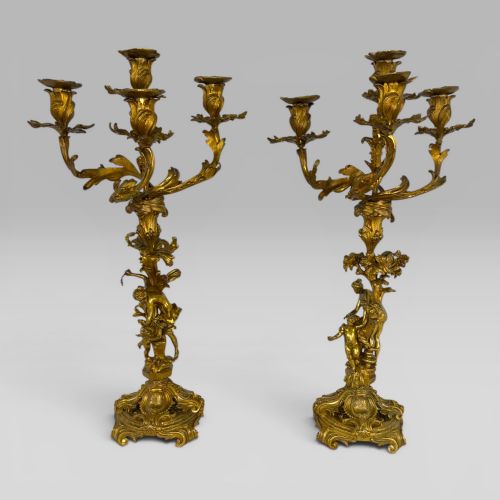
When searching for an antique figural light, buyers encounter a diverse range of objects that incorporate sculptural figures into domestic illumination. The selection includes table lamps, wall sconces, floor lamps, torcheres, and converted oil lamps, alongside traditional candlesticks and candelabra.
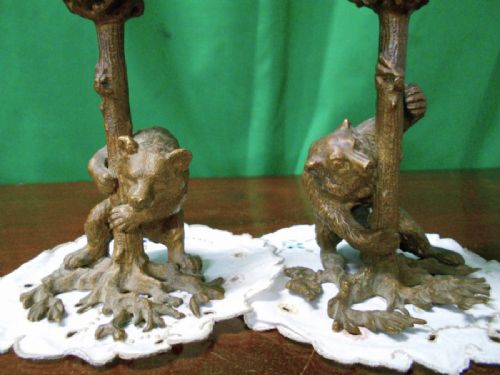
The materials and subjects span several centuries, originating from European workshops and Asian export houses. Pieces frequently feature cast figures of cherubs, animals, and classical or historical characters cast in metal or modelled in porcelain.
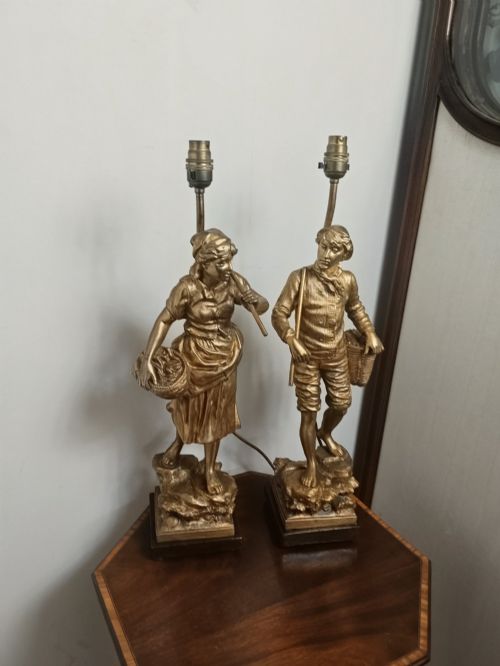
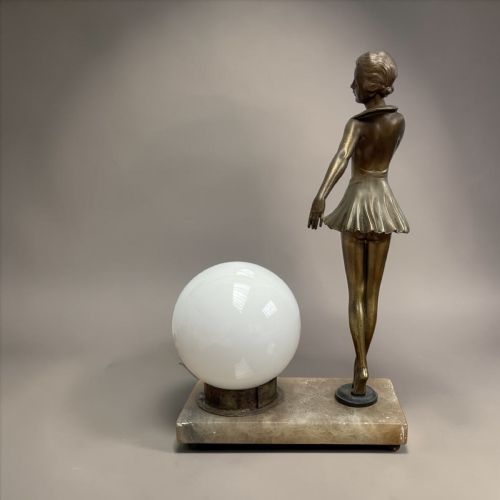
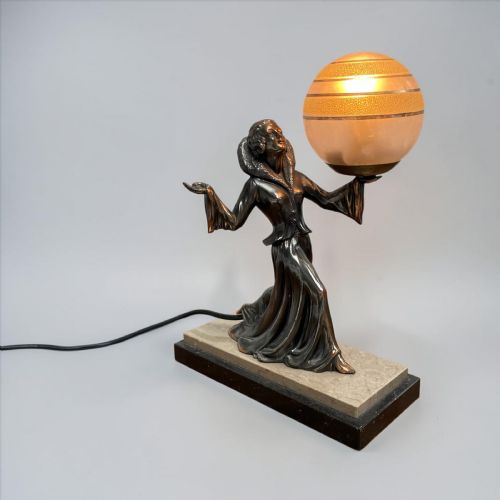
Art Deco lady lamps, Victorian brass figures, and French Louis XVI style bronze candelabra appear regularly across these selections. Makers utilise marble, bronze, glass, brass, gilt bronze, porcelain, spelter, and fabric to build each composition.
Materials and Techniques
Ceramic works rely on porcelain and pottery traditions, seen in Satsuma, Royal Worcester, and carved wooden or root wood structures. Mounts in gilt bronze or ormolu frequently secure porcelain bodies and stone bases together.
Dogs feature in the evidence, with painted metal bulldog table lighters waiting patiently on desks since nineteen-ten.
Craftsmanship and Detail
The crispness of the casting and the finesse of the chasing separate standard items from superior examples. Finely finished bronzes show sharp facial expressions and intricate drapery, whereas lower quality metal castings lose definition in the secondary details.
Surface treatments also dictate overall standard, distinguishing carefully applied cold paint or genuine fire gilding from simple modern repainting. The integration of sculptural bases in marble, onyx, or carved wood further reflects the original manufacturing investment.
E Rousseau·L & F Moreau·WMF·F De Luca·Karl Ens·Anton Buschelberger
The Antique Figural Light Glossary
- Spelter
- A zinc alloy commonly used as a less expensive alternative to bronze for sculptural figures in the nineteenth and twentieth centuries. It takes patination and cold painting well.
- Candelabra
- A branched candle holder designed to hold multiple candles simultaneously. These often feature central figural stems or classical motifs.
- Torchere
- A tall stand or floor lamp designed to hold a light source high above the ground. Examples in this category frequently incorporate silver-plated or bronze figural statues.
- Ormolu
- Gilded bronze, where a layer of gold amalgam is applied to a bronze base and heated. This technique was widely utilised by French makers for decorative mounts.
- Cold painted
- A finishing technique where paint is applied to metal objects without subsequent kiln firing. This method is frequently found on Viennese bronzes and spelter figures.
Antique Figural Light: Frequently Asked Questions
What periods do these pieces span?
The inventory covers items created across the nineteenth and early twentieth centuries. Specific eras represented include the Victorian, Art Nouveau, and Art Deco periods.
Design influences stretch from earlier French Empire and Louis XVI revivals up to the 1930s. Each era brings distinct sculpting styles and material combinations.
How do I identify different metal types?
Bronze and brass are heavy, durable copper alloys that develop natural patinas over time. Spelter is a lighter, softer zinc alloy often identified by its distinct grey metal underneath worn paint.
Gilt bronze and ormolu display a rich golden tone, whereas silver-plated items carry specific manufacturer stamps like WMF. Careful inspection of weight and surface wear clarifies the underlying metal.
Were these originally wired for electricity?
Most nineteenth-century pieces began as oil lamps, candle holders, or gas fixtures. They were subsequently converted to accept electrical wiring during later decades.
Table lamps from the 1920s and 1930s were frequently manufactured directly for electrical use. Conversions allow historical sculptures to function safely in modern domestic settings.
How should I clean antique metal sculptures?
Dust metal components gently with a soft, dry brush to prevent the accumulation of dirt. Avoid harsh chemical cleaners that strip away historical patinas or cold-painted finishes.
Preserving the original surface appearance is essential for maintaining the character of antique bronzes and spelter figures. Professional advice should be sought before attempting any restorative cleaning.