







Antique Fars Textile
These antique fars textile pieces are woven tribal works from South-West Persia, prized for their traditional patterns and rich natural dyes.
Antique Fars Textile
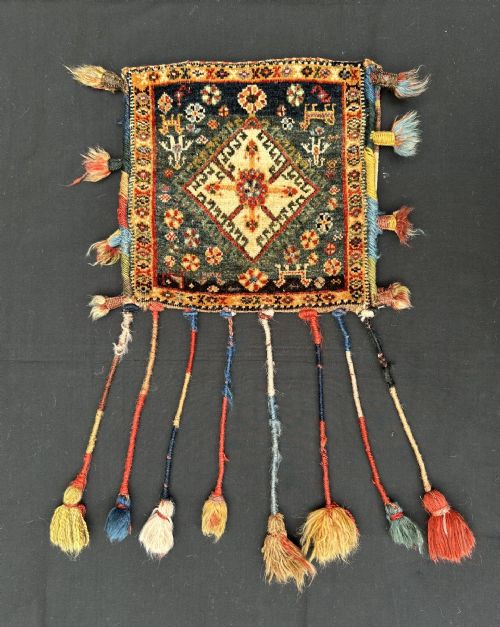
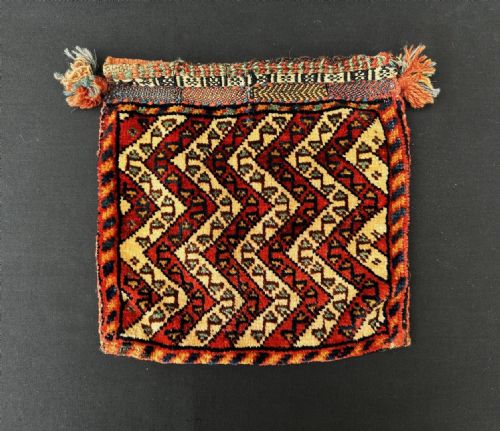
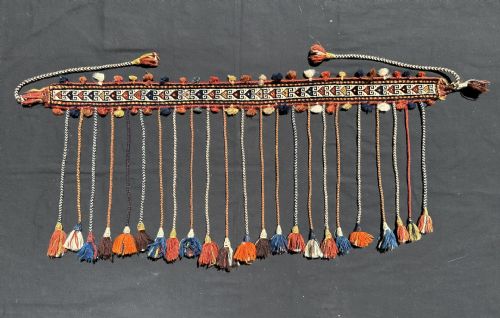
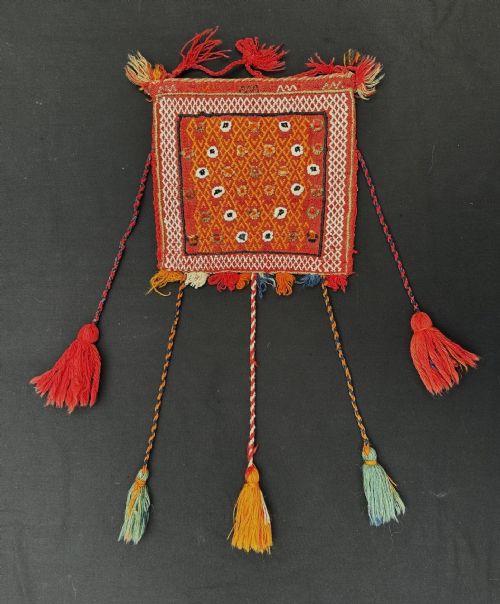
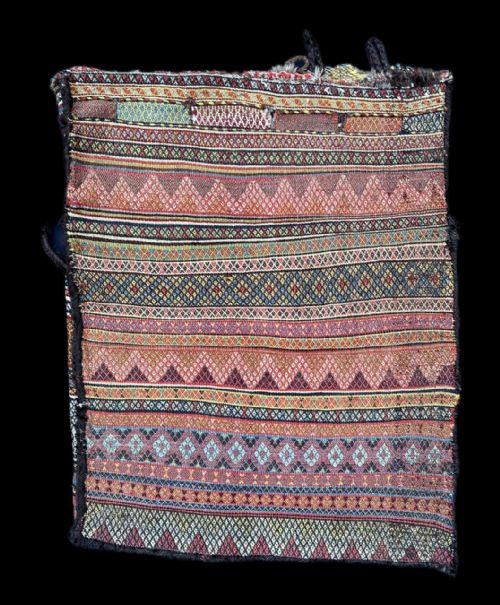
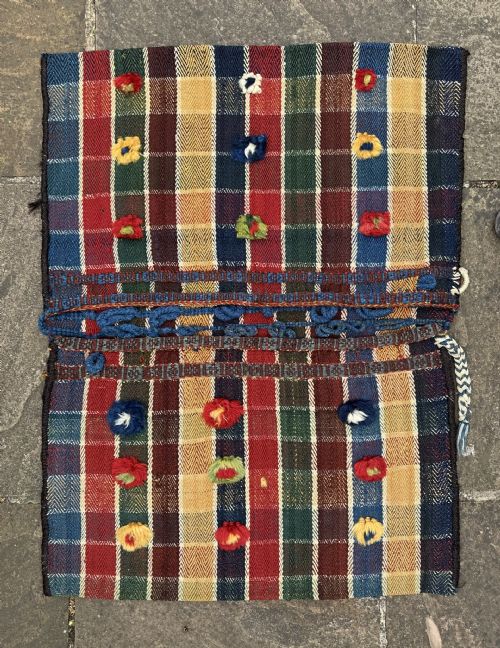
When you search for an antique fars textile, you encounter practical nomadic items created by the Qashqa'i Confederacy and its sub-tribes in the Fars Province of South-West Persia. These pieces span from the late nineteenth century to the early twentieth century, originating from groups such as the Bolvardi, Kashkuli Tayefeh, Darrehshuri Tayefeh, Shekarlu Tayefeh, and Ard Kapan Taifeh.
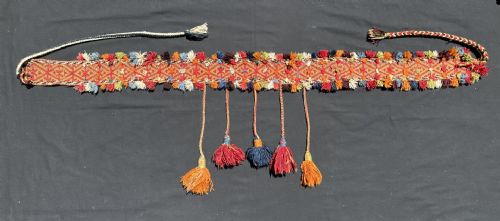
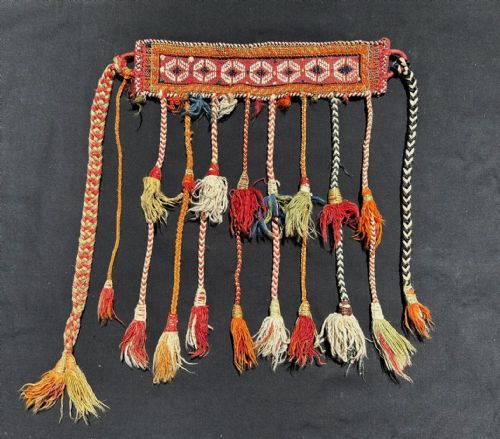
The objects take many functional forms reflecting nomadic life, including vanity-bags, animal trappings, horse decorations, spindle or water-pipe bags, baby cradles, salt-bags, flatwoven mojs, saddle-bags, saddle-bag faces, half-saddlebags, and storage-bags. Most items you meet on this page are utilitarian bags and trappings rather than large floor carpets.
How they were made
These textiles rely on hand-spun wool combined with natural dyes to create durable surfaces meant for daily nomadic transport and use. Artisans also integrated materials such as cotton, leather, and wood into specific functional items like storage bags and baby cradles.
The construction methods reflect tribal weaving traditions passed down through generations in South-West Persia. The integration of structural wool and cotton provides the foundational strength necessary for horse decorations, animal trappings, and utilitarian saddle-bags.
Antique Fars Textile Retail Price Guide 2026
Typical asking prices for fars textile among the pieces listed under this phrase on Sellingantiques today, from the lower quarter to the upper quarter. They describe what is for sale here now, not the wider market.
Listings span three distinct decades from the late nineteenth century to the early twentieth century, specifically covering 1880, 1900, and 1920.
What varies in quality
The standard of an antique fars textile depends upon the fineness of the weave and the complexity of the tribal iconography displayed across the surface. Items produced by specific sub-tribes demonstrate distinct technical precision in their handling of hand-spun materials.
Preservation of the original natural dyes and structural elements such as leather or wood components also influences the standing of individual pieces. Tribal bags and trappings that retain their complete form and crisp structural integrity represent the upper tier of the range.
The Antique Fars Textile Glossary
- Confederacy
- A political and social alliance of nomadic tribes. In this context, it refers to the coalition of tribal groups in the Fars region.
- Tayefeh
- A Persian term denoting a tribe or clan. It describes specific sub-groups within the Qashqa'i confederation.
- Moj
- A traditional flatwoven textile or coverlet produced by tribal weavers. These pieces serve utilitarian purposes within nomadic households.
- Saddle-bag face
- The decorative front panel of a paired utilitarian bag. These panels display the characteristic geometric patterns of the maker's tribe.
- Animal trapping
- A decorative textile designed to adorn horses or other working animals. These items incorporate wool and traditional tribal motifs.
Antique Fars Textile: Frequently Asked Questions
How were these bags used?
Nomadic communities utilised these textiles for daily storage, transport, and animal adornment during migrations across South-West Persia.
Specific items functioned as salt-bags, water-pipe holders, baby cradles, and pack containers attached to working animals.
How do I identify sub-tribes?
Attribution to specific sub-tribes relies on recorded provenance and distinctive design characteristics found within the weaving traditions of the region.
Listing details often specify groups like the Kashkuli Tayefeh or Darrehshuri Tayefeh based on these stylistic markers.
How should I care for a textile?
Protect these historic wool and natural dyed pieces by keeping them away from direct sunlight and excessive moisture.
Gentle surface cleaning and appropriate mounting help preserve the structural integrity of flatweaves and trappings.