


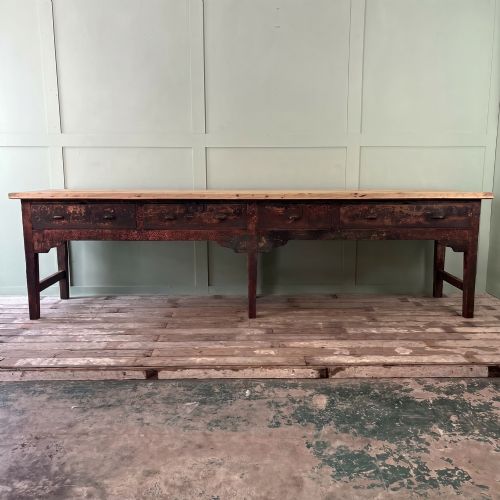
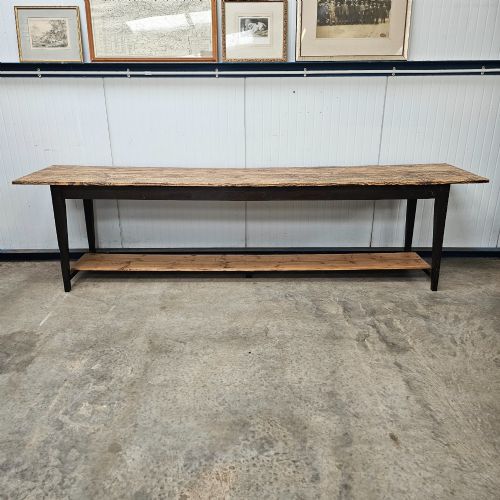


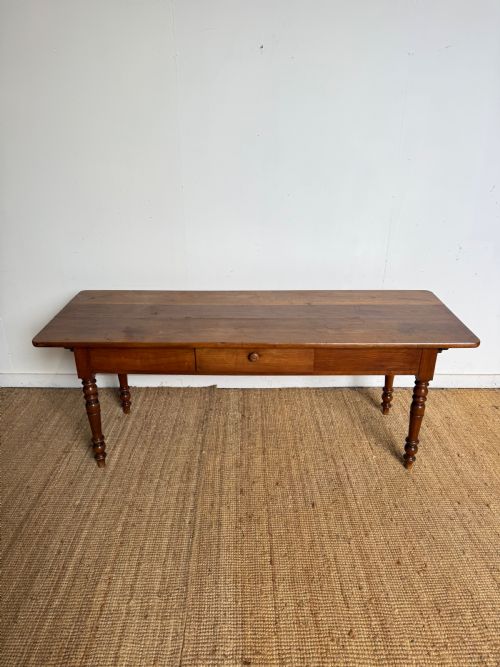

Antique Farmhouse Server
An antique farmhouse server brings honest utility and time-worn character to a room, serving as a practical surface for prep or display.
Antique Farmhouse Server
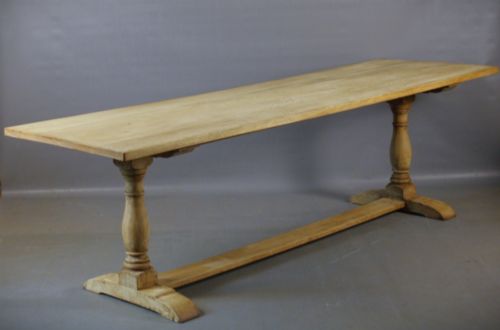
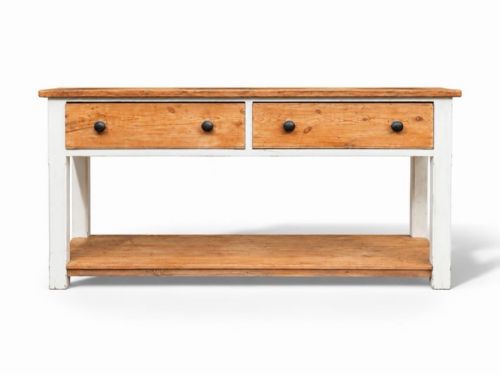
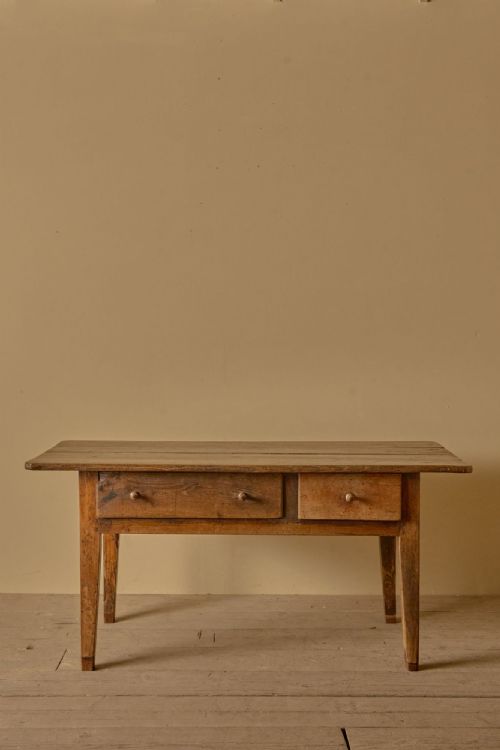
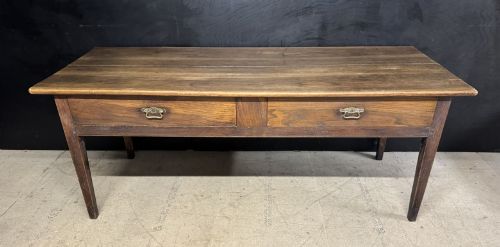
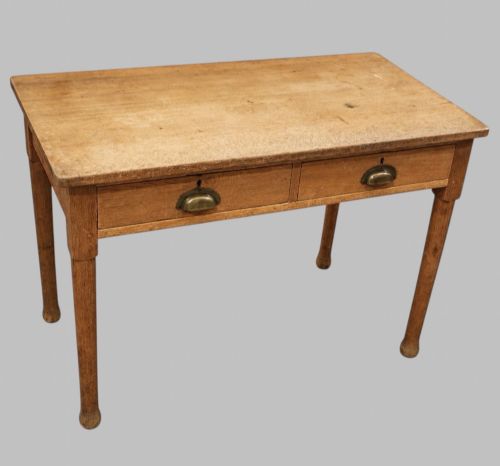
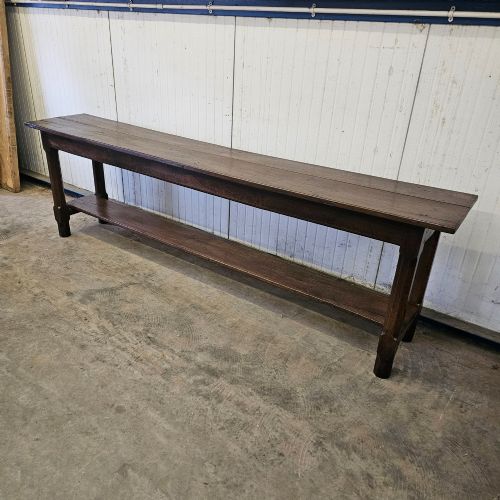
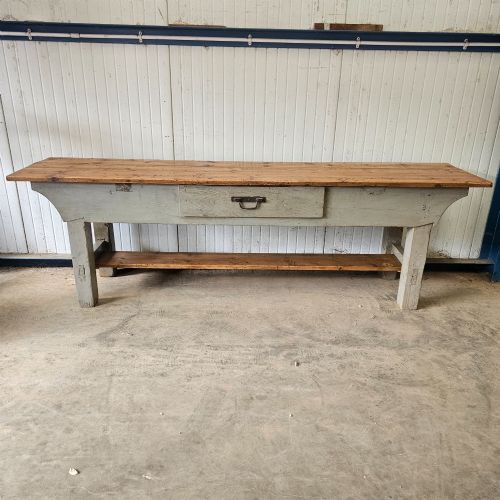
When you search for an antique farmhouse server, you find substantial utilitarian furniture designed for preparation, storage, and service in domestic kitchens and dining spaces. These pieces encompass forms such as dresser bases, serving tables, console tables, and worktables.
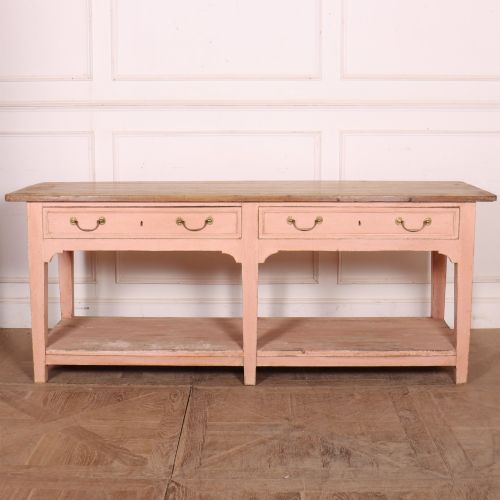
You are most likely to meet pieces constructed from pine, oak, and chestnut, originating from English and French country traditions spanning the eighteenth and nineteenth centuries. They range from simple dairy and bread prep tables to long potboard dresser bases with drawers.
The aesthetic is rooted in practicality, showing regional variations from English country houses to French provincial manors. Plain timbers, painted finishes, and functional lower shelves define the category.
Materials and construction
Carpenters built these servers primarily from solid timbers like pine, oak, chestnut, and cherrywood, chosen for durability and local availability. Surfaces often show the marks of daily labour, finished with a simple wax coating or historic paint.
Iron and brass hardware, including drawer pulls and structural braces, appear alongside wooden joinery. Pot-shelves, drawers, and lower potboards provide robust storage, constructed to withstand heavy domestic use.
Antique Farmhouse Server Retail Price Guide 2026
Typical asking prices for farmhouse server among the pieces listed under this phrase on Sellingantiques today, from the lower quarter to the upper quarter. They describe what is for sale here now, not the wider market.
Listings feature pieces spanning the eighteenth century through to the early twentieth century, constructed from pine, oak, chestnut, and cherrywood.
Judging quality and proportion
Quality in these servers rests upon the integrity of the timber, the balance of proportions, and the honesty of the wear. Superior examples retain their original structural timbers, whether substantial oak or panelled chestnut, without excessive timber replacement.
The refinement of the joinery and the presence of regional details, such as pot-shelves or deep drawers, distinguish a standard utility table from an exceptional manor house piece. Surface texture, whether aged paint or waxed pine, dictates the visual depth of the object.
The Antique Farmhouse Server Glossary
- Dresser base
- A low sideboard or cupboard unit typically featuring drawers above cupboards or an open potboard shelf, designed for storing kitchen utensils and serving food.
- Potboard
- An open lower shelf fitted beneath a table or dresser base, traditionally used for storing heavy pots, pans, and earthenware.
- Dairy table
- A utilitarian wooden table, frequently made of scrubbed pine, used in farm dairies for cheese-making and milk preparation.
- Bread prep table
- A heavy-topped wooden worktable dedicated to the kneading and preparation of dough in large farmhouse kitchens.
- Console table
- A narrow table designed to stand against a wall, frequently utilised for serving or display in country houses and provincial servers.
Antique Farmhouse Server: Frequently Asked Questions
What is a farmhouse server used for?
These pieces function as practical sideboards, prep stations, or display surfaces in kitchens and dining rooms. Their sturdy tops and drawer space accommodate storage and serving needs.
Historically, they provided essential workspace for food preparation and the storage of heavy kitchen domestic equipment.
How do I identify the wood type?
Examine the grain patterns, weight, and colour of the exposed timber surfaces. Pine and oak display distinct grain structures, while fruitwoods like cherrywood exhibit a warmer tone.
Many pieces also feature historic painted finishes or waxed surfaces that obscure or complement the underlying wood.
Are these tables suitable for daily use?
Their original purpose was heavy domestic labour, making them exceptionally sturdy for modern living. Solid timber construction allows them to endure daily kitchen or dining activities.
Maintenance typically involves gentle waxing and avoiding excessive moisture to preserve the historic wood finish.
How do English and French styles differ?
English examples often favour plain or waxed pine and oak, reflecting understated country house and dairy traditions. French pieces frequently utilise chestnut or cherrywood, sometimes featuring painted finishes and refined proportions.
Both regional styles prioritise utilitarian strength combined with local aesthetic traditions.