
Antique Farmhouse Seating
Antique farmhouse seating brings practical utility and honest craftsmanship into everyday spaces through sturdy benches, settles, and chairs.
Antique Farmhouse Seating
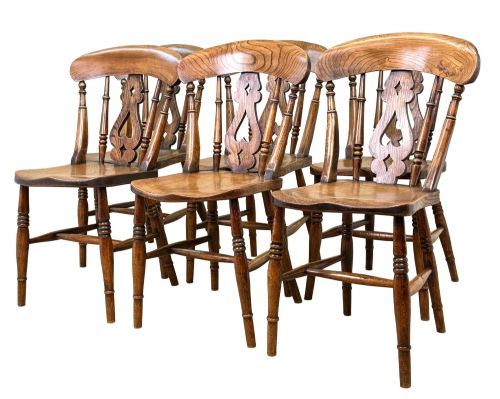
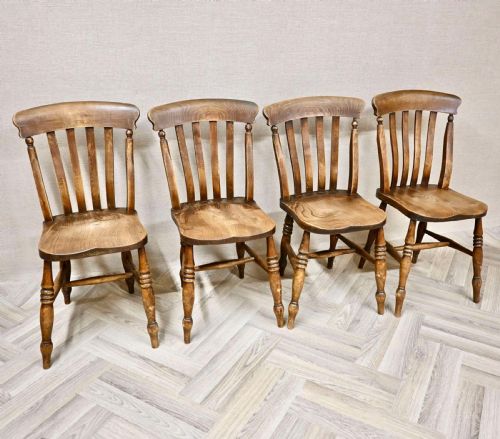
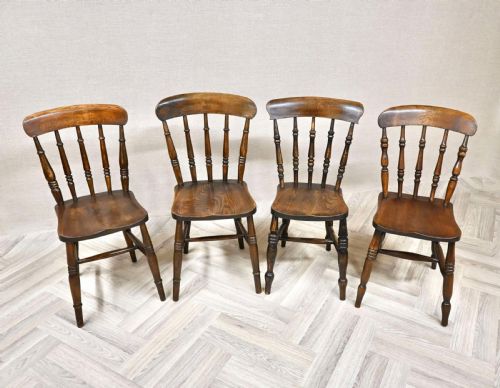
Antique farmhouse seating encompasses functional items created for daily domestic use in rural properties, spanning dining chairs, benches, settles, and stools. Buyers searching for antique farmhouse seating encounter pieces designed primarily for utility around the kitchen or dining table rather than formal parlours.
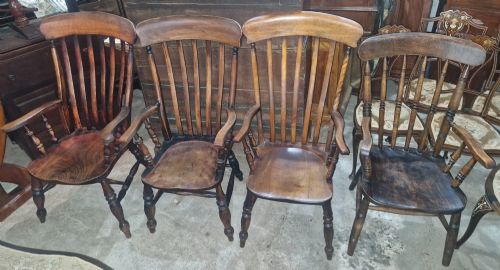
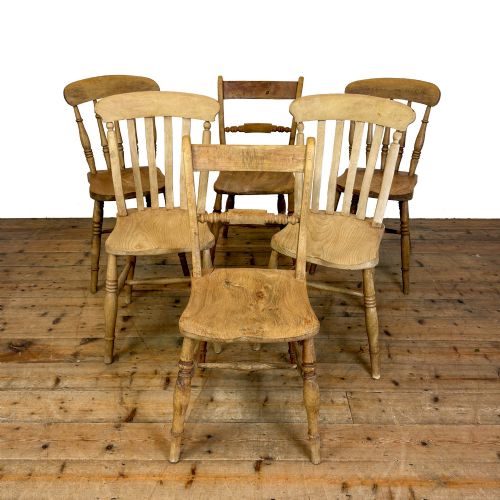
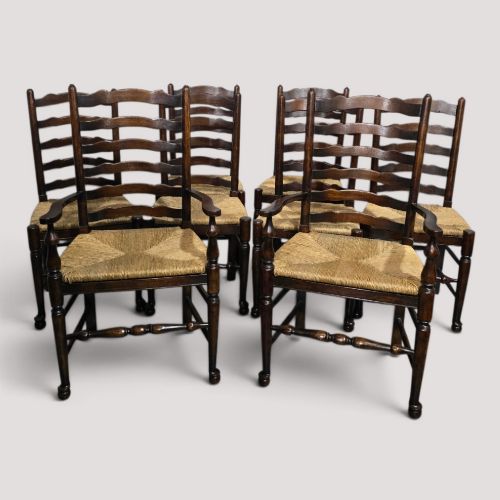
The selection here is dominated by nineteenth-century examples, including Victorian pieces alongside items from the Edwardian period and the early twentieth century. Windsor chairs, ladder backs, and refectory benches form the core of the available forms, reflecting vernacular traditions from English, French, and Austrian origins.
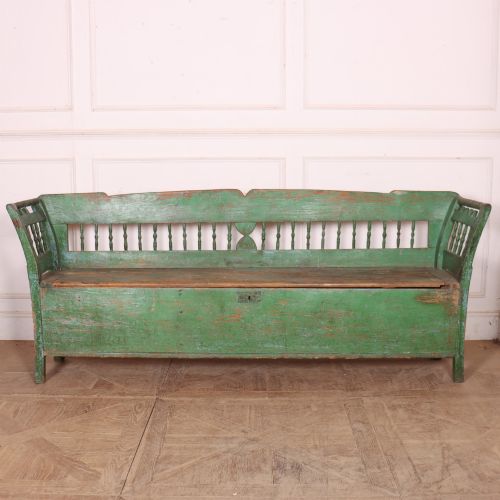
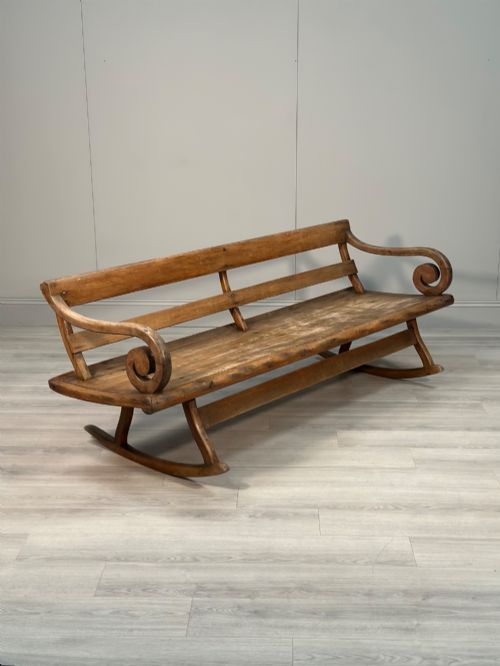
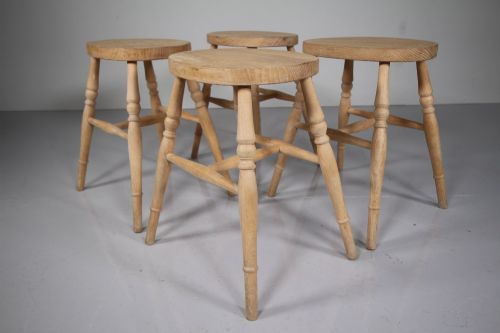
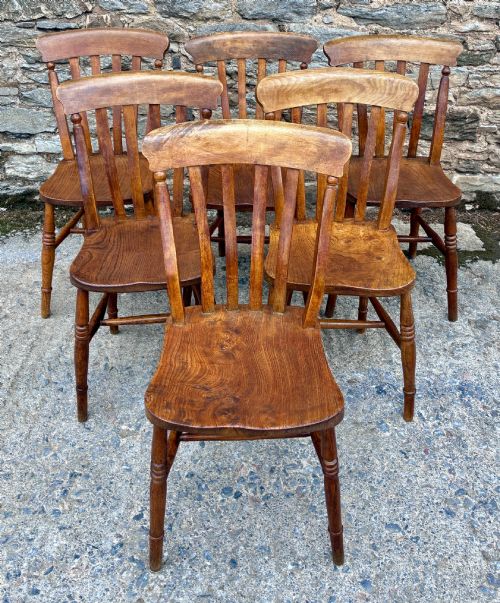
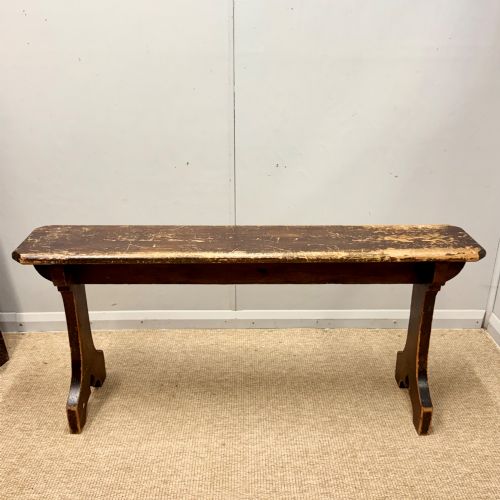
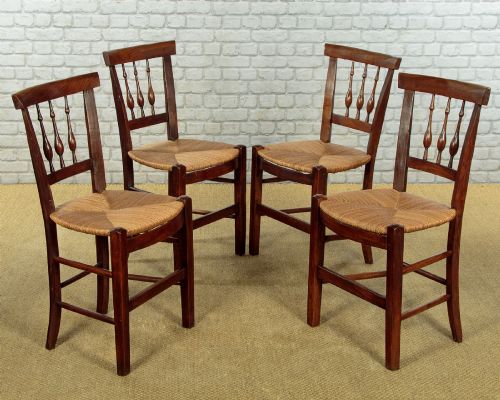
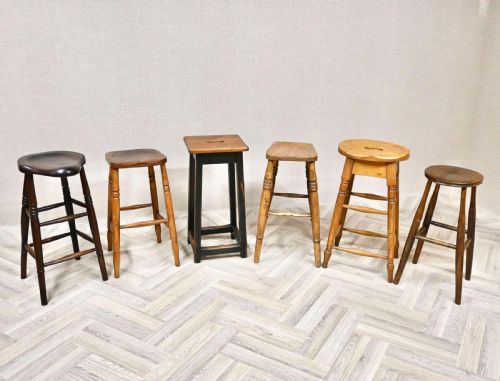
Sets of dining chairs appear frequently alongside long pine or fruitwood benches intended to accommodate larger numbers around a table. Single armchairs, rocking settles, and tall bar stools also emerge across the inventory, demonstrating the diverse seating arrangements found in traditional rural dwellings.
How they were made
Local hardwoods such as elm, oak, beech, ash, and fruitwood provide the structural integrity required for heavy daily use. Turners and joiners shaped solid timbers into spindles, legs, and stretchers, combining turned components with carved seats and steam-bent rails.
An antique rocking settle offers the unique comfort of a stationary bench combined with the soothing motion of a nursery chair.
What varies in quality
The integrity of the timber and the depth of the patination distinguish superior examples from standard utility pieces. Chairs retaining their original surface finish and honest wear demonstrate the passage of time without obscuring the grain of the elm or oak.
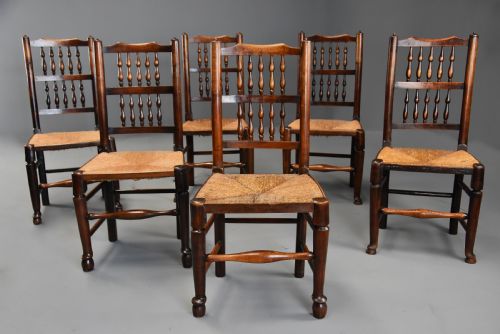
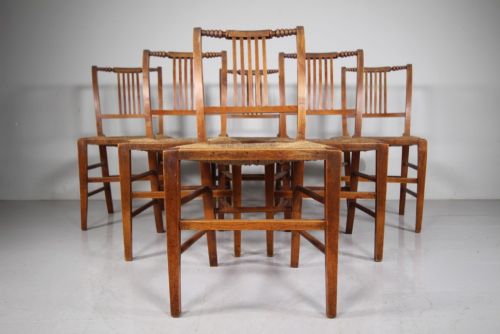
Uniformity across a matched set elevates the desirability of dining chairs, particularly when surviving in large groups of six or eight. Structural retention matters greatly in vernacular seating, where replacement components or excessive sanding diminish the historical weight of the object.
The Antique Farmhouse Seating Glossary
- Windsor chair
- A wooden chair constructed with a solid sculpted seat into which the legs and back spindles are independently inserted. This form relies on turned members and often incorporates a bentwood bow for the backrest.
- Ladder back
- A chair style featuring horizontal slats or bars between the rear upright posts. These slats provide back support and appear frequently on traditional kitchen and dining seating.
- Settle
- A wooden bench with a high back, solid arms, and often a storage compartment beneath the seat. Designed to block draughts in traditional farmhouses.
- Rush seat
- A seating surface woven from dried marsh grasses twisted into cords. This technique creates a resilient and flexible platform common on vernacular chairs and stools.
- Refectory table
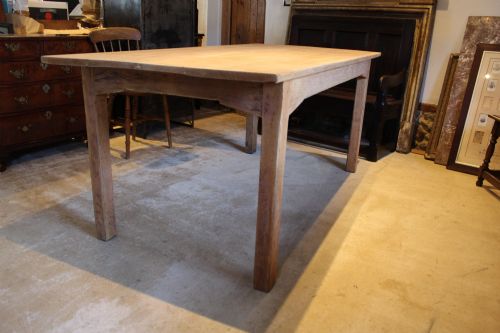
- A long dining table traditionally used in communal halls and farmhouses. Built with sturdy legs and central stretchers for stability during daily meals.
- Patina
- The surface sheen and colour developed on wood through decades of handling, polishing, and exposure to light. Good patination indicates age and sustained use.
Antique Farmhouse Seating: Frequently Asked Questions
How were farmhouse benches used?
Farmhouse benches served primarily alongside long dining tables to accommodate families and workers for communal meals. Their length allowed multiple people to sit together efficiently in busy kitchens.
Beyond dining areas, benches stood in hallways or against walls for general seating and storage access, particularly settle variants designed to shield occupants from cold draughts.
How do I care for antique wood seating?
Maintain antique wooden chairs and benches by keeping them away from direct heat sources and sudden temperature fluctuations. This prevents the timber from drying out and splitting over time.
Apply a microcrystalline wax occasionally to nourish the surface and protect the historic finish without building up excessive residue. Avoid modern silicone sprays that can permanently alter the wood.
Can I mix different chair styles together?
Mixing different chair styles creates a traditional harlequin arrangement often found in historic country settings. Harlequin sets bring visual variety to a dining space while maintaining a cohesive period character through shared materials.
Ensure the seat heights remain relatively consistent across the gathered pieces to maintain comfort and usability around your dining table.