

Antique Facet Stem
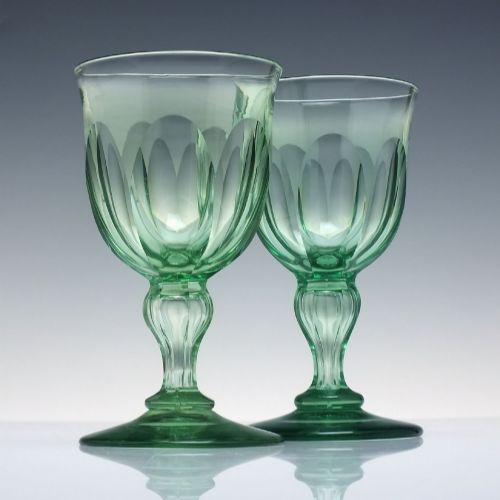
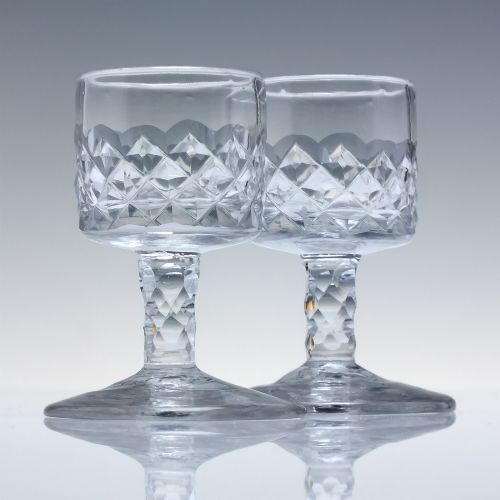
These antique facet stem pieces are drinking glasses and vessels shaped by precise cutting, offering collectors clear lead glass forms from the Georgian and Victorian eras.
Antique Facet Stem
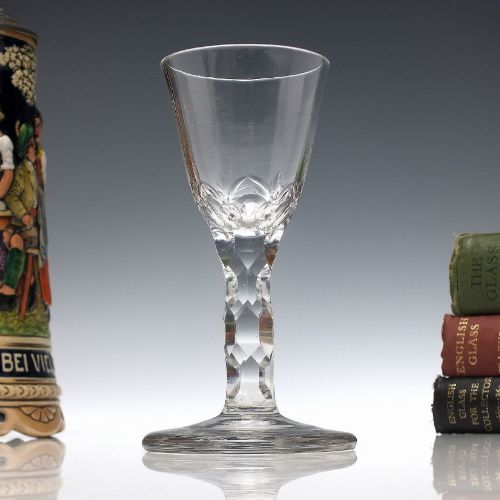
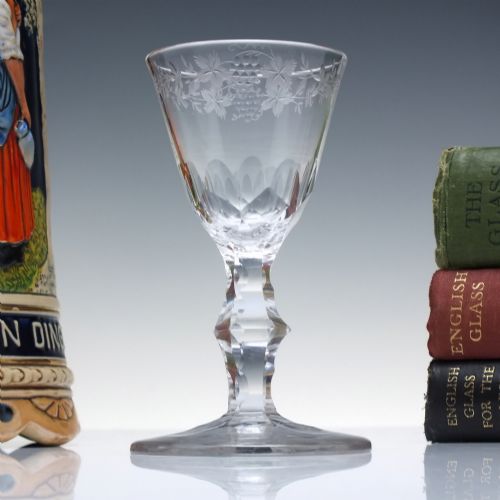
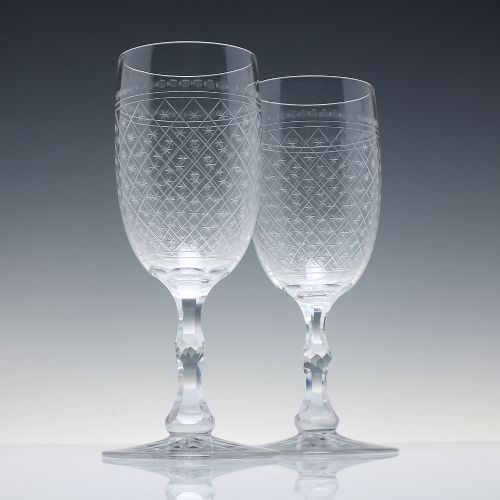
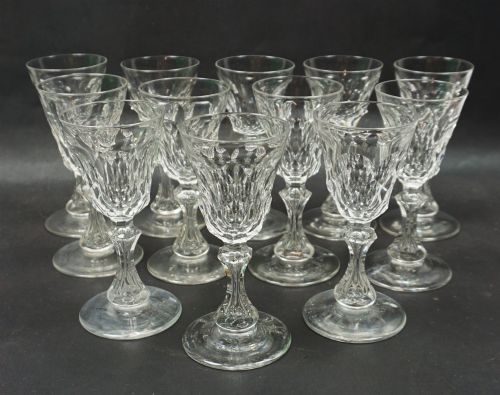
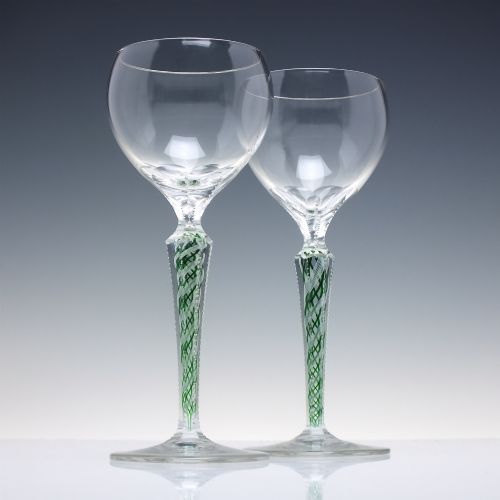
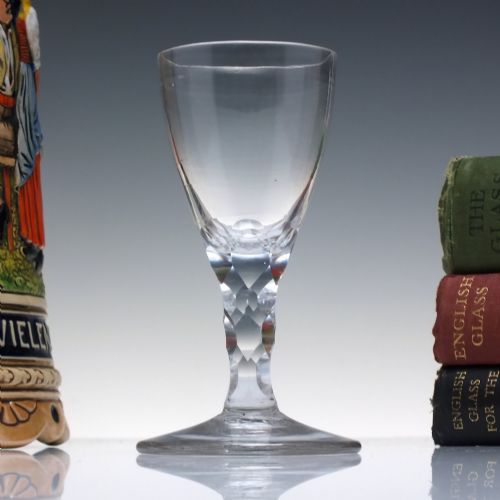
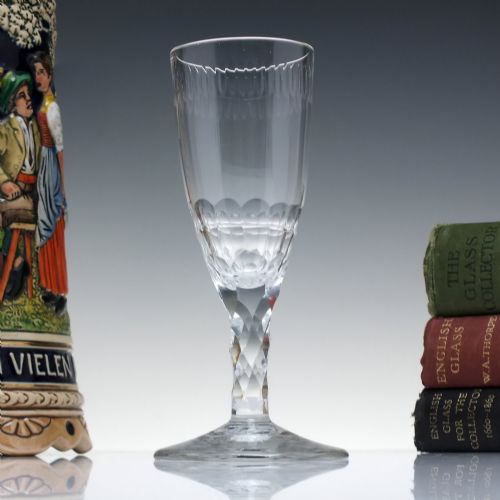
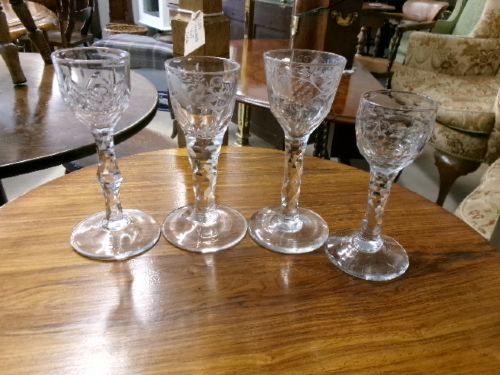
Collectors seeking antique facet stem items encounter drinking glasses such as wine glasses, ale flutes, cordials, port glasses, and rummers dating predominantly from the eighteenth and nineteenth centuries. These vessels often feature distinctive cut stems that catch the light, accompanied by decorated bowls and wide foot bases.
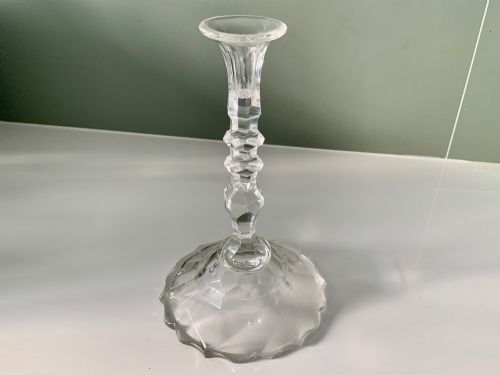
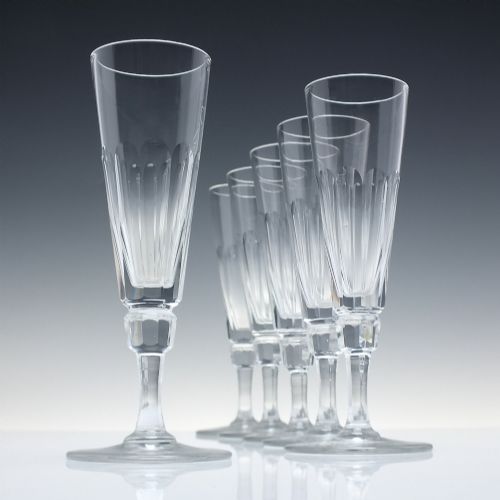
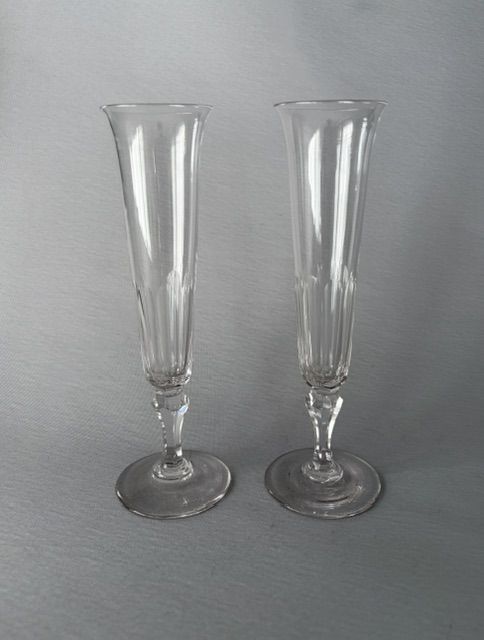
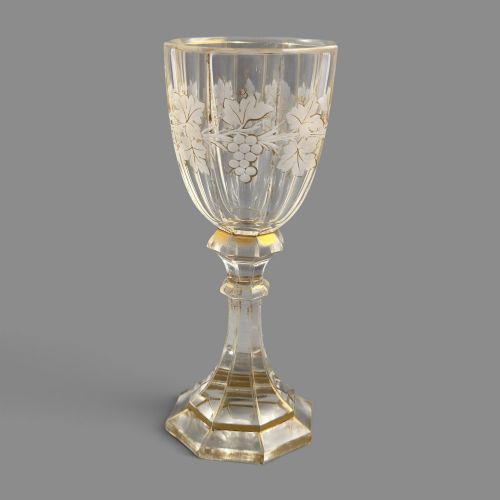
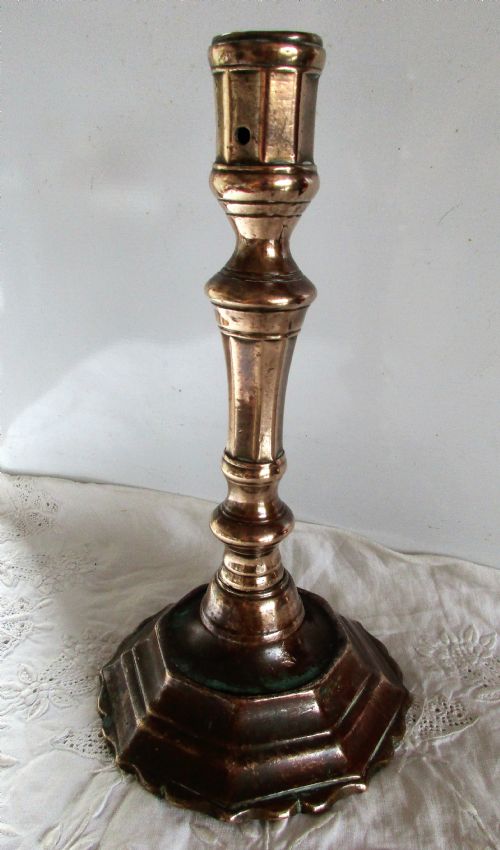
The selection ranges from early Georgian English examples with engraved bowls to Victorian champagne flutes and Bohemian crystal goblets. Forms include matched sets and individual drinking glasses alongside related items like candlesticks.
How they were made
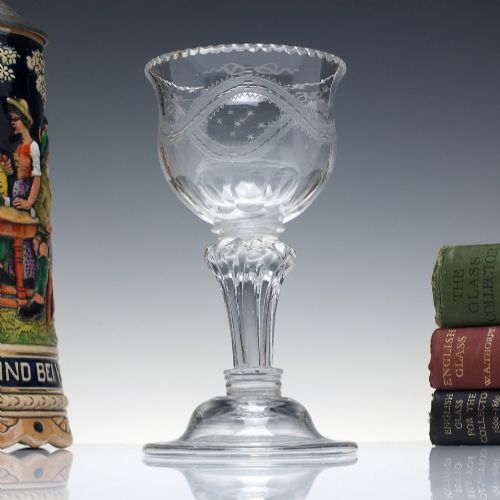
Maker operations utilised lead glass, lead crystal, and clear glass blown into initial shapes before artisans applied wheel-cutting techniques to form the characteristic facets along the stems. Additional decoration involved surface engraving, such as floral or Jacobite motifs, and occasional gilding.
Makers shaped various forms including wine glasses, goblets, and flutes using traditional glassblowing and cutting methods across English, Irish, and Bohemian workshops during the Georgian and Victorian periods.
Antique Facet Stem Retail Price Guide 2026
Typical asking prices for facet stem among the pieces listed under this phrase on Sellingantiques today, from the lower quarter to the upper quarter. They describe what is for sale here now, not the wider market.
Hidden political secrets lurk inside some bowls, where subtle engraved roses whispered allegiance to exiled kings over dinner.
What varies in quality
Quality differences emerge in the crispness and regularity of the facet cutting along the stem, where sharp, evenly spaced planes reflect light more cleanly than softer or uneven cuts. The clarity of the lead glass or crystal also distinguishes finer pieces.
Additional distinction lies in the complexity and execution of bowl engravings, such as detailed hop and barley or Jacobite sympathy designs, alongside the overall balance and proportion of the drinking glass.
Moser Bohemian·James Giles
The Antique Facet Stem Glossary
- Facet stem
- A glass stem shaped with multiple flat polished planes cut into the surface to refract light. These stems are characteristic of eighteenth-century English drinking glasses.
- Lead glass
- A type of glass containing lead oxide which increases brilliance, weight, and workability for cutting. This material forms the foundation of most quality drinking glasses in this category.
- Rummer
- A large, heavy drinking glass with a wide bowl used for ales, wines, or punch. They often feature robust stems and generous capacities.
- Ale flute
- A tall, slender drinking glass designed to retain the carbonation of ale. These vessels frequently incorporate decorated bowls and cut stems.
- Jacobite engraving
- Decorative motifs applied to eighteenth-century glassware expressing sympathy for the exiled House of Stuart. These symbols include roses, buds, and oak leaves.
Antique Facet Stem: Frequently Asked Questions
How do I date an antique facet stem glass?
Dating relies on stylistic clues like the profile of the bowl, the thickness and cut of the stem, and the formation of the foot base. Eighteenth-century examples often feature distinct proportions compared to later Victorian pieces.
Engraving styles and metal composition also provide markers for placing pieces within Georgian or nineteenth-century periods.
Were these glasses used daily?
Georgian and Victorian households utilised these stemmed glasses for serving wine, port, ale, and cordials during meals and social gatherings. Their robust lead glass construction suited regular table service.
Over time, many surviving examples transitioned from active dining use to cabinet display by collectors.
How should I clean antique glass?
Cleaning requires gentle hand washing in lukewarm water with mild soap, avoiding abrasive sponges or harsh chemicals that might harm the surface. Wooden or metal drying racks help prevent chipping against hard sinks.
Sudden temperature changes must be avoided to protect brittle historic glass from thermal shock.