




Antique Eye Glass
Antique eye glass items span optical instruments, magnifying lenses, and the inset glass eyes used in novelty desk objects and figures.
Antique Eye Glass
When searching for antique eye glass, buyers encounter a diverse group of objects ranging from functional magnifiers and test lens kits to decorative figures animated by inset glass eyes. These pieces emerge primarily from the nineteenth and early twentieth centuries, reflecting the period's precision optics and whimsical animal novelties.
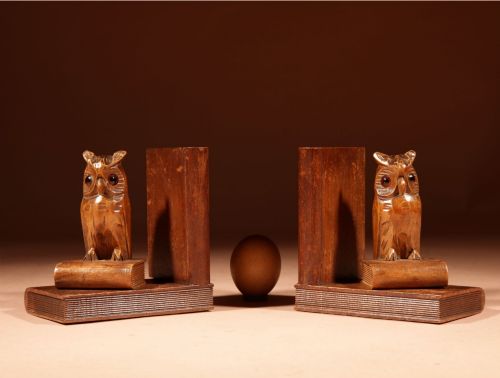
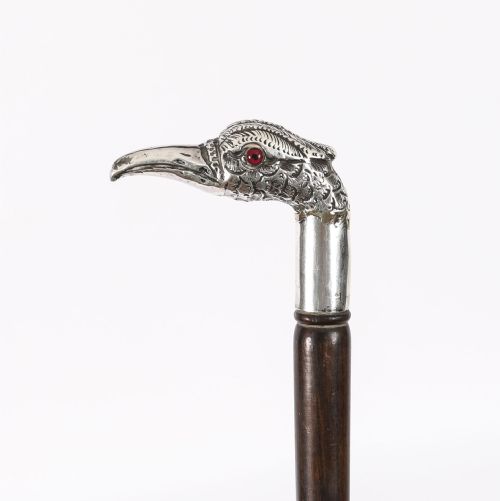
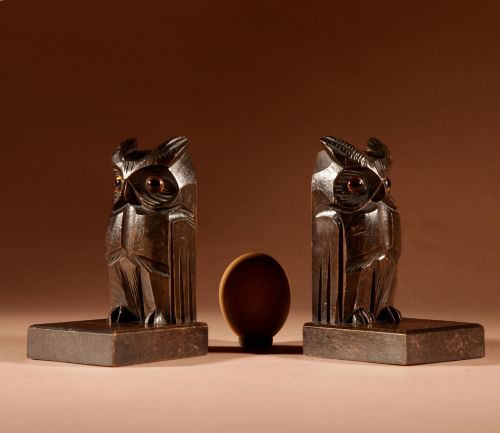
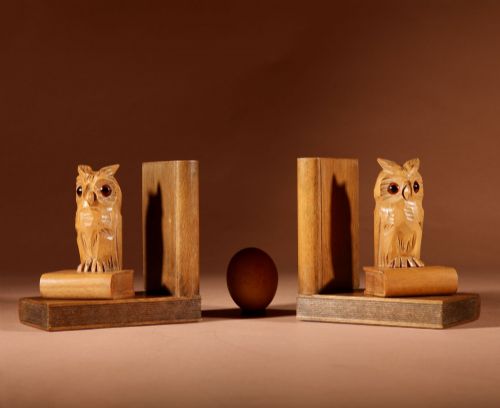
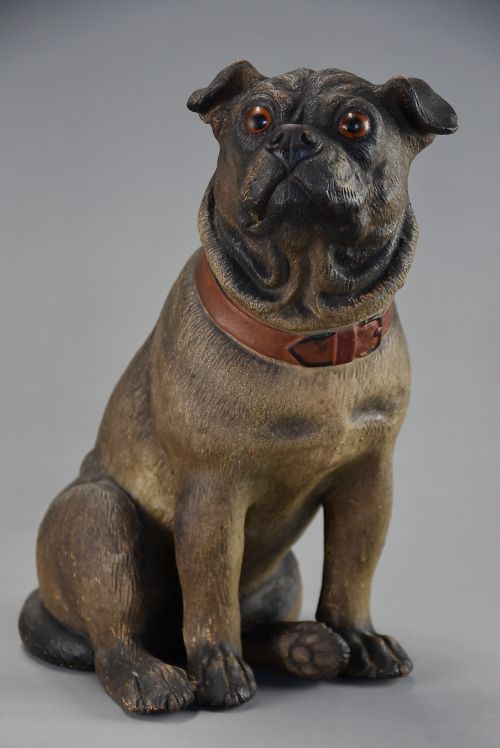
The most common iterations on this page include desktop magnifying glasses, ocularist boxes containing hand-blown glass eyes, and figural inkwells, boxes, and desk items utilising glass eyes for expression. Brass, sterling silver, bronze, and carved wood provide the predominant frames and housings for these optical and decorative pieces.
How They Were Made
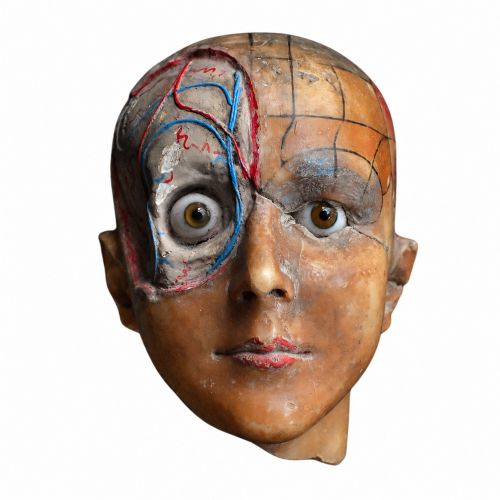
Makers utilised cast brass, bronze, and precious metals alongside hand-carved woods such as black forest timber and maple to house optical lenses and form figural objects. Hand-blown glass formed both the magnifying elements and the specialised ocular spheres fitted into animal and human models.
Techniques combined traditional metal casting and gilt finishing with meticulous glassblowing and hand-painting, particularly visible in medical kits and novelty desk accessories.
Antique Eye Glass Retail Price Guide 2026
Typical asking prices for eye glass among the pieces listed under this phrase on Sellingantiques today, from the lower quarter to the upper quarter. They describe what is for sale here now, not the wider market.
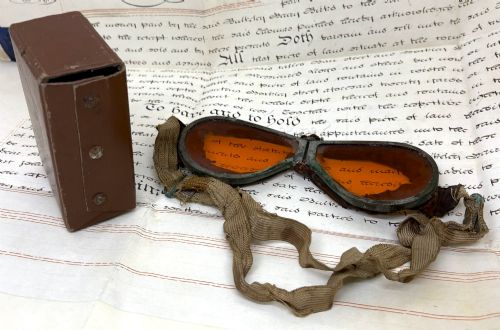
Listings feature optical test kits, magnifying glasses, and brass desk wares alongside carved wooden animal novelties inset with glass eyes.
What Varies in Quality
Quality rests upon the clarity and integrity of the glass itself, whether in an optical lens or a hand-blown ocular display, alongside the fineness of the surrounding metalwork or wood carving. Superior examples demonstrate crisp casting details in bronze or brass and undamaged original mountings.
The degree of artistic expression in figural pieces, such as animal novelties with inset eyes, separates standard production items from master-carved works originating in specialised workshops.
Stuart for Liberty·H and L Epstein·Pierre Iman
The Antique Eye Glass Glossary
- Loupe
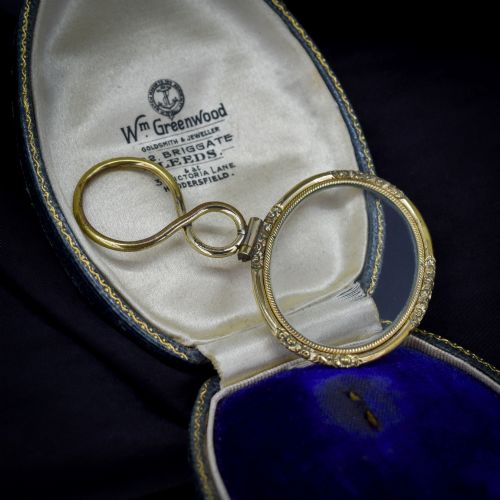
- A small magnifying glass used to inspect jewellery and hallmarks. It typically folds into a protective metal case.
- Ocularist
- A specialist craftsperson who makes artificial human eyes from glass. These were historically housed in specialised demonstration boxes.
- Bulls-eye glass
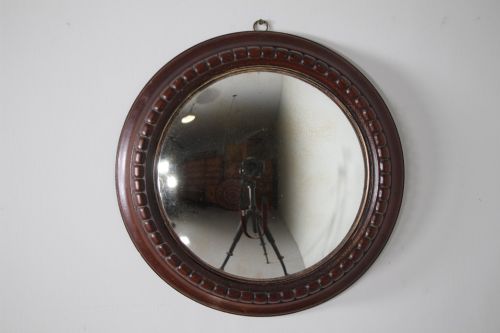
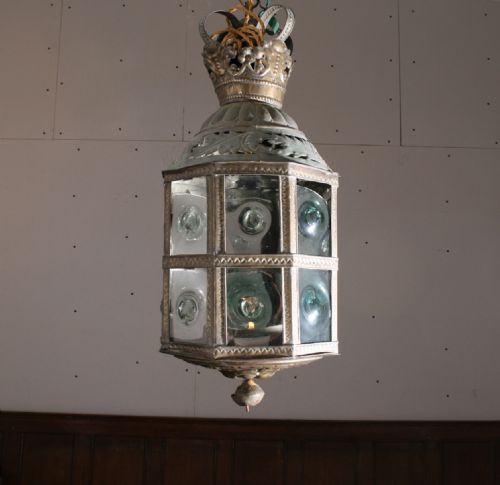
- A thick round glass lens with a convex centre formed during traditional glassblowing. It concentrates light effectively.
- Novelty piece
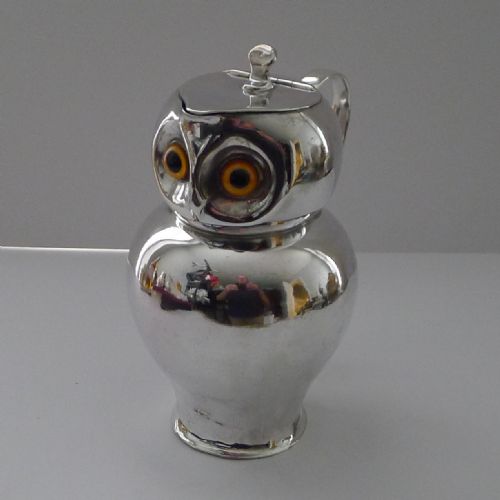
- An object designed with a humorous or unusual decorative theme, such as animal inkwells fitted with glass eyes.
Antique Eye Glass: Frequently Asked Questions
How do you use a desktop magnifying glass?
Desktop magnifiers feature adjustable brass or metal arms designed to sit permanently on a desk or table for reading fine print or examining maps.
The heavy bases and pivoting joints allow the lens to be positioned at various angles without requiring handheld support.
What is an optician test glass kit?
An optician test glass kit is a collection of graded optical lenses housed in a fitted wooden cabinet used by nineteenth-century practitioners.
These comprehensive sets contain numerous individual glass lenses mounted in metal rims for testing visual acuity.
How are novelty items with glass eyes dated?
Dating relies on the manufacturing materials, such as nineteenth-century cast bronze, brass, or carved wood, combined with the style of the mounting hardware.
Makers frequently incorporated hand-blown glass eyes into desk accessories and inkwells during the Victorian and Edwardian periods.